
 By Neeraj Kapoor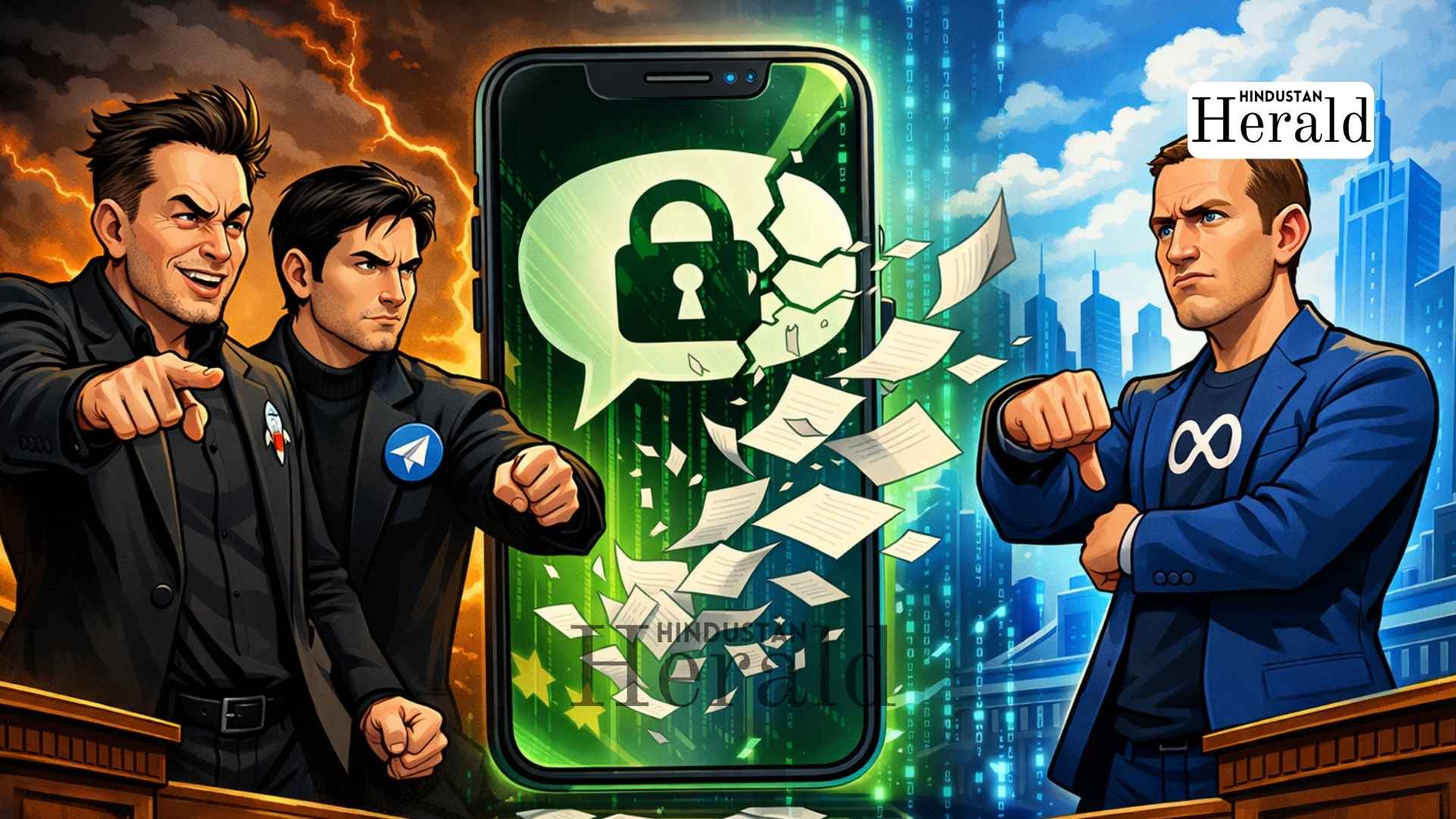
Texas, April 10: A familiar war of words in Big Tech has found fresh ammunition. On Thursday, Elon Musk, the owner of X (formerly Twitter), posted a blunt two-word verdict on WhatsApp: “can’t trust.” Hours later, Pavel Durov, the founder and CEO of Telegram, piled on with language that was considerably more colourful. Meta, the parent company of WhatsApp, fired back, calling the allegations “categorically false and absurd.” That, in a nutshell, is where things stood by Thursday evening though the backstory is rather more layered, and the implications for the world’s three billion WhatsApp users are significant enough to warrant a closer look.
The Lawsuit That Set This Off
This latest flashpoint was not born of nowhere. A class action lawsuit, filed on behalf of plaintiffs Brian Y. Shirazi and Nida Samson, names WhatsApp, Meta Platforms Inc., Accenture PLC, and Accenture LLP as defendants, alleging that they wrongfully intercepted and shared private WhatsApp messages with third parties.
The 52-page complaint contends that although Meta has marketed WhatsApp as a private, secure, end-to-end-encrypted service where only the sender and recipient can read messages, Meta employees, Irish consulting firm Accenture, and possibly other third parties have had access to messages via what the lawsuit describes as a “backdoor” in the WhatsApp source code.
That claim cuts to the heart of WhatsApp’s entire brand promise. The app built its user base over a decade on one fundamental assurance: that not even WhatsApp itself can read your messages. According to the complaint, this backdoor access is mainly used to “review messages flagged for fraud” or policy-violating conduct, but Meta, WhatsApp, and Accenture employees nonetheless retain “broad access to users’ messages.”
The plaintiffs allege that “whistleblowers have informed federal investigators that Meta employees and third-party contractors had broad access to the substance of WhatsApp messages that were supposed to be encrypted and inaccessible.” The case also argues that users were never asked for consent to have their messages potentially viewed by outside parties. The lawsuit was filed in a California federal court and is currently before the US District Court for the Northern District of California.

Still, it is worth noting where this case stands legally. WhatsApp rejected the lawsuit, calling the claims false, and stressed that encryption occurs on users’ devices before messages are sent, with only recipients holding the keys required to decrypt content. Meta described the suit as “a frivolous work of fiction” and said it would pursue sanctions against the plaintiffs’ legal counsel. No trial date has been set, and no class has been certified yet. The legal process has barely begun.
Musk and Durov Seize the Moment
Whether the lawsuit’s claims ultimately hold up in court is a separate matter from how it is being used in the ongoing platform wars and on Thursday, two of WhatsApp’s biggest commercial rivals were quick to capitalise on the headlines.
Musk posted on X: “can’t trust WhatsApp.” In a separate post, he urged users to switch to X Chat for messaging and voice and video calls, saying it “comes with this great benefit of actual privacy.”
These are not new positions for either man. As early as January 2026, Durov had claimed that his team found “multiple attack vectors” when they analysed WhatsApp’s encryption implementation, calling it naive to trust the app. Musk, around the same period, had written: “WhatsApp is not secure. Even Signal is questionable. Use X Chat.”
That said, the conflict-of-interest here is worth spelling out clearly. Both Musk and Durov run competing messaging platforms. Analysts and tech observers have pointed out that both men are capitalising on the noise surrounding WhatsApp’s privacy troubles to emphasise that their respective services theoretically offer a higher level of protection a strategy that reinforces the perception battle between platforms as much as any technical reality.
As it turns out, X Chat is not beyond scrutiny either. Several X users have added contextual notes to Musk’s posts, pointing out that while X Chat describes itself as end-to-end encrypted, questions remain about what information might still be accessible to the company and how security keys are actually managed. Notably, Musk has claimed that X Chat uses a “Bitcoin-style encryption system,” but Bitcoin’s security works differently from standard end-to-end encryption Bitcoin primarily uses cryptography to verify transactions, not to keep messages private between sender and recipient.
Meta Fights Back
WhatsApp’s response came swiftly and firmly. In an official post on X, WhatsApp stated: “The claims in this lawsuit are categorically false and absurd. WhatsApp has been end-to-end encrypted using the Signal protocol for a decade so your messages cannot be read by anyone other than the sender and recipient.”
The defence rests on well-established ground. The Signal Protocol, developed by Open Whisper Systems and integrated into WhatsApp following Meta’s acquisition of the app in 2014, is widely regarded by cryptographers as one of the most robust encryption frameworks available to consumers. WhatsApp today serves on the order of three billion users worldwide, with end-to-end encryption switched on by default for personal messaging.
The lawsuit, however, raises a question that Meta has never fully resolved: unlike Signal, which makes its source code publicly available for independent inspection, WhatsApp does not open its source code to outside auditors, meaning there is no independent way for security researchers or regulators to verify that encryption is implemented exactly as claimed. That opacity is not necessarily evidence of wrongdoing but it is a genuine gap in accountability.
The plaintiffs argue that WhatsApp is subject to the laws of every country in which it operates, and suggest that the “only way” it could comply with certain government access demands would be if a backdoor into encrypted messages already existed. This is a point that has been debated in policy circles for years, and it is one of the more serious underlying issues this lawsuit has dragged back into public view.
The India Angle: 500 Million Users and a Regulatory Backdrop
For Indian readers, this story lands with particular weight. India is WhatsApp’s single largest market, with an estimated 500 million active users a number that eclipses the populations of most countries. The app is embedded into daily life in a way that has few parallels globally, functioning as a communication layer for businesses, families, government schemes, political campaigns, and news distribution.

Notably, among the named plaintiffs in the January class action are individuals from Australia, Brazil, India, Mexico, and South Africa a deliberate choice, likely intended to signal the global scale of potential harm and to build a case that extends well beyond American jurisdiction.
India’s own data protection landscape adds another layer of context. The Digital Personal Data Protection Act, passed in 2023 and still in the process of full implementation, places obligations on data fiduciaries operating in the country. Whether a backdoor-access scenario of the kind alleged in the US lawsuit would constitute a violation of Indian data protection norms is a question that legal experts and regulators here have not yet been asked to answer but they may have to, depending on how this case develops.
The deployment of end-to-end encryption by Meta across its products has also created sustained political friction with the governments of the US, UK, Australia, India, and the EU, each of which has raised concerns about the possibility that encrypted communications would be inaccessible even under lawful warrant. In that sense, the tension between user privacy and state access is not new in India it has played out through multiple rounds of negotiations between WhatsApp and the government over issues like message traceability.
A History of Rivalry Fuelling the Noise
It would be incomplete to report on Musk and Durov’s comments without noting the commercial landscape they operate in. The rivalry between Musk and Mark Zuckerberg, Meta’s CEO, has been a constant of tech industry discourse since Musk acquired Twitter in 2022. Meta launched Threads in July 2023 in a direct challenge to X.
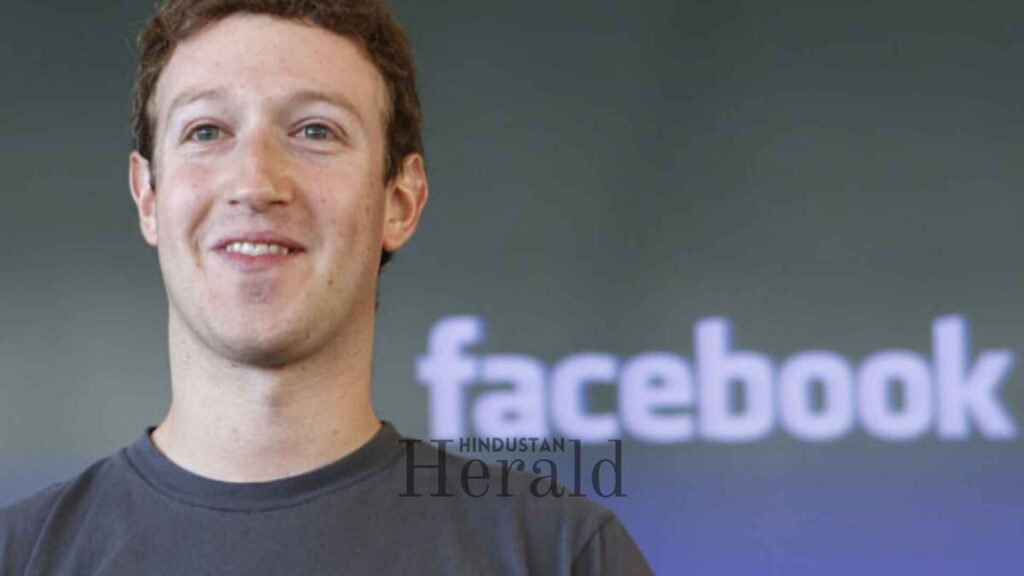
Durov, for his part, founded Telegram in 2013 and has positioned it as a privacy-first alternative to mainstream messaging platforms. Telegram now claims more than one billion active users worldwide and is among the most widely used messaging services globally. Any erosion of trust in WhatsApp is, by definition, a potential customer acquisition opportunity for Telegram.
X Chat, meanwhile, is a newer entrant. The standalone iOS beta launched in early 2026 filled capacity within two hours and has since expanded to thousands of testers. Musk has described his goal as building X into an all-in-one “super app” a model closer to China’s WeChat than to Western social media norms.
None of that makes their criticisms of WhatsApp wrong. But it does mean every statement they make in this space carries a promotional subtext that readers would do well to factor in.
What the Experts Say
Independent cryptographers have been more cautious than Musk or Durov in concluding the lawsuit. The complaint itself acknowledges that because WhatsApp does not publish its source code, it is impossible for outside parties to either prove or disprove how the encryption system actually works in practice. That is a significant caveat.

The lawsuit alleges that sometime in 2021 or 2022, WhatsApp enlisted hundreds of Accenture reviewers in the United States and around the world to review and moderate the content of purportedly encrypted messages. If this can be proved in court, it would suggest a content moderation infrastructure that, at minimum, operates in tension with end-to-end encryption as users understand it.
For now, the legal standard that matters is proof and proof is what the plaintiffs will need to produce. WhatsApp has said it will seek sanctions against the legal teams involved, signalling its intention to aggressively contest the case rather than settle quietly.
The Bigger Picture: Trust as the Product
What this episode illustrates, above all else, is that trust has become the central battleground in the messaging app wars. WhatsApp’s value proposition rests almost entirely on the credibility of its privacy promise. If that credibility is even partially undermined not necessarily through a court verdict, but through the accumulation of public doubt the consequences for Meta could be substantial.
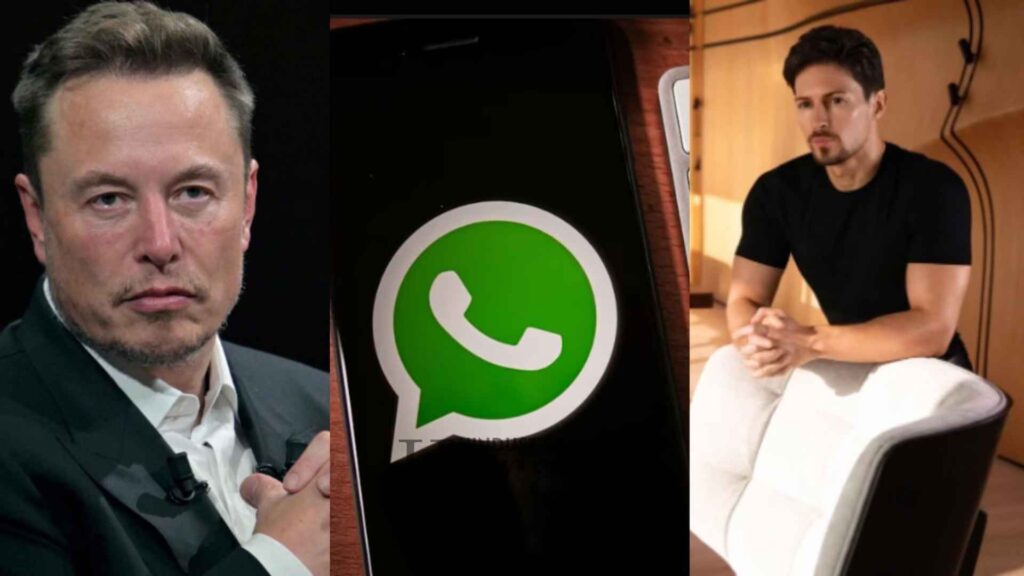
The clash between Durov’s allegations, Musk’s criticisms, and WhatsApp’s official defence highlights that the battle for instant messaging is no longer fought solely on features or user numbers, but above all on trust and the perception of security. Between Telegram, WhatsApp, Signal, and X Chat, users are now being forced to ask questions about how their conversations are encrypted, what data remains in company hands, and how much they are willing to trust the privacy promises that each platform makes.
Those are not bad questions to be asking. The lawsuit, whatever its merits, has done at least one useful thing: it has forced a conversation about accountability gaps that the industry has long preferred to leave unexamined.
Stay ahead with Hindustan Herald — bringing you trusted news, sharp analysis, and stories that matter across Politics, Business, Technology, Sports, Entertainment, Lifestyle, and more.
Connect with us on Facebook, Instagram, X (Twitter), LinkedIn, YouTube, and join our Telegram community @hindustanherald for real-time updates.

Tech writer passionate about AI, startups, and the digital economy, blending industry insights with storytelling.
- Neeraj Kapoor

- Neeraj Kapoor
- Neeraj Kapoor
- Neeraj Kapoor




 Rajiv Menon and Neeraj Kapoor