
 By Kavita Iyer and Ananya Sharma
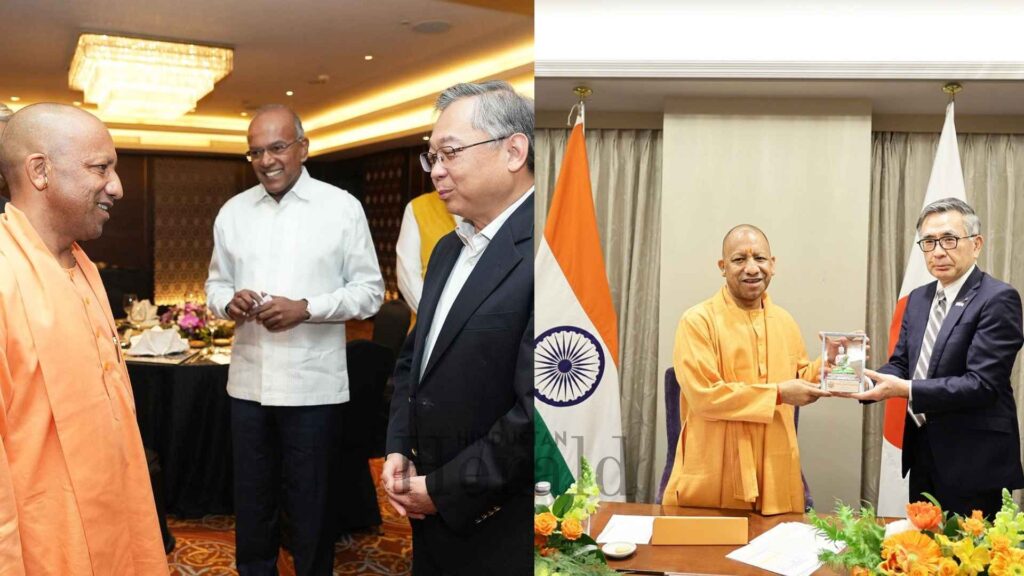
Lucknow, February 28: The city was barely awake when Chief Minister Yogi Adityanath’s aircraft touched down on Thursday morning. By the time office-goers were stepping out for work, the message from the government machinery was already loud and clear. The foreign tour had delivered. The numbers were historic. Uttar Pradesh, officials said, had made its presence felt in Singapore and Japan under Yogi Adityanath’s leadership.
But outside the airport gates, the questions people asked were far less dramatic.
Will this mean more jobs here?
Will our children still have to move to other states?
Will anything actually change?
After four days abroad, Yogi Adityanath returned with announcements of ₹1.5 lakh crore worth of signed agreements, plus another ₹2.5 lakh crore in proposed investments being discussed with global firms. Government estimates say the projects could generate over five lakh jobs in the coming years.
It sounds massive. It feels massive. But in Uttar Pradesh, people have learned to wait before celebrating.
The Big Number And The Reality Behind It
Officials say that in Japan alone, companies committed around ₹90,000 crore, while in Singapore, agreements worth ₹60,000 crore were signed. That includes investments in manufacturing, logistics, data centres, renewable energy and electronics.
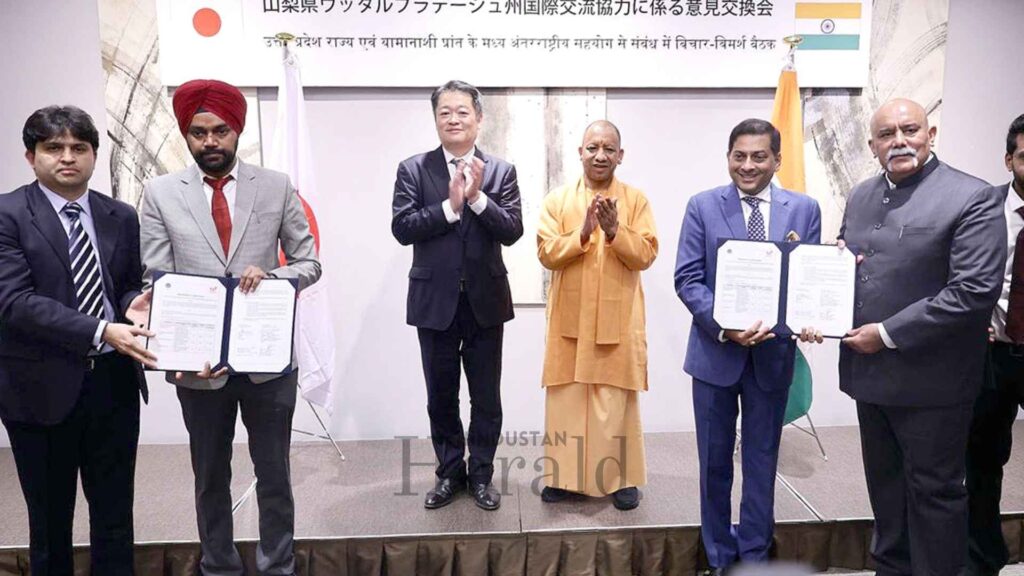
Now here is the thing about MoUs. They are not fake. But they are not factories either.
An MoU is a formal expression of interest. It means a company is serious enough to sign a document saying it wants to invest. What happens next depends on land availability, electricity supply, approvals, financing, and market conditions. It is a long road between a handshake and a working plant.
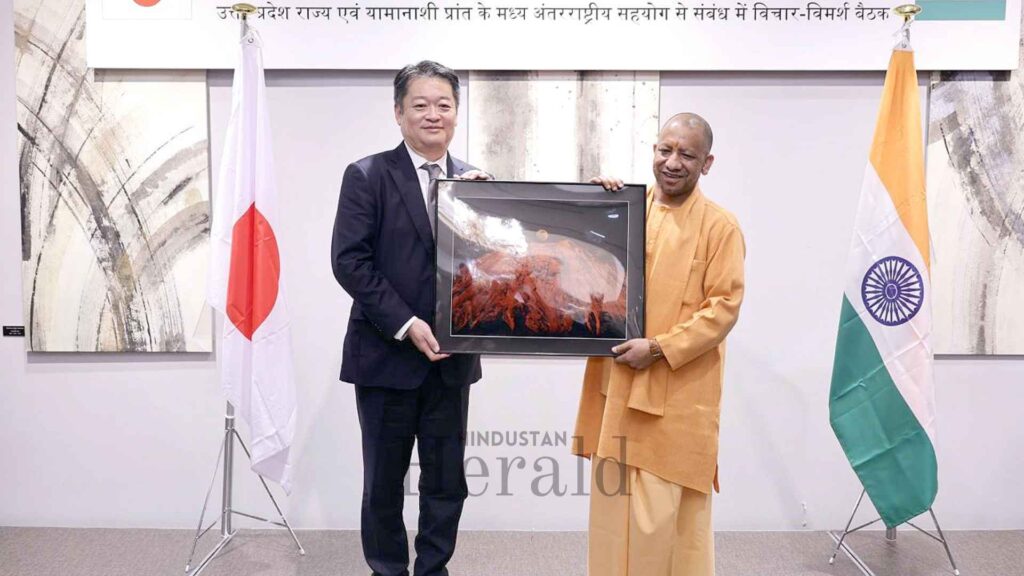
That does not mean the announcements are hollow. It simply means the hard part starts now.
A Japanese city near Jewar
One of the most talked-about proposals from the tour is the plan to build a 500-acre “Japan City” within the Yamuna Expressway Industrial Development Authority area, near the upcoming Noida International Airport.
In simple terms, it will be a dedicated space where Japanese companies can set up operations comfortably. Automotive suppliers, research units, logistics hubs, and even residential facilities for employees. The idea is to create an ecosystem so companies do not feel like they are starting from scratch.
Other states have done similar projects. Some succeeded because the infrastructure was ready and approvals were fast. Some struggled when paperwork dragged on.
For Uttar Pradesh, the location is strategic. The Jewar airport is expected to become a major cargo and passenger hub. If industrial clusters grow around it, that entire belt could change economically.
But again, blueprints do not build themselves. Roads, drainage, power lines, and environmental clearances. These are the details that decide success.
Green Hydrogen And The Youth Factor
Beyond land and buildings, the tour also focused on technology.
An agreement was signed to establish a Green Hydrogen Centre of Excellence, linking Japan’s University of Yamanashi and Yamanashi Hydrogen Company with Indian institutions such as IIT Kanpur, IIT BHU, and HBTU Kanpur.
For the average reader, hydrogen technology may sound distant. But it matters. Countries around the world are trying to shift toward cleaner energy. Hydrogen is being explored as a fuel that could power buses, industries, and maybe even trains with fewer emissions.
If students from Uttar Pradesh get training in this field, it opens doors. It creates skills that are relevant for the future, not just for today.
There is also talk of the Governor of Yamanashi visiting Uttar Pradesh in August with a delegation of around 200 Japanese business leaders. That kind of follow-up suggests this partnership is not just ceremonial.
Data Centres, Chips And Support Systems
In Singapore, the focus leaned toward digital infrastructure.
A firm called Golden State Capital committed ₹8,000 crore to build a 100-megawatt data centre. Data centres are not glamorous. You will not see crowds outside them. But they are critical in a digital economy. They store information, power online services, and support everything from video calls to digital payments.
If Uttar Pradesh becomes a hub for such infrastructure, it strengthens its position in India’s tech ecosystem.
There were also proposals in real estate and logistics. 1-OAK signed a deal worth ₹3,000 crore, while Universal Success Group proposed ₹6,650 crore in housing and logistics development. These sectors may not grab headlines, but without warehouses and housing, industrial growth stalls.
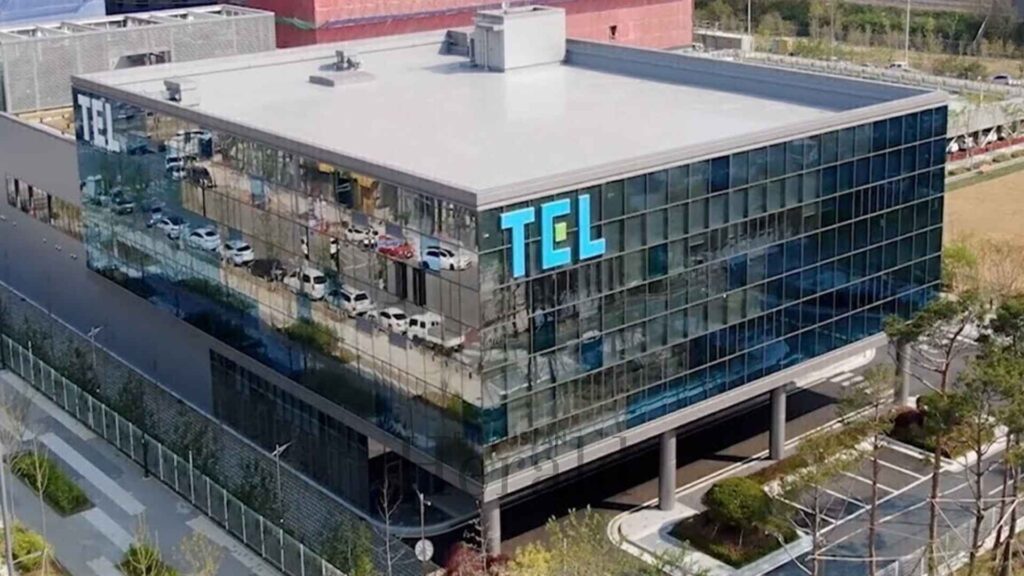
Then there were discussions with Japanese companies like Tokyo Electron and Toshiba regarding semiconductor and electronics value chains. India has been trying to build its own chip manufacturing capacity. Even participation in supporting industries could be a big step for the state.

But semiconductor projects are expensive and complicated. They require global supply chains, stable policies, and serious capital. Conversations are promising. Execution will be decisive.
The Political Angle That Cannot Be Ignored
Let us be honest. Investment announcements in Uttar Pradesh are never purely economic stories. They are political, too.
The state is central to national politics. A narrative of growth strengthens leadership credibility. A narrative of stalled promises weakens it.
But politics aside, the economic challenge is real. Uttar Pradesh has one of the youngest populations in the country. Every year, lakhs of young men and women enter the job market. Many leave for Delhi, Maharashtra, Karnataka, or even overseas.
If industries actually come up near the Yamuna Expressway, if logistics hubs create supply chains, if tech parks generate skilled employment, migration patterns could shift.
Families might stay together. Smaller towns could grow stronger.
That is the hope.
The Gap Between Announcement And Action
The Chief Minister has reportedly directed Invest UP to track each signed agreement closely and remove obstacles quickly. Monitoring systems are promised. Timelines are promised.
But the public will not judge this tour by press conferences.
They will judge it by construction cranes. By factory gates. By appointment letters.
In tea stalls and markets across the state, people have heard big figures before. They are not cynical. They are cautious.
This time, the scale feels larger. The international engagement feels deeper. The mix of manufacturing, clean energy and digital infrastructure shows broader ambition.
Still, the real story begins now.
When land is allotted without delay.
When electricity connections are stable.
When investors say paperwork moved faster than expected.
When a young graduate from Kanpur or Varanasi finds a job close to home, instead of booking a one-way ticket to another state.
That will be the true measure of this tour.
For now, the Chief Minister has returned with momentum and headlines. Uttar Pradesh stands at a familiar crossroads between promise and performance.
The coming months will decide which direction it takes.
Stay ahead with Hindustan Herald — bringing you trusted news, sharp analysis, and stories that matter across Politics, Business, Technology, Sports, Entertainment, Lifestyle, and more.
Connect with us on Facebook, Instagram, X (Twitter), LinkedIn, YouTube, and join our Telegram community @hindustanherald for real-time updates.

Former financial consultant turned journalist, reporting on markets, industry trends, and economic policy.
- Kavita Iyerhttps://hindustanherald.in/authors/kavita/

- Kavita Iyerhttps://hindustanherald.in/authors/kavita/
- Kavita Iyerhttps://hindustanherald.in/authors/kavita/
- Kavita Iyerhttps://hindustanherald.in/authors/kavita/





Covers Indian politics, governance, and policy developments with over a decade of experience in political reporting.
- Ananya Sharmahttps://hindustanherald.in/authors/ananya/
- Ananya Sharmahttps://hindustanherald.in/authors/ananya/
- Ananya Sharmahttps://hindustanherald.in/authors/ananya/
- Ananya Sharmahttps://hindustanherald.in/authors/ananya/




 Ananya Sharma