
 By Kavita Iyer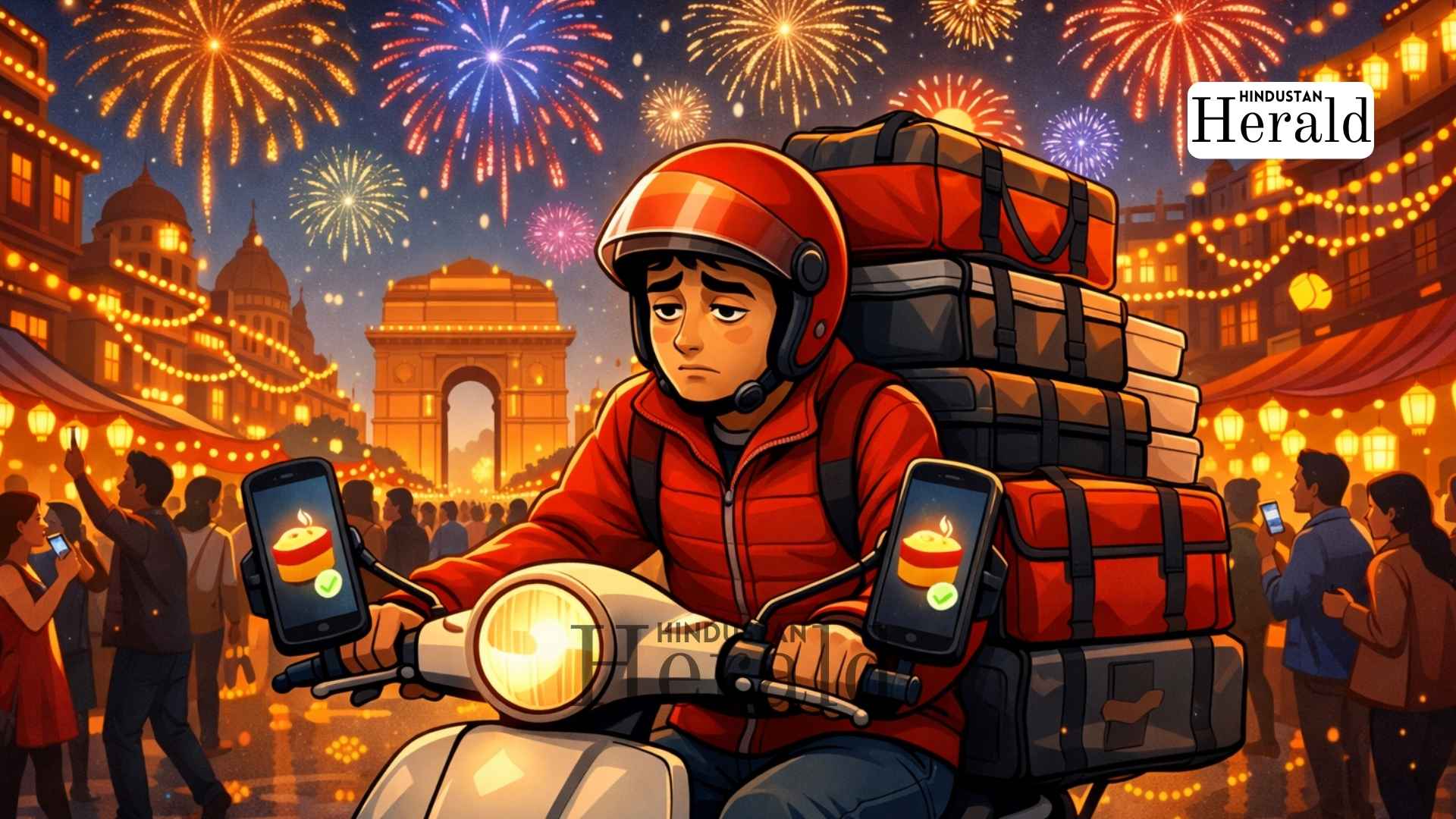
New Delhi, January 2: On a night when large sections of India were counting down to midnight with takeaway boxes and grocery bags at their doors, Zomato and its quick-commerce arm Blinkit ran at full tilt. This was despite repeated strike calls by gig worker unions across the country.
By the company’s own numbers, New Year’s Eve turned into the biggest operational day Zomato and Blinkit have ever seen.
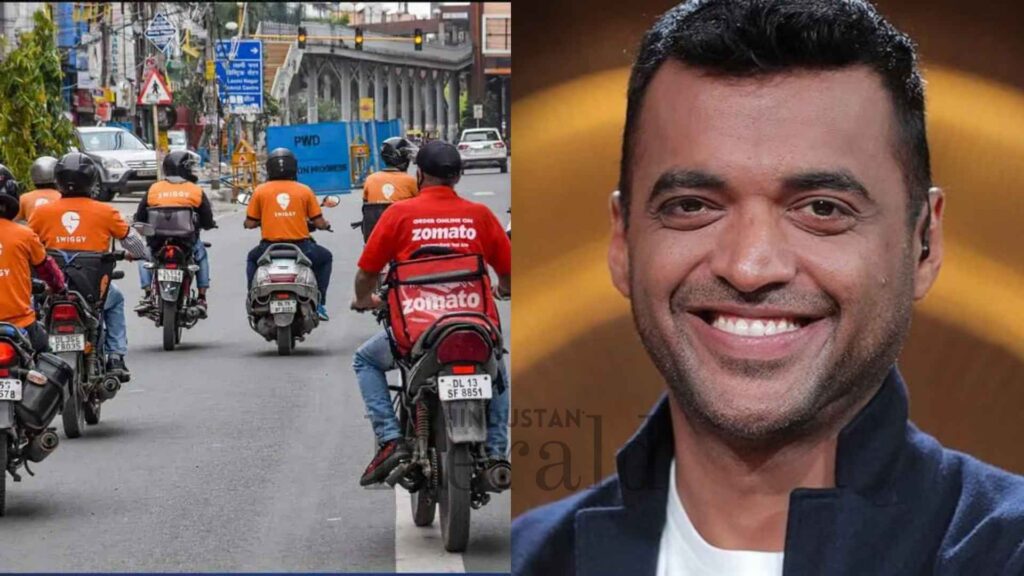
Founder and chief executive Deepinder Goyal said that more than 4.5 lakh delivery partners completed over 75 lakh orders for 63 lakh customers on December 31, 2025, with no additional incentives rolled out to entice workers to log in.
For Zomato, the message was unmistakable. The platforms functioned smoothly. Customers kept ordering. Riders kept delivering. And the strike, at least on paper, failed to dent operations.

For workers and labour organisers, the same numbers tell a very different story.
A Night Of Peak Demand And Quiet Defiance
New Year’s Eve is the Super Bowl of food delivery. Every year, platforms brace for it weeks in advance. This time, the buildup was complicated by nationwide strike calls from gig worker unions, timed deliberately to hit companies where it hurts most.
Yet, by evening, the apps were live, delivery times were ticking down, and kitchens and dark stores were under pressure to keep up.

According to reports across national dailies, biryani, pizzas, butter chicken, party snacks, and ready-to-drink beverages dominated order lists. Blinkit’s promise of ultra-fast grocery deliveries drew heavy traffic in metro cities, where consumers leaned hard into convenience.
What raised eyebrows was Goyal’s assertion that this record-breaking day came without surge incentives. No festival bonus. No special New Year payout. Just regular rates, he said.
Unions argue that this distinction misses the point. When rent is due, when school fees loom, and when algorithms quietly decide who gets the next order, “choice” in the gig economy often becomes a grey area.
Who Called The Strike And What They Wanted
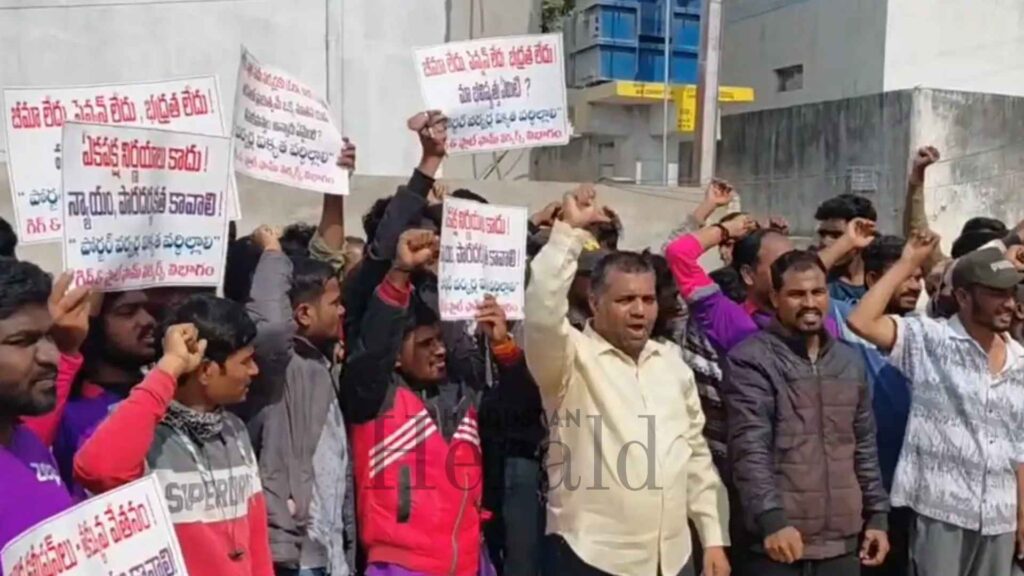
The strike calls did not appear overnight. They were issued by the Telangana Gig and Platform Workers Union, with support from the Indian Federation of App-Based Transport Workers, after weeks of smaller protests and meetings.
Demonstrations were held on December 25, with unions estimating participation by around 40,000 delivery workers. The bigger call was reserved for December 31, when organisers claimed close to 1.7 lakh workers had agreed to log off nationwide.
Their demands were blunt and specific.
Workers want transparent pay calculations, not constantly shifting formulas. They want the 10-minute delivery promise scrapped, arguing it pushes them into dangerous situations on already chaotic roads. They want an end to sudden account deactivations, which can cut off income overnight with little explanation.
There are also basic asks that sound modest on paper but remain unmet for many riders: helmets, rain gear, rest breaks, accident cover, health insurance, and some form of pension security.
Union leaders say this is not about one bad day or one viral post. It is about the long-term cost of a system that thrives on speed while externalising risk.
Goyal’s Response And The Backlash
Goyal responded on January 1 with a public defence of the gig model. If the system were unfair, he argued, it would not continue to attract and retain such large numbers of people.
He thanked delivery partners who, in his words, “showed up despite intimidation” and credited local police for keeping “a small number of miscreants in check”.
That word, miscreants, landed badly.
Worker groups called the remark dismissive and insulting, saying it reduced legitimate labour concerns to a law-and-order issue. The tone, they argued, exposed how far apart platform leadership and riders remain in their understanding of each other.
A day later, Goyal doubled down on another flashpoint. He defended Blinkit’s 10-minute delivery model, saying fast deliveries are enabled by dense networks of stores, not by pushing riders to speed.
The Speed Question That Will Not Go Away
On paper, the explanation is logical. Shorter distances mean quicker drops. On the ground, riders tell a messier story.
They speak of tight delivery windows, constant app notifications, customer ratings, and the unspoken fear of slipping down the algorithm if they fall behind. Even without explicit instructions to ride faster, the pressure is felt. Road safety experts have warned that ultra-fast delivery promises normalise urgency in environments already hostile to two-wheelers. Platforms insist safety protocols exist. Workers say the incentives and penalties embedded in apps tell a different tale.
For now, both sides remain entrenched.
Why So Many Workers Still Logged In
The obvious question lingers. If strike calls were so widespread, why did so many delivery partners still work that night? The answer, according to labour economists, is painfully simple. New Year’s Eve pays. It is one of the few days when riders can earn significantly more by sheer volume, even without bonuses.
Skipping it is a luxury many cannot afford. There is also the quieter fear of future consequences. Workers often believe that logging off during peak demand affects future order allocation, even if companies deny such practices.
In informal economies, strikes rarely look like total shutdowns. They look like friction. Noise. Unease.
A Policy Gap Bigger Than Any One Platform
Beyond Zomato and Blinkit, the episode exposes a deeper policy failure.
India formally recognises gig workers under the Code on Social Security, 2020, but real protections remain patchy. Welfare boards exist on paper. Insurance schemes roll out unevenly. Platforms continue to classify workers as independent contractors, limiting accountability.
Until clearer rules arrive, disputes like this will keep playing out on social media timelines and festive nights. For now, Zomato’s record-breaking New Year’s Eve strengthens its business narrative. For workers, the protests are unlikely to stop.
And for millions of customers, the convenience arrived right on time, even as the debate over who pays for that convenience grows louder.
Stay ahead with Hindustan Herald — bringing you trusted news, sharp analysis, and stories that matter across Politics, Business, Technology, Sports, Entertainment, Lifestyle, and more.
Connect with us on Facebook, Instagram, X (Twitter), LinkedIn, YouTube, and join our Telegram community @hindustanherald for real-time updates.

Former financial consultant turned journalist, reporting on markets, industry trends, and economic policy.
- Kavita Iyer

- Kavita Iyer
- Kavita Iyer
- Kavita Iyer




 Ananya Sharma and Kavita Iyer