
 By Ananya Sharma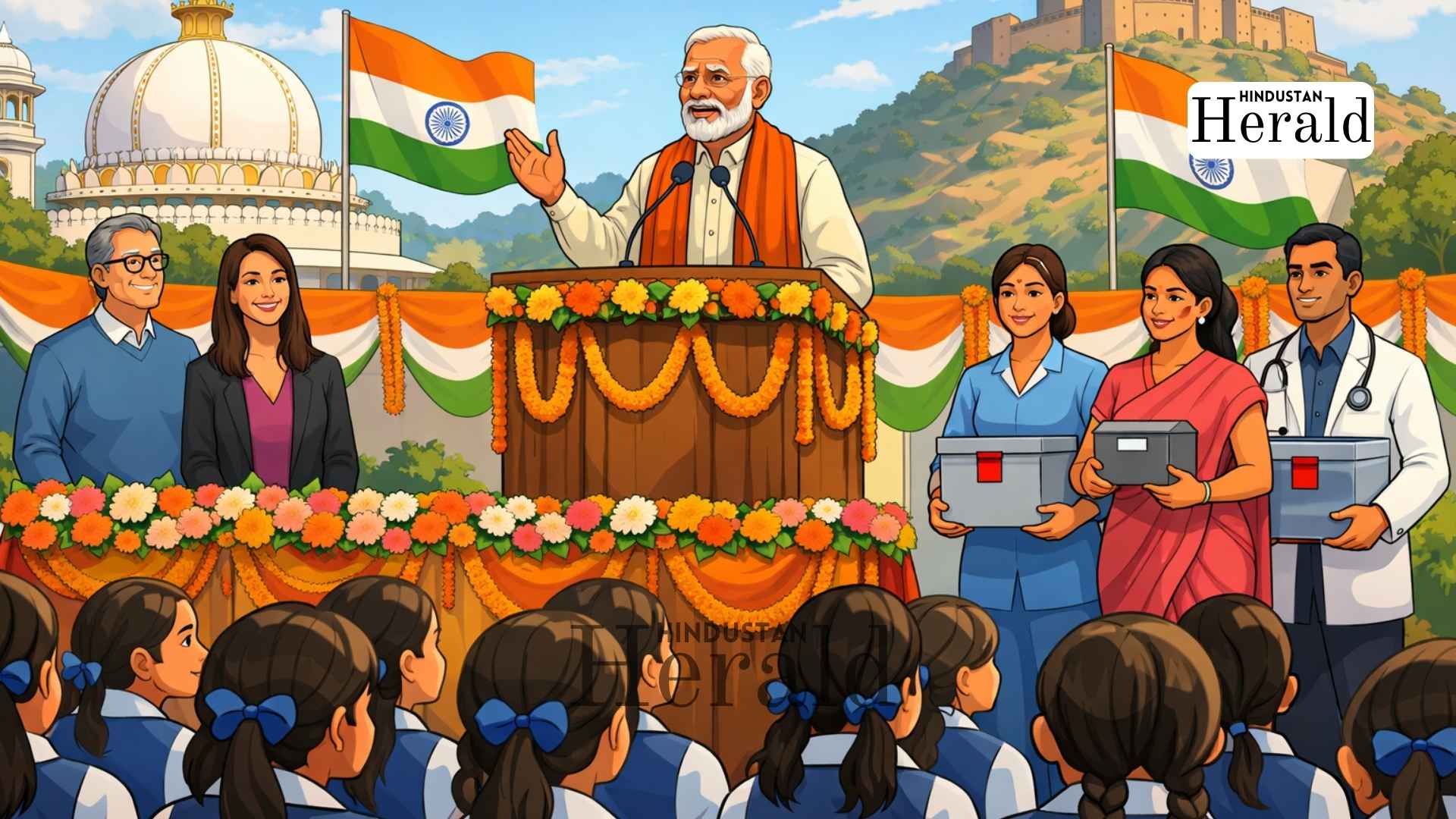
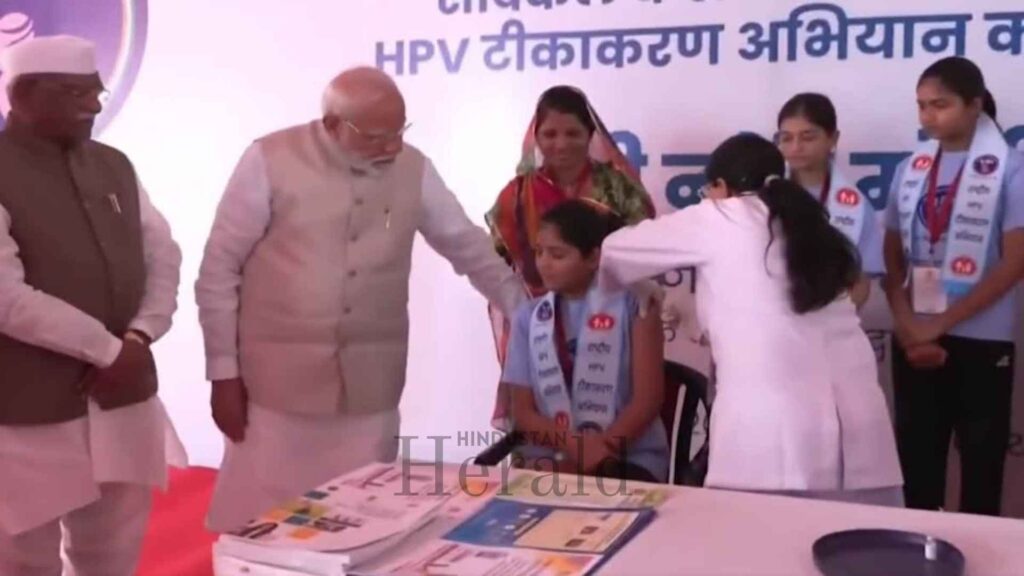
New Delhi, February 28, 2026: The applause in Ajmer this morning was polite but hopeful. Schoolgirls sat in neat rows. Health workers hovered nearby, part nervous, part proud. When Prime Minister Narendra Modi formally launched India’s National HPV Vaccination Programme, it felt like one of those quiet policy moments that could, years from now, save thousands of lives without ever making front pages again.
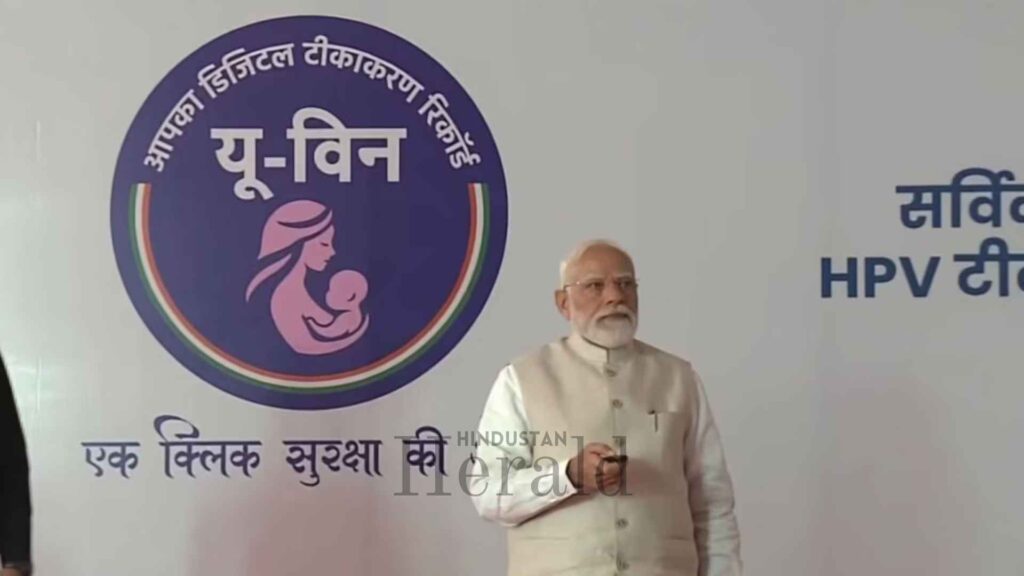
On paper, the ambition is enormous. Vaccinate 1.15 crore girls aged 14 in just 90 days. Then fold the vaccine into the country’s regular immunisation schedule, so it becomes routine, almost mundane.
But nothing about HPV vaccination in India has ever been mundane.
A Vaccine With Weight Behind It
The government is using Gardasil, a quadrivalent vaccine that protects against strains of the Human Papillomavirus known to cause most cervical cancers. It will be offered free of cost in schools and public health centres.
Cervical cancer does not dominate television debates, but it devastates families quietly. India carries one of the heaviest burdens globally, according to the World Health Organisation. Many women are diagnosed late. Treatment is expensive. Outcomes can be brutal.
Vaccination changes the timeline. It prevents disease before it has a chance to take root.

Health officials say this rollout will look very different from the past. Every dose will be logged through the U-WIN portal, a digital tracking system. No handwritten registers tucked away in district offices. Parents must sign consent forms. Documentation is central, not optional.
That emphasis on consent is not bureaucratic fussiness. It is history speaking.
The Memory That Will Not Leave
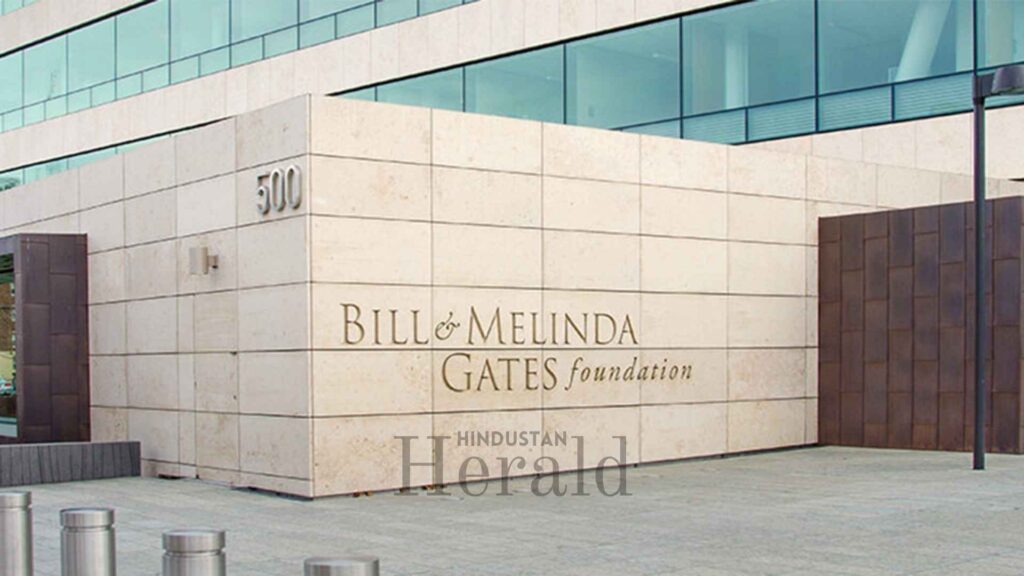
Back in 2009, a demonstration project conducted by PATH in Andhra Pradesh and Gujarat spiralled into controversy. The programme had financial backing from the Bill & Melinda Gates Foundation. Seven girls who had received the HPV vaccine died during that period. The timing triggered outrage.
In 2013, a Parliamentary Standing Committee delivered its now widely cited 72nd Report. The committee was scathing about the conduct of the project. It found that informed consent procedures were deeply flawed. In some cases, hostel wardens had signed on behalf of tribal girls. The oversight mechanisms, the report said, were inadequate. It accused authorities of allowing what it described as a clinical trial in the guise of an observational study.
The ethical criticism was sharp and deservedly so.
But the same investigation made something equally important clear: the deaths were not caused by the vaccine. The causes ranged from snake bites to malaria to suicide by pesticide ingestion. The World Health Organisation later reiterated that there was no evidence linking the vaccine to those fatalities.
The distinction matters. Ethics failed. The science did not.
Yet in public memory, those two threads fused into one story.
Social Media’s Familiar Cycle
With today’s launch, old claims resurfaced almost instantly. One of the loudest is that Bill Gates was expelled from India because of the HPV episode.
There is no evidence of any such ban. The Bill & Melinda Gates Foundation continues to operate in India and remains deeply involved in health partnerships. Parts of the current vaccine procurement are being coordinated through Gavi, the Vaccine Alliance, which receives substantial funding from the foundation.
Facts rarely travel as fast as suspicion. Once distrust takes hold, it tends to recycle itself.
The Single-Dose Question
There is another layer to the debate. The government’s programme aligns with updated guidance from the World Health Organisation, which now supports a single-dose HPV schedule for adolescent girls based on accumulating data suggesting durable protection.
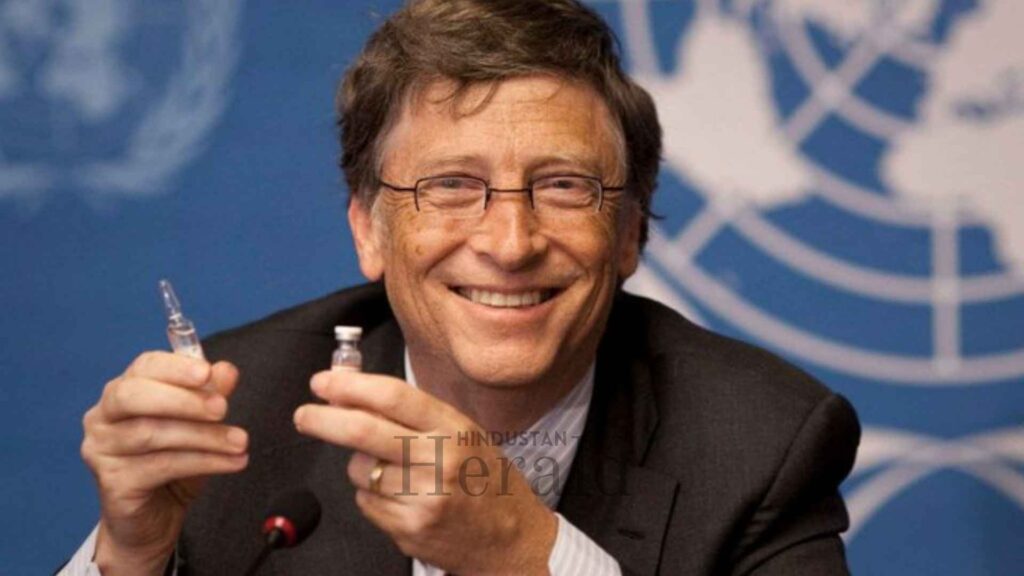
Some advocacy groups are uneasy. They argue that long-term immunity data is still evolving and worry about durability decades down the line. They use the word “experimental,” though global health agencies disagree with that characterisation.
Public health experts point out that more than 100 million doses of the HPV vaccine have already been administered worldwide. Countries across continents have adopted single-dose strategies after reviewing evidence. The WHO did not arrive at its recommendation casually.
Still, for parents hearing about this for the first time, nuance can feel abstract. They are not thinking in global datasets. They are thinking about their daughters.
Trust Is The Real Battle
If there is one lesson policymakers appear to have absorbed since 2009, it is that procedure is not a technicality. It is the backbone of legitimacy.
Officials insist that today’s campaign is built on transparency. Consent is documented. Adverse events will be monitored through established pharmacovigilance systems. District officials have been briefed. Schools have been engaged.
But trust is not rebuilt with circulars. It is rebuilt slowly, family by family.
In several districts, local health workers say parents are asking pointed questions. What happened in 2009? Why is the dosage now single-shot? Who is funding the vaccines? Those are not unreasonable questions. They are the residue of past missteps.
And yet, public health cannot remain paralysed by history either.
The Stakes Are Quiet But Immense
Cervical cancer does not command the kind of urgency that pandemics do. It creeps. It is often diagnosed late, especially in women who have never had access to screening. Treatment can mean surgery, radiation, or chemotherapy. It can mean debt.
Vaccinating girls at 14 is an investment that will not show visible dividends for years. The benefit will appear gradually, in declining cancer registries, in fewer oncology wards filled with preventable cases.
If this campaign reaches its target, India could take a significant step toward aligning with global cervical cancer elimination goals. That is not dramatic. It is transformative.
A Country At A Crossroads
Today’s launch in Ajmer felt symbolic. A government asserting confidence in science. The public is still negotiating its trust.
The vaccine itself is not new. The global evidence base is not thin. What remains fragile is the relationship between institutions and citizens when past ethics have been questioned.
India now stands at a crossroads where memory meets momentum. The science supports vaccination. The past demands caution. The present requires communication that is honest, not defensive.
In the coming weeks, the real story will not be about trending keywords. It will be about uptake. Will parents sign consent forms? Will schools cooperate fully? Will misinformation drown out data?
Policy can be launched in the morning. Confidence takes longer.
For now, India has chosen to move forward. Whether the country walks together on this one will decide far more than today’s headlines.
Stay ahead with Hindustan Herald — bringing you trusted news, sharp analysis, and stories that matter across Politics, Business, Technology, Sports, Entertainment, Lifestyle, and more.
Connect with us on Facebook, Instagram, X (Twitter), LinkedIn, YouTube, and join our Telegram community @hindustanherald for real-time updates.

Covers Indian politics, governance, and policy developments with over a decade of experience in political reporting.
- Ananya Sharma

- Ananya Sharma
- Ananya Sharma
- Ananya Sharma




 Ayesha Khan
  Sandeep Verma