
 By Ayesha Khan
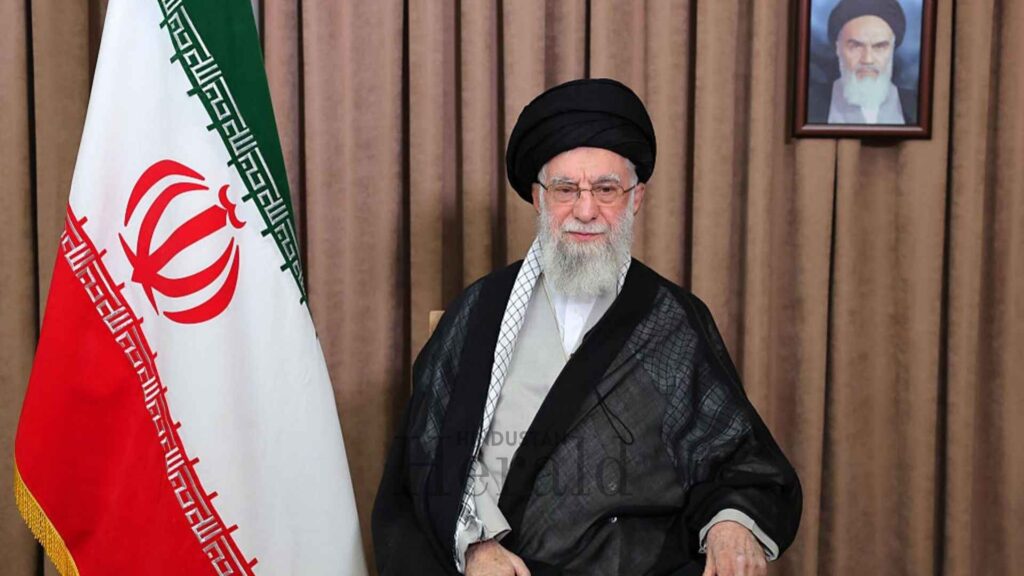
New Delhi, March 1: Sunday did not begin with a government statement. It began with whispers. By late morning, social media platforms were buzzing with unverified claims that Iran’s Supreme Leader, Ali Khamenei, had died. There was no confirmation from Tehran. No formal announcement. No clarity from international agencies. Just a wave of posts moving faster than facts.
In the middle of that storm was Elnaaz Norouzi.
She did not choose caution. She chose emotion.
Calling the reports “the most incredible news,” she wrote that people had “waited 47 years for this.” The number was not random. It pointed back to 1979 and the birth of the Islamic Republic. For many Iranians inside and outside the country, that year changed everything.
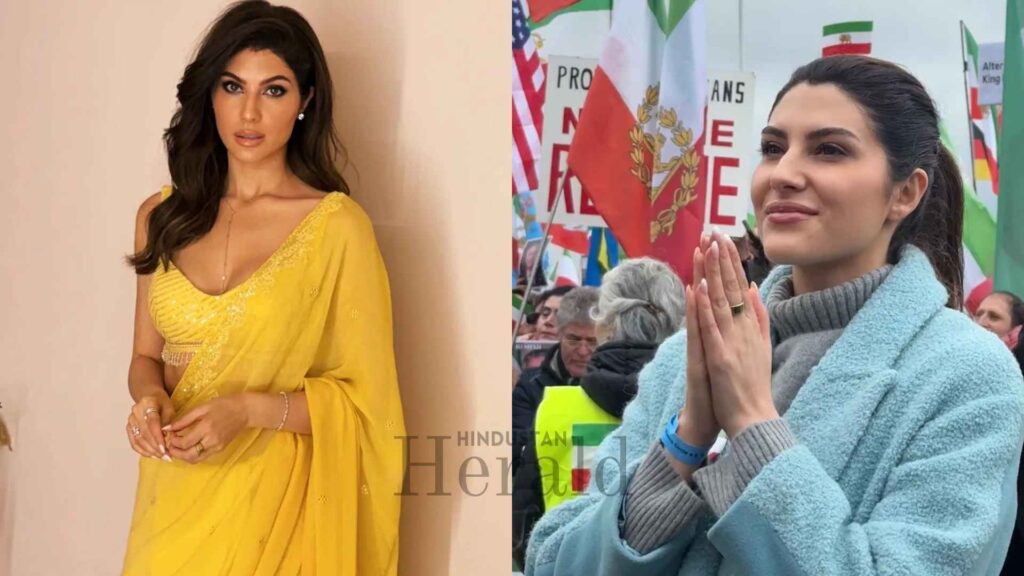
Her tone was celebratory. She used religious language in her caption, pairing it with symbols of joy. It was not a carefully worded diplomatic response. It felt raw. It felt personal.
But within hours, her mood shifted.
In a video message, she looked directly into the camera and spoke about ordinary Iranians. She spoke about fear. She spoke about airstrikes reportedly involving the United States and Israel, and about families in Tehran who may have nothing to do with political decisions but could still pay the price. She blamed the leadership for decades of suppression that, in her view, pushed the country toward this boiling point.
Celebration on one side. Concern on the other.
That contradiction tells you a lot about how complicated this moment is.
Why This Rumor Is Bigger Than Social Media
The role of the Supreme Leader in Iran is not symbolic. It is powerful. The office controls the armed forces, influences the judiciary, and has the final word on major national decisions. If Khamenei were truly gone, the system would move toward a succession process led by the Assembly of Experts, an 88-member clerical council.
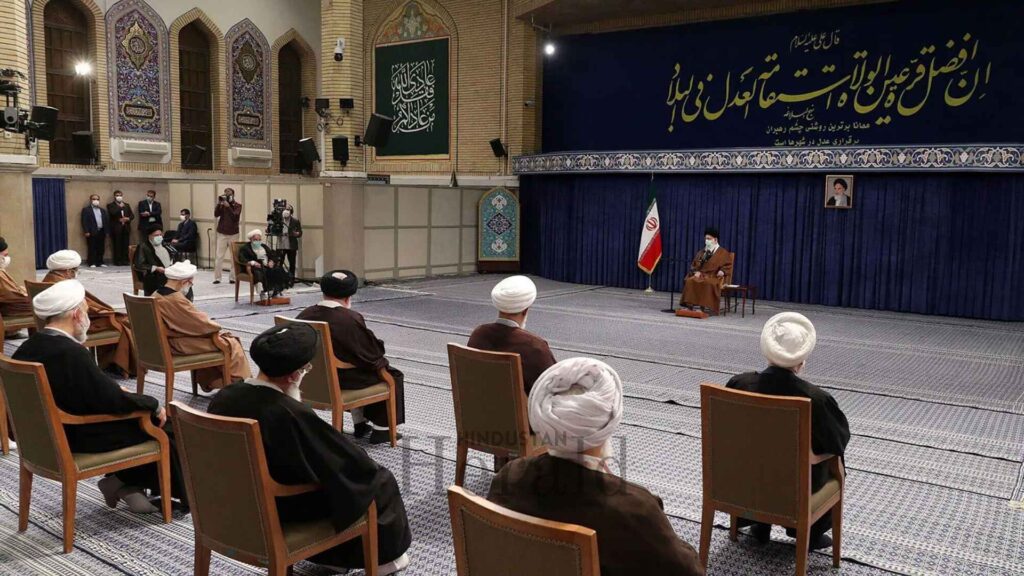
For many outside observers, that may sound procedural. For Iranians, it could mean uncertainty.
Transitions at the top of a tightly controlled system can go two ways. They can be smooth and calculated. Or they can expose cracks that were always there.
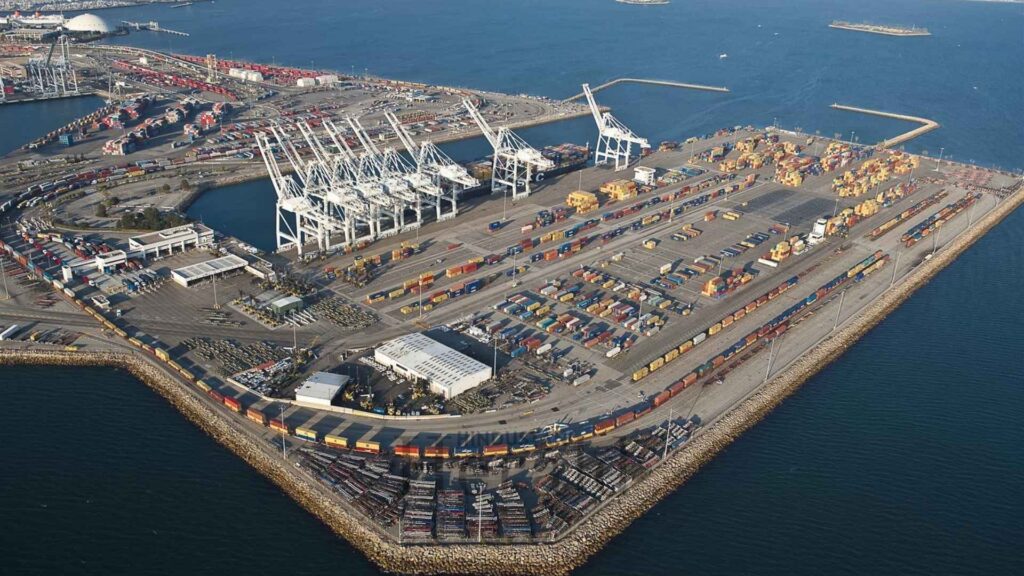
This is not just Iran’s internal matter either. Oil prices react. Global markets watch. Diplomats begin quiet conversations. India, which has strategic interests tied to projects like the Chabahar Port, cannot afford to ignore instability in Tehran.
So while Norouzi’s posts were emotional, the stakes behind them are very real.
At the time of writing, there is still no official confirmation of Khamenei’s death. That silence matters. In today’s digital age, false news spreads quickly. History has seen several instances where high-profile leaders were declared dead online before governments stepped in to deny it.
Still, the reaction itself has become part of the story.
From Netflix Fame To Political Voice
Indian audiences first met Norouzi through Sacred Games, where she played a supporting but memorable role. She was seen as an international face in an Indian crime thriller that became a streaming hit.
But in the past few years, she has stepped far beyond acting.
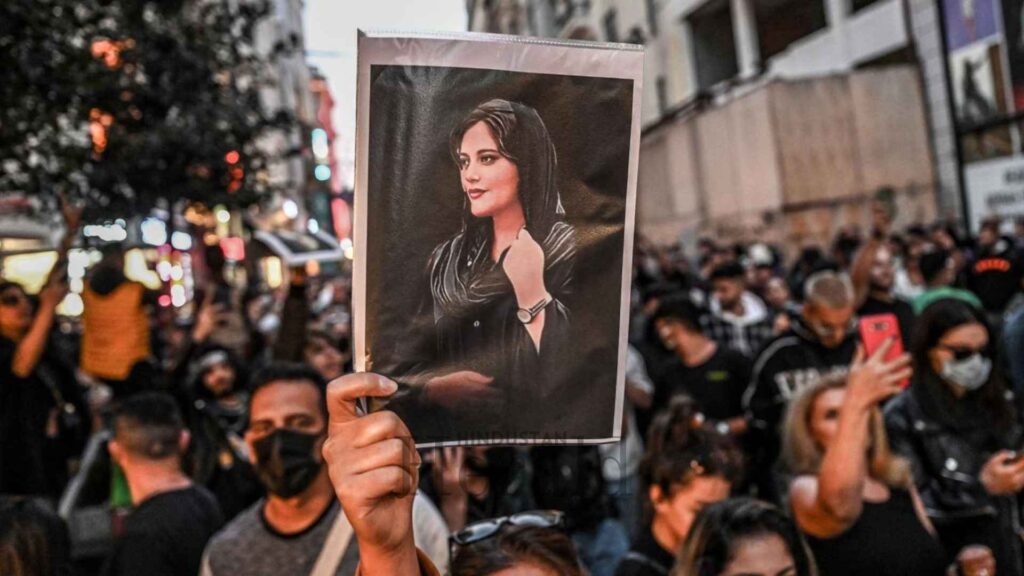
After the death of Mahsa Amini in 2022, protests erupted across Iran. Women burned headscarves in defiance. Young men and women filled the streets. The world watched as the state responded with arrests and force.
Norouzi did not stay silent. She posted videos removing her own head coverings in solidarity. She spoke about choice, about dignity, about what she described as “control over one’s own body.” Her social media feed gradually became a space for political messaging.

Not everyone approved. Some accused her of oversimplifying a complex country. Others praised her courage.
But she kept going.
The India Comparison That Sparked Debate
In February this year, Norouzi addressed her large Indian fan base directly. She asked them to imagine India suddenly stripped of its diversity. Imagine a country where Hindus, Muslims, Christians, Sikhs, and Parsis were no longer allowed to coexist openly.
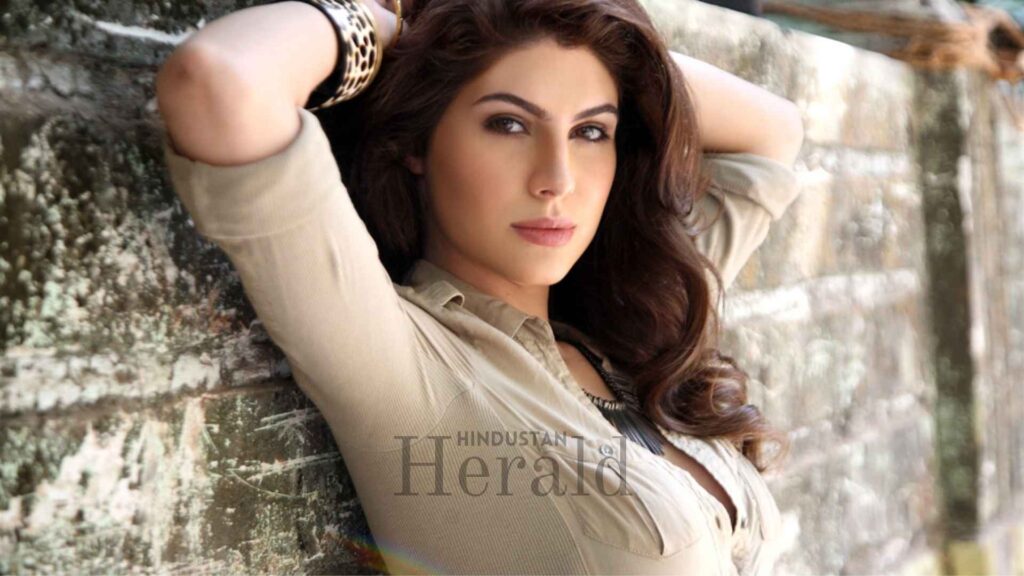
“Iran was once as diverse, as culturally rich, as alive as India,” she wrote. “The people did not want this.”
It was a powerful comparison. It made Iranian history relatable to Indian readers who may not follow West Asian politics closely.
Some historians argued that the analogy was too neat. History is rarely that simple. But from a communication standpoint, it worked. People understood what she was trying to say.
For many Indians, it was the first time they thought about Iran beyond headlines about sanctions or nuclear talks.
Faith And Extremism Are Not The Same
Earlier this year, Norouzi addressed a sensitive subject head-on. She said one can be Muslim and still reject radicalism. She insisted that faith should not be confused with authoritarian governance.
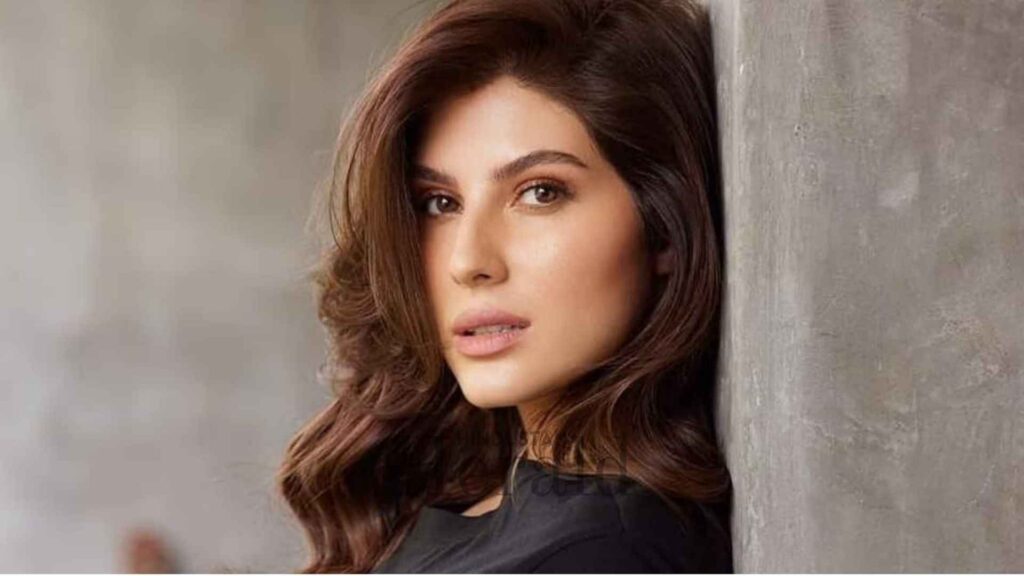
This distinction matters deeply in Iran’s case. Critics of the regime are often accused of attacking religion itself. By separating belief from political control, Norouzi is trying to make space for reform without insulting faith.
It is also a message that resonates in India, where debates around religion and state power are emotionally charged.
She is careful about one thing. Her criticism is directed at leadership and policy, not at ordinary believers.
Standing In Munich With The Diaspora
On February 14, Norouzi stood among a sea of Iranian flags in Munich at a rally organized by Reza Pahlavi, the exiled crown prince. Organizers claimed around 250,000 attendees.
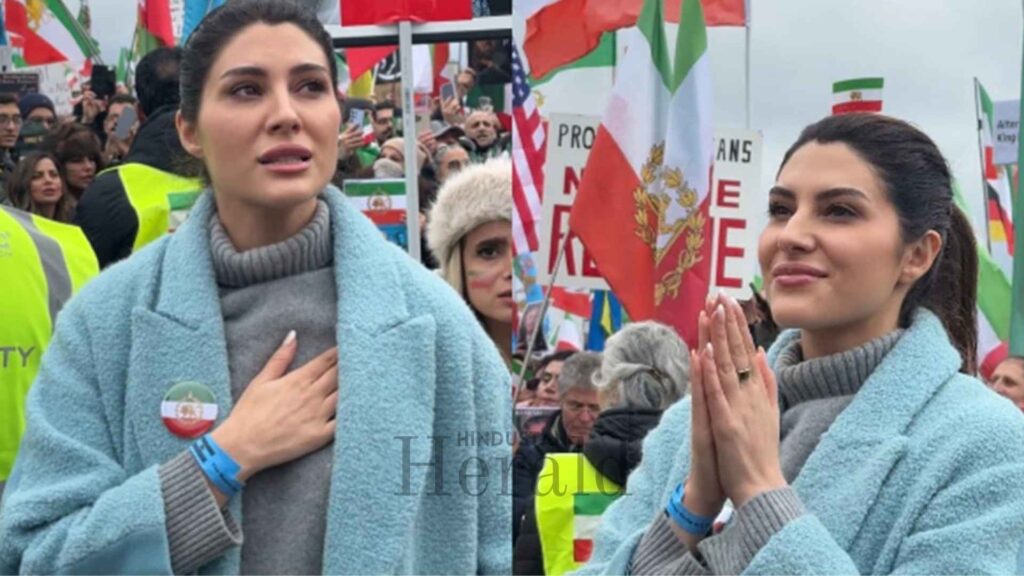
Whether that number is exact or not, the images were striking. Thousands gathered in a European city to demand change in a country thousands of kilometers away.
Norouzi called it a different kind of Valentine’s Day. Love for freedom. Love for those protesting inside Iran despite the risks.
The Iranian diaspora is not united in its vision for the future. Some support the monarchy. Others want a secular republic. Some argue for gradual reform. Others want a complete reset.
Norouzi’s message is simpler. She wants what she calls an end to the “weaponization of religion.” What system replaces it is a conversation that has not fully taken shape yet.
Emotion, Anger, Hope
Sunday’s posts were not polished political statements. They felt like something written in the heat of the moment.
For many Iranians, the idea of Khamenei’s death represents more than the passing of an elderly leader. It represents the possible closing of a chapter that defined their entire lives. For some, it brings hope. For others, uncertainty.
Critics will say that celebrating before confirmation is irresponsible. Supporters will say decades of frustration cannot always wait for official press releases.
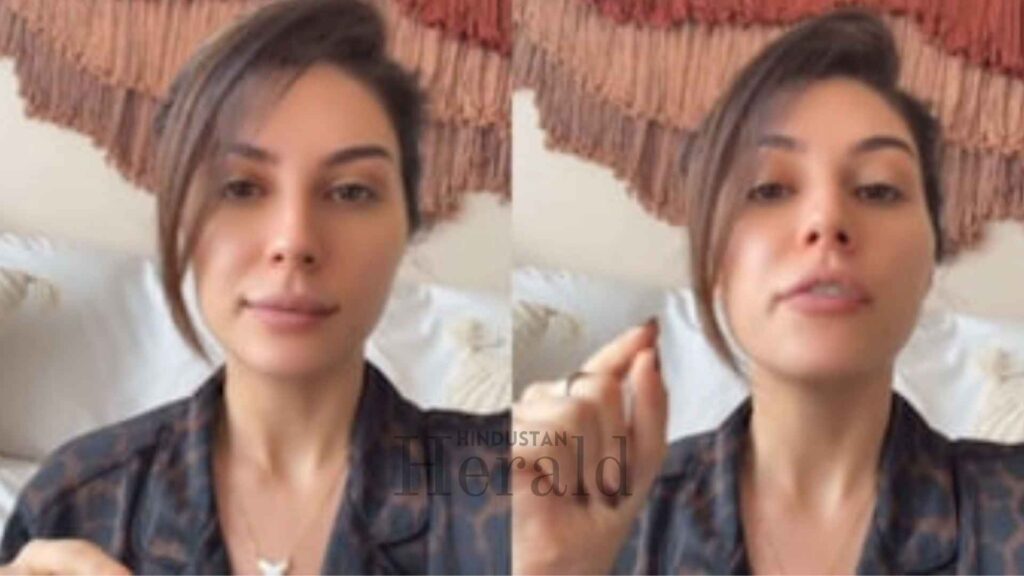
Norouzi’s later appeal about civilian safety complicates the picture. She is not calling for chaos. She is calling for accountability without bloodshed.
That balance is hard to strike in times like this.
The Waiting Game
Right now, the world is waiting. Governments are waiting. Journalists are waiting. Ordinary people are refreshing their feeds.
If the reports turn out to be false, this day will become an example of how quickly emotions can run ahead of verified information.
If they are true, March 1 may be remembered as a turning point in Middle Eastern politics.
Either way, Norouzi’s reaction shows how public figures today are not distant observers. They are participants in the narrative. Their words travel instantly across borders.
For Indians watching from afar, this may seem like a distant drama. But energy prices, diplomatic alignments, and regional stability are all connected to what happens in Tehran.
In uncertain times, people reveal what they have carried quietly for years. On Sunday, Elnaaz Norouzi revealed anger, hope, fear, and relief in equal measure.
The facts are still unfolding.
The emotions are already here.
Stay ahead with Hindustan Herald — bringing you trusted news, sharp analysis, and stories that matter across Politics, Business, Technology, Sports, Entertainment, Lifestyle, and more.
Connect with us on Facebook, Instagram, X (Twitter), LinkedIn, YouTube, and join our Telegram community @hindustanherald for real-time updates.

Covers films, television, streaming, and celebrity culture with a focus on storytelling trends.
- Ayesha Khan

- Ayesha Khan
- Ayesha Khan
- Ayesha Khan




 Prakash Nair and Ayesha Khan