
 By Ananya Sharma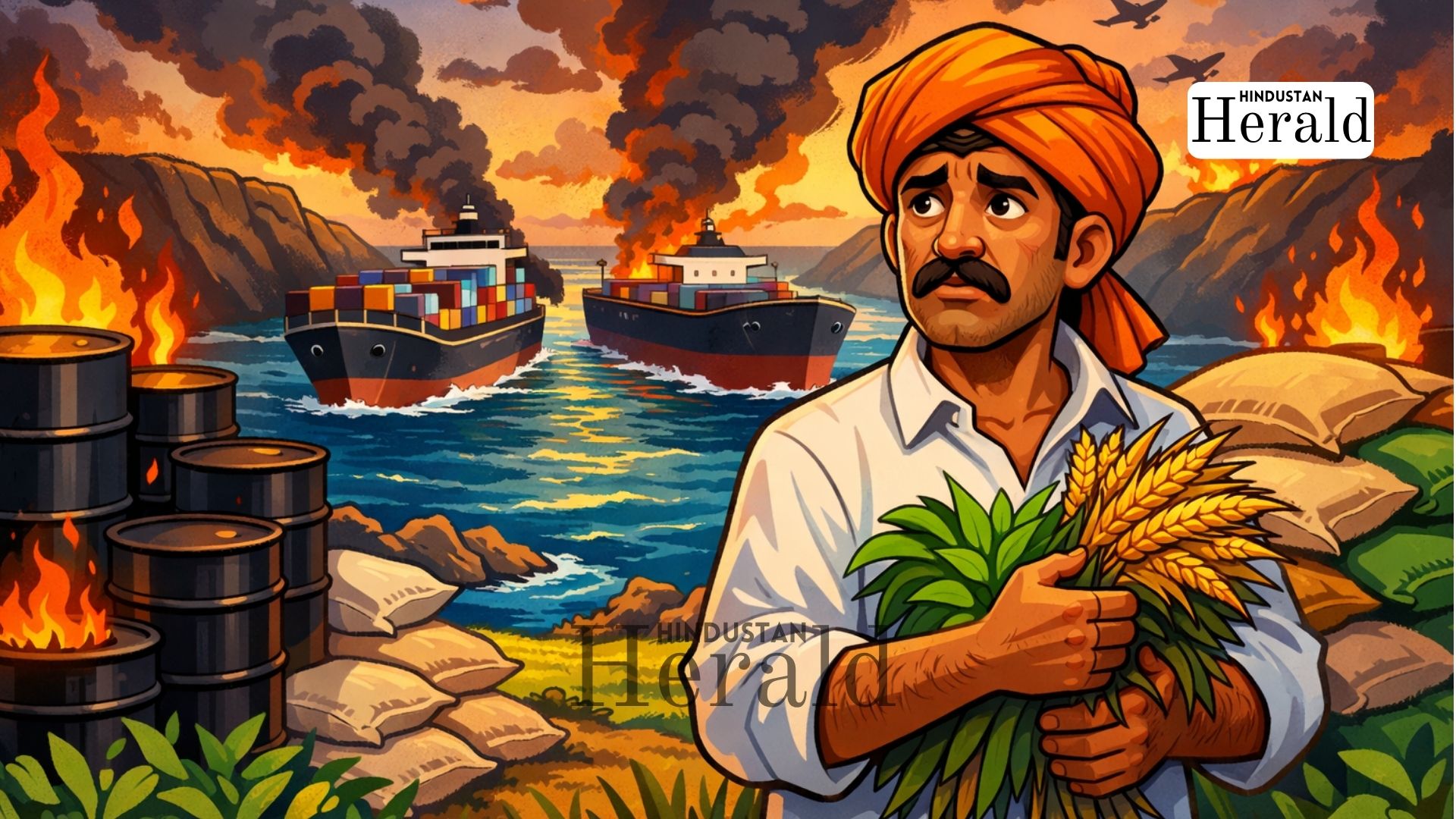
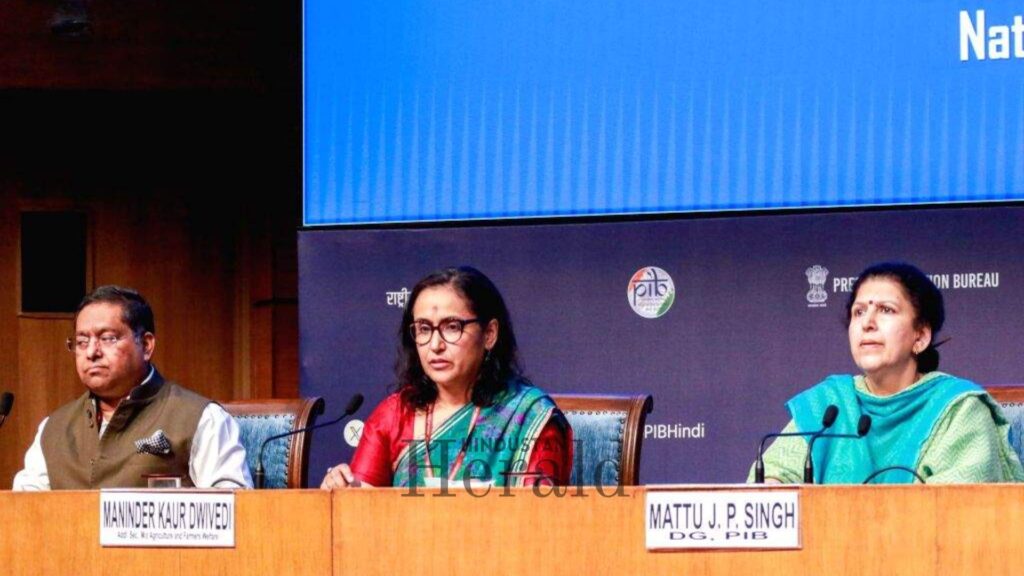
New Delhi, April 1: Wednesday’s press briefing at the Ministry of Agriculture and Farmers Welfare was, by government standards, unusually candid. Senior officials did not wait for panic to set in. They got ahead of it.
With the West Asia conflict grinding into its second month and global supply chains showing visible cracks, the ministry called an inter-ministerial review and put its numbers on the table. The message, delivered by Additional Secretary Maninder Kaur Dwivedi, was firm: Indian agriculture is not in danger. The seeds are there, the fertilizers are largely in place, and prices at the wholesale level are holding steady. India, she said, had done its homework.
Whether that homework is enough is where things get complicated.
The Numbers the Government Is Banking On
Start with seeds, because that is where the ministry started.
India’s requirement for the Kharif 2026 season is estimated at 166.46 lakh quintals. What is currently sitting in the system: 185.74 lakh quintals. That is a surplus of over 19 lakh quintals, and it covers all major crops including paddy, soybean, groundnut, maize, and pulses. Not bad, by any measure.
Pesticides are similarly well-stocked for now. Over 2.5 lakh MT of pesticides are available, comfortably above what the season requires. States have been asked to push bio-pesticides and sustainable alternatives as an added layer of security.
Fertilizers are where the picture gets a bit more layered. The total requirement for Kharif crops is 390.52 LMT. Of that, roughly 180 LMT, about 46 percent, is already available as opening stock. The ministry considers that adequate for the early part of the season. The question, which officials did not dwell on for very long, is what happens in the later months if global supply routes remain disrupted.
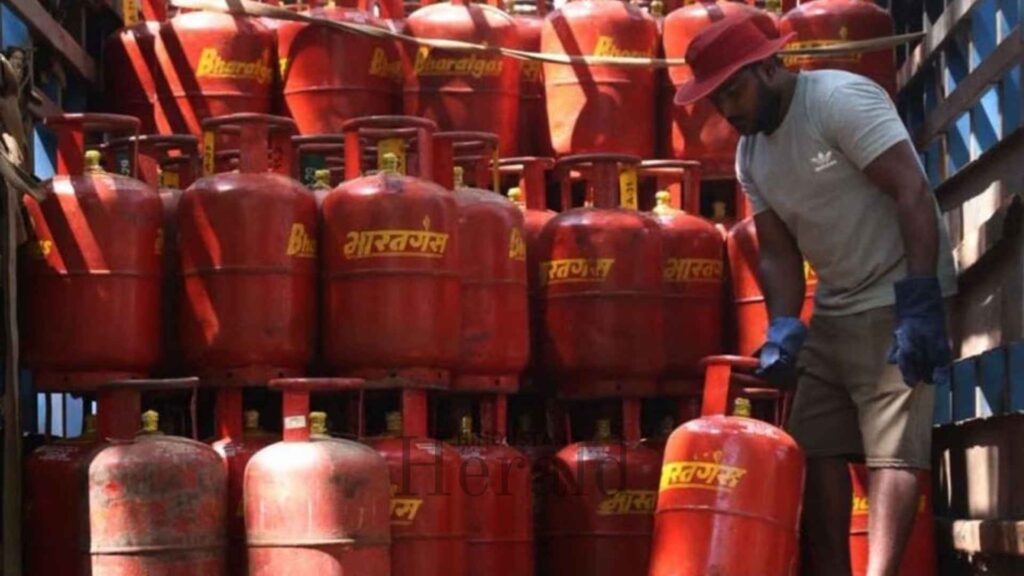
There was one small, honest moment in the briefing. Dwivedi acknowledged that LPG availability to dry hybrid maize seeds had been a problem over the past month. It has since been resolved through direct coordination with the Ministry of Petroleum. A minor issue, as she put it. But it was also a glimpse of how quickly the conflict’s ripple effects are reaching into the fine details of Indian farming.
What Is Actually Happening Out There

The war that prompted all of this did not begin with a slow build. On February 28, 2026, the US and Israel launched surprise airstrikes across Iran, killing Supreme Leader Ali Khamenei and several senior officials. Iran hit back with missiles and drones targeting Israel, American bases, and allied states across the region.
An IRGC official made it plain that no ship would pass through the Strait of Hormuz without consequences, and that no oil would leave the area. That one statement effectively put a chokehold on the single most important energy corridor on the planet.
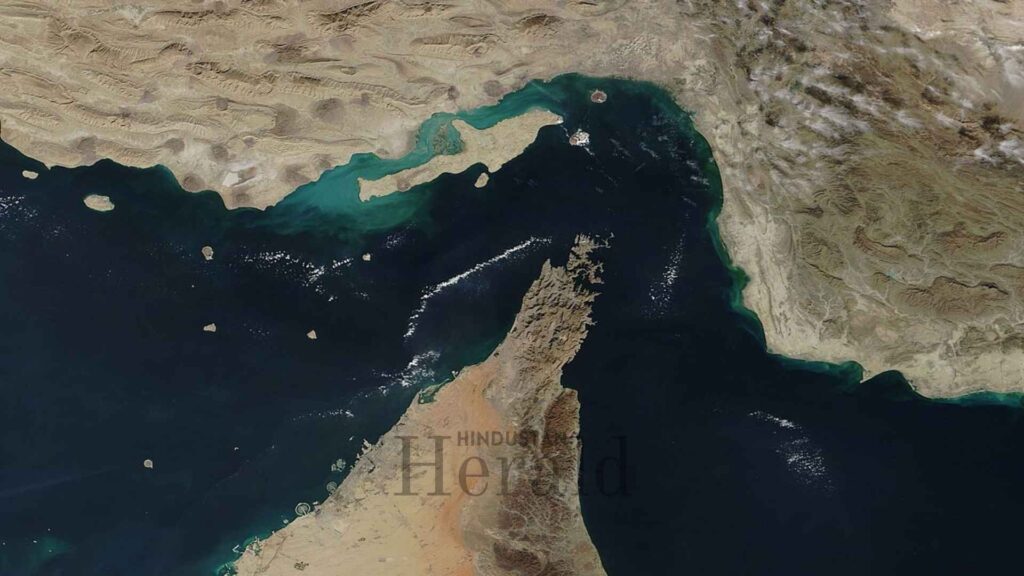
India felt it immediately. Brent crude jumped from $80 to $120 per barrel between March 2 and March 9. Cooking fuel costs climbed 7 percent for households. And roughly 90 percent of India’s LPG imports travel through the Strait of Hormuz.
The LPG problem with hybrid maize drying that the ministry mentioned? That is not a coincidence. It is a direct downstream consequence of that blockade.
The Fertilizer Exposure Nobody Likes to Say Out Loud
Here is what the ministry’s confident numbers do not fully address: India does not make its own fertilizers in isolation. It imports critical raw materials, including rock phosphate, ammonia, sulphur, and LNG, from the very region now under fire. Those materials move through the very corridor that has been threatened with a blockade.
The Persian Gulf is a key hub for global fertilizer production because natural gas is the primary input for urea, the world’s most widely used nitrogen fertilizer. India is among the world’s biggest consumers of that fertilizer.
As of late February 2026, India had roughly 5.5 million tonnes of urea in stock. That is a solid buffer while the Rabi season winds down and before Kharif sowing kicks in around June. But if the blockade outlasts that window, the government would be forced to make hard choices about where domestic natural gas gets directed first.
Global fertilizer prices have already started climbing. Urea and natural gas prices are rising across Asian markets. Experts are warning that if costs keep going up and availability tightens, farmers may start cutting down on fertilizer use, which would eventually show up in yields.
That is the scenario the briefing did not spend much time on.
State Markets Are Already Nervous
Ground reports from Madhya Pradesh and other agricultural states are picking up something the wholesale price indices do not fully capture yet: local markets are spooked. Prices for DAP and select pesticides are creeping up, not because supplies have actually run out, but because traders are speculating on what might happen next. In commodity markets, fear of scarcity tends to behave a lot like actual scarcity.
CropLife India, the body that represents pesticide manufacturers, has already put out a warning that input costs for the crop protection industry could rise between 20 and 25 percent because of supply chain disruption and fuel price surges. That kind of cost jump does not stay in the factory. It walks straight into the farm.
The Basmati Problem
Set aside inputs for a moment and look at the export side, because that is where some Indian farmers are already taking a hit right now.
Iranian buyers had placed big orders for Indian basmati rice in the weeks leading up to the conflict. That demand pushed domestic basmati prices up by around Rs 10 per kilogram. Iran alone accounts for roughly 25 percent of India’s basmati exports. Iraq adds another 20 percent. Together, those two countries represent over 2 million tonnes of basmati, worth more than $2 billion.
That trade is now stalled.
According to the Global Trade Research Initiative, close to USD 11.8 billion worth of Indian food and farm exports to West Asia are currently at risk. More than 3,000 shipping containers are stuck at ports like Kandla and Mundra, or stranded somewhere in transit.
Exports of bananas, rice, and other produce to Gulf countries have been dramatically cut. Farmers who planned their season around export demand are now watching that produce come flooding back into domestic markets, where it is selling at lower prices.
That is real money out of real farmers’ pockets, and no inter-ministerial briefing changes that.
The Larger Economy Is Also Under Stress
Agriculture does not sit in a sealed box. It is connected to fuel, freight, storage, transport, and everything else that a surging oil price touches.
India’s crude basket has gone from under $80 to roughly $140 per barrel. Analysts at Anand Rathi International Ventures have been blunt about what that means for the current account deficit.
The Finance Ministry’s own economic review has flagged that a 10 percent rise in crude above baseline assumptions could push inflation up by around 30 basis points. Consumer price inflation was already at 2.75 percent in January. Add sustained energy price pressure, and that number starts moving in an uncomfortable direction.
Farmers irrigating their fields, running cold storage, or getting their produce to a mandi are all quietly paying a higher energy bill right now, even if the wholesale price of tomatoes has not moved yet.
So Where Does This Leave Things
The government is not wrong about its buffers. India genuinely enters this crisis in a stronger position than most agricultural economies. A bumper Rabi harvest is in the books. Seed stocks are solid. The early Kharif season should be manageable.
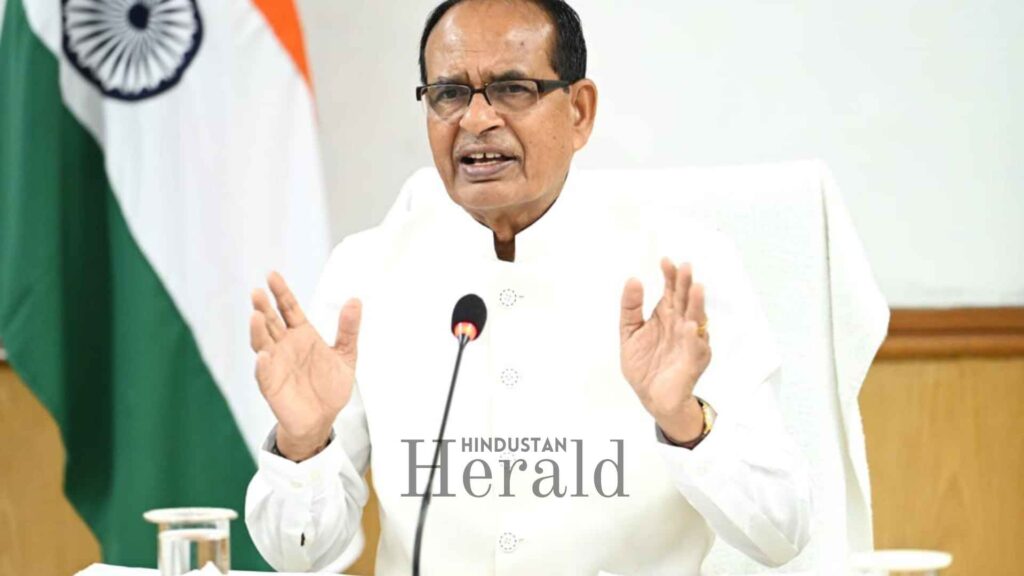
Agriculture Minister Shivraj Singh Chouhan has directed officials to ensure fertilizer supply remains equitable and uninterrupted across states. The government is also working to expand domestic production capacity and diversify import sources away from the Gulf.
That is the right set of moves. But the comfort zone has an expiry date.
Analysts are largely in agreement that current stocks will hold for the near term. The real question is what happens if the conflict drags beyond the next few weeks. The Kharif crop is in the ground by June and needs inputs through to harvest in September and October. That five-month window is when India’s import dependency becomes most exposed.
The ministry’s briefing on Wednesday was necessary, and the data it presented was real. But a press briefing, however well-prepared, cannot fully seal the gap between what is stocked in Indian warehouses today and what will need to move through the Strait of Hormuz in the months ahead.
That gap is where the actual risk lives. And right now, the Strait is not open for business.
Stay ahead with Hindustan Herald — bringing you trusted news, sharp analysis, and stories that matter across Politics, Business, Technology, Sports, Entertainment, Lifestyle, and more.
Connect with us on Facebook, Instagram, X (Twitter), LinkedIn, YouTube, and join our Telegram community @hindustanherald for real-time updates.

Covers Indian politics, governance, and policy developments with over a decade of experience in political reporting.
- Ananya Sharma

- Ananya Sharma
- Ananya Sharma
- Ananya Sharma




 Ayesha Khan and Ananya Sharma