
 By Sandeep Verma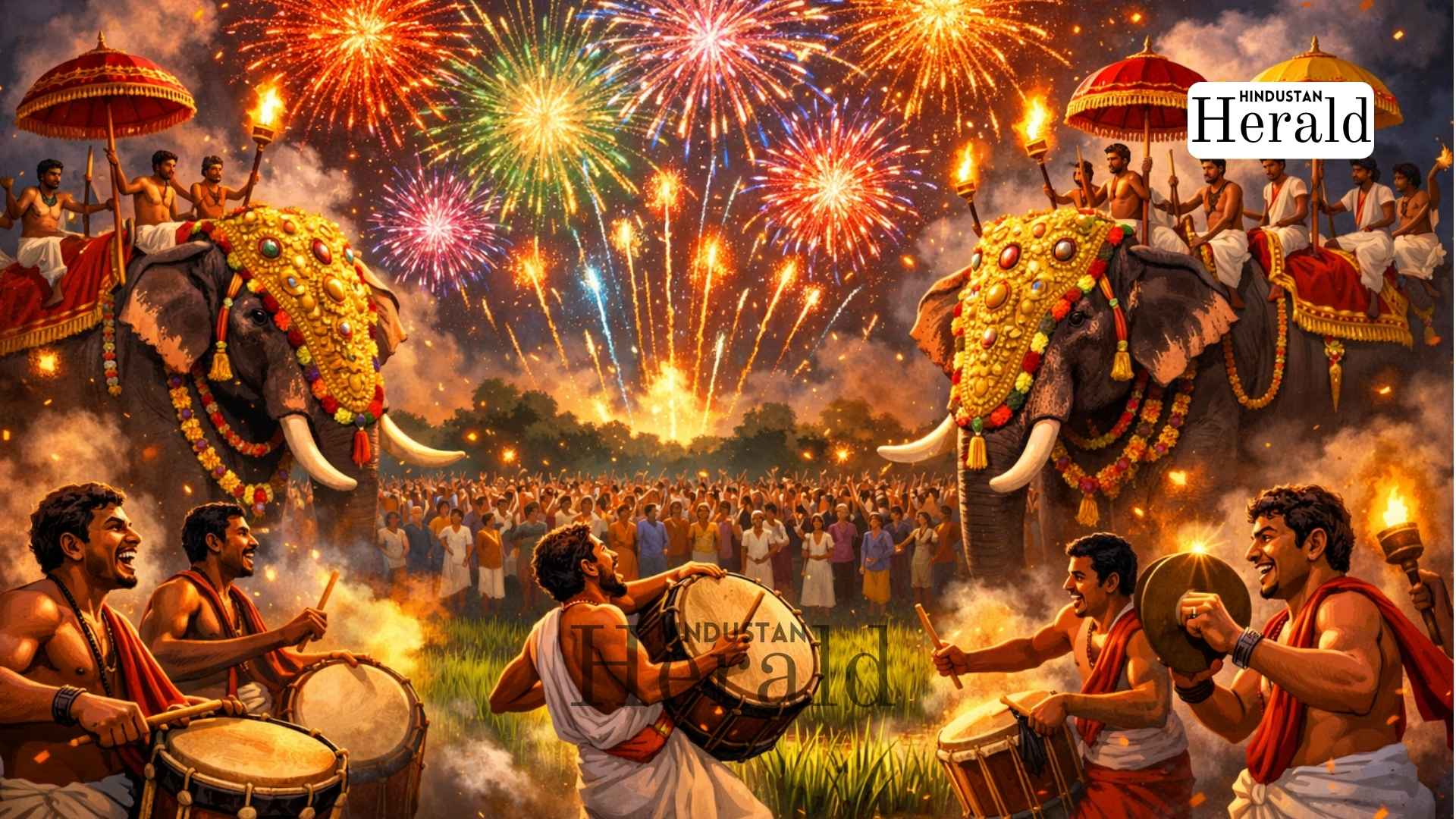
Palakkad, April 2: There is a paddy field in Palakkad that, once a year, becomes something else entirely. No crops. No quiet. Just fire in the sky, drums so loud you feel them in your chest, and somewhere north of a lakh people standing shoulder to shoulder in the dark, necks craned upward, watching two villages try to outdo each other in the most spectacular way anyone has figured out how to compete.
The Nenmara Vallanghy Vela happened again today. And once again, the Kerala Fireworks videos are everywhere.
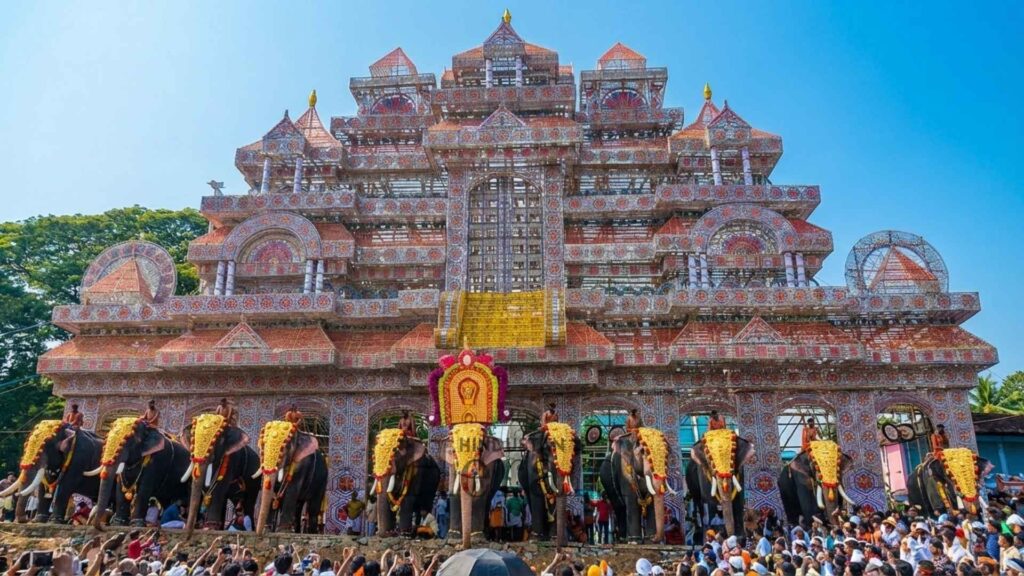
By mid-morning, clips from the festival were running wild on Instagram, X, and YouTube. The visuals do what they always do stop people mid-scroll. Caparisoned elephants moving through torchlight. The sky is cracking open in colour. Drumming that sounds less like music and more like weather. People who had never heard of Palakkad were sharing it with captions like “how did I not know this existed.”
That said, not every comment was a heart-eyes emoji. Mixed in with the admiration was something sharper. Questions about the smoke. About the noise. About what all of this actually costs, not in rupees, but in air quality and lungs and eardrums and, in the worst years, lives.
It is a conversation Kerala has been having with itself for a long time. The rest of the country is just catching up.
A Festival Built on Rivalry
The Nelmara Vallanghy Vela is not easy to explain to someone who has never been. It is 20 days long. It is built around a friendly competition between two villages, Nenmara and Vallanghy, both in Palakkad district, both devoted to the goddess Bhagavathi at the Sri Nellikulangara Bhagavathi Temple. The rivalry is old, and it is real, but it is the warm kind. Each village wants to outshine the other. Neither wants the other to fail.
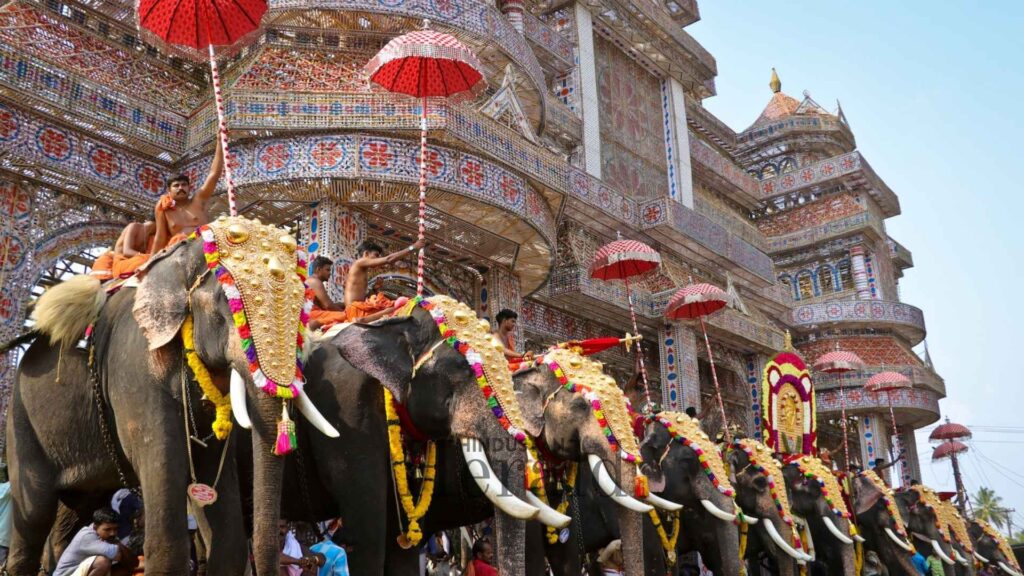
The festival falls on the 20th day of the Malayalam month Meenam, which puts it in the first days of April. This year, that meant today, April 3. The celebrations begin before sunrise, with rituals at both villages at 4 AM. Then the processions start. Decorated elephants with nettipattam golden ornaments on their foreheads. Coloured umbrellas. Traditional fans. The drumming ensembles playing Panchavadyam and Pandimelam with musicians who have been doing this their whole lives.
Folk performances like Kanyar Kali happen throughout the day. Ceremonial offerings Nelpara, Avilpara, Arippupara, each one symbolic of something different, prosperity or education or protection from harm, are made to the deity. The crowds build. The atmosphere builds. And then, when night falls, both villages bring out what they have really been preparing for.
The fireworks. The Kuttu.
By most accounts, this is the largest pyrotechnic display in Asia. That claim gets made a lot in Kerala, but at Nenmara, it is harder to argue with. Both villages push harder every year. The whole point is excess, escalation, one-upmanship executed through controlled explosions in the night sky. Spectators who have seen Thrissur Pooram, itself one of the most famous fireworks displays in the country, say Nenmara goes further. Over a lakh people watch it happen from those open fields, and the majority of them came specifically for this moment.
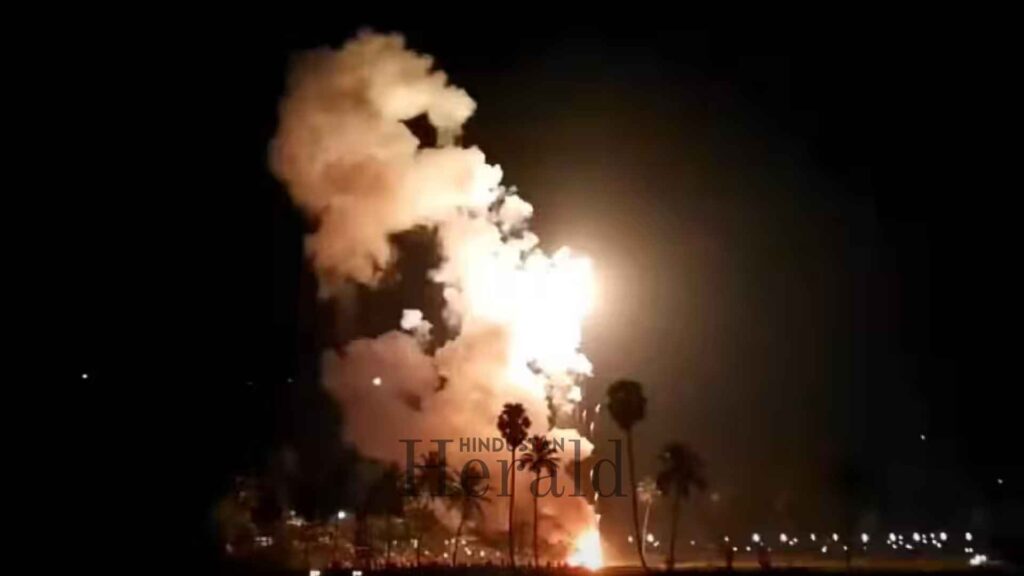
The videos from that moment are what the internet is sharing today.
What the Comment Sections Are Actually Saying
Here is the thing about viral festival videos. They reach people who were not there. People who did not feel the electricity of the crowd or hear the Panchavadyam from a hundred metres away. They see sixty seconds of a sky on fire, and they react from wherever they are sitting, which is usually somewhere very far from Palakkad.
Some of that reaction has been genuine wonder. Kerala residents, especially those from outside the state now living elsewhere, are sharing the clips with a particular kind of pride. This is ours. This is what we come from. That feeling is real, and it makes sense.
But the backlash is real, too. Comments pointing out the chemical smoke hanging over the fields after the display. Questions about what happens to the air quality in the surrounding area when that much pyrotechnic material goes off in one place. Concerns about noise affecting children, the elderly, and animals. And then, not far beneath the surface, the harder question: what happens when something goes wrong?
Kerala has answered that question more than once, and the answers have not been easy.
The Part Nobody Posts About
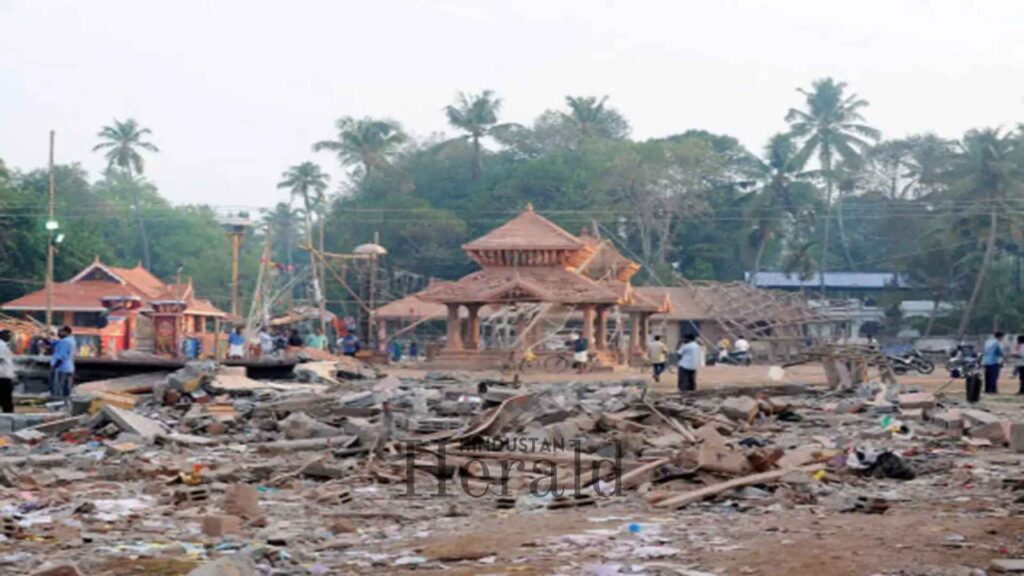
In April 2016, a fireworks display at Puttingal Devi Temple in Paravur, Kollam, turned into a disaster that the state is still processing. The explosion killed nearly 111 people and injured over 400. The fire burned for hours. It is one of the deadliest fireworks accidents anywhere in the world, and it happened at a temple festival not entirely unlike the ones generating viral appreciation today.
In October 2024, a storage shed at Anjootambalam Veerakavu Temple near Neeleswaram in Kasaragod caught fire during the Kaliyattam festival. A hundred and fifty-four people were injured. Eight of them had burns covering more than 80 per cent of their bodies. The shed that exploded was sitting less than 100 metres from where the fireworks were being set off a violation of the mandatory safety distance. No permission had been obtained. A Special Investigation Team was formed. Cases were registered under the Explosive Substance Act. Four people were taken into custody.
In February 2024, two people died, and four were injured when a storage shed at a temple festival in Choorakkad, Tripunithura, caught fire. More than 30 homes in the area were damaged.
These are not fringe incidents. They are a pattern. Firecrackers were stored too close to the display. No permissions. Safety checks skipped. And then, after the explosion, the same response: arrests, inquiries, SIT formations, reports that sit in files and gather dust.
A panel headed by Justice P S Gopinathan that probed the 2016 Puttingal disaster submitted its recommendations in 2019. According to reporting by the Wire, those recommendations have largely been gathering dust since.
The Ministers, the Court, and the Circular Argument
The politics of this issue are as tangled as the wiring at any large-scale festival.
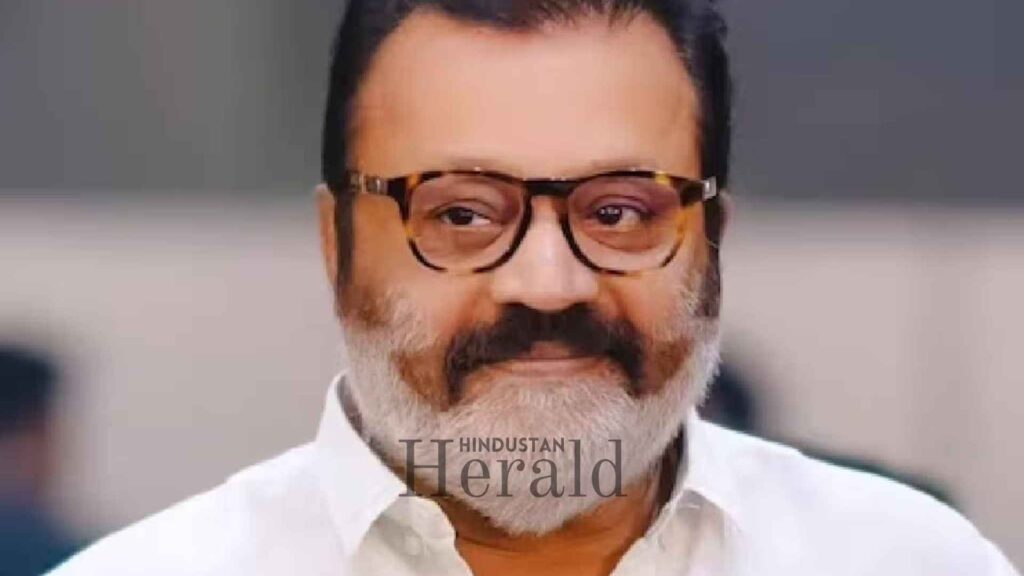
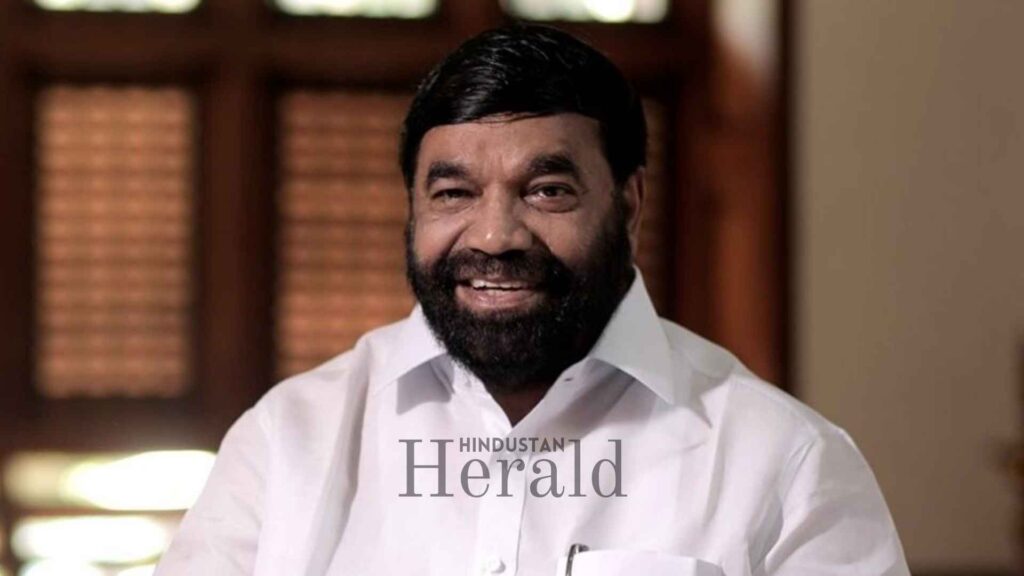
In October 2024, Kerala’s Revenue Minister K. Rajan said publicly that new central government safety guidelines for pyrotechnics would make the Thrissur Pooram fireworks difficult to conduct. The regulations, which specify minimum distances between storage areas, display zones, and public facilities like schools and hospitals, were called difficult to implement given the spatial constraints of the Pooram venue. Devaswom Minister V. N. Vasawan went further, writing to the Centre calling the rules irrational and asking for modifications.
Five days later, Neeleswaram happened.
Courts have not offered much more comfort to those pushing for reform. The Supreme Court turned down multiple petitions seeking bans or noise limits on festival fireworks, with the bench in 2015 declining to act because a ban could infringe on religious rights. Former Chief Minister Oommen Chandy was direct about where the government stood: a ban, he said, was simply not possible in a state where fireworks had become inseparable from tradition.
That position is understandable. It is also increasingly difficult to defend in full.
The Money, the Pride, and Why This Does Not Go Away
Each side at a major Kerala vela festival spends roughly Rs 3 crore combined on fireworks in a single year. At Nenmara, the expenditure runs in a comparable range, with contributions coming from thousands of households across both villages. This is not a corporate event. It is community money, given by people who have been doing this for generations, who grew up watching this, whose parents grew up watching this.
That changes the nature of any reform conversation. You are not talking to a promoter or a sponsor. You are talking to a village. You are telling people that something central to how they mark the year, how they honour their goddess, how they compete and celebrate and gather together, that thing needs to change. The resistance to that is not irrational. It comes from somewhere genuine.
Still. The smoke is also genuine. The injuries are genuine. The bodies are genuine.
As it turns out, Nenmara Vallanghy Vela has been growing steadily since the 1980s, each year larger than the last. What began as a harvest celebration for two villages in the valley of Nelliyampathi hills has become an event that draws people from across Kerala and beyond. That scale brings its own pressures more fireworks, more crowds, more complexity, more risk.
The Question the Viral Clips Do Not Answer
The people watching those clips today will probably not think about any of this. They will share, they will comment, and they will maybe look up where Palakkad is. Some of them will add it to a travel list. A few of them, the ones who go looking a little deeper, will find the other stories alongside it the ones about smoke and injuries and recommendations that never became policy.
Kerala’s festival fireworks culture is genuinely extraordinary. The tradition is old, the artistry is real, and the community feeling that sustains it is not something that can be legislated away without consequence. That is worth acknowledging.
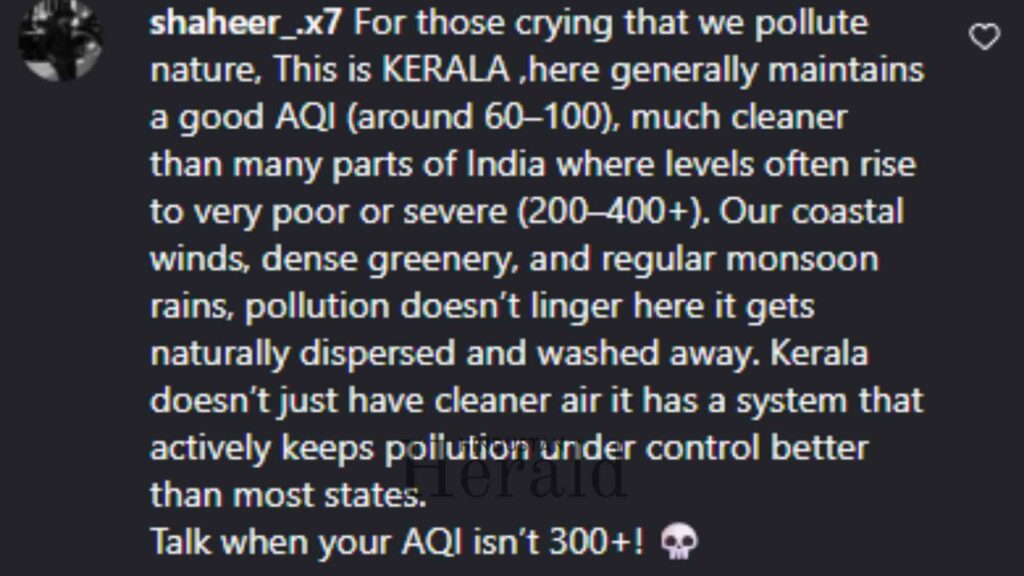
What is also worth acknowledging is that the state has been circling the same regulatory failures for decades. Safety distances ignored. Permissions skipped. Rules that exist on paper and nowhere else. And a political class that has found it easier, every single time, to call the rules irrational rather than enforce them.
The festival today ends when the last cracker goes off, and the smoke clears from the Palakkad sky. The debate does not end with it. It is still going in comment sections, in hospital wards, in High Court filings, and in the offices of ministers who have to decide, eventually, whether tradition and accountability are really as incompatible as they keep insisting.
For now, Nenmara lit up the sky. And somewhere in those paddy fields, a lakh people looked up and felt something real.
The argument about what comes after that is just getting started.
Stay ahead with Hindustan Herald — bringing you trusted news, sharp analysis, and stories that matter across Politics, Business, Technology, Sports, Entertainment, Lifestyle, and more.
Connect with us on Facebook, Instagram, X (Twitter), LinkedIn, YouTube, and join our Telegram community @hindustanherald for real-time updates.
Regional journalist bringing grassroots perspectives and stories from towns and cities across India.
- Sandeep Verma

- Sandeep Verma
- Sandeep Verma
- Sandeep Verma



 Arun Upadhayay
  Ananya Sharma
  Ayesha Khan and Ananya Sharma