
 By Ananya Sharma
Kolkata, May 21: A song written in Bengal, about Bengal, by a Bengali, has just been made compulsory in every madrasa in Bengal. And the man who ordered it has been in power for less than two weeks.
That is where West Bengal finds itself this Wednesday morning.
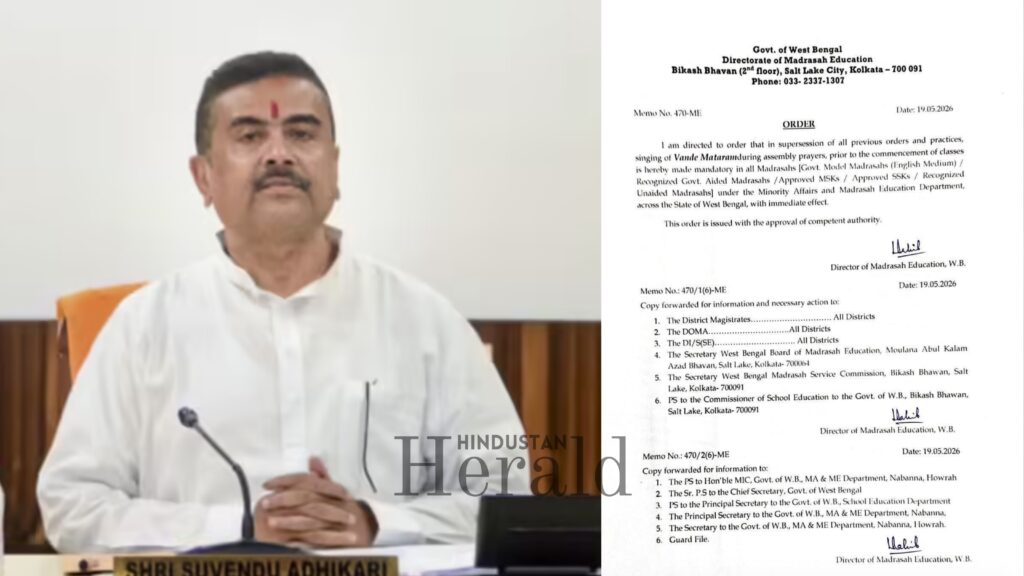
In the space of six days, the state’s brand new BJP government walked into office and told every single school, and now every single madrasa, that mornings are going to sound different from here on. Vande Mataram. Before class. Every day. No exceptions.
The madrasa order came out on May 19. Signed, official, immediate. A week before that, on May 13, the same thing had been ordered for all government and government-aided schools. Chief Minister Suvendu Adhikari, still in the first days of running a state he spent years fighting to win, put the school order up on his social media the very next evening. Five days later, madrasas got the same treatment.
Six days. Two orders. Every publicly funded classroom in West Bengal, now under the same rule.
That is not small. That is a government telling you, very clearly, what kind of statement it wants to make first.
This Song Has History Here
Before getting into the politics of it, it helps to understand what Vande Mataram actually is and why Bengal is not a random place for this fight.
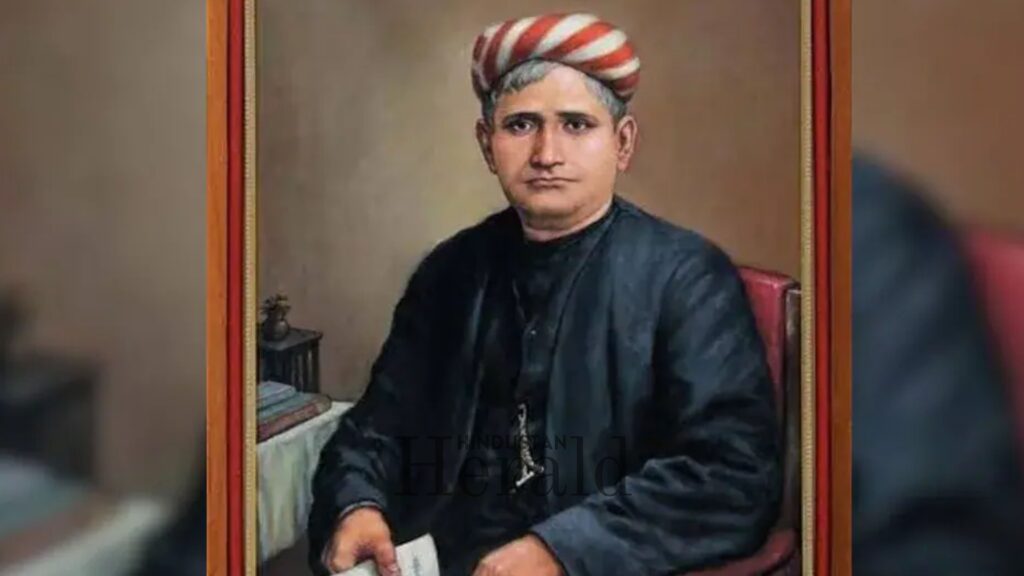
Bankim Chandra Chattopadhyay wrote it. Right here in Bengal. Published it in 1882 inside a Bengali novel called Anandamath. The song went on to become one of the loudest voices of the freedom movement against British rule. People marched with it. People died with it on their lips. After independence, it became India’s national song, sitting just below the national anthem in terms of official status but carrying enormous emotional weight for a large section of the country.

So when Suvendu Adhikari’s government says Vande Mataram must be sung in Bengal’s classrooms, it is not importing something foreign. It is, in a sense, bringing something home. That is exactly the kind of symbolism a new government reaches for when it wants to build a narrative fast.
Still, symbolism cuts both ways. And the madrasa part of this order is where things get genuinely complicated.
Why Madrasas, and Why Does It Matter
Khudiram Tudu, the minister handling both Minority Affairs and Madrasah Education in the new cabinet, came out publicly on May 20 to explain the decision. His argument was simple, and worth understanding directly: there are schools in West Bengal where children are taught in the Santali language, and Vande Mataram is compulsory there too. So why should madrasas be any different?
It is a clever line. It shifts the conversation away from religion entirely and puts it on the ground of fairness. Same rule, everyone. No special treatment either way.
Whether you buy that or not probably depends on where you are standing. A madrasa is not quite the same as a Santali-medium school. It is a religious institution. The families who send their children there are, overwhelmingly, Muslim families who have chosen a particular kind of education for their kids. Telling those institutions they must now open every morning with a song that carries unmistakable Hindu devotional origins, Vande Mataram literally translates to “I bow to thee, Mother,” and the mother in question is Bharat Mata, the goddess-nation, is not a neutral administrative act. It lands differently.
That said, the government is not wrong that the legal basis for treating madrasas as a special exempted category is not obvious either. The national song is not the national anthem. Nobody is legally required to sing it anywhere, strictly speaking. But the government funds these institutions. And governments that fund institutions generally get to set the rules for how those institutions operate. That argument will likely be tested in court at some point.
What the Order Actually Says
The language in the official directive is worth paying attention to because governments choose their words carefully in these documents.
It says the order is issued “in supersession of all previous orders and practices.” That phrase is doing real work. It is not saying, add this to whatever you were doing before. It is saying, whatever you were doing before, stop. This replaces it.
It covers every category of madrasa the state recognises: Government Model Madrasas, Recognised Government-Aided Madrasas, Approved MSKs, Approved SSKs, and Recognised Unaided Madrasas. In other words, even madrasas that do not take government money but are simply registered with the state fall under this order.
That last bit will likely be the most contested part if any legal challenge comes.
Bengal’s Mornings Just Got Busier
Here is something nobody in the government seems to have fully sorted out yet. West Bengal schools already sing Jana Gana Mana, the national anthem, written by Rabindranath Tagore, another Bengali giant. Many schools also sing Banglar Mati Banglar Jol, Tagore’s song that the state adopted as its own anthem. Now add Vande Mataram to that list.
Three songs. One morning assembly. Finite time before the first period begins.
Teachers’ unions have already started asking questions about how exactly this is supposed to work, how long it all takes, which song goes first, what happens if there is not enough time. As reported by Rozana Spokesman, some groups have formally sought clarity on the sequencing. The government has not publicly answered that yet.
It sounds like a small operational problem. It is not. If the morning assembly becomes chaotic or resentful, the political message the government is trying to send gets muddied fast.
The BJP’s Long Game in Bengal
None of this is happening in a vacuum. The BJP spent years, and enormous political energy, trying to crack West Bengal. They finally did it. Suvendu Adhikari is now the Chief Minister of a state that Mamata Banerjee ran for over a decade.
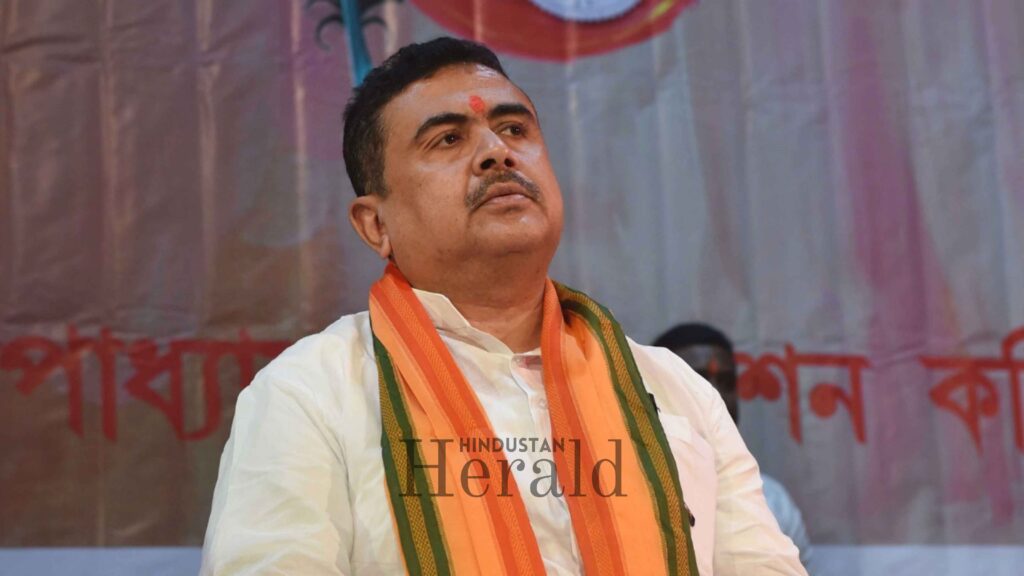
One of the loudest complaints the BJP made during those opposition years was that the TMC government played favourites. That certain communities got a softer touch. That there were, effectively, two sets of rules operating in Bengal depending on who you were.
These education orders are, at least in part, a direct response to that political narrative. The message is: under us, one rule for everyone. You can agree or disagree with that. But that is clearly the message being sent.
Nationalist organisations have been enthusiastic. The Vishva Hindu Parishad called the school order “a step deeply connected to the very soul of India,” as reported by Organiser. The madrasa extension will draw the same response from the same quarters.
From the other side, serious pushback has not yet materialised publicly. No madrasa association has put out a statement opposing the order, at least not one that has surfaced in the days since it came out. Whether that reflects genuine acceptance, a wait-and-see approach, or something being organised behind closed doors is not yet clear.
Bengal Is Not Alone in This
West Bengal is doing something that fits a wider pattern. In November last year, Uttar Pradesh Chief Minister Yogi Adityanath stood up at an Ekta Yatra event in Gorakhpur and declared that Vande Mataram would be made compulsory in every school and educational institution in UP. According to PTI, he framed it as a matter of national pride and reverence for the motherland.
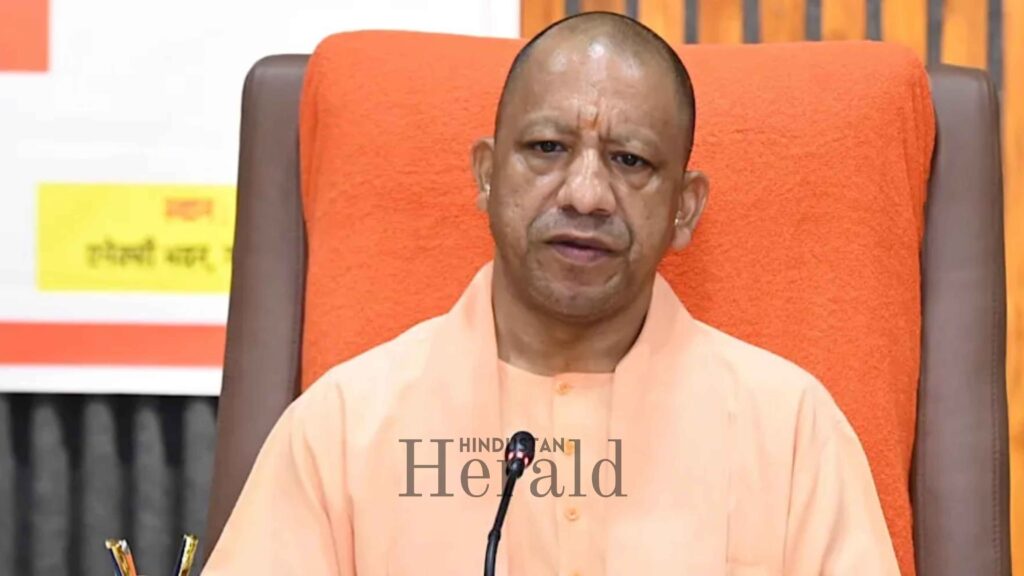
That announcement and the Bengal orders are different in their specifics but similar in their instinct. BJP-governed states are systematically pushing the national song into institutional daily life. Bengal’s move is arguably the most significant of these because of the state’s demographic complexity, its history of communal tension, and the sheer symbolic weight that Bengal carries in India’s national imagination.
What Nobody Can Predict Yet
Here is the honest truth about where things stand. The orders are out. The minister has defended them. The Chief Minister has put his name behind the school version publicly. And right now, the real story, the one that actually matters, has not happened yet.
That story is what happens in the classrooms themselves. Whether a madrasa teacher in Murshidabad or North 24 Parganas stands in front of students on a Monday morning and leads them through Vande Mataram without incident. Whether parents raise objections quietly or loudly. Whether compliance is genuine or performed. Whether some institutions simply do not follow the order and nothing happens, or whether the government actually pursues enforcement.
These orders from governments are sometimes the beginning of change and sometimes just paper. Which one this turns out to be depends on things no notification can control.
What is certain is that Suvendu Adhikari’s government has, in its very first days, chosen education as the terrain on which it wants to make its opening statement. And it has made that statement loudly, on the one issue that combines national identity, religious symbolism, and minority rights all in one song.
West Bengal’s mornings will sound different now. Whether that difference becomes something the whole state makes peace with, or something it keeps arguing about for years, is a question that is very much still open.
Stay ahead with Hindustan Herald — bringing you trusted news, sharp analysis, and stories that matter across Politics, Business, Technology, Sports, Entertainment, Lifestyle, and more.
Connect with us on Facebook, Instagram, X (Twitter), LinkedIn, YouTube, and join our Telegram community @hindustanherald for real-time updates.

Covers Indian politics, governance, and policy developments with over a decade of experience in political reporting.
- Ananya Sharma

- Ananya Sharma
- Ananya Sharma
- Ananya Sharma




 Sandeep Verma