
 By Ananya Sharma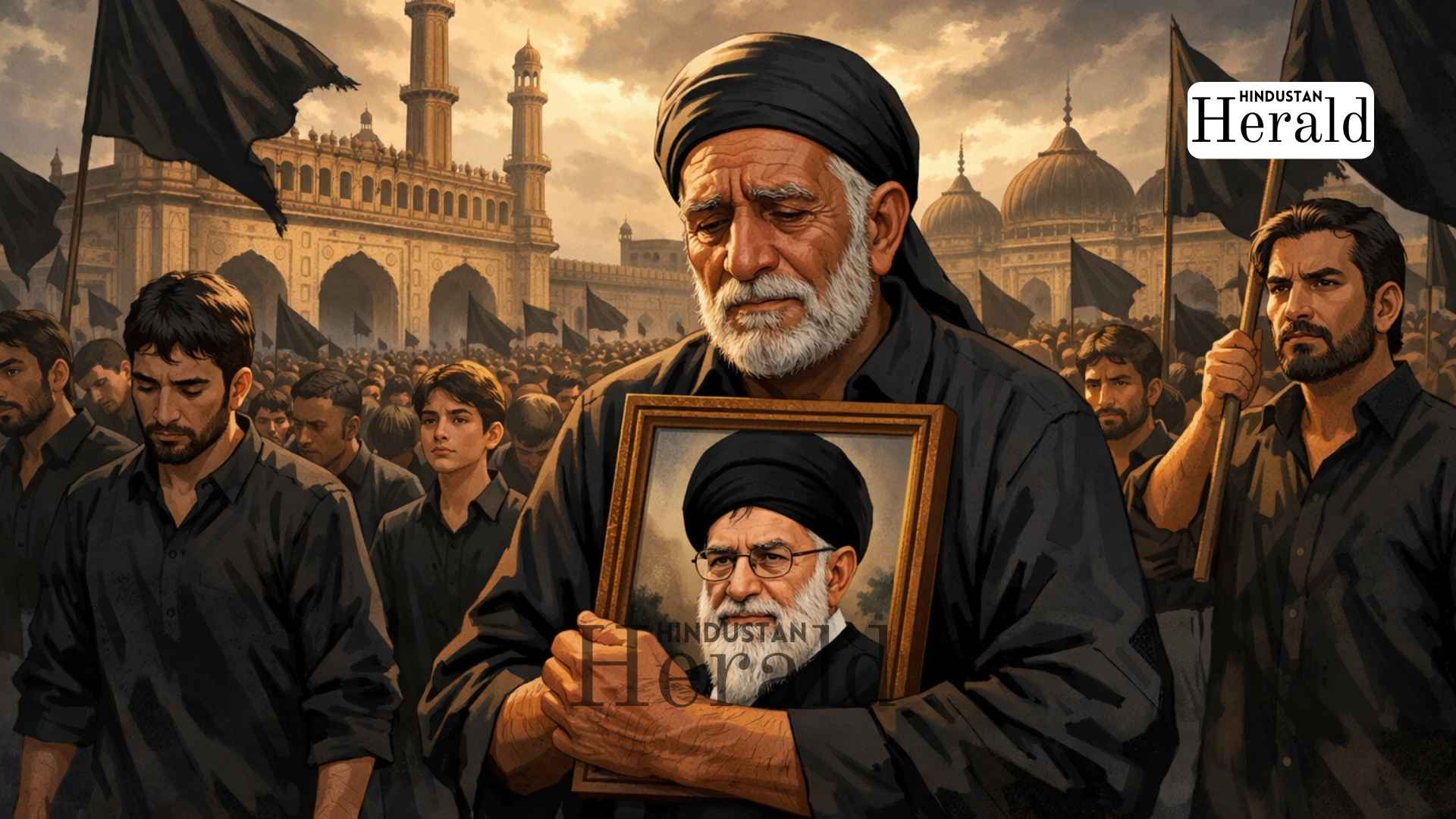
Lucknow, March 1: By mid-morning, it was impossible to talk about anything else in the old parts of Lucknow. At first, it sounded like one of those unverified forwards that flood phones every time there is trouble abroad. A strike. Tehran. Heavy damage. Then came the confirmation on television screens inside electronics shops. Then statements from Iran. Then the name that made people here fall silent.
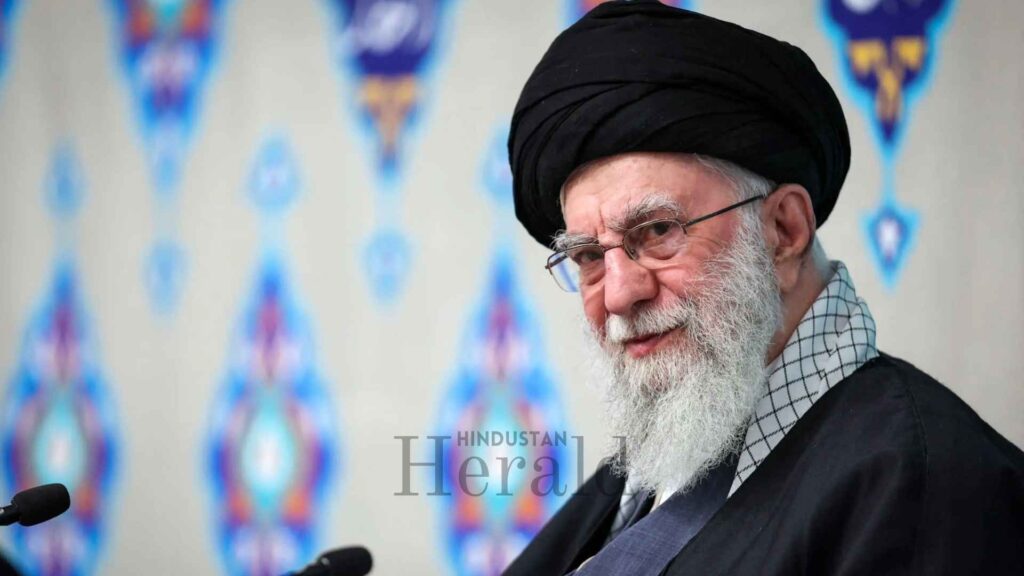
Ayatollah Ali Khamenei was dead.
In many cities, that news would stay confined to debate panels and foreign policy experts. In Lucknow, especially its Shia neighbourhoods, it did not feel distant. It felt close. Personal. Almost immediate.
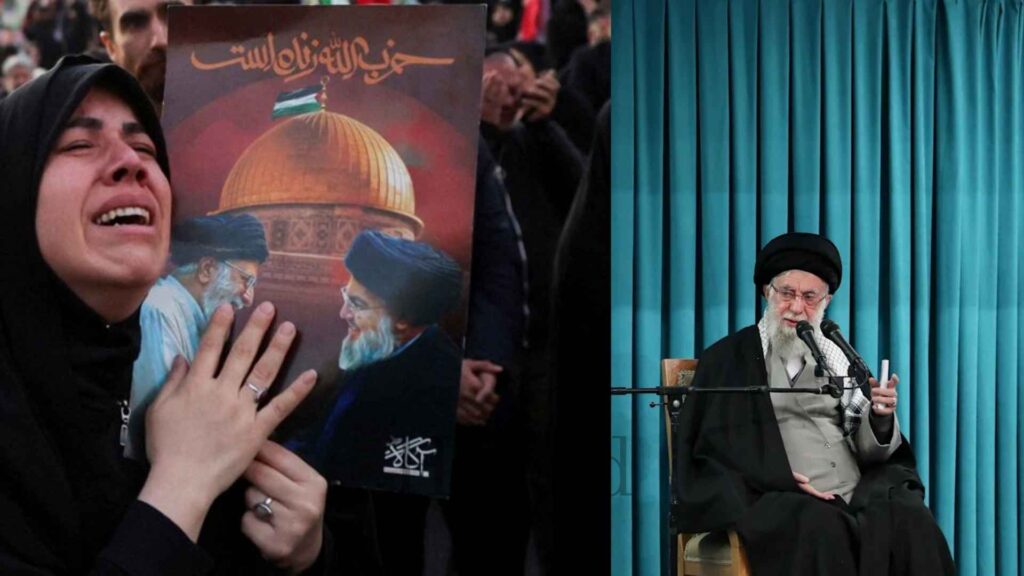
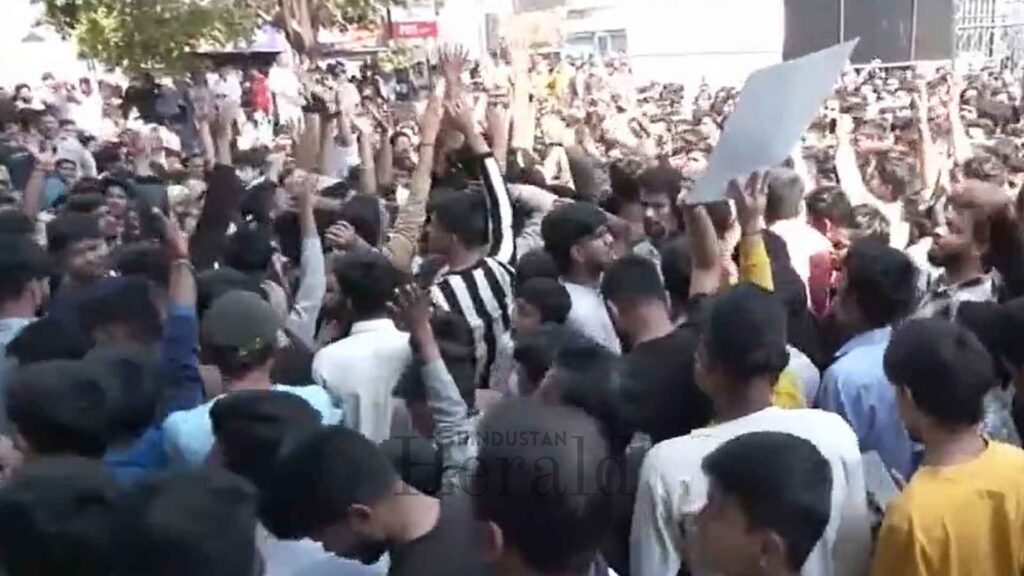
By noon, small clusters of men had gathered outside mosques and tea stalls in Chowk and Husainabad. Conversations were heated but not chaotic. Some were asking what exactly had happened. Others were already condemning the United States and Israel, blamed for the reported airstrikes.
And then, slowly, the crowds began to move.
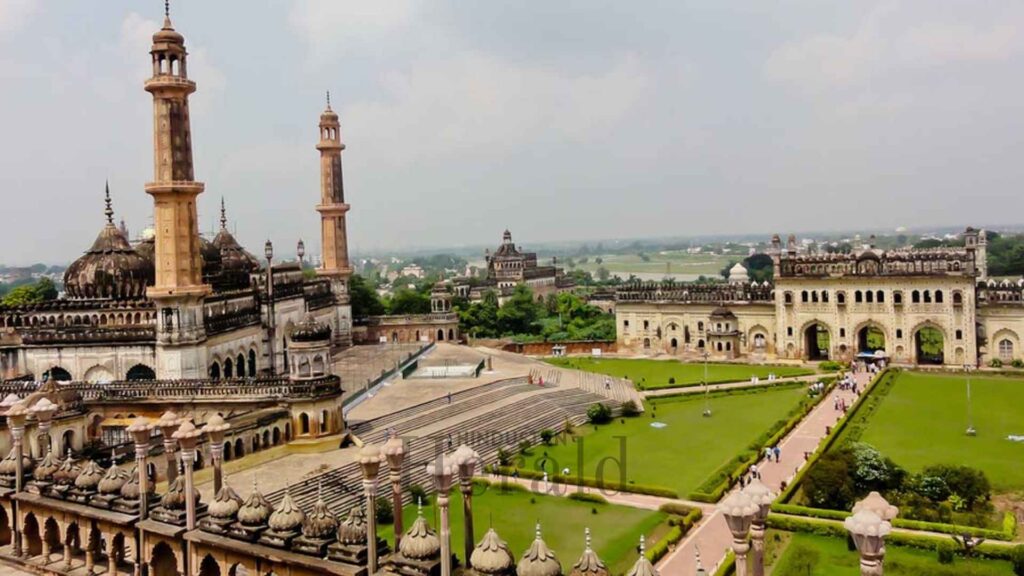
The road leading to the Bara Imambara was filled first. From there, people spilled toward the Chota Imambara. These are not just historical monuments. For Lucknow’s Shia community, they are emotional anchors. On days of mourning, they become gathering points without anyone having to issue a formal call.
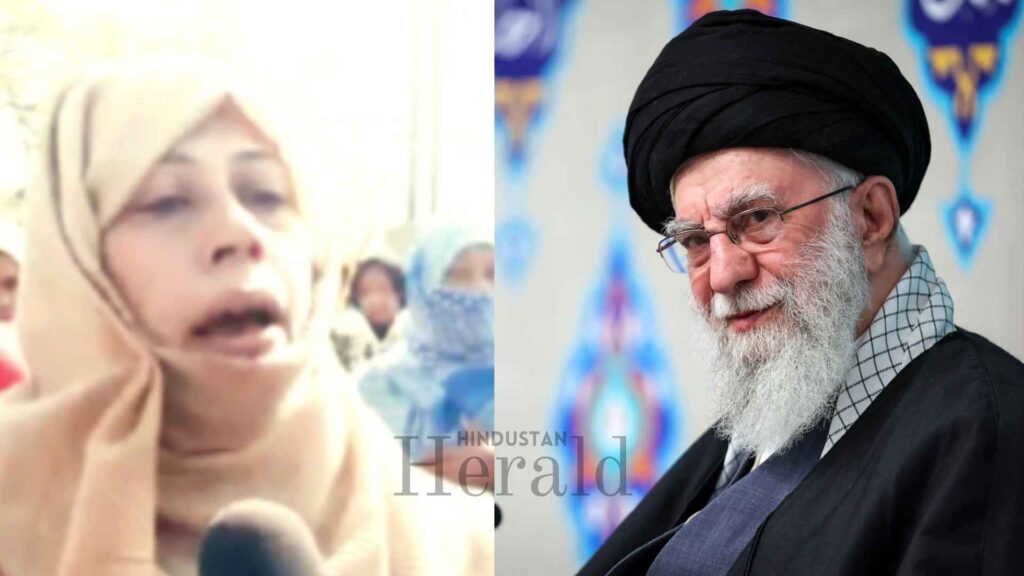
Black flags appeared almost as if from nowhere. Some were neatly stitched. Others were plain cloth tied to bamboo sticks. A few young men carried framed photographs of Khamenei, holding them high above the crowd.
There were slogans. Loud ones. Angry ones. Words that carried decades of political resentment. But what stood out more was the grief.
An elderly man leaned against a wall near the Imambara, tears rolling down his face. He kept repeating a line from a prayer. Nobody interrupted him. A group of women watched from a balcony, their heads covered in black scarves, whispering to each other.
One shopkeeper, who had just pulled down his shutter, said simply, “For you he might be a foreign leader. For us he was a religious guide.”
That line explains much of what unfolded today.
Lucknow has long been seen as one of the cultural centres of Shia Islam in India. Sermons delivered in Iran are often discussed in homes and religious schools here. Many families follow religious authorities based abroad. So when someone of Khamenei’s stature dies, the reaction is not abstract.
It becomes local.
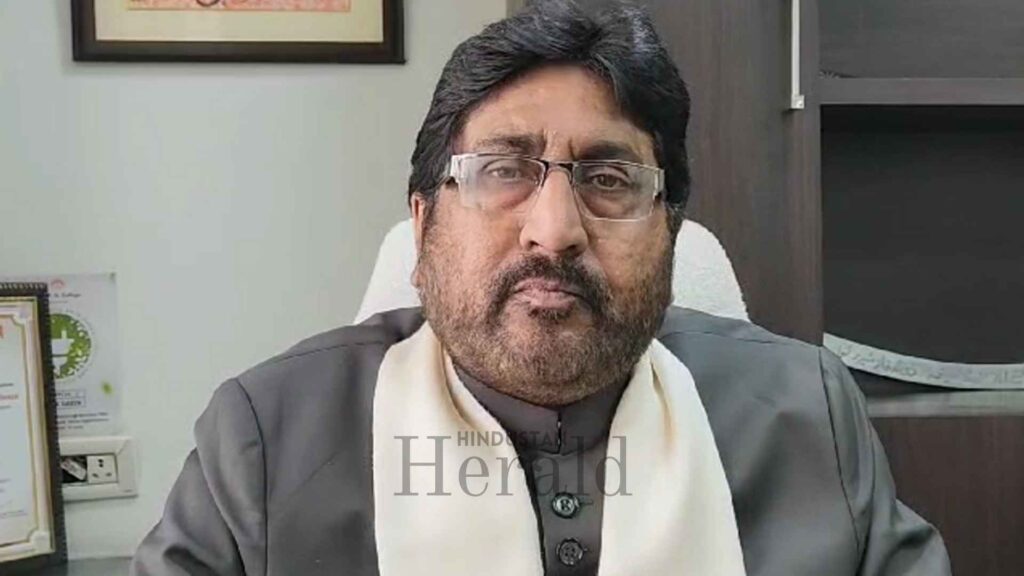
By early afternoon, the All India Shia Personal Law Board formally announced three days of mourning. Senior cleric Maulana Yasub Abbas condemned the strikes and urged people to remain peaceful while expressing their sorrow.
Shops in several lanes closed without any enforcement. No police officer ordered it. No government circular demanded it. Traders looked at one another and decided this was not a day for business.
At the same time, the administration was moving carefully behind the scenes.
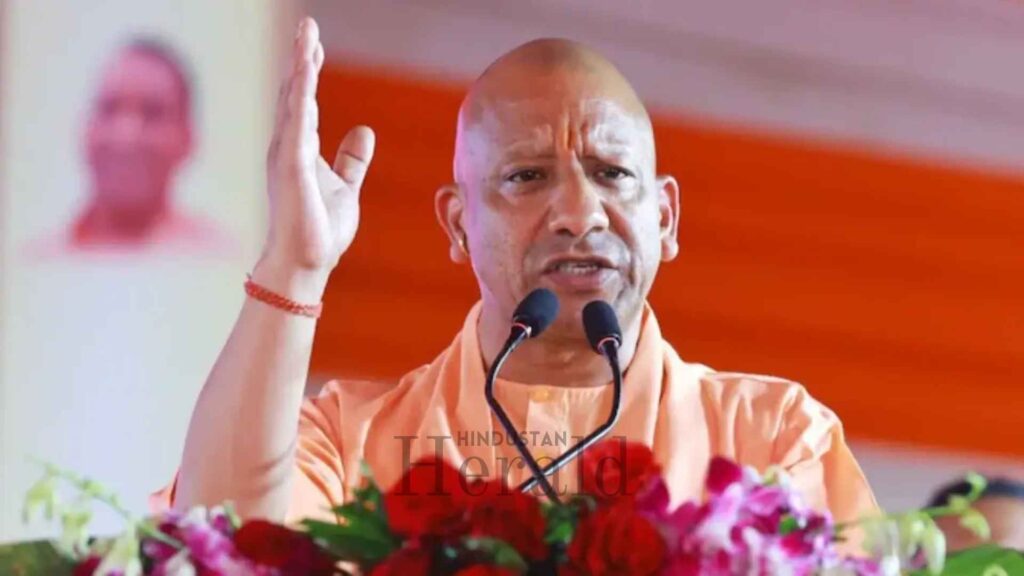
Chief Minister Yogi Adityanath has asked officials to ensure strict law and order. With Holi approaching and Ramzan around the corner, the state cannot afford even a minor flare-up.
Police presence in the Old City has noticeably increased. Officers stand at key intersections. Patrol vehicles circle slowly. Barricades have been placed near the Imambara complex. Yet the approach so far has been restrained. The police are visible, but not intrusive.
A senior officer said, “People have a right to mourn. Our responsibility is to ensure that mourning does not turn into disturbance.”
So far, it has not.
The anger is sharp but controlled. The speeches call for justice, not violence. Community leaders are repeatedly reminding the crowd that their protest must remain peaceful.
The effects of the crisis are being felt beyond the protest sites.
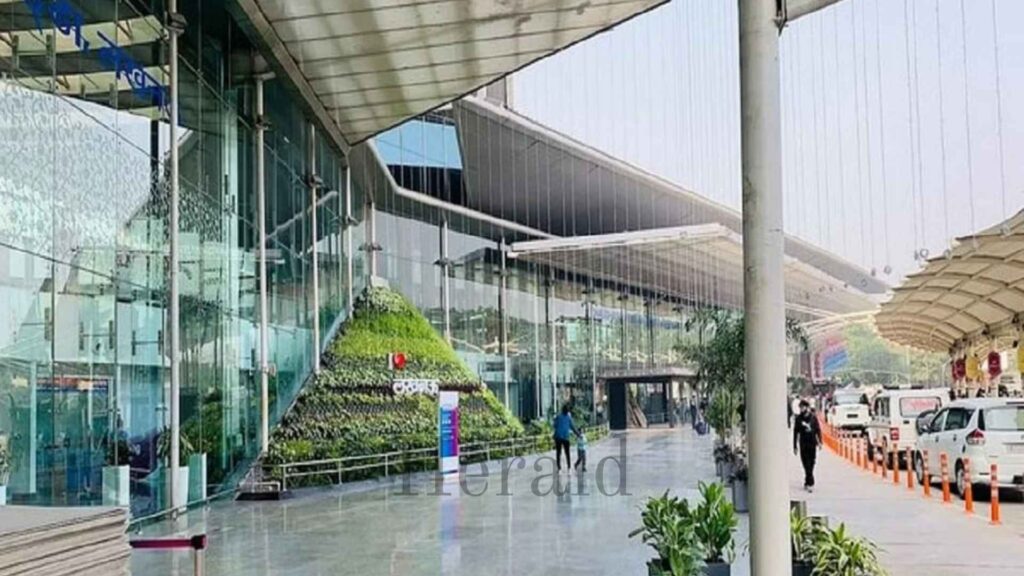
At Chaudhary Charan Singh International Airport, several flights to West Asian destinations were cancelled on Sunday. Officials cited regional airspace disruptions following the escalation. Families with relatives working in Gulf countries crowded airline counters, trying to reschedule.
One young man said he had been trying to contact his cousin in Tehran since morning. “Calls are not connecting. Internet is patchy,” he said. “We just want to know if they are safe.”
That uncertainty adds another layer to the anxiety.
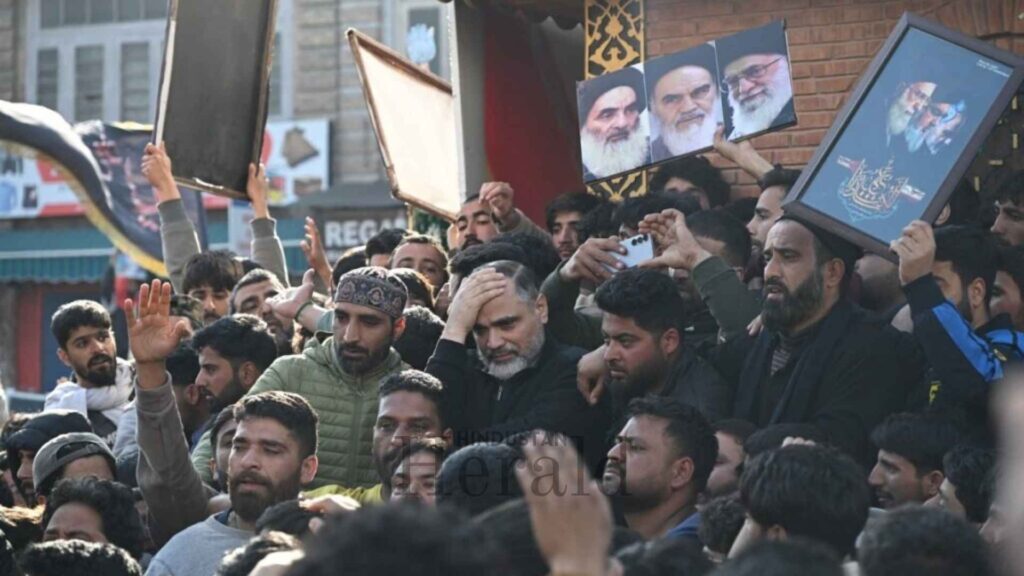
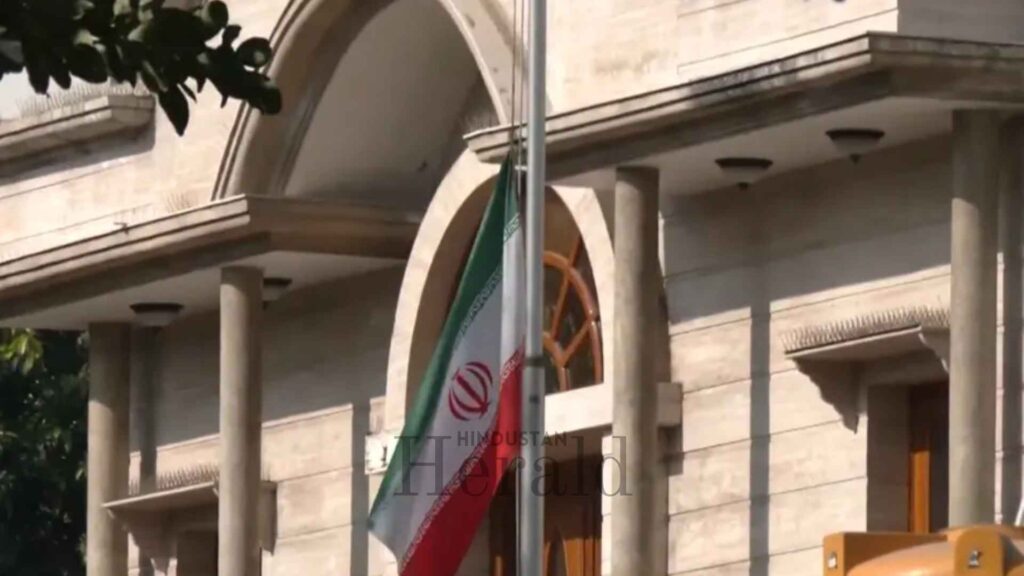
Reports of similar gatherings have emerged from Srinagar and parts of Delhi. The Iranian Embassy in New Delhi has appealed for international condemnation of the strikes and warned of serious consequences.
Globally, analysts are debating what this means for West Asia. Questions about Iran’s leadership, regional retaliation and oil prices are already being raised. For India, which has ties with both the United States and Iran, the situation is delicate.
But in Lucknow today, those geopolitical layers feel secondary.
Here, people are talking about dignity, faith, and identity. They are talking about a leader they believed defended their community’s interests on the global stage. Whether that perception aligns with broader political realities is almost beside the point. Emotions are not measured in policy briefs.
As evening approaches, preparations are underway for a larger gathering at 8:30 pm near the Imambara. Volunteers are arranging drinking water. Loudspeakers are being tested. Clerics are preparing to address the crowd.
The city feels tense but not volatile. Watchful, perhaps. Waiting.
Lucknow has weathered emotionally charged moments before. It has also shown an ability to step back from the brink when community elders intervene. Much will depend on the tone set tonight and the developments that follow abroad.
For now, black flags hang from rooftops in parts of the Old City. Shutters remain down. Conversations continue in hushed tones and bursts of anger.
A conflict thousands of kilometres away has reached these narrow lanes. And Lucknow, in its own measured, deeply emotional way, is responding.
Stay ahead with Hindustan Herald — bringing you trusted news, sharp analysis, and stories that matter across Politics, Business, Technology, Sports, Entertainment, Lifestyle, and more.
Connect with us on Facebook, Instagram, X (Twitter), LinkedIn, YouTube, and join our Telegram community @hindustanherald for real-time updates.

Covers Indian politics, governance, and policy developments with over a decade of experience in political reporting.
- Ananya Sharmahttps://hindustanherald.in/authors/ananya/

- Ananya Sharmahttps://hindustanherald.in/authors/ananya/
- Ananya Sharmahttps://hindustanherald.in/authors/ananya/
- Ananya Sharmahttps://hindustanherald.in/authors/ananya/
 hindustanheraldin@gmail.com