 By Rajiv Menon
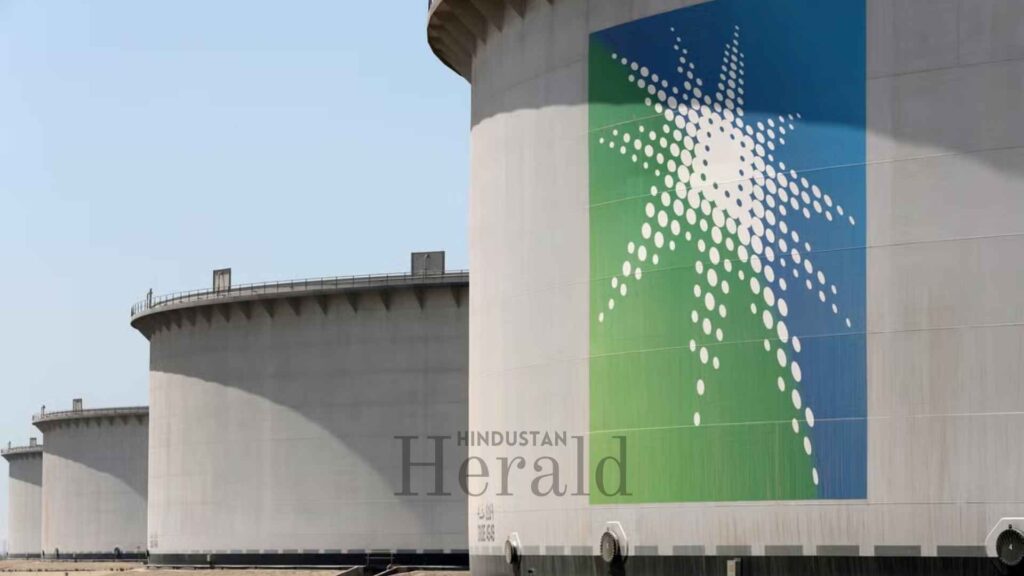
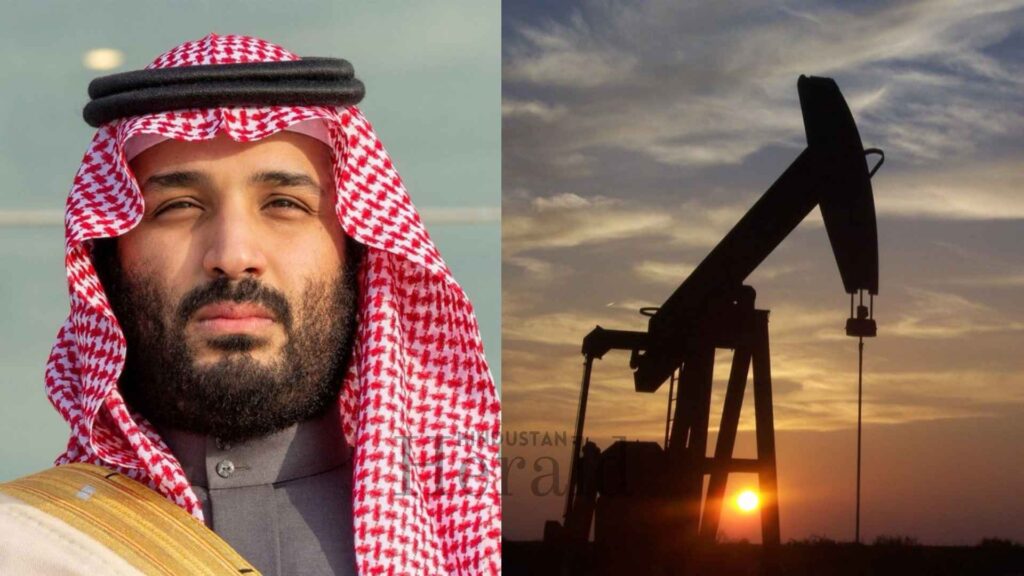
New Delhi, March 2: By breakfast time on Monday, the Gulf was already on edge. News began circulating that a drone had struck Saudi Aramco’s sprawling Ras Tanura refinery on Saudi Arabia’s eastern coast. Officials described it as a limited incident. A fire broke out. It was contained. No casualties have been reported. Operations were temporarily paused as a safety measure.
On paper, that sounds controlled.
In reality, it sent a chill through energy markets and diplomatic circles alike.
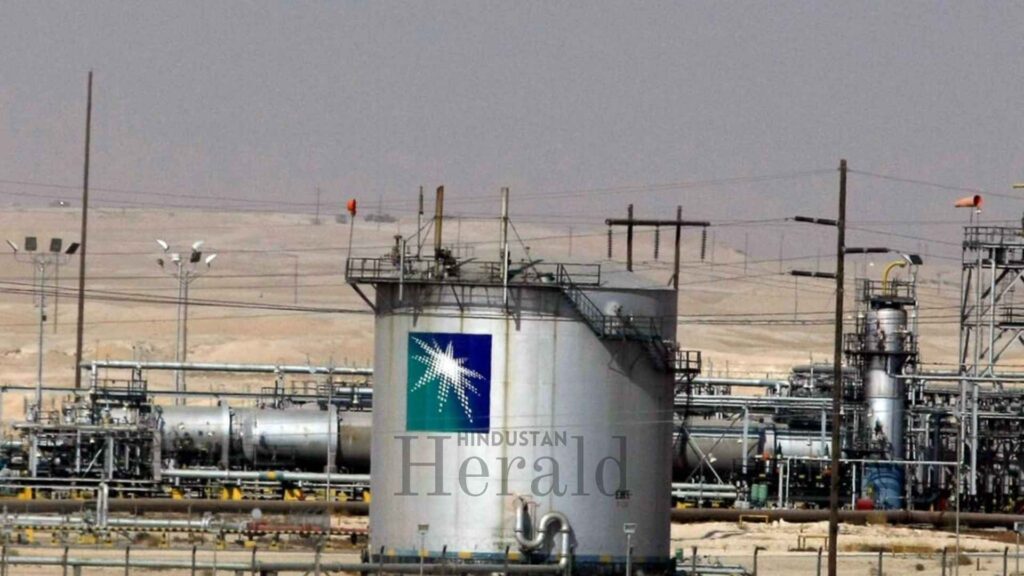
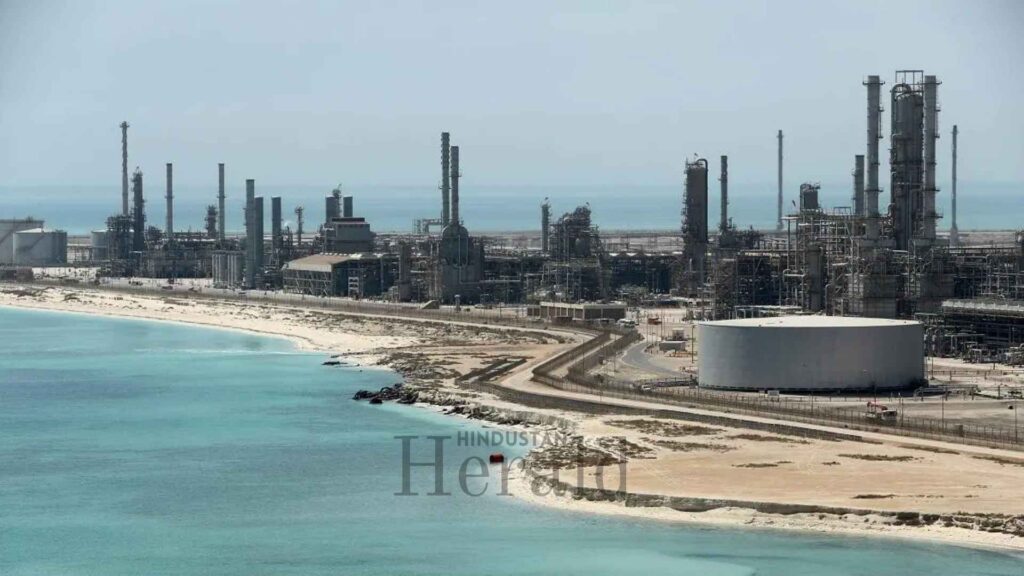
Ras Tanura is not some distant industrial outpost. It is one of the main engines of global oil supply. A huge volume of crude is processed and shipped from there. When something touches that facility, traders from London to Singapore start refreshing their screens.
Within hours, Brent crude futures jumped close to 10 percent. That reaction tells you everything about how fragile confidence is right now.
Why People Are Nervous
The Gulf has always been a sensitive territory. A large share of the world’s oil passes through the nearby Strait of Hormuz, a narrow waterway that acts like a funnel for global energy shipments. If that passage is threatened, even indirectly, prices react immediately.
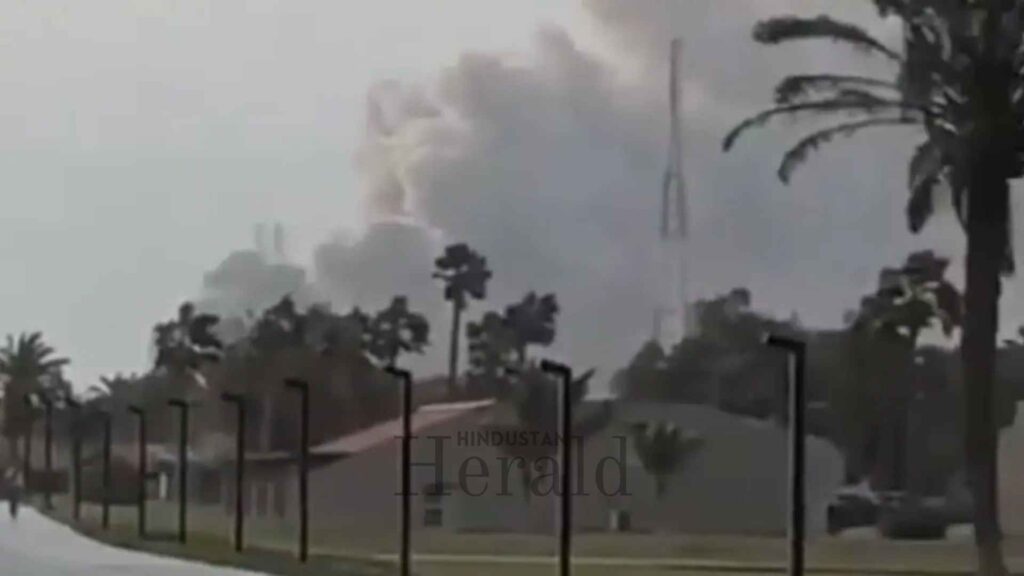
This strike is being seen as part of a broader escalation.
The Islamic Revolutionary Guard Corps, known as the IRGC, issued a statement claiming that its latest actions are part of what it calls Operation True Promise. The language was fiery. It spoke about opening “massive gates of fire” and referenced missile systems and drone swarms.
Iran has presented these strikes as retaliation for what it says was a joint US-Israeli operation on February 28 targeting senior Iranian leadership and infrastructure. Neither Washington nor Jerusalem has publicly confirmed the full scope of that action, but tensions have clearly been building.
When statements start sounding like wartime speeches, people begin to worry that the line between warning shots and something larger is getting thinner.
It Is Not Just About One Refinery
The situation is not confined to Saudi Arabia.
Authorities in Abu Dhabi and Dubai confirmed air defense activity. Kuwait said several US military aircraft crashed earlier in the day, although officials stated that all crew members were safely evacuated and are stable. Security has been heightened in Bahrain.
For residents in these cities, the situation feels immediate. Airspace restrictions. Flight delays. A visible military presence. It may not be full scale war, but it does not feel routine either.
Diplomatically, Saudi Arabia summoned Iran’s ambassador and described the strike as a dangerous escalation. Governments in Jordan and Qatar called for restraint while reinforcing their own security measures.
The region is tense, and nobody is pretending otherwise.
What This Means For Ordinary People
It is easy to see this as a distant geopolitical clash. Iran. Saudi Arabia. The United States. Israel. Military hardware. Strategic targets.
But the consequences travel quickly.
If oil prices stay high, transport costs rise. If transport costs rise, food and goods become more expensive. For countries like India that import most of their crude oil, a prolonged spike can affect inflation, fuel prices, and government budgets.
In simple terms, what happens near Ras Tanura can eventually affect how much someone pays at a petrol pump in Chennai or a bus ticket in Lucknow.
At the moment, shipping through the Gulf continues. There is no confirmed disruption to traffic in the Strait of Hormuz. That is important. Markets are reacting to risk, not to an actual supply collapse.
Still, shipping companies are reportedly reviewing contingency plans. Insurance premiums for vessels in the region are rising. These are early signs that businesses are bracing for uncertainty.
A Tipping Point Or Another Close Call
The Middle East has experienced cycles like this before. Strikes are followed by retaliation. Harsh words are exchanged. Backchannel diplomacy often works quietly to cool things down.
The question is whether this is one of those cycles or whether the temperature is genuinely climbing.
Striking energy infrastructure raises the stakes. It moves the confrontation from military installations into economic territory that affects the entire world.
For now, the immediate damage at Ras Tanura appears limited. No loss of life has been reported. Operations are paused but not declared permanently crippled.
That offers some relief.
But relief is not the same as stability.
The coming days will be critical. Governments will weigh responses carefully. Markets will track every headline. Ordinary citizens in the Gulf will listen for sirens and watch the skies.
Right now, the situation remains fluid. The fire at the refinery may be out. The broader tensions, however, are still very much alive.
Stay ahead with Hindustan Herald — bringing you trusted news, sharp analysis, and stories that matter across Politics, Business, Technology, Sports, Entertainment, Lifestyle, and more.
Connect with us on Facebook, Instagram, X (Twitter), LinkedIn, YouTube, and join our Telegram community @hindustanherald for real-time updates.

Specializes in South Asian geopolitics and global diplomacy, bringing in-depth analysis on international relations.
- Rajiv Menonhttps://hindustanherald.in/authors/rajiv/

- Rajiv Menonhttps://hindustanherald.in/authors/rajiv/
- Rajiv Menonhttps://hindustanherald.in/authors/rajiv/
- Rajiv Menonhttps://hindustanherald.in/authors/rajiv/