
 By Rajiv Menon
New Delhi, March 5: Russia’s Ambassador to India, Denis Alipov, walked up to the microphones in the capital on Wednesday and said something that most diplomats in his position would have danced around for five minutes before actually saying.
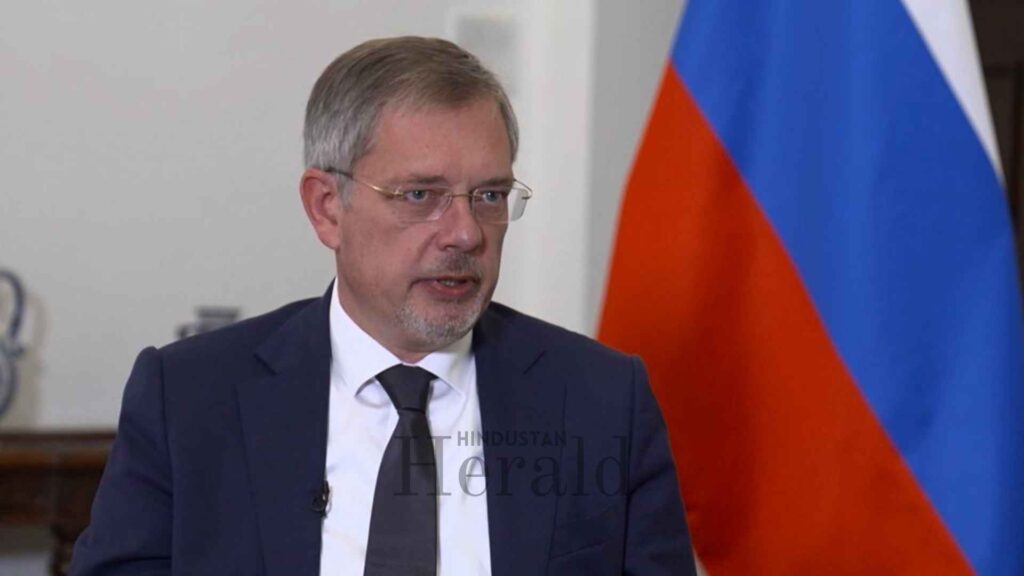
“Resolution is always through negotiations. This conflict should be resolved as soon as possible.”
That was it. No caveats wrapped in caveats. No careful passive voice. Just a senior Russian diplomat, standing in New Delhi, telling anyone who would listen that bombs are not going to fix West Asia.
Given what happened in the 48 hours before he spoke, the bluntness was either brave or calculated. Possibly both.
The Week That Changed Everything
To understand why Wednesday felt different, you have to go back to Tuesday afternoon.
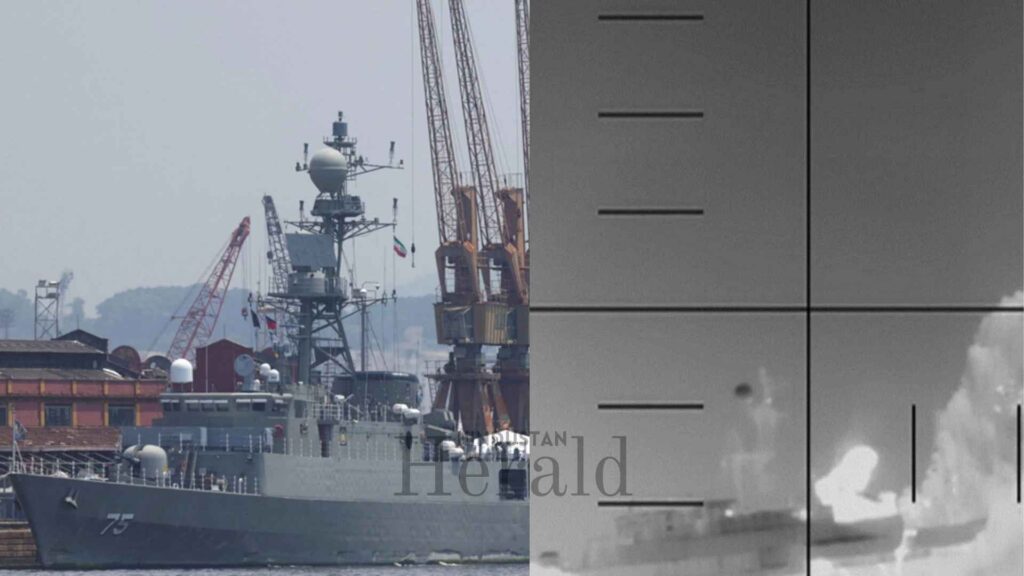
A U.S. submarine fired a torpedo in the Indian Ocean and sank an Iranian warship called the IRIS Dena. That alone would have been front-page news anywhere in the world. But then Iran’s Foreign Minister, Seyed Abbas Araghchi, stepped forward and said something that made every diplomat in South Asia sit up straight.
The IRIS Dena, he said, had been operating as a “guest of India’s Navy” when it was struck.
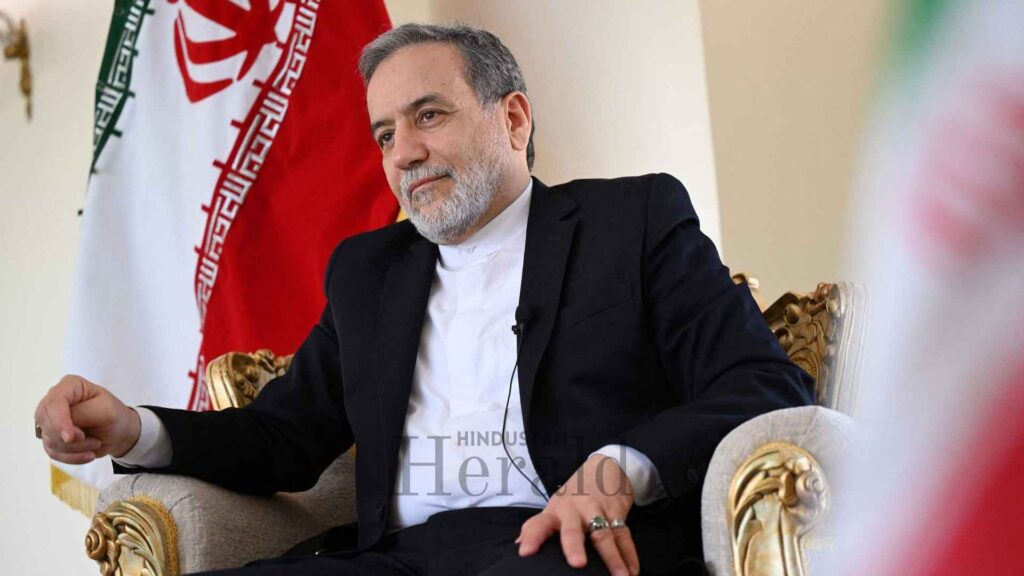
Think about what that sentence does. In one short claim, Iran pulled India into the middle of a war it has been working very hard to stay out of. Whether that claim is entirely accurate, partly accurate, or a piece of strategic messaging designed to embarrass New Delhi is something India’s foreign ministry has not yet publicly addressed. But the damage to India’s carefully maintained neutral image landed immediately, regardless.
Araghchi did not stop there either. He told the world that the United States would “bitterly regret” what it had done. Not a strongly worded letter, kind of regret. The kind of regret that comes with consequences.
Then, a few hours later, deep into Tuesday night, Iran launched a fresh wave of missiles toward Israel. It was the sixth day in a row of direct aerial attacks. The sixth day in a row of air raid sirens and interceptions, and casualties on both sides.
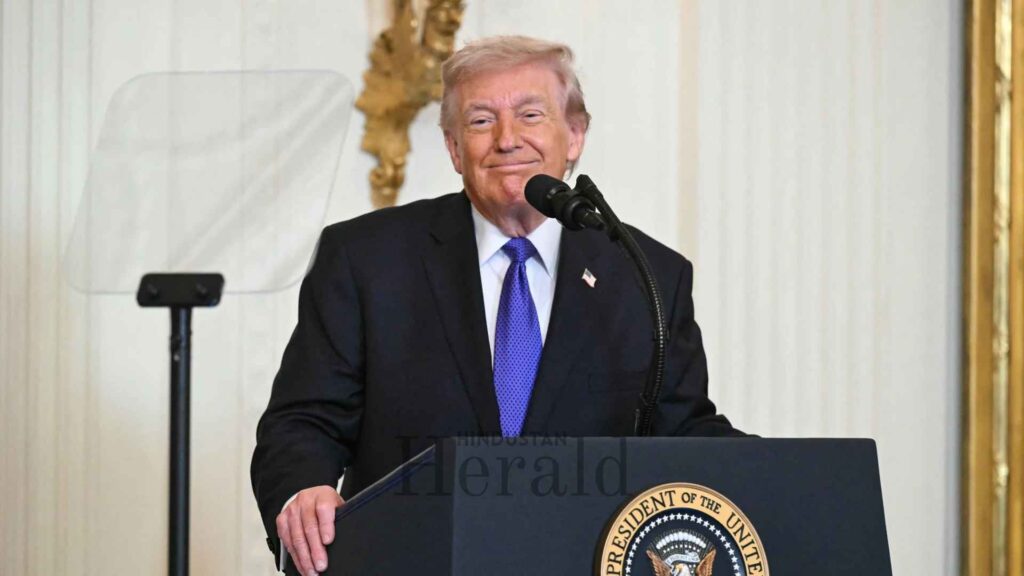
The Americans have a name for what they are doing. They are calling it “Operation Epic Fury.” The goal, as reported by international outlets, is to systematically take apart Iran’s military and nuclear infrastructure using coordinated U.S. and Israeli air and naval power. Last week, the U.S. Senate voted down a resolution that would have restricted President Donald Trump’s authority to keep striking Iran. With that vote, Congress essentially handed the White House a blank cheque to continue.
That is the world Alipov woke up to on Wednesday morning when he decided to call the press.
Why Russia Is Talking in New Delhi
The first question worth asking is why Moscow is sending messages through its ambassador in India rather than through its own foreign ministry press briefings back home.
The answer, when you think about it, is not complicated.
Russia and Iran are not strangers. They share economic interests, they have cooperated on arms, and they have coordinated in various theatres of conflict over the past decade. Russia has no interest in watching Iran get dismantled by American and Israeli firepower. At the same time, Russia does not want to be seen as directly interfering in a conflict that has already consumed enormous diplomatic bandwidth globally.
So it sends its man in New Delhi to a press briefing. And in doing so, it speaks to India, yes, but it also speaks to the world through India’s considerable diplomatic credibility.
When a reporter asked Alipov the obvious question, when does this war end, he did not reach for a rehearsed line. He said, “I have no idea when the war will end. This is a question for the U.S.”
That is a sharp answer. He is not saying Russia does not know. He is saying the war ends when Washington decides it ends. The duration is an American policy choice, not a military inevitability. Whether you agree with that framing or not, it is a precise and deliberate thing to say in front of cameras.
Ten Million Reasons India Is Losing Sleep
While the international press focuses on missiles and naval engagements, most Indians are thinking about something closer to home.
There are nearly 10 million Indian citizens living and working across the Gulf region. In Saudi Arabia, the UAE, Kuwait, Qatar, Bahrain, and Oman. These are sons and daughters of families in Kerala, Uttar Pradesh, Rajasthan, Punjab, Andhra Pradesh, and almost every other state. The money they send back home every month props up household budgets, pays for school fees, and funds small businesses.
That money, and those people, are sitting right in the neighbourhood of a war that has already shown it does not respect boundaries or bystanders.
Then there is the Strait of Hormuz, the narrow stretch of water through which nearly a fifth of the world’s oil passes every single day. If that strait gets disrupted, even partially, even temporarily, petrol prices in India go up. Everything that gets transported by truck goes up. Cooking gas cylinders go up. The kind of inflation that hits ordinary households before it shows up in any government statistic.
The Ministry of External Affairs has been frank about this, at least internally. According to sources, the ministry circulated a briefing expressing “great anxiety” about both the safety of Indian nationals and the potential for “major economic disruption.” The public statement from the MEA called for “immediate de-escalation” without pointing fingers at anyone by name.
That last part is India in a nutshell right now. Deeply worried. Very careful about who it blames out loud.
Oil, Reliability and What Russia Is Really Offering
Alipov’s comment about energy was brief, almost throwaway in how he delivered it. “We have always been open towards supplying oil to India.”
But sit with that sentence for a moment.
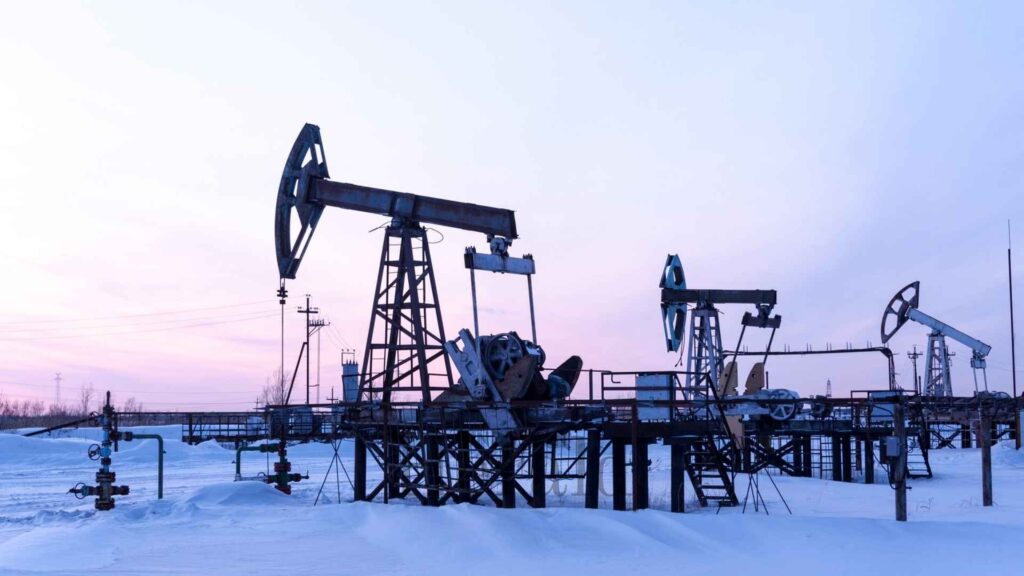
Since Western sanctions hit Russia following the Ukraine war, India became one of the largest buyers of Russian crude oil, often purchased at a significant discount to global market rates. That relationship has been mutually beneficial and continues to deepen.
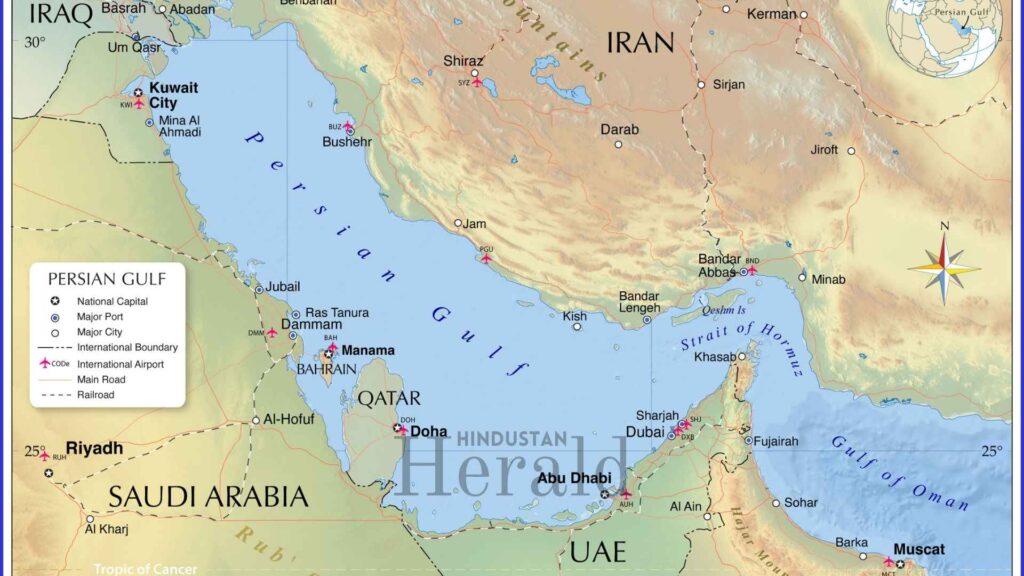
What Alipov is signalling on Wednesday is this: whatever happens in the Persian Gulf, whatever happens to Iranian oil, whatever happens to the Strait of Hormuz, Russia is a supply chain that does not run through a war zone. It is stable. It is available. It is already connected to India’s refineries through established payment systems.
For a country watching a conflict potentially choke off its primary energy corridor, that is not a small thing to hear.
A Condolence Book and What It Says Without Saying Anything
Before talking to the press, Alipov made a quieter stop.
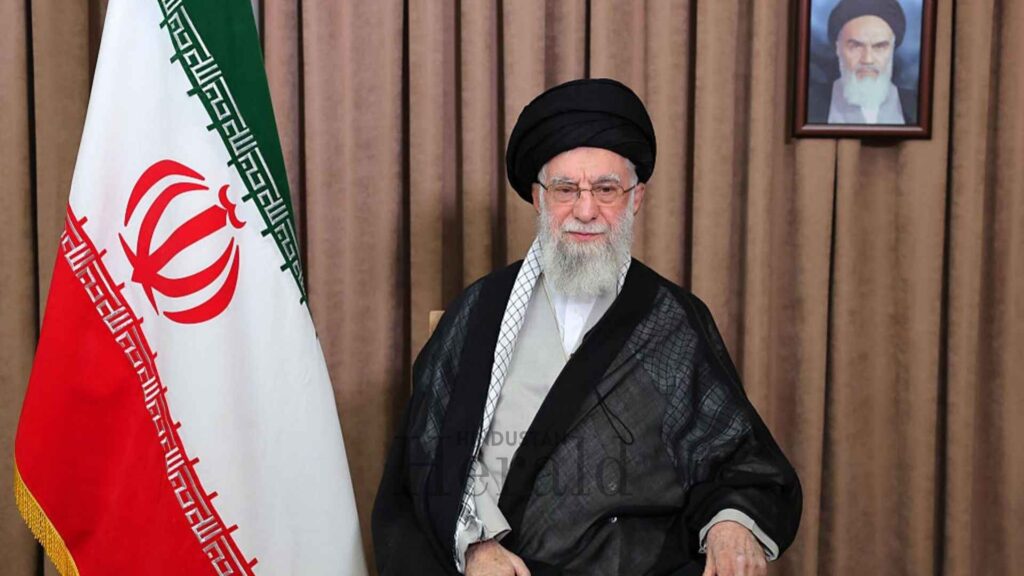
He went to the Iranian Embassy in New Delhi and signed the condolence book for Ayatollah Ali Khamenei, the Supreme Leader of Iran, whose funeral has been postponed because the country is under active bombardment and cannot pause long enough to bury its most important figure in peace.
Alipov was among the first foreign dignitaries to make that visit.
Read that however you like, but understand that in diplomacy, showing up at a condolence book when almost no other Western-aligned country is doing the same is a statement. It says: we see Iran as a legitimate state deserving of grief and ceremony, not just a military target. It says: Russia is not standing with the people launching the bombs. And doing it in New Delhi rather than anywhere else says: we want India to notice that we are doing this.
The Impossible Position India Is In
India in March 2026 is a country being pulled in four directions simultaneously.
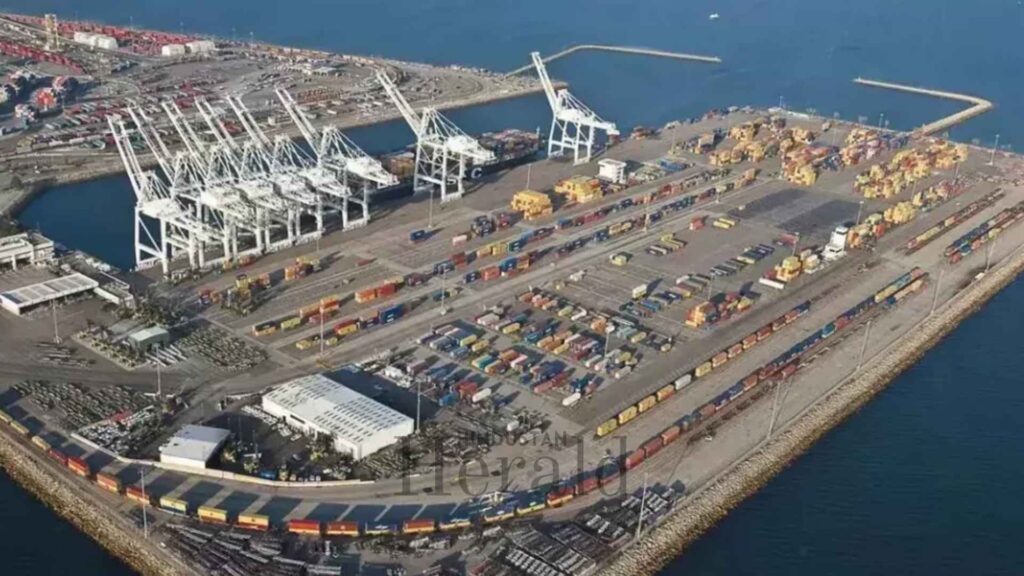
It has a strong and growing strategic partnership with the United States. It has deep defence and economic ties with Israel. It has historical and practical relationships with Iran, including the Chabahar Port project that gives India land access to Afghanistan and beyond without going through Pakistan. And it has its own population of workers whose lives depend on the Gulf staying stable.
Every move India makes to reassure one party risks offending another. The MEA statement on de-escalation was carefully worded precisely because any stronger language in any direction breaks something.
The IRIS Dena claim, if it carries any weight, makes that balancing act harder. If Indian naval assets were anywhere near an Iranian warship that the U.S. then sank, New Delhi needs to explain itself to Washington while also managing Tehran’s fury, and do it all without a public crisis. As of Wednesday evening, the ministry had said nothing specifically about the ship.
Where Things Stand Tonight
Six days of direct aerial conflict. A warship sank in the Indian Ocean. A Senate giving a president unrestricted war powers. Missile barrages in both directions. And a Russian ambassador in New Delhi quietly tells the world that somebody needs to pick up the phone and talk.
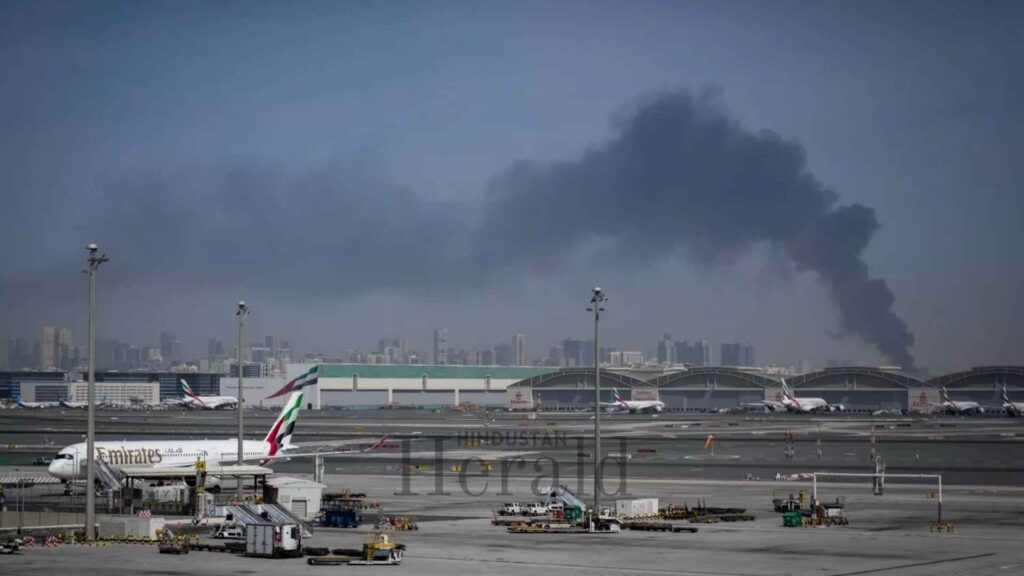
For the millions of Indian families with a son or daughter in Dubai, Riyadh, or Muscat, this is not an abstract geopolitical story. It is a source of daily anxiety that no government statement has yet done anything to relieve.
The conflict is escalating. The diplomacy is limping behind it. And India, sitting right at the intersection of every pressure this war is generating, is watching both with great concern and very limited room to move.
Stay ahead with Hindustan Herald — bringing you trusted news, sharp analysis, and stories that matter across Politics, Business, Technology, Sports, Entertainment, Lifestyle, and more.
Connect with us on Facebook, Instagram, X (Twitter), LinkedIn, YouTube, and join our Telegram community @hindustanherald for real-time updates.

Specializes in South Asian geopolitics and global diplomacy, bringing in-depth analysis on international relations.
- Rajiv Menonhttps://hindustanherald.in/authors/rajiv/

- Rajiv Menonhttps://hindustanherald.in/authors/rajiv/
- Rajiv Menonhttps://hindustanherald.in/authors/rajiv/
- Rajiv Menonhttps://hindustanherald.in/authors/rajiv/




 Ayesha Khan