
 By Prakash Nair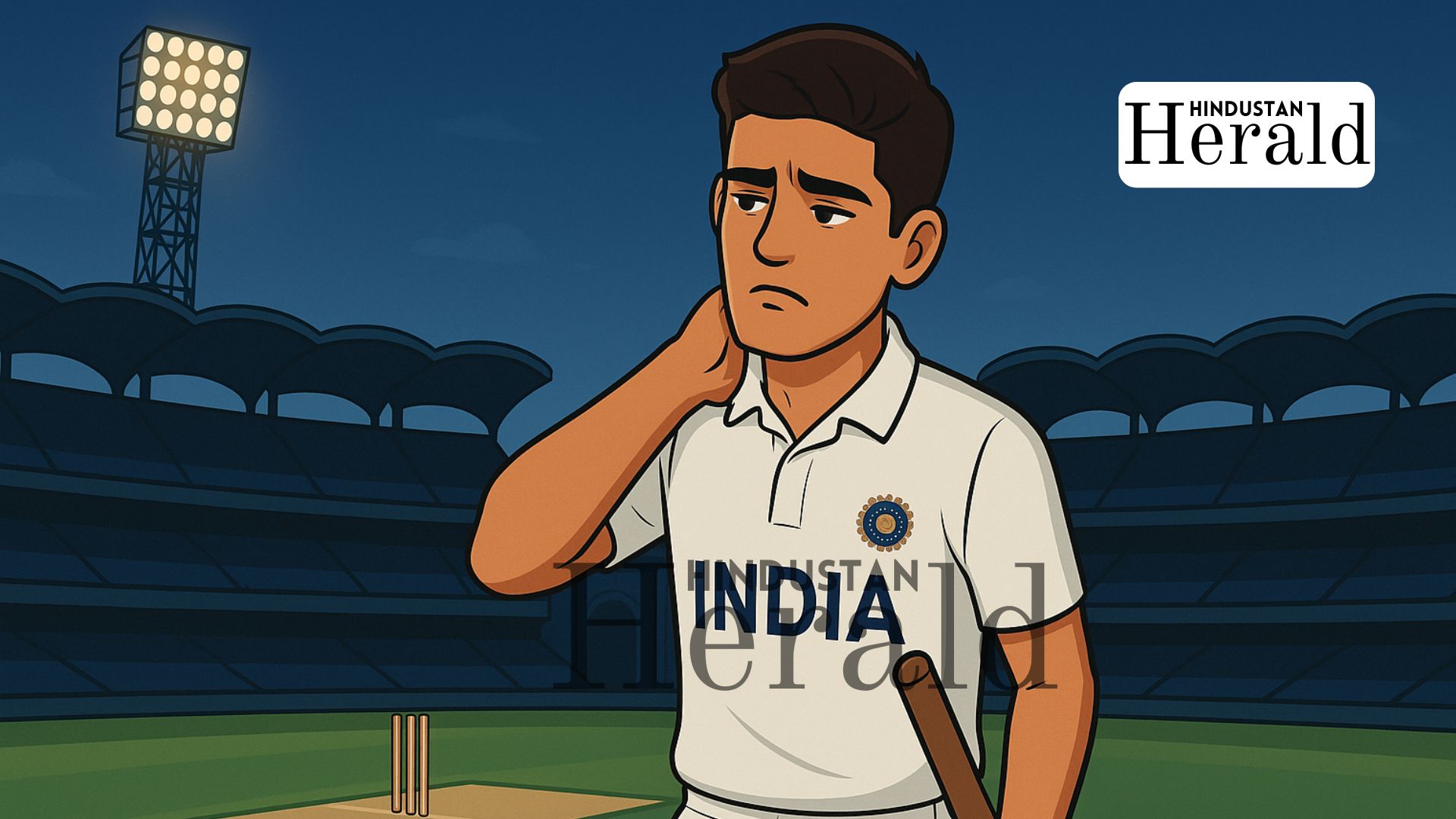
Kolkata, November 15: India lost Shubman Gill early and unexpectedly on Day 2 of the first Test at Eden Gardens, and the timing could not have been worse. The skipper walked off after just three balls, clutching his neck, leaving a packed stadium stunned and a suddenly exposed batting order scrambling for balance. What followed was a long, uneasy wait for medical clarity as the BCCI evaluated what they later confirmed to be a neck spasm.
The Moment Everything Shifted
Gill had barely settled in when he attempted a sweep that raced to the boundary. As it turns out, the shot that delighted the crowd for a second triggered immediate discomfort. According to ESPN, he paused, reached for his neck, and signaled to the dressing room while the physio rushed in. The discomfort was sharp enough that he could not continue, prompting the rare sight of a captain retiring hurt this early in a Test innings.
Reporters on the ground noted that he appeared visibly stiff while making his way back. The Indian Express reported that Gill held the right side of his neck, moving gingerly down the pavilion steps. What this really means is that the skipper was not just reacting to a momentary twinge. Something had locked up badly enough to warrant instant withdrawal.
What The Medical Update Actually Says
The BCCI, through its official communication cited by the ICC, confirmed the diagnosis. Gill has a neck spasm and remains under close observation from the medical team. The board clarified that his return for the remainder of the match depends entirely on how he responds to treatment over the course of the day.
The update was brief but telling. According to ESPN, the board’s statement read that Gill was being monitored and that a call on his participation would hinge on his progress. That said, The Week reported that he is considered doubtful for the rest of the Kolkata Test.
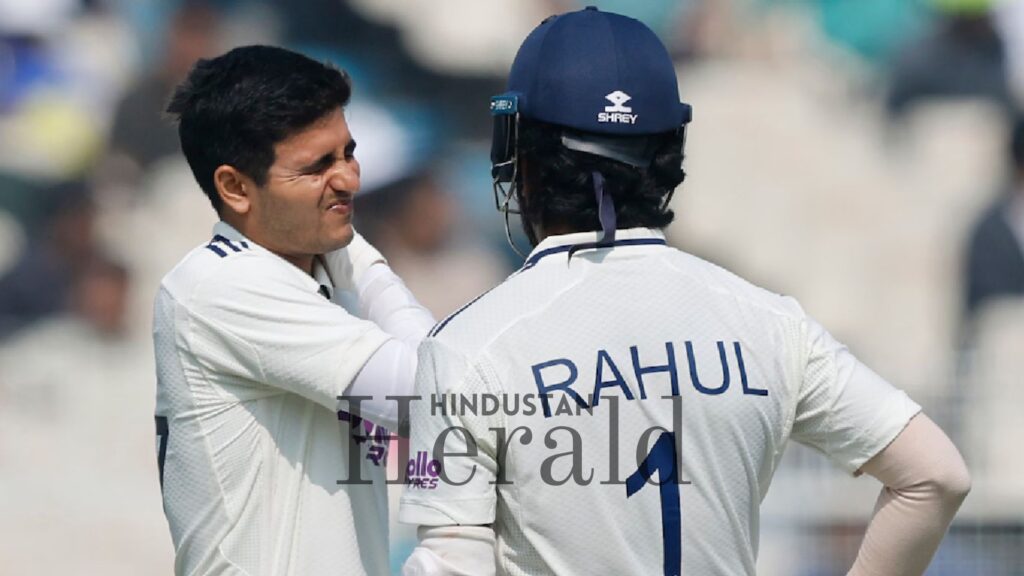
A neck spasm is not uncommon for athletes who spend hours moving through awkward angles, especially against spin. Still, the suddenness of the injury and the captaincy responsibility on his shoulders raise deeper concerns about match continuity.
Why Gill’s Absence Hits India Hard
Let’s break it down. India were 79 for 2 when Gill walked off. This is a pivotal phase of any Test innings, especially on a fresh Day 2 surface where conditions can tilt quickly in either direction. India lost not just a top order batter but their tactical lead on the field.
Gill’s presence at the crease usually steadies the innings. Losing him without warning shifts responsibility onto the middle order, who were already navigating a sharp turn and disciplined South African pace. According to OneCricket, the pressure meter spiked instantly after Gill’s exit, and the innings rhythm changed.
The captaincy angle deepens the impact. Although the vice captain can take over, Gill’s own reading of conditions, field placements, and match tempo is a core part of the team’s Test identity under his leadership. Without him, India is essentially operating with one tactical voice missing and another adjusting on the fly.
The Pattern Fans Did Not Miss
Last year’s World Cup threw up a similar scare for Gill, where a sudden health issue disrupted his availability ahead of a crucial match. OneCricket highlighted that the parallels were uncanny and that supporters were instantly reminded of that episode. Still, this is a different format, a different kind of workload and a different kind of injury.
Neck spasms can recover quickly with rest and physio intervention, but they can just as easily linger if aggravated. That uncertainty is exactly what the team management is weighing right now.
What Happens If Gill cannot return
Here’s the thing. India will likely continue with the stand-in captain for the remainder of the innings and possibly the match. If Gill does not recover in time, the immediate consequence is tactical. A full Test match without its captain is rare and forces bowlers, fielders and the acting skipper to adapt on the move.
The bigger strategic issue concerns the rest of the series. Even though this incident happened early in the first Test, losing a captain ahead of a multi-match contest has long-term implications. India’s batting order has already seen transitions this year, and Gill is central to that rebuild.
There’s no official word yet on calling a replacement. Given that this is a home series and India’s bench strength is deep, a standby can be pulled in quickly if needed. But the BCCI is expected to avoid premature decisions until they have clearer medical feedback.
The South Africa Factor
From South Africa’s point of view, the injury changes the psychological flow of the match. Removing a captain without taking the wicket energises a bowling unit. It allowed their attack to tighten lines, attack the stumps more aggressively, and force India’s remaining top order into playing with additional caution.
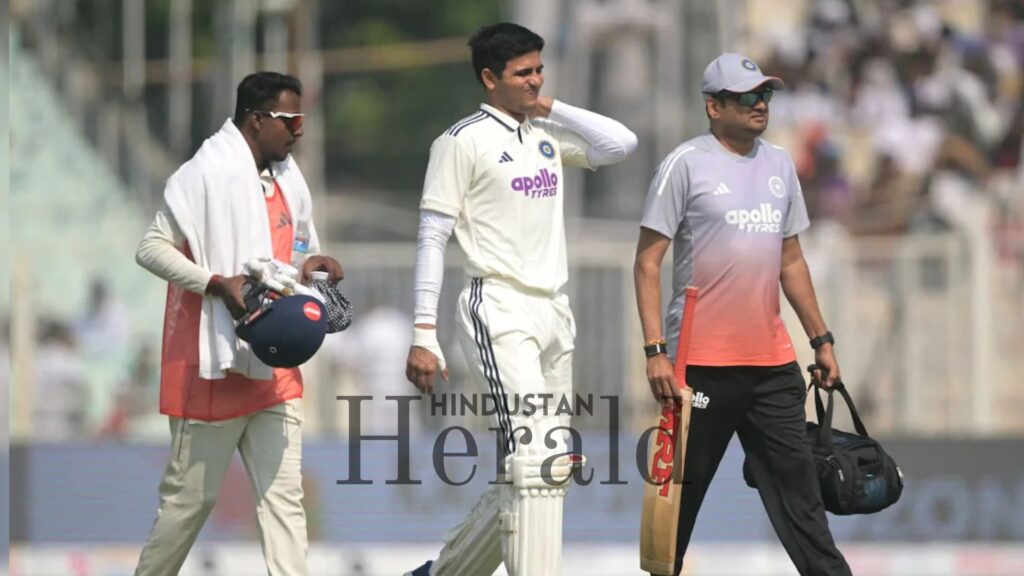
India’s batting depth is usually resilient, but sudden disruptions have a way of altering shot selection and scoring pace. That shift was visible as soon as Gill walked off.
What The Team Needs Now
For now, India needs stability. They need a middle order that can absorb the pressure without slipping into a defensive shell. They also need clarity on Gill’s recovery timeline before they plan the match strategy for Day 3.
Medical staff will likely evaluate Gill through the evening and again in the morning. Neck spasms often respond well to targeted treatment, but the nature of cricket’s repetitive movements means the decision will be conservative. Rushing a captain back on the field only to risk worsening the injury would complicate the entire series.
The Larger Picture
Cricketers, especially batters, deal with such muscle issues often. Still, India’s leadership cycle has barely settled after the post-Rohit era adjustments. Gill’s progression into the captaincy was a significant storyline of this season. Any injury that disrupts that trajectory, even temporarily, is bound to raise questions about workload, scheduling, and fitness protocols.
This incident also reminds teams of how fine the margins can be in Test cricket. One awkward movement, one overextended shot, and the entire tone of a match can swing.
For now, India will hope the diagnosis remains exactly what it is and nothing more. A spasm is treatable. A strain or structural injury would be a different story altogether. As it turns out, the next 24 hours will tell the team everything it needs to know.
Stay ahead with Hindustan Herald — bringing you trusted news, sharp analysis, and stories that matter across Politics, Business, Technology, Sports, Entertainment, Lifestyle, and more.
Connect with us on Facebook, Instagram, X (Twitter), LinkedIn, YouTube, and join our Telegram community @hindustanherald for real-time updates.

Sports reporter covering cricket, football, and Olympic disciplines, with on-ground event experience.
- Prakash Nair

- Prakash Nair
- Prakash Nair
- Prakash Nair