 By Ananya Sharma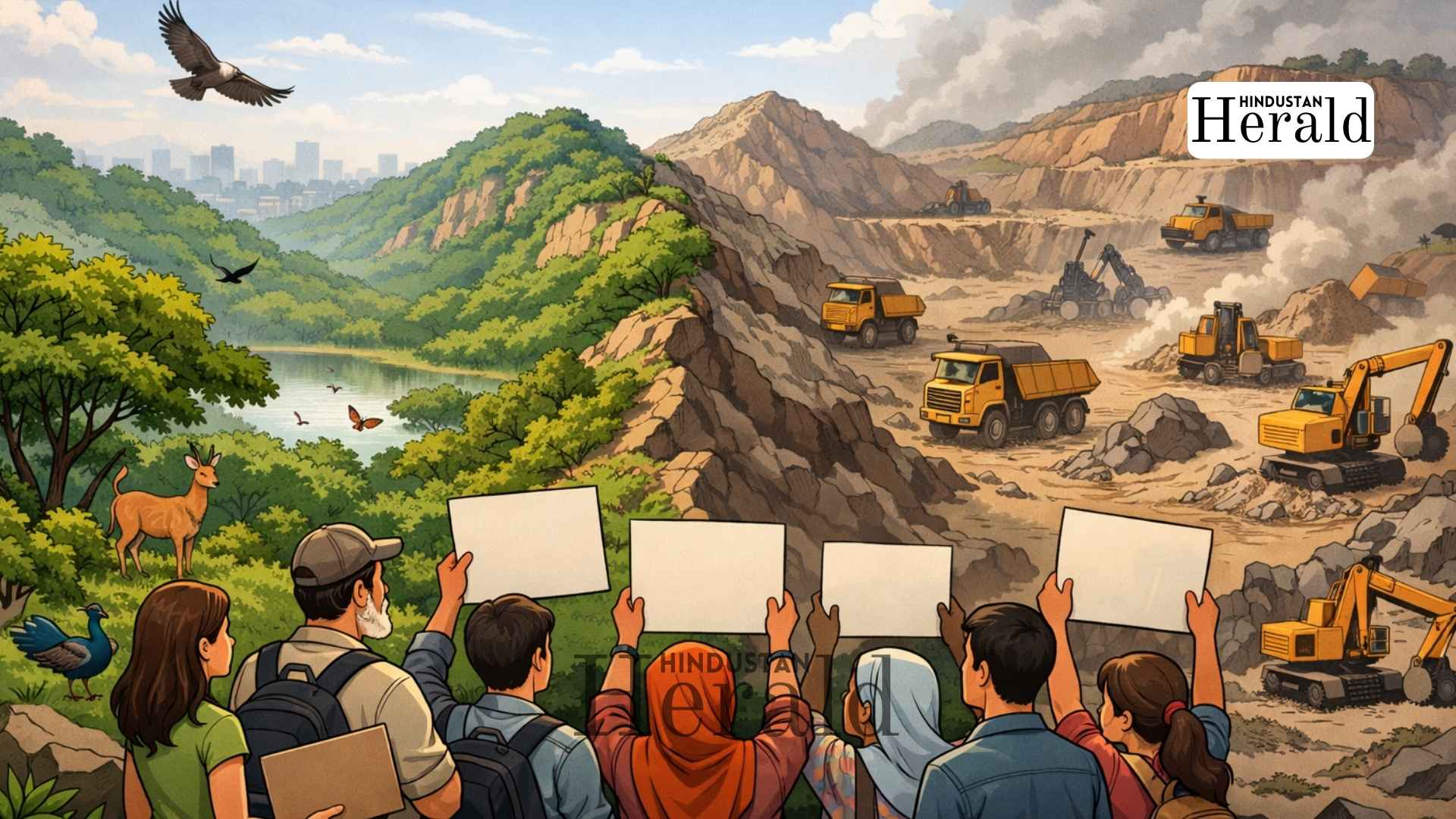
New Delhi, December 23: For most people living in Delhi-NCR, the Aravalli hills are not something they see every day. They sit quietly behind glass towers, highways, and construction sites. Yet over the past few days, these old hills have suddenly become the centre of angry debates, protests, and late-night social media arguments.
What changed was not a new mining raid or a fresh forest fire. What changed was a court order.
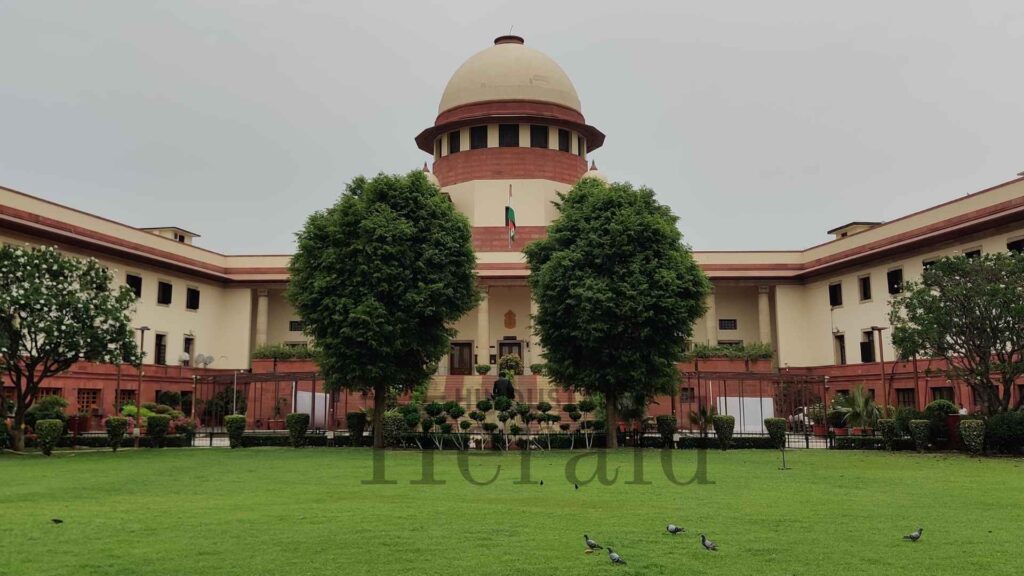
A judgment delivered last month by the Supreme Court has redefined what legally counts as the Aravalli hills. That decision, though wrapped in legal language, has landed hard on the ground. Many now fear it could weaken protection for large parts of the Aravalli landscape, especially around Gurugram and Faridabad.
That fear is what has pushed #SaveAravalli into the spotlight.
What The Court Actually Said, In Simple Terms
The court accepted a new rule that says only land above 100 metres in height will officially be treated as part of the Aravalli hills.
To the average citizen, that may sound harmless. To environmental groups, it is anything but. Large low-lying areas that were earlier treated as part of the Aravalli ecosystem now fall outside this definition. These are areas that help store groundwater, block desert winds, and keep temperatures in check. Once they lose protection on paper, people worry they may slowly lose it on the ground too.
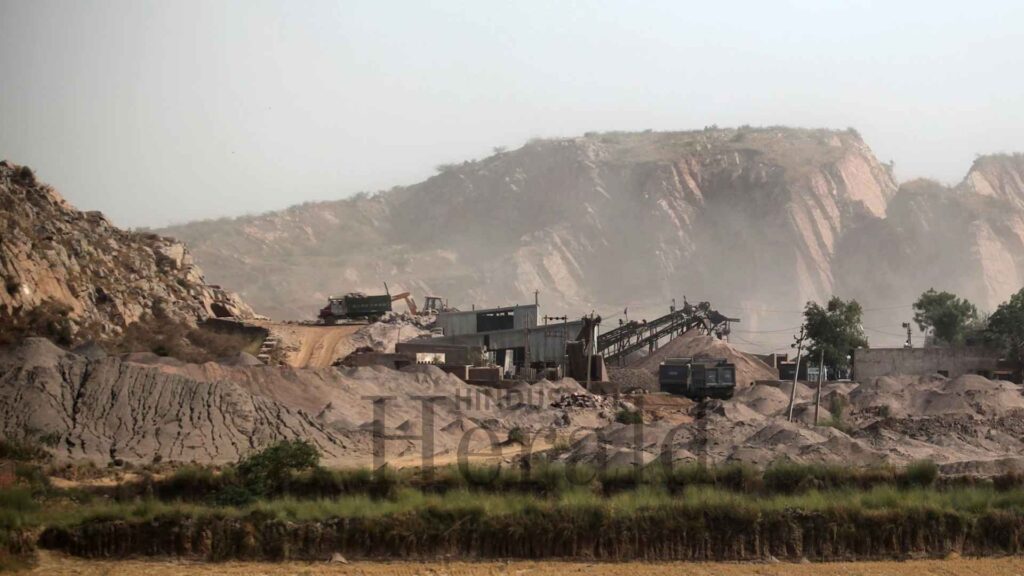
The court did add an important condition. It was ordered that no new mining leases should be given anywhere in the Aravalli range until a detailed Mining Plan for Sustainable Mining is prepared. This plan is to be drawn up by the Indian Council of Forestry Research and Education.
So for now, mining is officially paused. But many are asking what happens next.
Why Ordinary People Are Worried
The anger is not about tomorrow morning. It is about the years ahead. People who have lived around the Aravallis know what happens when protection weakens. First come roads. Then warehouses. Then, mining trucks at night. By the time action is taken, the damage is already done.
That is why slogans like “No Aravalli, No Life” are striking a chord. For residents of NCR, these hills help keep dust storms away, recharge borewells, and soften extreme heat. When the Aravallis shrink, daily life becomes harder.
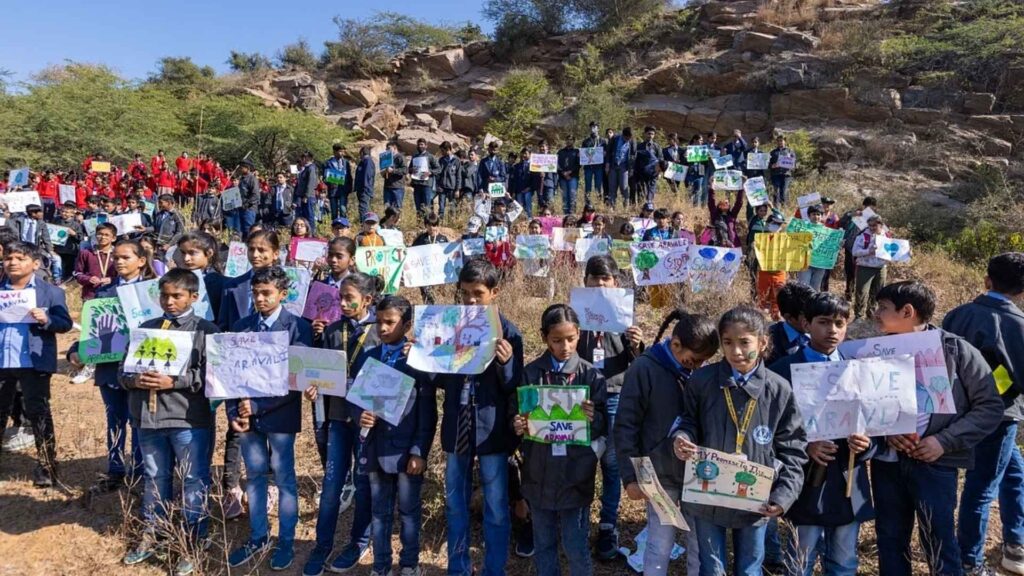
Students, housing societies, and environmental groups have taken to protests and online campaigns. What began as posts on social media has spilled onto the streets, especially in Delhi, Gurugram, and parts of Rajasthan.
Political leaders have also joined the noise. Opposition parties say the new definition could quietly open the door for future mining and construction in areas that were earlier protected, even if nothing changes immediately.
The Government Says Fears Are Being Overstated
The government, meanwhile, says the panic is unnecessary. Union Environment Minister Bhupender Yadav has said clearly that mining is not allowed in the NCR Aravalli areas right now. According to official statements issued on December 22 and 23, the court has not relaxed any mining rules, nor has it permitted fresh activity.

The government argues that confusion over what exactly counts as the Aravallis has helped illegal mining thrive for years. By fixing boundaries and freezing new leases until a scientific plan is ready, it says, enforcement will actually improve.
Officials also point out that once the mining plan is prepared, any future activity will still need strict environmental clearances. Nothing, they insist, will happen quietly. In Rajasthan, the chief minister has also said that the Aravalli range will not be tampered with, a statement aimed at calming fears in mining-sensitive districts.
The Problem That Never Went Away
Despite these assurances, people remain unconvinced, and for good reason.
Illegal mining in the Aravallis has a long history. RTI data cited in recent reports shows that nearly ₹25 crore in penalties were imposed between 2010 and 2022 for illegal mining in the Aravalli areas of Gurugram, Faridabad, and Nuh. Activists say this only scratches the surface.
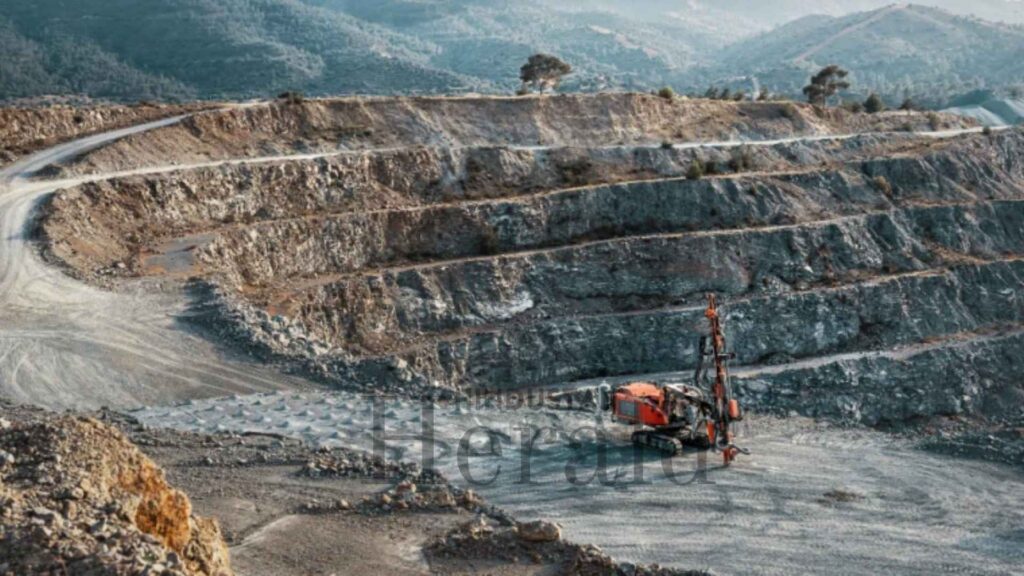
Night-time mining, they allege, still happens in forest pockets where monitoring is weak. Court orders have come and gone. So have crackdowns. Yet the trucks return. This is why many see the new definition as risky. If enforcement struggled earlier, they ask, will it improve now?
Why This Matters Beyond Courts And Politics
The Aravallis are among the oldest mountain ranges in the world. They stretch over 700 kilometres and cut across four states. But for people living nearby, they are not just a geological feature.
They are a buffer against heatwaves. A shield against dust. A quiet water bank beneath the soil. For now, nothing has changed on the ground. Mining is still banned in the NCR Aravalli areas. No new leases can be issued until the mining plan is ready. Any future decision will face legal challenges and public resistance.
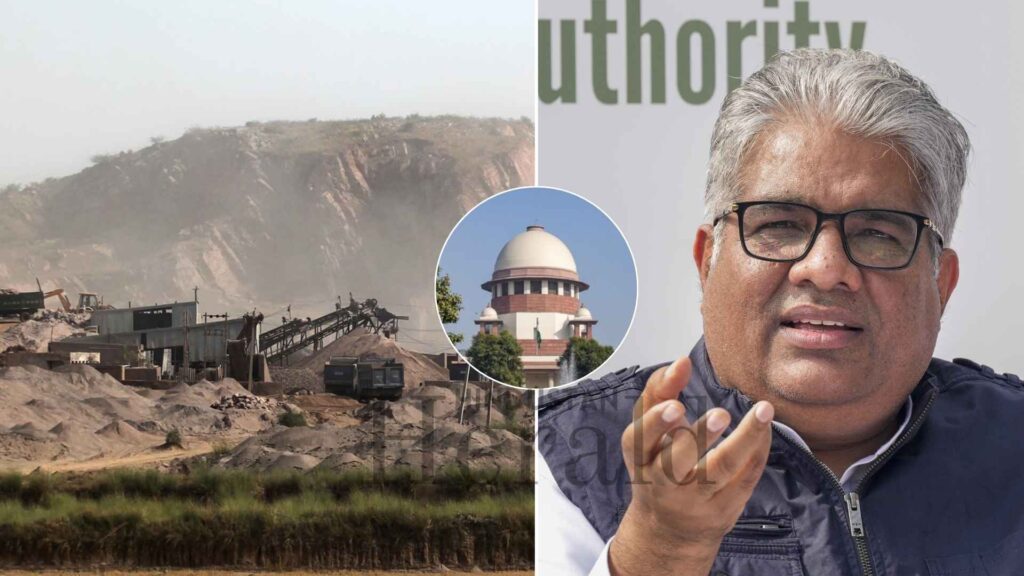
Still, the debate has exposed a deeper issue. People no longer trust that environmental protection will survive once attention fades. The Aravallis have lasted millions of years. Whether they survive unchecked development is a question that cannot be answered by court definitions alone.
For now, the hills remain. The arguments around them are only getting louder.
Stay ahead with Hindustan Herald — bringing you trusted news, sharp analysis, and stories that matter across Politics, Business, Technology, Sports, Entertainment, Lifestyle, and more.
Connect with us on Facebook, Instagram, X (Twitter), LinkedIn, YouTube, and join our Telegram community @hindustanherald for real-time updates.

Covers Indian politics, governance, and policy developments with over a decade of experience in political reporting.
- Ananya Sharma

- Ananya Sharma
- Ananya Sharma
- Ananya Sharma