
 By Neeraj Kapoor and Kavita Iyer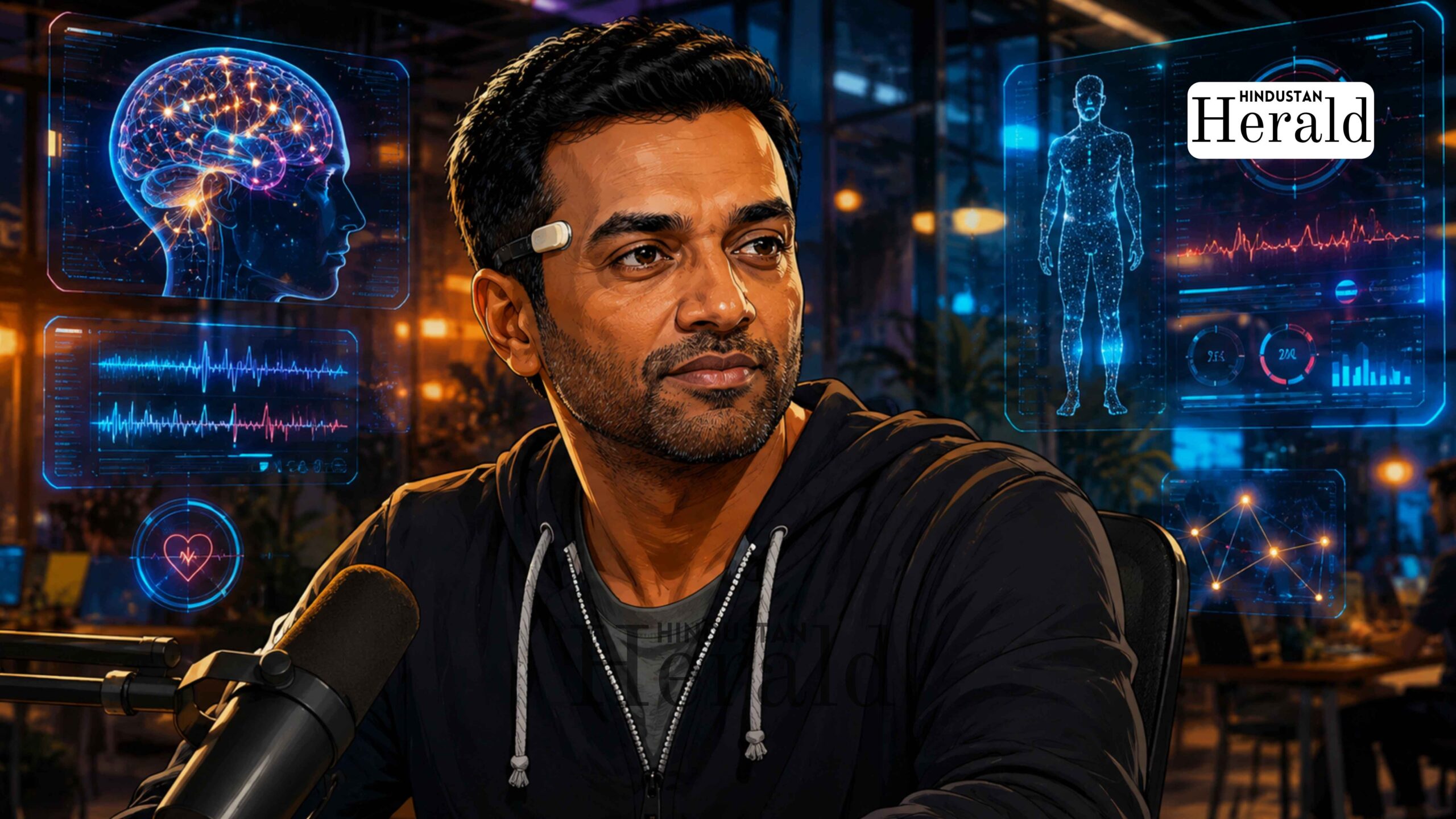
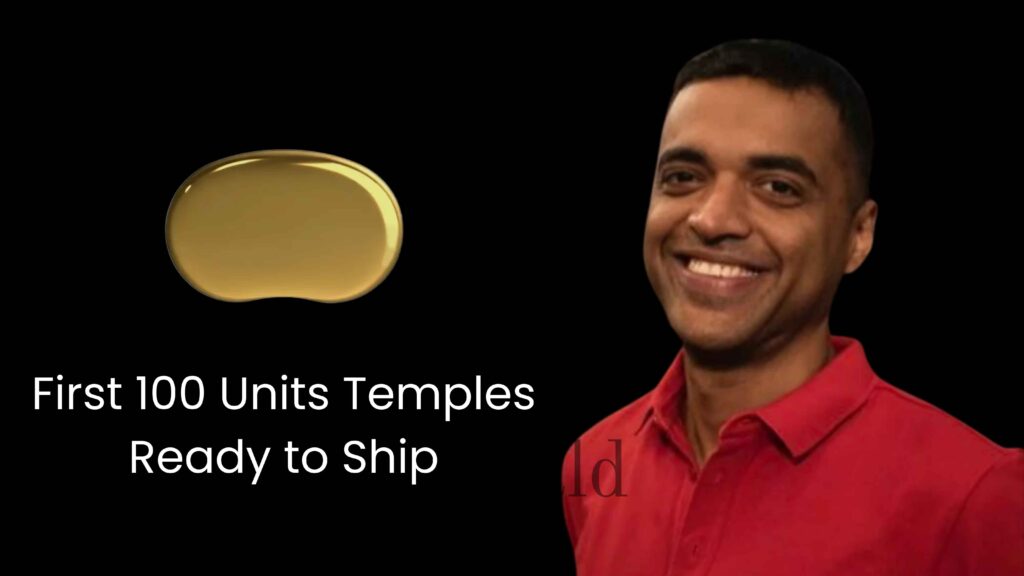
New Delhi, May 6: Deepinder Goyal has never been a man to stay in one lane. The founder and CEO of Zomato built one of India’s most recognisable consumer internet brands, watched it evolve into Eternal, and somewhere in between, quietly began working on something far more personal and far more ambitious. On May 5, he announced on X that the first 100 units of his health-tech venture, Temple, are ready for shipment, opening early access applications to a carefully defined group of founding users.
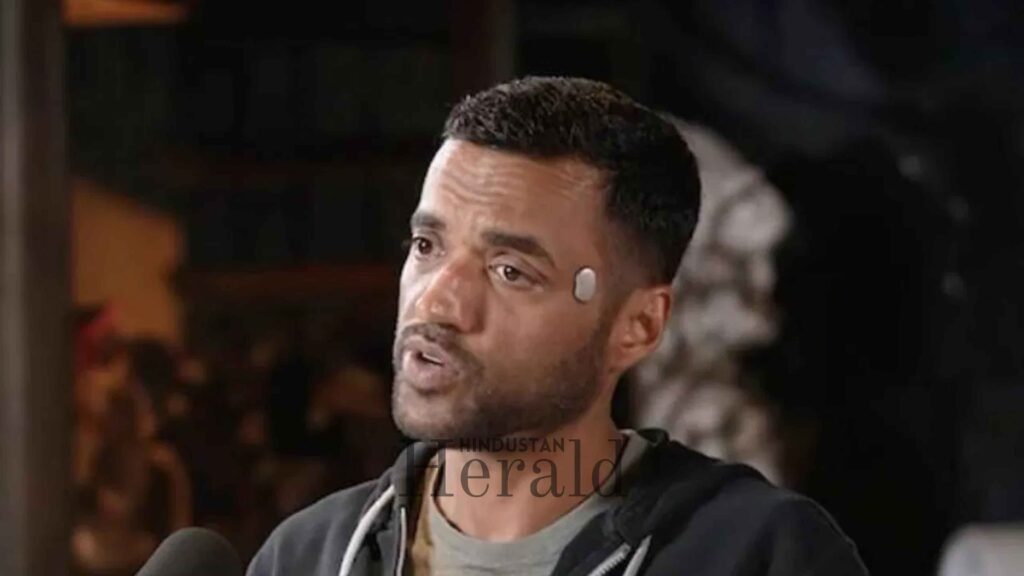
It is a small batch by any commercial standard. But in the world of deep-tech health wearables, 100 units can matter enormously, because what Goyal is attempting with Temple is not a product launch in the conventional sense. It is, as per available information, an experiment, one aimed squarely at understanding what the human body, and specifically the human brain, is doing in real time.
What Temple Actually Is
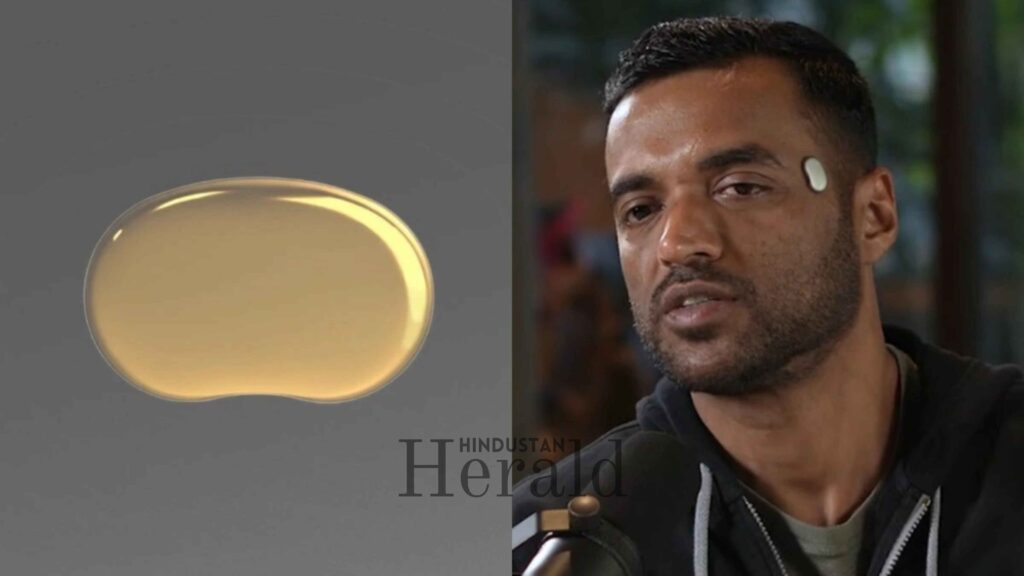
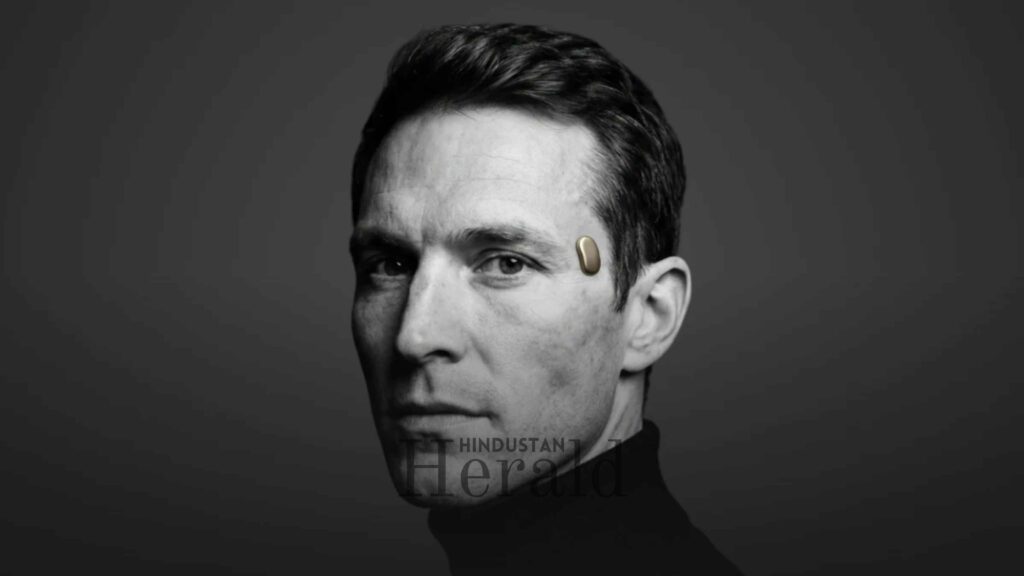
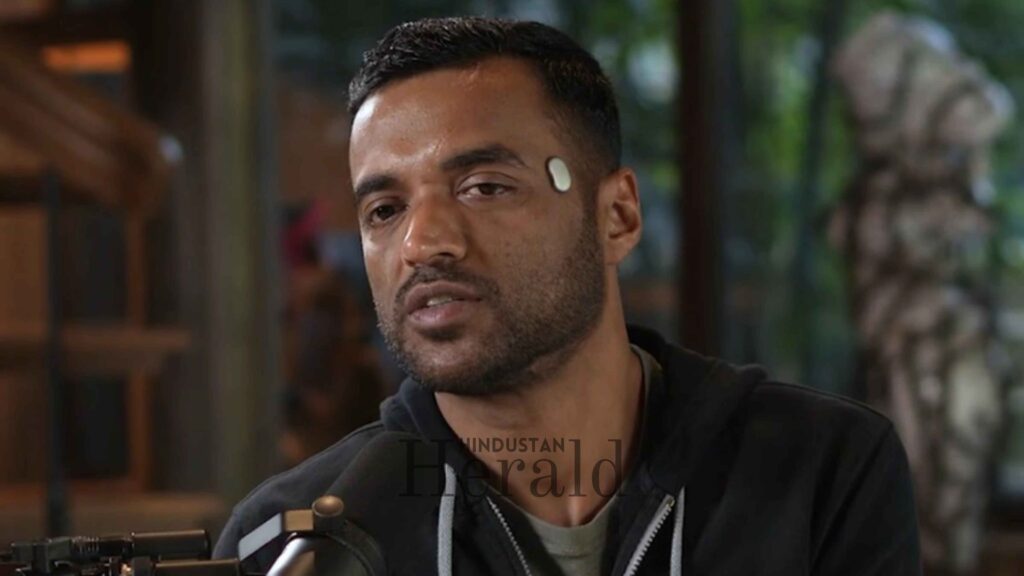
Temple is defined as a brain flow monitor that tracks blood flow to the brain accurately, in real time, and continuously. The device is not worn on the wrist like a conventional smartwatch. It is designed to sit near the temple and track cerebral blood flow in real time, described as a non-invasive sensor aimed at observing how blood circulation to the brain changes with posture, activity, and stress states.

The choice of placement is deliberate and carries scientific reasoning. According to details shared on its website, the placement allows the device to capture biological signals such as blood flow and skin activity with greater accuracy, owing to thinner tissue and dense vascular structures in that area. The company describes Temple as a “precision instrument” aimed at improving training, recovery, sleep and work performance.
Put plainly, the device rests where the skull is thin, the arteries are close to the surface, and the signal is cleaner. It is a design choice that separates Temple from the wrist-worn fitness trackers that have crowded the Indian and global market for the better part of a decade.
The 100-Unit Early Access Rollout
The early access programme is designed to gather feedback rather than drive sales. Applicants will be shortlisted based on their potential to contribute to product development. Goyal was direct about what he is looking for in this first cohort. He said the initial cohort will include “athletes, scientists, founders, doctors, creators, and individuals who care deeply about their physical and cognitive health,” referring to them as the product’s founding users.
The selection criteria are telling. Goyal is not chasing early adopters who simply want a gadget. He is reaching for people whose daily lives generate physiologically meaningful data, people under performance pressure, cognitive load, or physical stress, whose feedback could genuinely shape what Temple becomes. Selected users may be offered a chance to invest in the company’s next funding round, which adds a financial dimension to the early-access arrangement and signals that Goyal sees these founding users as stakeholders, not just beta testers.
The “Gravity Ageing Hypothesis” and the Science Question
What makes Temple particularly interesting, and in some quarters, controversial, is the intellectual framework behind it. Goyal has publicly referenced what he calls the “Gravity Ageing Hypothesis,” which suggests that long-term gravitational effects on blood circulation could subtly influence ageing processes by affecting how efficiently blood reaches the brain over time.
It is a bold hypothesis, and the scientific community has not embraced it warmly. The medical community views this as an unverified hypothesis rather than an established biological mechanism. Experts have pointed out that ageing is understood as a multi-factor process involving genetics, environment, metabolic changes, and disease pathways, rather than a single mechanical factor like gravity-driven perfusion decline.
Still, Goyal has been careful not to stake Temple’s entire value proposition on this single idea. He has indicated that the usefulness of the device may not depend entirely on whether this hypothesis is correct. Even if the gravity-based framing does not hold in its current form, the underlying data on physiological patterns could still have exploratory value.
That is a fair distinction to draw. The history of medical devices is full of instruments that generated useful clinical insights before the underlying biological theory was fully worked out. The question is whether Temple can get there without cutting corners on validation.
As it turns out, that question is precisely what the early access programme is designed to address. The 100 founding users are not customers in the traditional sense. They are, in effect, participants in an extended real-world study whose data will either support or challenge the device’s core claims.
Funding, Backers, and the Money Behind Temple
Temple is not a side project bankrolled from Goyal’s personal savings. Temple has raised about $54 million so far as it prepares for a wider rollout, according to media reports. Investors include Steadview Capital, Vy Capital, Info Edge and Peak XV Partners, among others. Several of these backers were also early investors in Zomato.
Info Edge founder Sanjeev Bikhchandani was the food delivery firm’s first backer, while Peak XV Partners led a $35 million funding round in 2013 that helped scale Zomato. The investor overlap is not incidental. It suggests that the people who bet on Goyal in the food-delivery era believe he is capable of building something meaningful in health technology as well. That kind of institutional confidence is rare for a venture this early-stage, and it will carry weight when Temple seeks its next funding round.
Goyal had earlier said that over 30 Temple employees also participated in the funding round at the same valuation as external investors, which points to genuine internal conviction about the company’s direction.
Why This Matters Beyond the Gadget
The Temple launch, even in this limited 100-unit form, lands at a significant moment for India’s health-tech sector. The country has seen a wave of consumer wellness products in recent years, from glucose monitors targeting diabetic populations to advanced fitness trackers aimed at urban professionals. But most of these devices operate at the metabolic or cardiovascular level, tracking heart rate, blood oxygen, glucose, and sleep cycles.
Temple is attempting something qualitatively different: real-time monitoring of cerebral blood flow and, by extension, cognitive states. If it can do this reliably and non-invasively, the implications stretch far beyond personal fitness. Applications in workplace performance, early dementia screening, neurological research, and sports science training become possible.
That said, this is where the responsible caveat matters most. Goyal himself has indicated that it is still under development and has not undergone full scientific validation or regulatory testing. India does not yet have a well-developed regulatory pathway for neurotechnology wearables, and how Temple navigates that landscape will be a defining challenge as the product scales.
For now, the device has also generated organic attention thanks to a well-timed podcast appearance. The device became popular after Goyal was seen wearing it during a podcast. Since then, many users have been curious and eager to try it. That kind of unforced product demonstration, where a founder is visibly using his own creation in a public setting, tends to do more for awareness than any press release.
What Comes Next
While the early access programme signals progress towards a commercial launch, key details such as pricing, specifications and wider availability timelines have not yet been disclosed. Interested users can apply at temple.com, though selection is selective and not guaranteed.
The coming months will be critical. If the 100 founding users generate compelling data and the feedback loop produces meaningful product improvements, Temple could move towards a broader rollout by early 2027. If the science comes under sustained scrutiny or the device fails to perform reliably in the field, Goyal will face difficult questions about claims and credibility.
For now, Deepinder Goyal has done something genuinely rare in Indian tech: he has stepped outside a successful company, backed a deeply contrarian idea with serious capital, and put 100 physical devices in the hands of people who are being asked to test whether the underlying vision holds up. Whether Temple becomes a breakthrough health instrument or an expensive lesson about the gap between hypothesis and clinical proof, it is one of the more intellectually serious bets any Indian entrepreneur has made in recent memory.
Stay ahead with Hindustan Herald — bringing you trusted news, sharp analysis, and stories that matter across Politics, Business, Technology, Sports, Entertainment, Lifestyle, and more.
Connect with us on Facebook, Instagram, X (Twitter), LinkedIn, YouTube, and join our Telegram community @hindustanherald for real-time updates.
Tech writer passionate about AI, startups, and the digital economy, blending industry insights with storytelling.
- Neeraj Kapoor

- Neeraj Kapoor
- Neeraj Kapoor
- Neeraj Kapoor





Former financial consultant turned journalist, reporting on markets, industry trends, and economic policy.
- Kavita Iyer
- Kavita Iyer
- Kavita Iyer
- Kavita Iyer




 Kavita Iyer and Ananya Sharma
  Sandeep Verma and Kavita Iyer