
 By Kavita Iyer and Sandeep Verma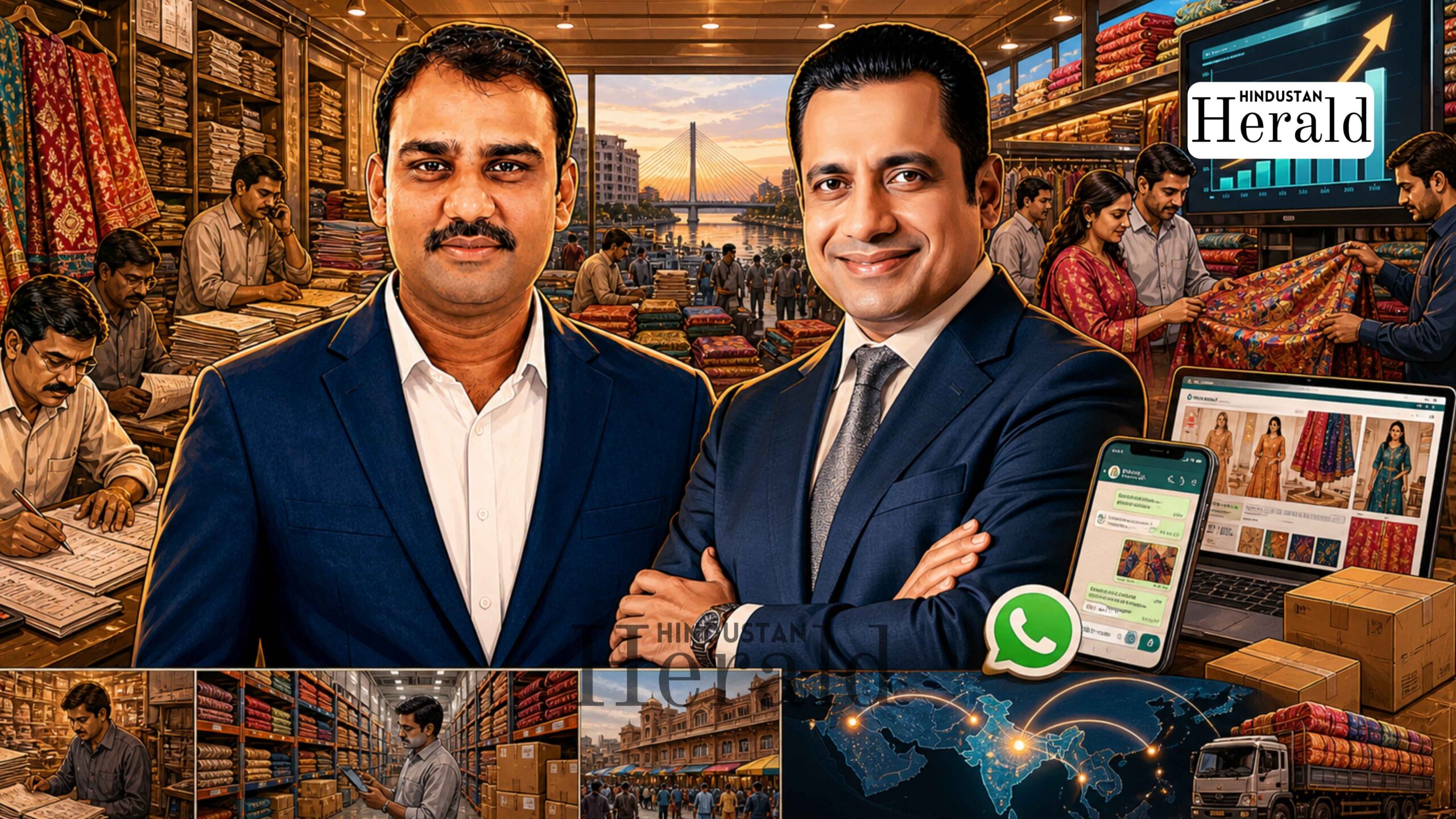
Surat, May 1: Tucked inside Surat’s bustling textile trade, Jai Shree Krishna Fabrics doesn’t look like the kind of business that would make headlines. But Arun Jhanwar, the man behind it, has been quietly building something real a label rooted in Rajasthani ethnic wear that has found genuine traction among buyers who care about authenticity, not just price tags.
The designs have always been the strong suit. Traditional, culturally grounded, but packaged in a way that actually sells. Customers came. Business moved. And yet, somewhere between the orders and the deliveries, growth kept hitting a ceiling that Jhanwar couldn’t quite break through.
Challenges Faced Before the Transformation
The problems weren’t dramatic. There was no single crisis moment. It was the slow bleed of operational gaps that tends to quietly drain small businesses over time.
Repeat customers existed but nobody was really paying attention to them. People who had bought before, bought well, and could easily buy again were essentially being left alone. No follow-ups, no offers, no reason to come back. The concept of customer lifetime value wasn’t being ignored deliberately it just wasn’t on anyone’s radar.
Then there were the receivables. Money owed to the business was sitting in limbo, with no system to chase it down consistently. Cash that should have been cycling back into operations was instead stuck in informal agreements and polite delays. And without a meaningful digital presence, the business was invisible to anyone who didn’t already know it existed.
None of these problems were unusual. Most small textile businesses in India deal with some version of them. But together, they were quietly capping how far Jai Shree Krishna Fabrics could actually go.
Partnership with Bada Business Under the Cash Growth Program (CGP)
Jhanwar didn’t stumble into a solution he went looking for one. The decision to partner with Bada Business Private Limited under Dr. Vivek Bindra’s Cash Growth Program was a deliberate bet on structured thinking over gut instinct.

It wasn’t about inspiration or motivation. CGP is operational it gets into the mechanics of how a business actually runs, and it pushes owners to fix what’s broken rather than just work harder around it. For Jhanwar, that shift in perspective turned out to matter more than he probably expected.
Key Results Post-CGP Collaboration
Revenue Growth
The number that stands out most is 160%. That’s the revenue growth Jai Shree Krishna Fabrics recorded after coming under CGP. It’s the kind of figure that can sound inflated when you read it quickly, but the changes that produced it are traceable and specific not the result of some vague improvement in morale or mindset.
Improved Cash Flow Management
The receivables problem got a proper fix, and the fix was almost embarrassingly simple: track them three times a month, and actually follow up. That’s it. No complex software, no major restructuring just discipline applied consistently.
The result was a 20–25% drop in dues that had been sitting unpaid for over 120 days. That’s real money returning to the business, money that had been technically earned but practically inaccessible. Once it started flowing back in, operations got noticeably smoother.
Leveraging Customer Data for Re-Engagement
The customer data had always been there. What changed was how seriously the business started taking it. Buying patterns were actually analyzed. High-value customers were identified. So were the ones who had gone quiet.
And then rather than waiting for those customers to return on their own the business went to them. A mix of digital outreach and personal contact brought dormant relationships back to life. Some of those conversations turned back into purchases. It sounds obvious in hindsight, which is often how the most effective changes feel.
Membership Card Program for Customer Retention
Still in progress, but the direction is clear. A membership card program is being built to give the business’s best customers a reason to stay loyal and to give the company something it has historically lacked: a predictable, recurring revenue base.
It’s a long-term play. Membership models take time to bed in, and the results won’t be immediate. But the logic is sound if you’ve done the hard work of winning a customer, build something that keeps them.
Digital Transformation
The business now has an actual social media presence. A website. WhatsApp API integration for follow-ups that don’t require someone to manually track every conversation.
None of these are extraordinary moves in isolation. But for a business that previously had almost no digital footprint, building them out has meant that people can now find Jai Shree Krishna Fabrics and when they do, there’s a system in place to convert that interest into a sale.
Entrepreneur’s Perspective
Jhanwar is candid about what changed. “After collaborating with Bada Business under the Cash Growth Program, we have completely changed the way we run our business. From managing receivables to understanding our customers better and building a digital presence, every aspect has improved. This structured approach has helped us unlock growth that we were unable to achieve earlier.”

There’s no theatrics in how he says it. He’s describing a business that was functioning before, but is working better now and he knows exactly what made the difference.
What happened at Jai Shree Krishna Fabrics isn’t a reinvention story. The business didn’t pivot or rebrand or discover some entirely new market. It fixed its basics. It got disciplined about cash, paid attention to its customers, and stopped being invisible online.
That sounds modest. But in practice, for a traditional textile business trying to grow in one of India’s most competitive markets, getting those fundamentals right is genuinely hard and the 160% revenue growth reflects just how much was being left on the table before.
The ethnic wear market isn’t slowing down. Arun Jhanwar now has a business that’s actually built to move with it.
Stay ahead with Hindustan Herald — bringing you trusted news, sharp analysis, and stories that matter across Politics, Business, Technology, Sports, Entertainment, Lifestyle, and more.
Connect with us on Facebook, Instagram, X (Twitter), LinkedIn, YouTube, and join our Telegram community @hindustanherald for real-time updates.

Former financial consultant turned journalist, reporting on markets, industry trends, and economic policy.
- Kavita Iyer

- Kavita Iyer
- Kavita Iyer
- Kavita Iyer




Regional journalist bringing grassroots perspectives and stories from towns and cities across India.
- Sandeep Verma
- Sandeep Verma
- Sandeep Verma
- Sandeep Verma




 Arun Upadhayay