
 By Kavita Iyer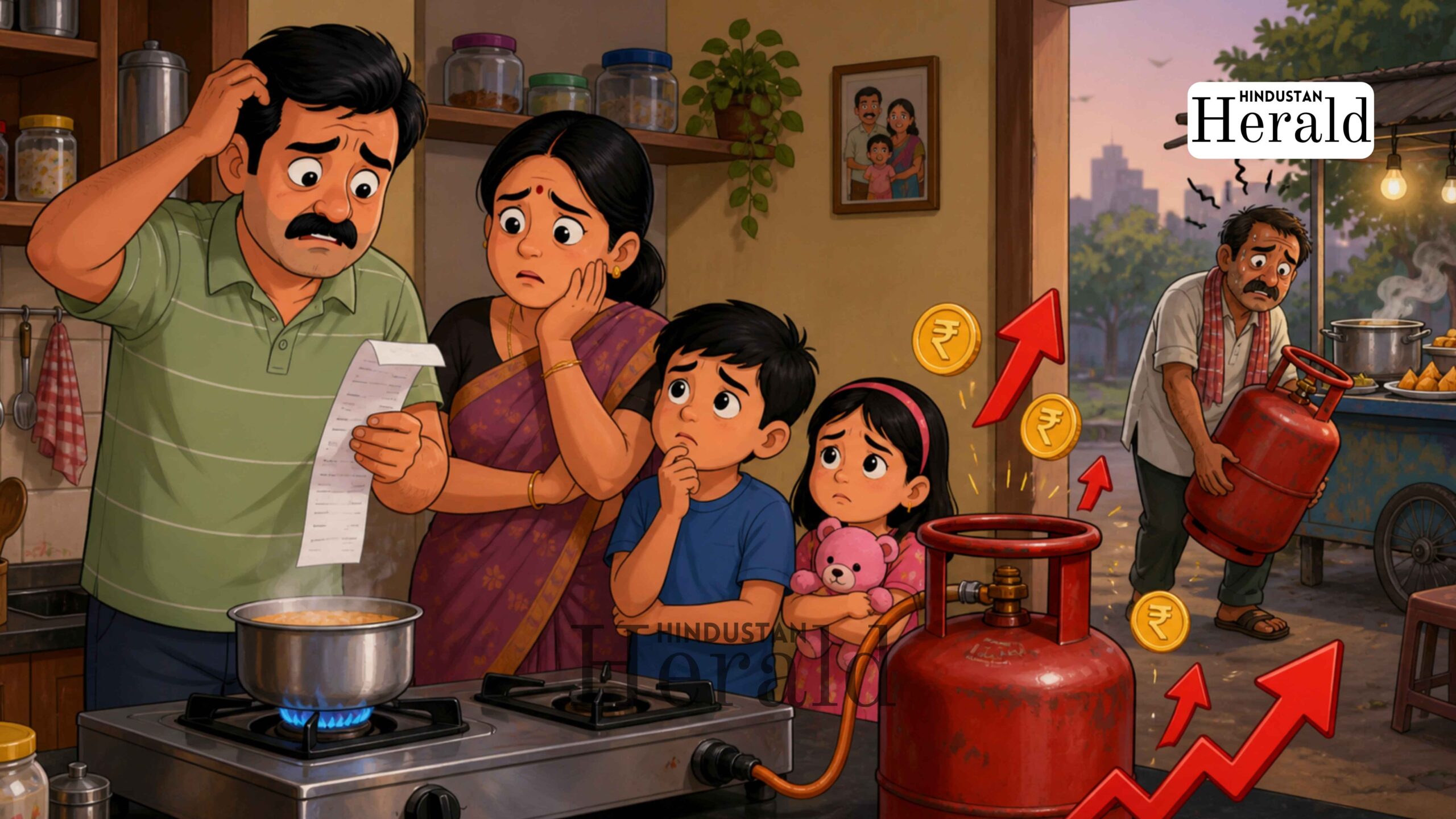
New Delhi, May 1: Your cooking gas cylinder just got more expensive. Again. From today, filling up that familiar red or blue cylinder sitting in your kitchen is going to cost you more than it did last month. Indian Oil, BPCL, and HPCL, the three government-owned companies that control LPG supply across the country, quietly pushed prices up this morning, as they do on the first of every month, with no fanfare and no forewarning to the crores of families this directly affects.
In Delhi, a 14.2 kg domestic cylinder is now reportedly above Rs 900. Mumbai, Chennai, Kolkata, the same story, give or take a few rupees depending on local taxes. The actual number differs slightly from city to city, but the direction is the same everywhere. Up.
So, How Much More Are We Talking
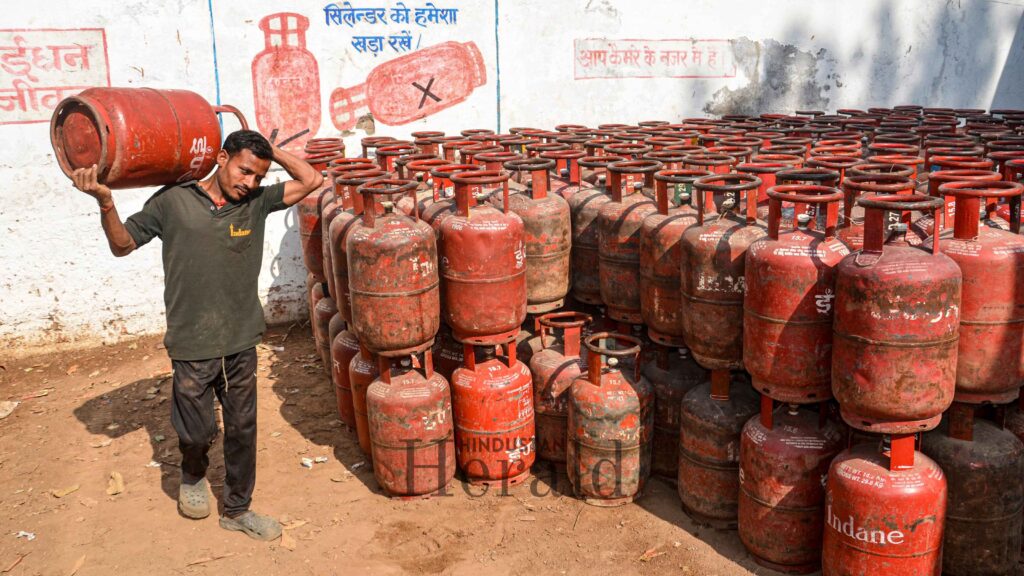
For the cylinder most households use, the 14.2 kg one, the hike is roughly Rs 50 to Rs 75 compared to last month. Sounds manageable? Maybe. But before you shrug it off, think about what that adds up to over a year. A family that refills once a month is now paying somewhere between Rs 600 and Rs 900 more annually just to cook their food. Not on anything extra. Just on the basic act of putting a flame under a pot.
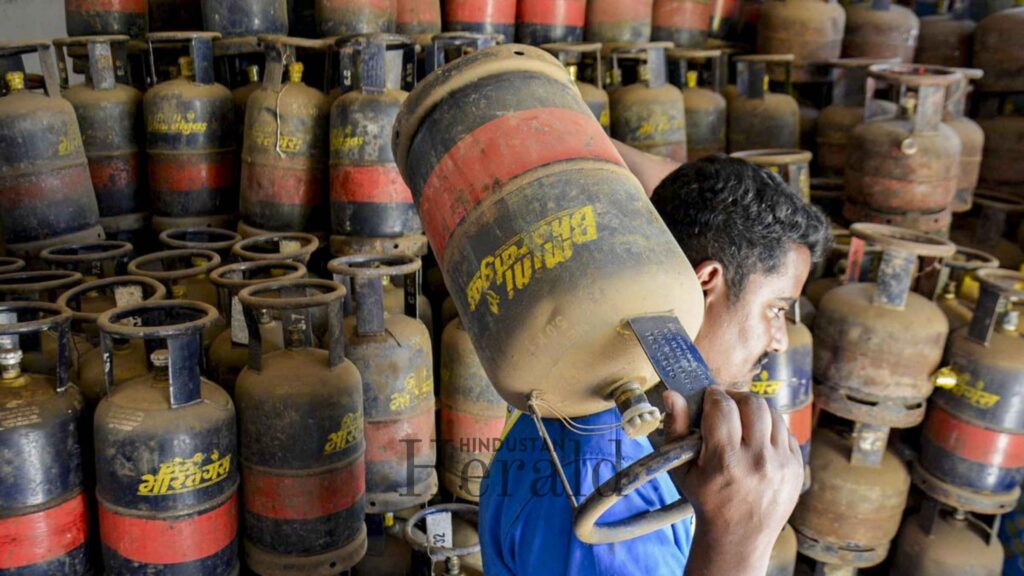
The 19 kg commercial cylinder, the bigger one used by restaurants, tea stalls, dhabas, and canteens, has gone up by an estimated Rs 100 to Rs 150. And the 5 kg small cylinder, which was supposed to make things easier for poorer households that cannot afford to pay for a full-sized refill in one go, has also gone up, though by a smaller amount.
Why Does This Keep Happening
Fair question. And the honest answer is that the companies fixing these prices every month are not pulling numbers out of thin air. LPG prices in India are tied to what the fuel costs on the international market, how the rupee is performing against the dollar, and what it costs to ship and distribute the gas across the country. When any of those things move in the wrong direction, prices here go up. Right now, global LPG supply has tightened, the rupee has not been doing great, and the result lands in your kitchen.
That does not make it easier to swallow. But it explains why this is not simply a government decision to squeeze people it is, at least partly, the world market doing what it does, and Indian consumers absorbing the impact at the end of the chain.
The Family That Feels It Most
Now here is the part that does not get talked about enough. When we say LPG prices went up, we tend to picture a middle-class household in a city apartment doing a quick mental calculation and moving on. But the people who feel this the hardest live nowhere near that picture.
Think about a family in rural Uttar Pradesh or Jharkhand or Odisha a family that got their first gas connection under the Pradhan Mantri Ujjwala Yojana, the government scheme that connected over 10 crore poor households to cooking gas since 2016. For many of these families, getting that cylinder was genuinely life-changing. No more collecting firewood. No more smoky kitchens. No more women and children inhaling dangerous fumes every time a meal was cooked.
But getting the connection and being able to afford refills are two completely different things. And the uncomfortable truth is that many Ujjwala beneficiaries were already struggling hard to pay for refills even before today. Some had already started mixing using gas for some meals, going back to firewood or dried cow dung for others, because that is what the budget allowed.
Every price hike nudges more of these families a little further back toward exactly the situation the government spent years and significant money trying to get them out of. Nobody advertises that. It just quietly happens.
Your Neighbourhood Dhaba Is Feeling It Too
Walk into any small restaurant or roadside food stall and the person running it is doing the same math you are, except on a much larger scale.
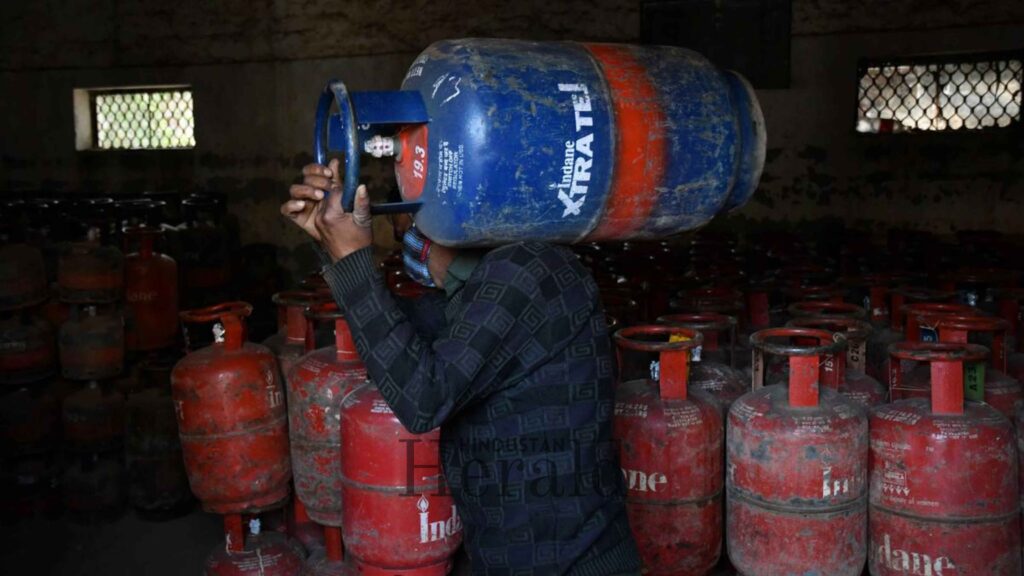
A decent-sized dhaba or small restaurant typically goes through 15 to 25 commercial cylinders a month. At today’s revised prices, that is an extra Rs 1,500 to Rs 3,750 per month in costs just on gas, before anything else changes. These are not businesses with fat profit cushions. Most of them run on wafer-thin margins, feeding working people affordable meals in a country where eating out for many is not a luxury but a daily necessity.
What usually happens next is predictable. The dhaba owner holds on for a few weeks hoping things improve. They do not. So quietly, without any announcement, the price of a plate goes up by Rs 5 or Rs 10. The portion gets a little smaller. The quality of oil used dips a notch. Nobody notices until they do.
What Is the Government Saying
As of this morning, not much. The Ministry of Petroleum and Natural Gas has not put out any statement beyond the routine pricing revision process. No announcement of fresh subsidy support, no indication that any relief is being considered for now.
There was a period in 2022 and 2023 when global energy prices went through the roof and the government stepped in, offering a Rs 200 per cylinder subsidy specifically for Ujjwala beneficiaries to cushion the blow. That intervention is not in place in the same form today. The Direct Benefit Transfer system still exists for eligible households, but the amounts are much smaller than they were at the peak. If you are a Ujjwala beneficiary, check with your local distributor about what, if any, subsidy credit is currently being applied to your account because the timing of these credits can lag behind price revision dates.
Politically, LPG is always a sensitive number. Governments know this. Opposition parties know this. Voters know this. Whether the pressure from today’s revision builds enough for any policy response a subsidy announcement, a price rollback, something, depends on how things play out over the next few weeks and what signals come from state-level political allies.
What You Can Do Right Now
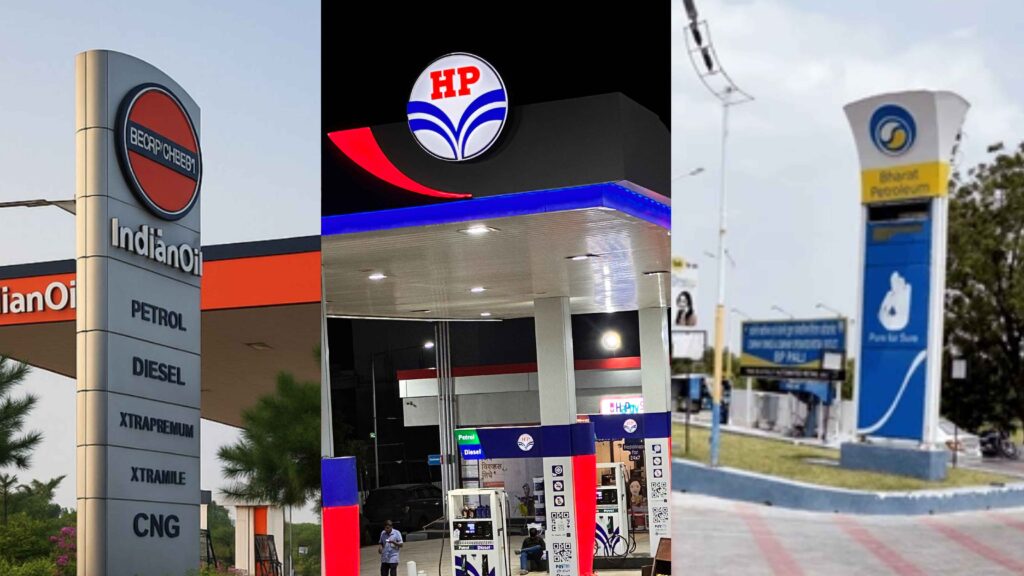
If you want to know the exact revised price in your city today, go directly to the IndianOil, BPCL, or HPCL websites or call your registered gas dealer. Prices genuinely differ by city, sometimes by as much as Rs 80 on the same cylinder, so do not assume the Delhi number applies to you if you are in Pune or Patna.
Book your refill the usual way. Pay the revised price. And mentally mark the date, because this will probably not be the last revision you see this year.
The Thing Worth Saying Out Loud
India has made real progress in getting people off dirty fuels and onto cleaner cooking gas. That progress is genuine and it matters for health, for the environment, for the daily quality of life of millions of women who spent decades cooking in smoke-filled rooms.
But that progress is not permanent if people cannot afford to sustain it. Clean cooking is not a one-time achievement. It is a habit that has to remain financially possible to stick around. When it becomes too expensive, families do not stop eating. They just go back to whatever is free or cheap, and the health consequences go back with them.
That is the part of this story that a rupee-per-cylinder headline does not capture. And that is the part that deserves more attention than it gets every time prices go up, and the news cycle moves on by afternoon.
For now, though, India cooks on. A little more expensive than yesterday.
Stay ahead with Hindustan Herald — bringing you trusted news, sharp analysis, and stories that matter across Politics, Business, Technology, Sports, Entertainment, Lifestyle, and more.
Connect with us on Facebook, Instagram, X (Twitter), LinkedIn, YouTube, and join our Telegram community @hindustanherald for real-time updates.

Former financial consultant turned journalist, reporting on markets, industry trends, and economic policy.
- Kavita Iyer

- Kavita Iyer
- Kavita Iyer
- Kavita Iyer




 Sandeep Verma