
 By Sandeep Verma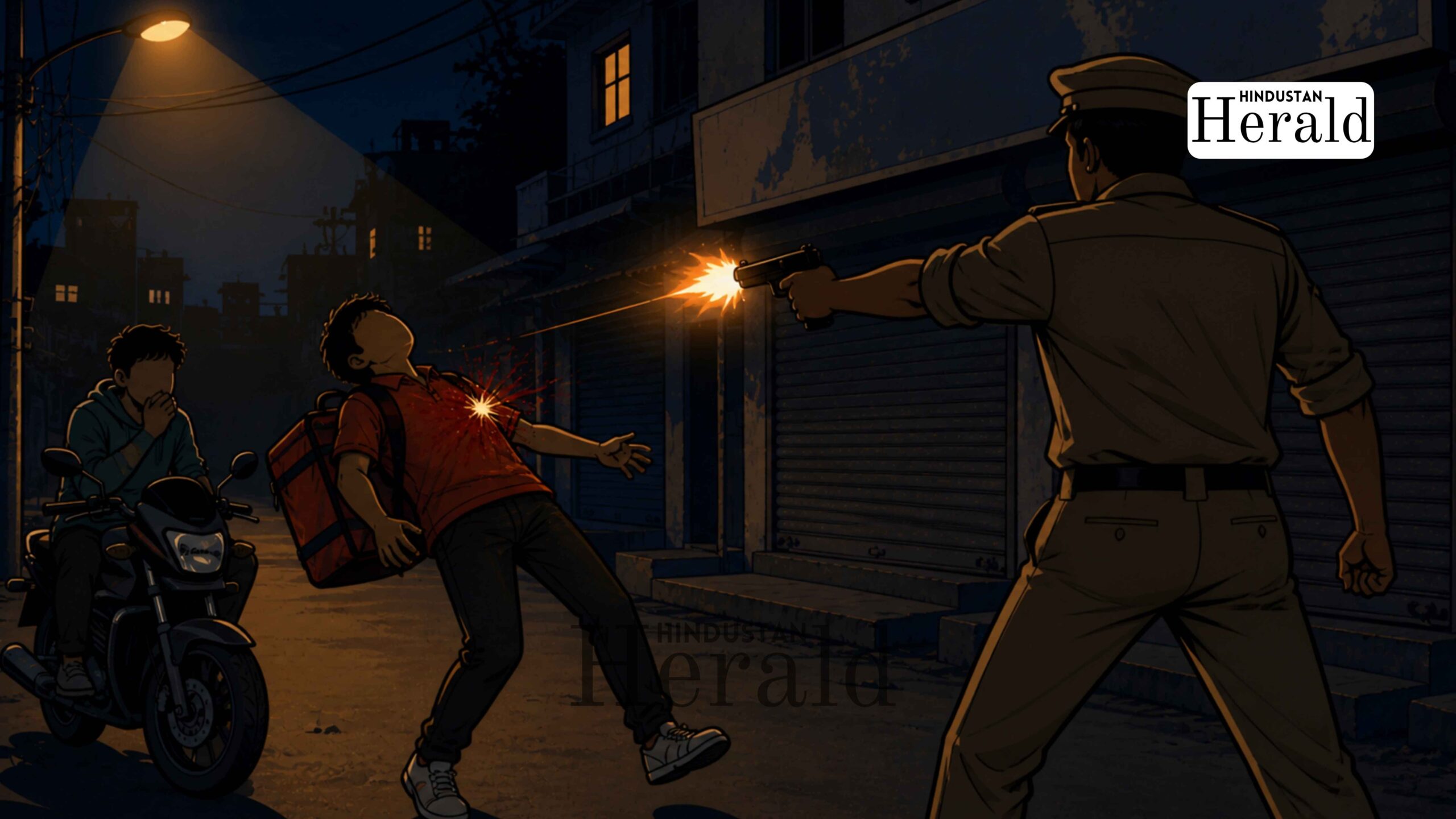
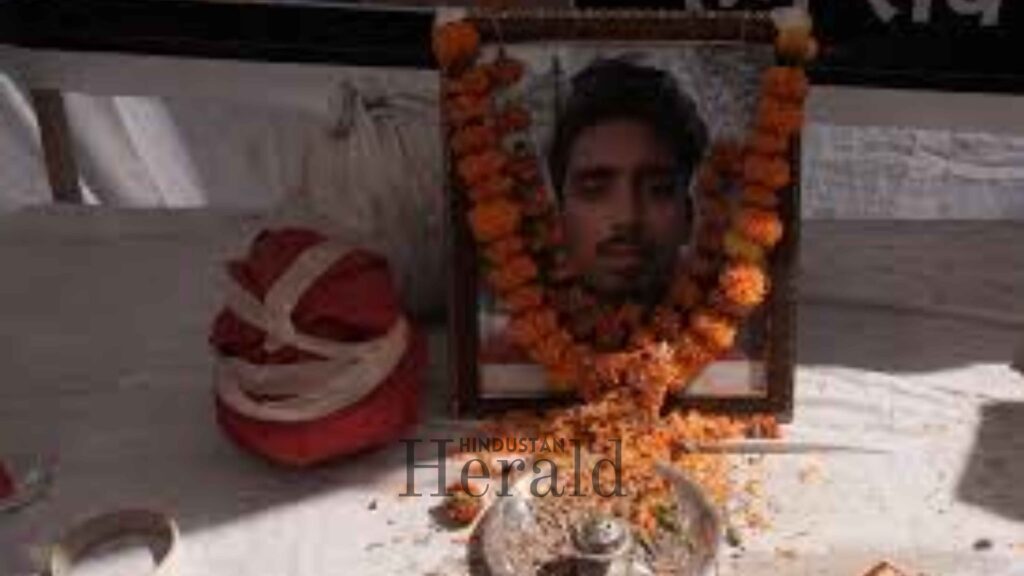
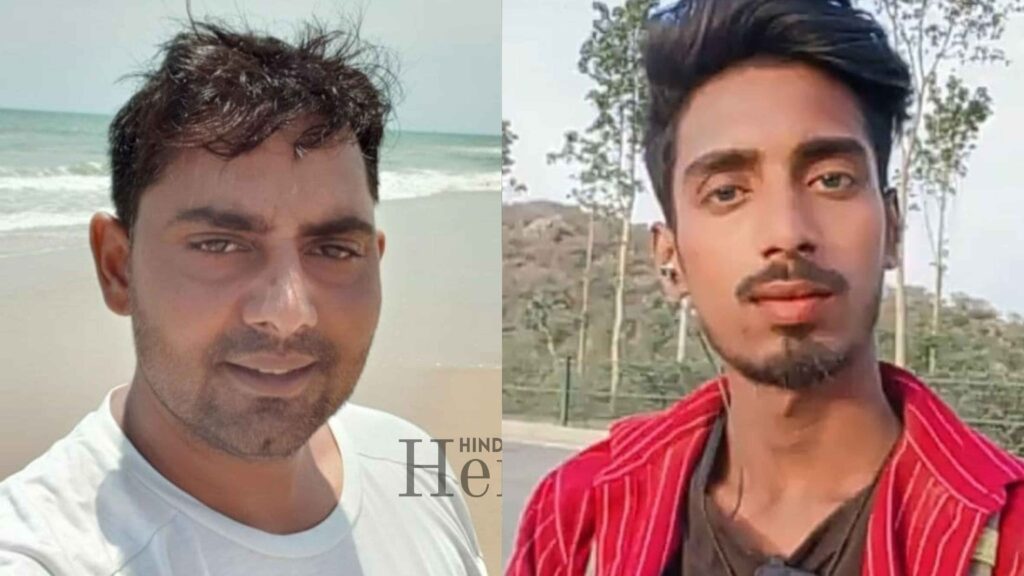
New Delhi, May 1: Pandav Kumar went to a birthday party. He never came back. That is really all you need to know to understand why this case has shaken so many people across the country. A 22-year-old boy from a small district in Bihar, working as a food delivery agent in Delhi to keep his family afloat, stepped out on a Saturday night to celebrate a friend’s child’s second birthday. By 2 in the morning, he was dead. Shot in the chest. On a public road. By a cop.
Not robbed. Not caught in a crossfire. Shot by a Delhi Police head constable named Neeraj, who, according to everyone who was standing there, got angry because the group was speaking in Bhojpuri.
Let that sit for a moment.
The Night It Happened
Rupesh Kumar had organised a small birthday gathering at his home in Jaffarpur Kalan, a locality in southwest Delhi’s Dwarka area. About ten people came, mostly friends and cousins, the kind of low-key celebration that happens in migrant worker homes across Delhi every single weekend. When it wound down past midnight, some people left by car. The rest stayed on the road outside for a few minutes, the way you do, nobody wants to leave right away after a good time.
Six of them were still there around 2 AM. Three on a motorcycle, two on a scooter, one standing beside them. They were talking, cracking jokes, laughing a little loudly maybe, switching between Hindi and Bhojpuri the way people do when they are relaxed and among their own.
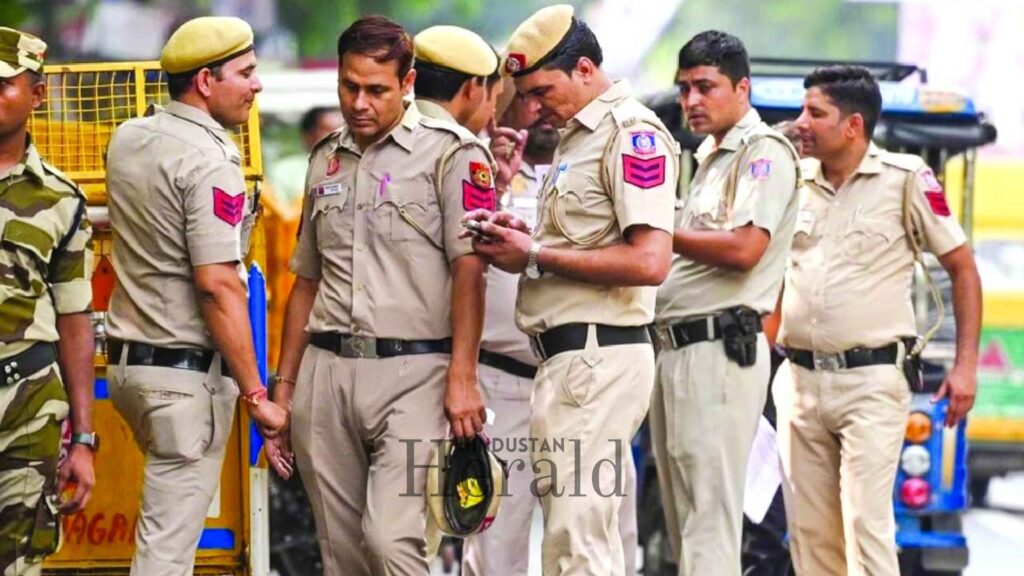
Above a shuttered real estate office on that road, a window was open. A man named Neeraj lived there. He is a head constable with the Delhi Police Special Cell the department’s elite unit that handles terror cases and serious organised crime. That night he was off duty. And apparently, the sound of Bihari men speaking their own language at 2 AM outside his building was more than he could take.
He came downstairs.
According to Rupesh and the other witnesses, Neeraj did not ask them to keep the noise down. He did not ask them to leave politely. He started abusing them. Told them they were Bihari and had no business being there. Said people like them were taking over the area. Abused their mothers and sisters.
Pandav Kumar, by all accounts, said one thing in response. He asked Neeraj not to speak about them that way.
That was it. That was the full extent of Pandav’s provocation.
Neeraj pulled out a gun and fired.
The bullet went straight into Pandav’s chest. It passed clean through him and hit Krishan, who was sitting behind Pandav on the motorcycle, in the stomach. The group scrambled. Someone called for help. Both men were rushed to hospital. Krishan survived. Pandav did not. He was declared dead before doctors could do anything for him.
Back in Uttam Nagar, his mother Meena Devi was at home, waiting for her son to return from work. The call she got instead told her she would not be able to see his body until after the post-mortem was done.
The Cop Was Caught, But That Is Only the Beginning
Delhi Police did move quickly on this, to their credit. Neeraj had run after firing. He hid somewhere in the Jaffarpur area itself, which, depending on how you look at it, says something about how confident he felt. Officers tracked him down the following night and arrested him within 24 hours of the killing. He has been charged with murder and attempted murder.
Good. He should be.
But here is where it gets complicated, and where the family and a lot of people watching this case are right to be worried.
Neeraj is not some random civilian with an illegal weapon. He is a serving police officer in one of Delhi Police’s most prestigious postings. He carried that gun because the state gave it to him. He had that authority because the institution trusted him with it. And when this case goes to trial, the same institution, the Delhi Police, will be the one handling evidence, managing witnesses, and conducting its own internal inquiry.
The family has already pointed out that when reporters visited their protest site, a Delhi Police officer came, sat in a chair for a couple of minutes without speaking to anyone, and left. That was apparently the extent of police outreach to a grieving family whose son was killed by one of their own colleagues.
The family has been direct about what they fear: that because the accused is “one of their own,” the investigation will be handled gently, witnesses will be discouraged, and eventually the case will slow down and fade like so many others before it.
Who Was Pandav, Really
Politicians and TV anchors have been talking about Pandav Kumar for a week now. Most of them have never had to live the way he lived, which means most of them are missing the full picture.
His family came to Delhi from Khagaria district in Bihar in the early 2000s, when Pandav was still a small child. They rented a single room ten feet by twelve feet on the terrace of a commercial building in Uttam Nagar’s Kumhar Colony. Five people lived in that room. His parents, both in their sixties, are neither working. His younger brother, who is still studying and was entirely dependent on Pandav’s income. And his niece the daughter of his elder sister Kajal, who died in disputed circumstances back in Bihar.
Pandav had gone and brought the child to Delhi himself. He had promised to raise her. He was paying for her too, out of the same delivery earnings that covered the rent and the groceries and everything else.
He had dropped out of his own education to do all of this. He worked as a Swiggy or Zomato-type delivery agent, the kind of job where you are on a two-wheeler in Delhi traffic for eight to ten hours a day, rain or summer, making enough to just about keep a family going.
The delivery boxes were still on the shelf in that room when reporters visited. His mother kept collapsing. His aunt was trying to hold the family together while also demanding, with complete clarity, that Neeraj be hanged. The younger brother, still a student, has no idea how the rent gets paid next month.
This is what one bullet does to a family like this. It does not just kill one person. It takes down everyone who was leaning on him.
What the Politicians Said (and Did Not Do)
Once a case like this becomes national news, politicians show up. Some of them genuinely mean well. Some of them are calculating how many votes are in it. It is often hard to tell the difference.
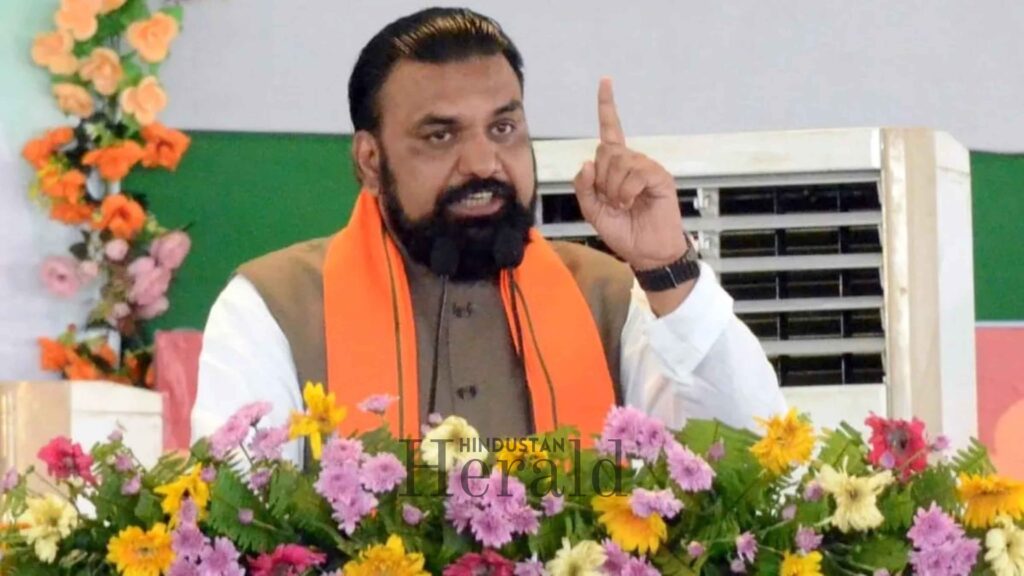
Bihar CM Samrat Choudhary announced Rs 8 lakh in ex-gratia Rs 4 lakh from the Labour Department and Rs 4 lakh from the Chief Minister’s Relief Fund. Decent, as these things go. Union minister and LJP chief Chirag Paswan called it tragic, said he would speak to Home Minister Amit Shah about it, and reportedly rang the Delhi Police Commissioner too. Rajesh Verma, the MP from Khagaria, visited the family.
Tejashwi Yadav from the RJD said what many people were thinking: that in the current political setup, being Bihari has effectively been turned into a crime, and that every person in the chain of authority in that area right up to the Prime Minister, belongs to the same ruling party that has allowed this atmosphere to build.
AAP held a press conference and demanded Rs 1 crore in compensation, a government job for one family member, and immediate strict action. They also pointed out that the Delhi CM had not visited the family even four days after the killing.
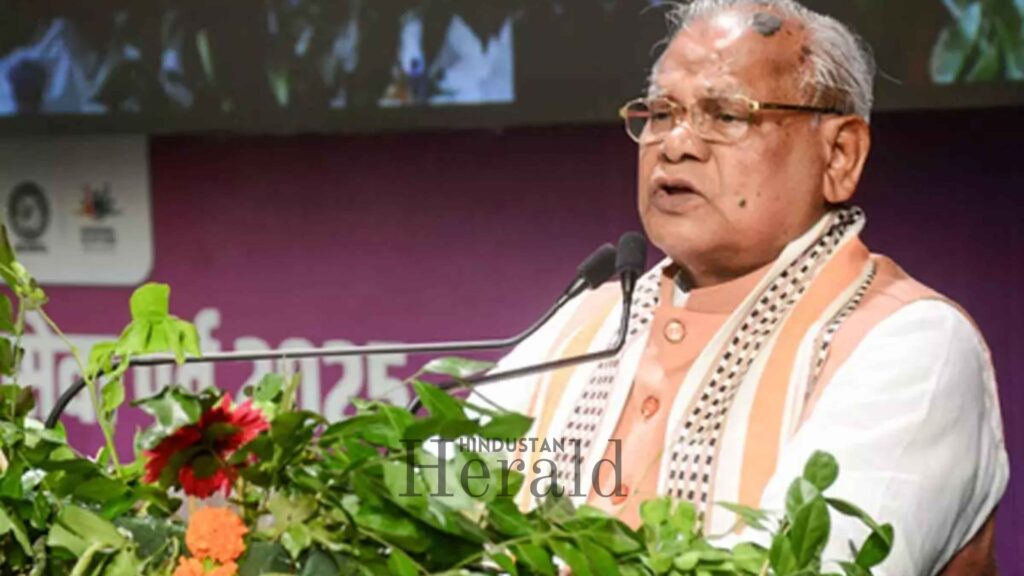
And then there was former Bihar CM and Union minister Jitan Ram Manjhi, who, when asked about Pandav’s killing, reportedly said: “He was killed, so what?”
That quote, if accurate, tells you more about the political reality facing Bihar migrants in this country than any analysis could.
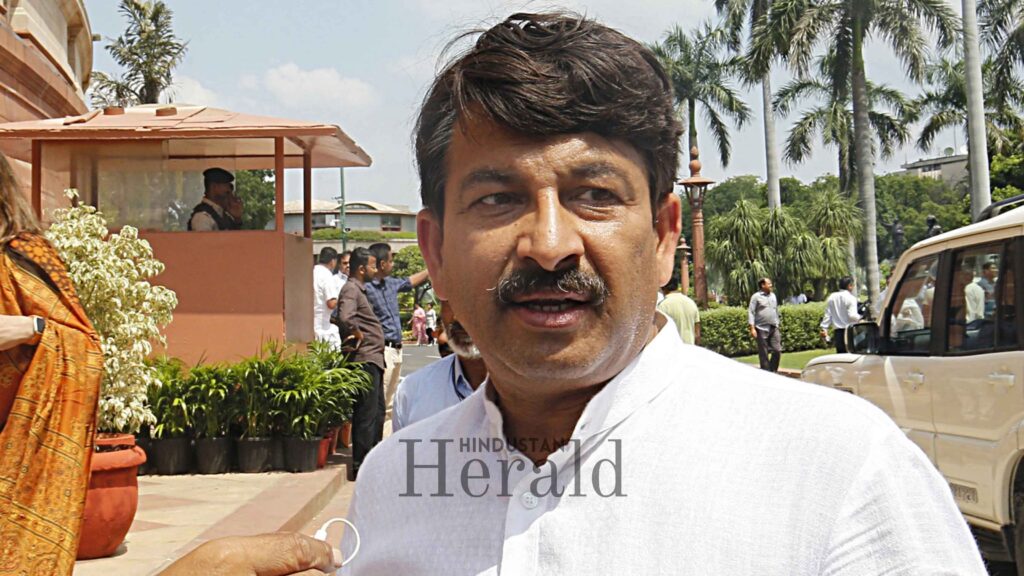
BJP MP Manoj Tiwari showed up three days after the killing and promised the family justice. The Delhi Chief Minister has still not been to Uttam Nagar.
This Is Not New, And That Is The Problem
Here is what often gets left out of the coverage when cases like this break into the news cycle.
Anti-Bihari sentiment in Delhi is not a new phenomenon. It is not something that appeared suddenly. For decades, people from Bihar and eastern Uttar Pradesh, collectively called Purvanchalis, have come to Delhi to do work that the city cannot function without. They drive autos. They deliver food. They build roads and buildings. They run thousands of small dhabas and shops. The city depends on them entirely.
And yet there has always been a section of Delhi society that treats their presence as an inconvenience. A problem. An invasion, even. Language, accent, food, noise, everything about them gets used as a reason to look down. AAP leaders pointed out in their press conference that the 2006 sealing drives pushed roughly 27 lakh Bihari residents out of their homes and livelihoods in Delhi. That is not ancient history. Many of those people, or their children, are still living with the consequences.
What is new and what makes Pandav Kumar’s killing so jarring is that the prejudice has now shown up in uniform. Not a neighbour who grumbled and called the police. Not a landlord who refused to rent. A cop. An armed man with state authority, who, according to multiple witnesses, decided the crime was speaking Bhojpuri on a public road, and punished it with a bullet.
When the person who is supposed to protect you is the one who kills you, where exactly do you go?
What Needs to Happen Now
Neeraj is in custody. The murder charge is registered. Those are the basics, and they happened, which is more than some families get.
But the basics are not enough here.
The witnesses, working-class migrant men with no political connections and no money for lawyers need real protection through this trial. Their testimony is everything. If they are intimidated, pressured, or simply discouraged from following through, the case falls apart and Neeraj walks. That cannot be allowed to happen.
There also needs to be a real answer to the question of that weapon. Whether it was Neeraj’s service firearm or something else, whether it was accounted for, how an off-duty Special Cell constable ends up shooting civilians outside his apartment building at 2 AM these are not minor procedural details. They go to the heart of how much discipline and oversight actually exists within the force.
And someone in authority needs to visit Meena Devi. Not to make a speech. Not to get photographed. Just to sit with a mother who has lost the person holding her entire life together, and tell her plainly and honestly what the state is going to do about it.
The posters outside that Uttam Nagar room will come down eventually. The TV cameras will move to the next outrage. The politicians will find other families to visit and other promises to make.
What stays is a ten-by-twelve room with a shelf full of delivery boxes. A mother who keeps losing consciousness. A niece with nowhere else to go. A younger brother staring at next month’s rent with nothing in his pocket.
Pandav Kumar asked a man not to abuse his family. That is the full story of what he did wrong.
Everything else every question about accountability, about police reform, about what it means to be Bihari in Delhi in 2026 flows from that one simple, devastating fact.
Stay ahead with Hindustan Herald — bringing you trusted news, sharp analysis, and stories that matter across Politics, Business, Technology, Sports, Entertainment, Lifestyle, and more.
Connect with us on Facebook, Instagram, X (Twitter), LinkedIn, YouTube, and join our Telegram community @hindustanherald for real-time updates.
Regional journalist bringing grassroots perspectives and stories from towns and cities across India.
- Sandeep Verma

- Sandeep Verma
- Sandeep Verma
- Sandeep Verma




 Ananya Sharma