
 By Ananya Sharma
Ranchi, December 24: It happened quietly, without banners or speeches. But on Tuesday, December 23, the Jharkhand Cabinet did something no government in the state had managed to do in nearly thirty years. It approved the rules for the Panchayats (Extension to Scheduled Areas) Act, 1996, finally putting life into a law that tribal communities have been quoting, demanding, and waiting on since the 1990s.
The meeting was chaired by Hemant Soren. There was no dramatic flourish afterward. Still, the decision cuts deep into how power works in Jharkhand’s Scheduled Areas. For the first time, Gram Sabhas will have legally defined control over land, forests, water, and consent for development.

For many villages, this is not reform. It is correct.
A Law Everyone Knew, Few Implemented
PESA was passed by Parliament in 1996 with a simple idea. Tribal regions under the Fifth Schedule could not be governed like the rest of rural India. Village assemblies mattered. Customary systems mattered. Collective consent mattered.
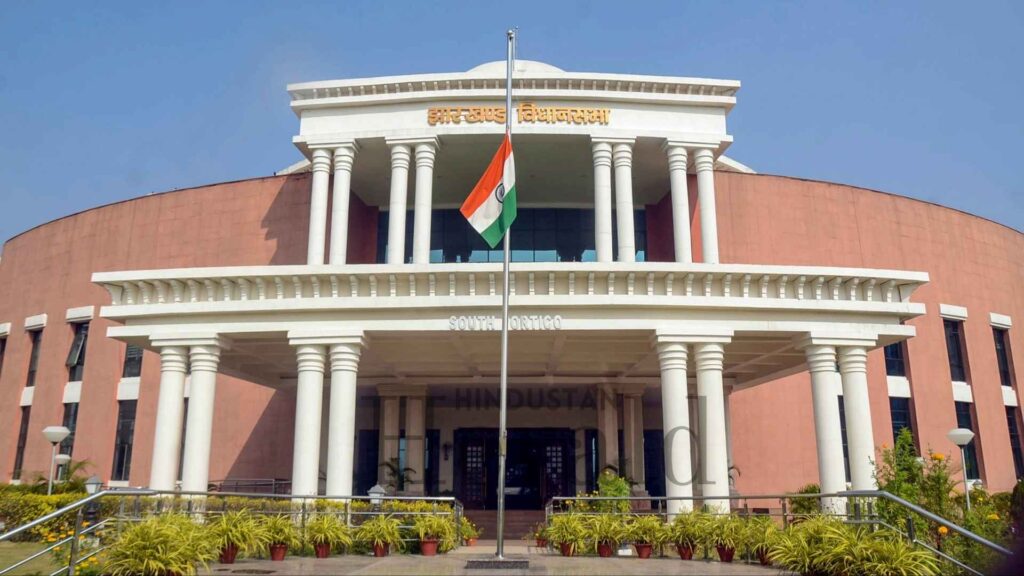
Jharkhand was carved out of Bihar in 2000 on the promise of protecting exactly these principles. Yet the state never framed the rules needed to enforce PESA. Without rules, officials continued to decide. Files moved. Leases were signed. Villages were informed later, if at all. Over the years, draft rules came and went. Consultations were announced. Nothing stuck.
The gap between the law and reality only widened.
Where The Rules Will Apply
The approved rules will now apply across 15 scheduled districts of Jharkhand. Thirteen districts fall entirely under Fifth Schedule areas. Two more have specific notification blocks.
These are not quiet, peripheral regions. They are mineral belts, forest belts, protest belts. They are home to Santhal, Munda, Ho, Oraon, and Kharia communities who have lived with extraction, displacement, and promises that rarely materialised.
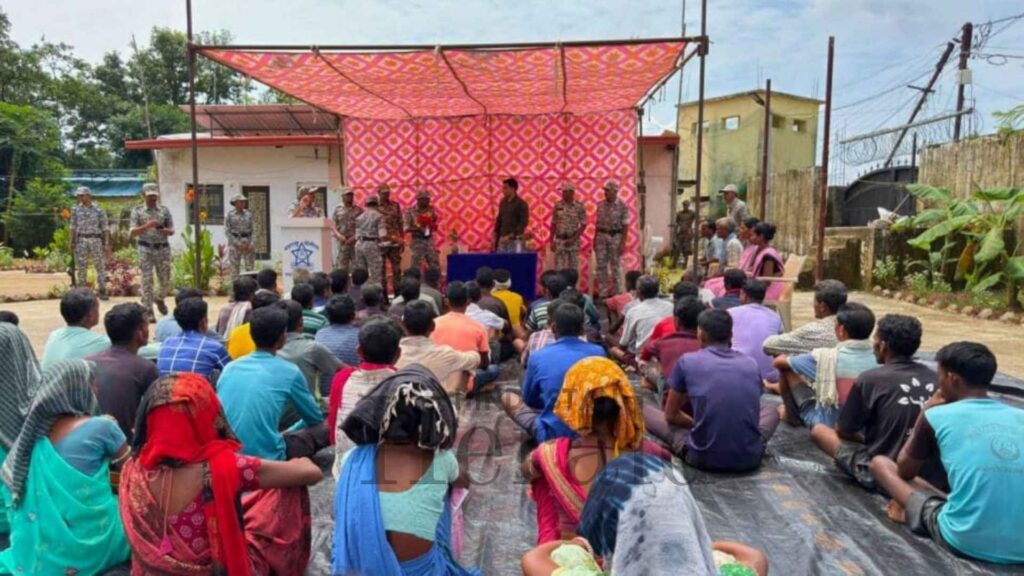
For people here, governance is not abstract. It decides whether a forest path is blocked, whether a river is diverted, and whether land is lost.
What Changes At The Village Level
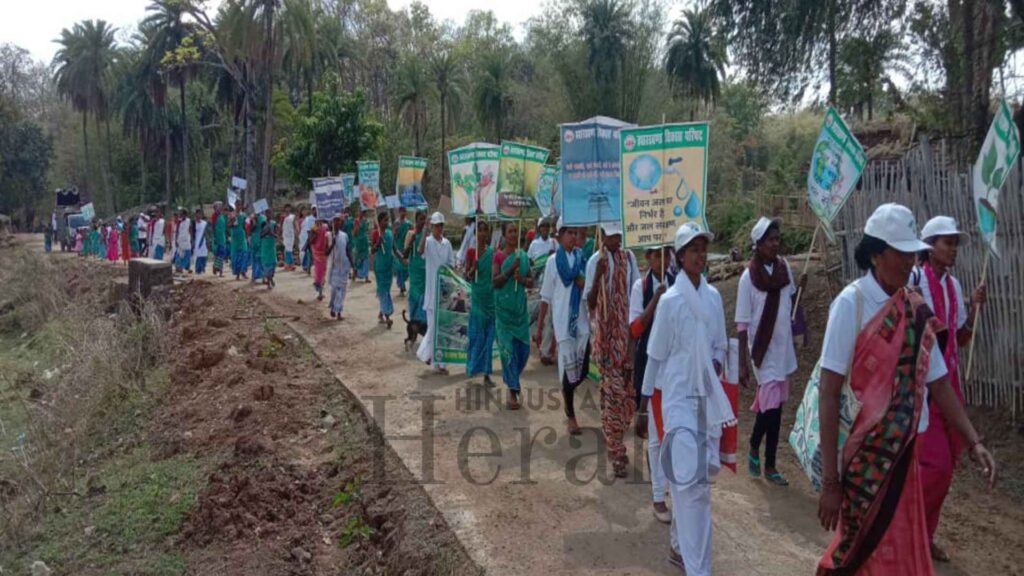
The new rules redraw the line of authority. Gram Sabhas will now decide how minor forest produce is used and managed. They will prepare local development plans instead of merely reacting to them. They will oversee water resources and protect livelihoods tied to land and forest.
The most consequential change is consent. Any land acquisition, mining activity, or major project in Scheduled Areas will now require prior approval of the Gram Sabha. This directly affects sand mining, stone quarries, and other minor mineral operations that have repeatedly sparked conflict across Jharkhand.

Until now, many such decisions have been pushed through at the district level. The rules make that far harder to justify.
Why The High Court Forced The Issue
The Cabinet decision did not come out of thin air. In September 2025, the Jharkhand High Court stayed the allocation of leases for sand quarries and minor minerals in Scheduled Areas. The court asked a blunt question. How could consent be enforced when the state had not even notified PESA rules?

The government was left with little room to manoeuvre. In hearings that followed, it told the court that the draft rules were being finalised. On Tuesday, it informed the court that the Cabinet had approved them.
Lawyers tracking the matter say the approval was inevitable. Without it, several ongoing leases would have remained legally exposed.
Village Justice Gets Legal Backing
Another provision that has drawn attention is the role of Gram Sabhas in resolving minor disputes. Under the rules, Gram Sabhas can hear cases related to petty theft, cattle theft, land encroachment attempts, and minor altercations. They can impose fines up to Rs 2,000.
For tribal communities, this is not new. What is new is recognition. Customary dispute resolution has always existed. The rules now give it legal standing. At the same time, rights groups have cautioned that safeguards will be essential to prevent misuse or pressure on vulnerable individuals.
The balance will matter.
The Political Weight Of The Decision
For Hemant Soren’s government, approving the PESA rules is also a political marker. Tribal identity and land rights sit at the core of the ruling coalition’s narrative, often summed up in the phrase jal, jangal, zameen.

In a short statement after the meeting, the Chief Minister said the rules would be implemented in the original spirit of the Act and dedicated to the people of the Scheduled Areas. The opposition has been less charitable. It has pointed out that Jharkhand took almost 29 years to operationalise a law meant specifically for its tribal population.
That criticism will not disappear overnight.
Why This Matters Beyond Jharkhand
The decision came as PESA Mahotsav events were being held in Visakhapatnam on December 23 and 24, marking the Act’s anniversary. The timing underscored a broader truth. Across India, Fifth Schedule states continue to dilute or delay the implementation of PESA.

Jharkhand has now crossed the legal threshold. What remains is the harder part. Officials will need to respect village decisions. Gram Sabhas will need training and confidence. The state will also need to resist the temptation to bypass consent when economic pressure builds.
For now, something important has shifted. A law that existed mostly as an argument has finally been given rules. In Jharkhand’s tribal villages, that change will not arrive all at once. It will arrive slowly, meeting by meeting.
Stay ahead with Hindustan Herald — bringing you trusted news, sharp analysis, and stories that matter across Politics, Business, Technology, Sports, Entertainment, Lifestyle, and more.
Connect with us on Facebook, Instagram, X (Twitter), LinkedIn, YouTube, and join our Telegram community @hindustanherald for real-time updates.

Covers Indian politics, governance, and policy developments with over a decade of experience in political reporting.
- Ananya Sharma

- Ananya Sharma
- Ananya Sharma
- Ananya Sharma




 Arun Upadhayay
  Sandeep Verma