
 By Rajiv Menon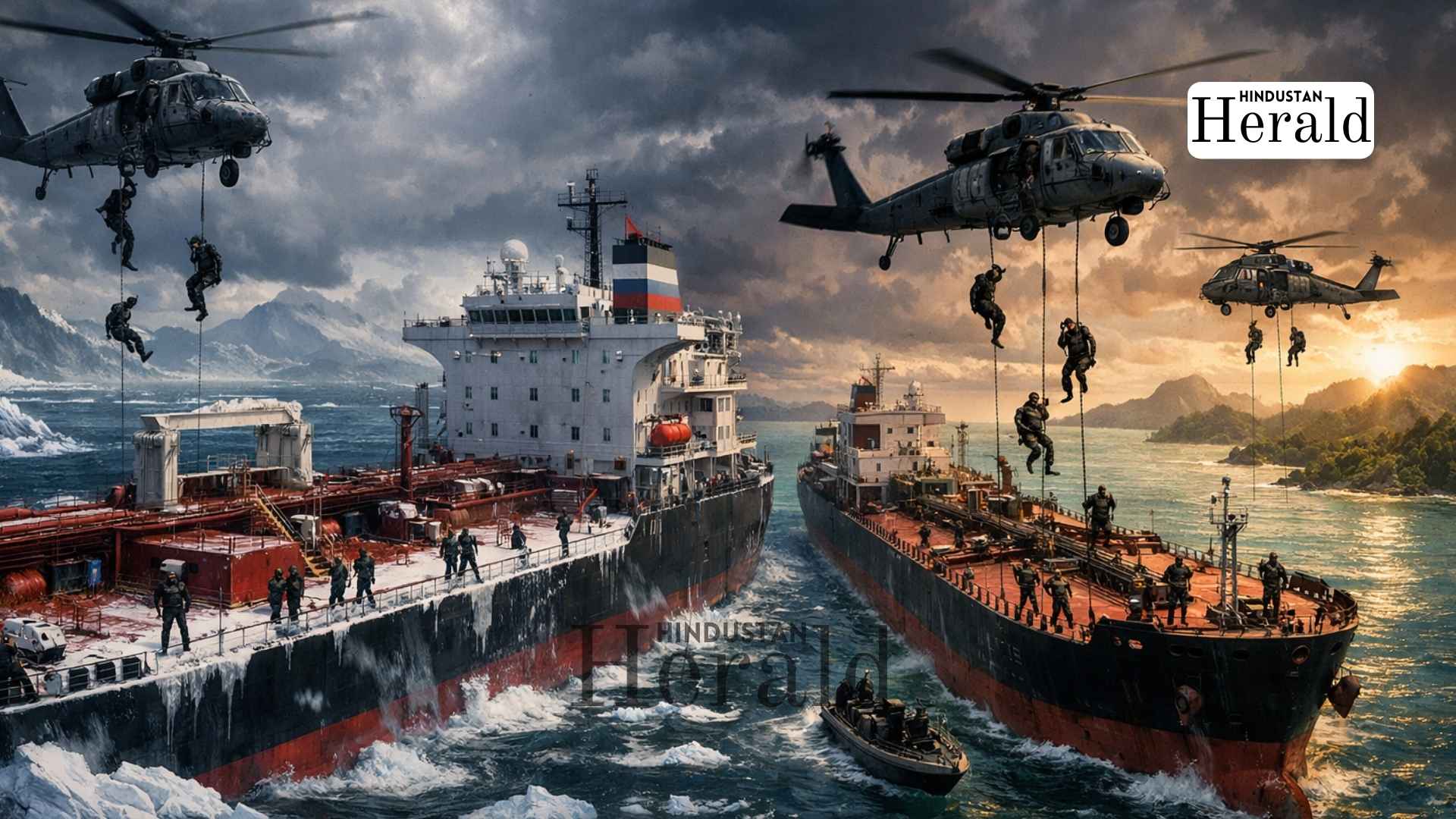
Washington, January 8: Out in the open sea, long before most of the world woke up on January 7, two oil tankers quietly became the centre of a geopolitical storm. Within hours of each other, U.S. forces seized two vessels linked to Venezuela’s oil trade, one in the freezing waters of the North Atlantic, the other in the Caribbean Sea. The operations were tightly planned, deliberately timed, and meant to send a message that Washington’s campaign against Venezuela’s oil exports had entered a far more muscular phase.
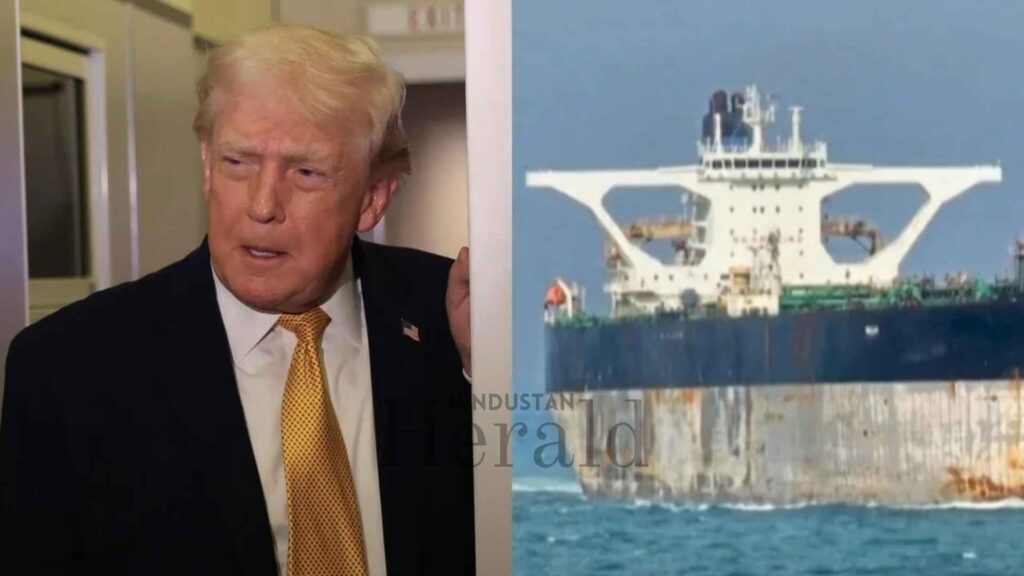
This was not paperwork. This was steel decks, helicopters in the dark, and armed boardings far from land.
A Chase That Ended Near Iceland
The first operation played out north of the Atlantic shipping lanes, between Iceland and Scotland, where winter seas leave little room for error. The target was the tanker Marinera, previously called Bella-1, a ship U.S. officials say had spent weeks trying to stay one step ahead of enforcement.
According to American authorities, the vessel had been tracked for nearly two weeks. During that time, it allegedly tried every trick in the book. It changed its flag. It repainted its name. It adjusted its route. None of it worked.
Before sunrise, helicopters appeared over the ship. Navy SEALs, flown in by the elite 160th Special Operations Aviation Regiment, fast-roped down and took control. The tanker was about 190 miles south of Iceland when the boarding happened.
The United Kingdom quietly helped. RAF surveillance aircraft kept watch from above, while a Royal Navy support ship was nearby, responding to a direct U.S. request. Officials familiar with the planning say the support was precautionary, given the sensitivity of the target.
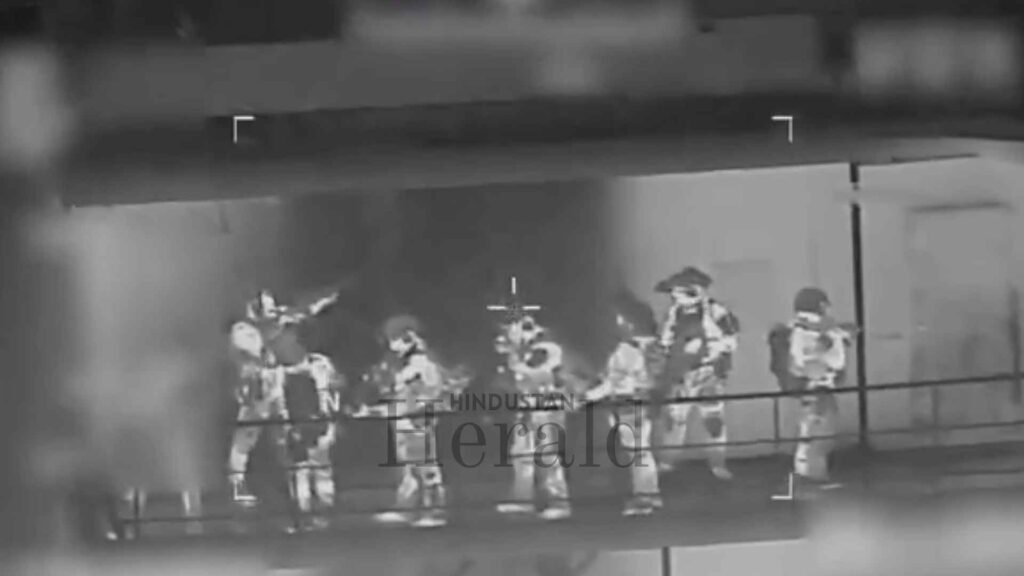
That sensitivity stemmed from one detail that made the seizure explosive: the Marinera was sailing under a Russian flag.
Russia Reacts, Angrily
Moscow did not take long to respond. Russia’s Transport Ministry condemned the seizure, insisting the tanker had temporary approval to operate under Russian registration. The ministry accused Washington of overreach, saying no country has the right to act against ships under another nation’s jurisdiction.
What raised eyebrows in Western capitals was what happened before the boarding. Russia had reportedly sent naval vessels and a submarine to escort or shadow the tanker earlier in its journey. How close those ships were at the time of the seizure remains unclear, but the implication was unmistakable.
U.S. officials argue the ship’s conduct, not its claimed flag, justified the action. They point to sanctions violations and repeated attempts to conceal the vessel’s identity. Privately, some acknowledge the legal and diplomatic fallout could be long-lasting.
Another Tanker, Another Sea
While the North Atlantic operation was unfolding, a second team was at work far to the south.
In the Caribbean Sea, U.S. forces seized the tanker M/T Sophia. Unlike the Marinera, the Sophia was labelled stateless, meaning it could not credibly claim registration with any country. Under maritime law, that leaves a vessel exposed.
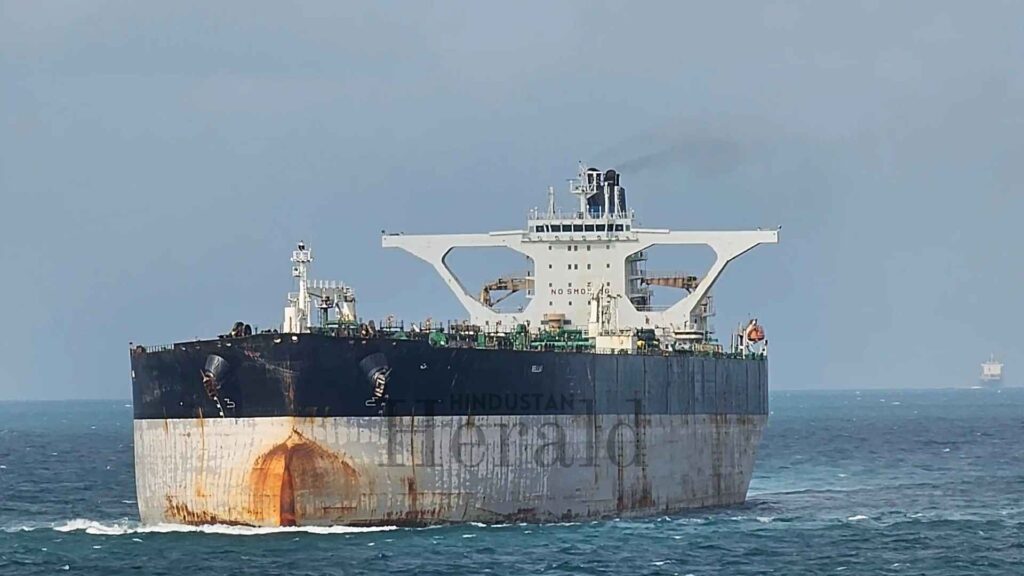
American officials accused the Sophia of engaging in illicit activity linked to Venezuela’s oil trade. The ship had allegedly been operating with its tracking systems switched off and had unclear ownership. Authorities said it was either heading toward Venezuela or had recently left its waters.
The Caribbean seizure drew less public attention, but it mattered just as much. It showed the North Atlantic boarding was not a one-off. This was a coordinated move, across regions, carried out on the same day.
Why Venezuela’s Oil Is At The Centre
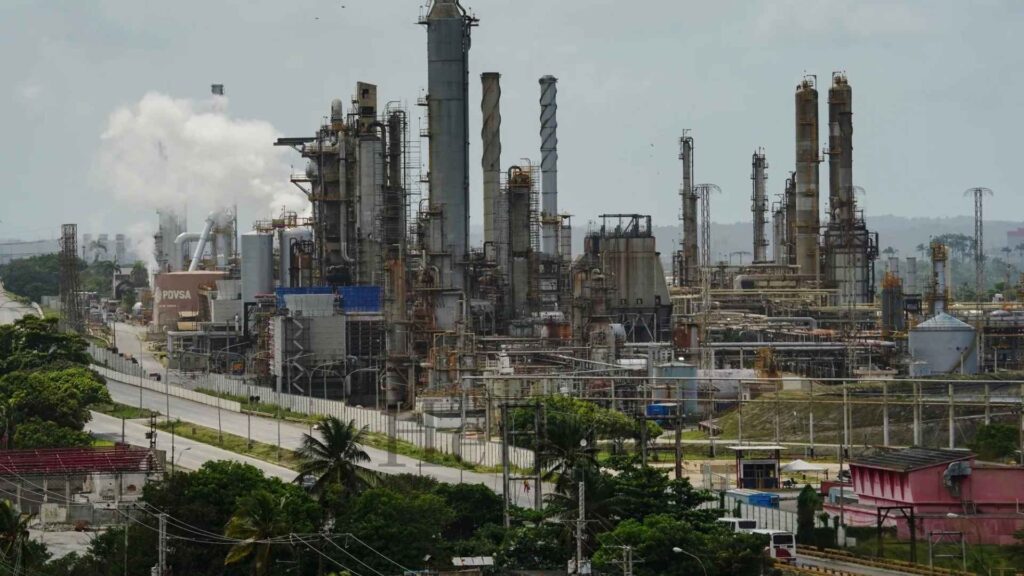
Both tankers sit squarely in the middle of Washington’s long-running effort to squeeze Venezuela’s oil revenues, which U.S. officials say bankroll corruption and entrench authoritarian rule.
The Marinera has been under U.S. sanctions since June 2024. American authorities accuse it of moving Venezuelan crude through back channels designed to dodge restrictions. Ships like it are often described by officials as part of a shadow or ghost fleet, operating in legal grey zones and relying on secrecy to survive.
Announcing the seizures, Kristi Noem, the Homeland Security Secretary, said the Coast Guard had carried out “back-to-back”, carefully coordinated boardings. The language was blunt and deliberately public.
Behind the scenes, the policy goes further than seizures. Senior U.S. officials have said the Trump administration intends to take long-term control of Venezuelan oil flows, not just block them. Under the plan outlined by Energy Secretary Wright, oil already in storage would be marketed by the U.S., while future production would be sold with revenues held in U.S.-controlled accounts.
Supporters say this keeps oil flowing while denying cash to Caracas. Critics say it amounts to the U.S. taking charge of another country’s resources.
Why January 7 Was No Accident
Early confusion about the date led some reports to cite January 8, but U.S. officials have been clear that the operations happened on January 7. That distinction matters.
The timing points to planning, not coincidence. Two ships, two seas, one day. The message was intended to travel quickly, especially to shipowners, insurers, and governments that facilitate sanctioned oil trades.
It also signals that geography offers no shelter. From icy Atlantic waters to the Caribbean, the U.S. is demonstrating its willingness to enforce sanctions wherever it believes it has legal grounds.
What Happens Next
For now, both vessels remain under U.S. control. Their cargoes, crews, and ownership structures are under review. Legal challenges are likely. Diplomatic protests are already underway.
What is certain is this: January 7 marked a shift. Washington is no longer content to pressure Venezuela through banks and balance sheets alone. It is putting boots, or rather boarding teams, on decks in international waters.
That approach carries risks. Seizing a Russian-flagged ship is not a small step. Allies are watching carefully. Rivals are taking notes.
For the moment, the United States is betting that firm action at sea will reshape the oil game. Whether that gamble pays off or spirals into something larger is a question that will not be answered quickly.
Stay ahead with Hindustan Herald — bringing you trusted news, sharp analysis, and stories that matter across Politics, Business, Technology, Sports, Entertainment, Lifestyle, and more.
Connect with us on Facebook, Instagram, X (Twitter), LinkedIn, YouTube, and join our Telegram community @hindustanherald for real-time updates.

Specializes in South Asian geopolitics and global diplomacy, bringing in-depth analysis on international relations.
- Rajiv Menon

- Rajiv Menon
- Rajiv Menon
- Rajiv Menon




 Neeraj Kapoor