
 By Ananya Sharma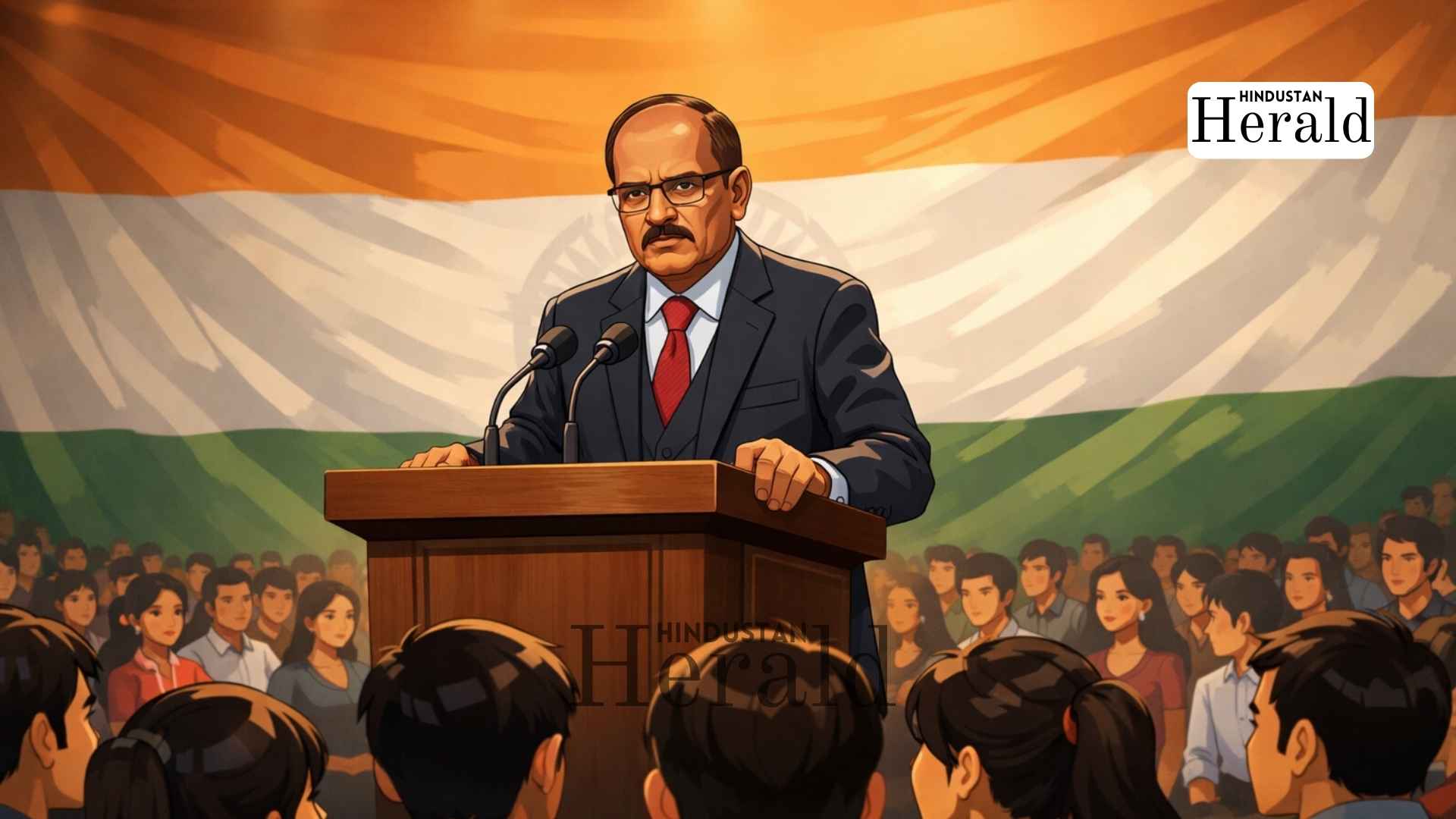
New Delhi, January 10: Standing before a hall packed with young faces, National Security Advisor Ajit Doval spoke without theatrics but with unmistakable weight. His message was neither abstract nor comforting. India, he said, has paid a heavy price for forgetting the basics of survival. The country’s youth must not repeat that mistake.
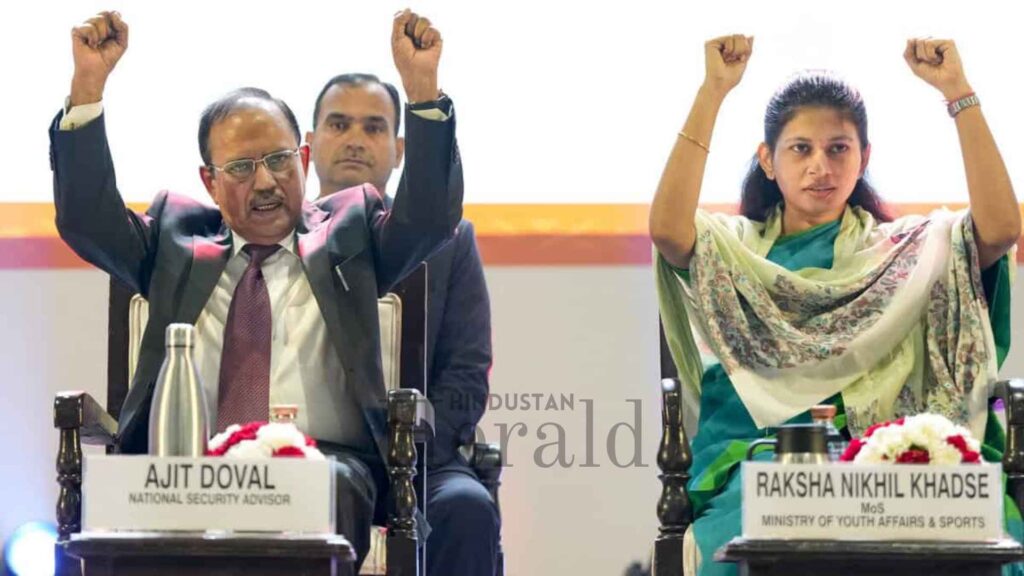
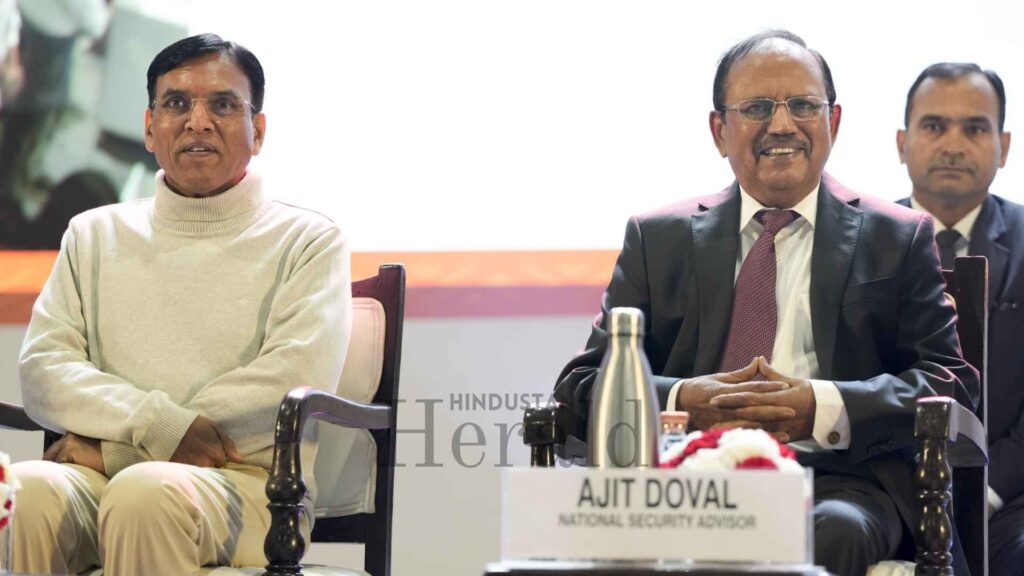
Addressing nearly 3,000 participants at the opening of the Viksit Bharat Young Leaders Dialogue, Doval urged young Indians to confront history honestly and use it as fuel to build a nation that is strong in security, economic capacity, and social cohesion. Not later. Now.
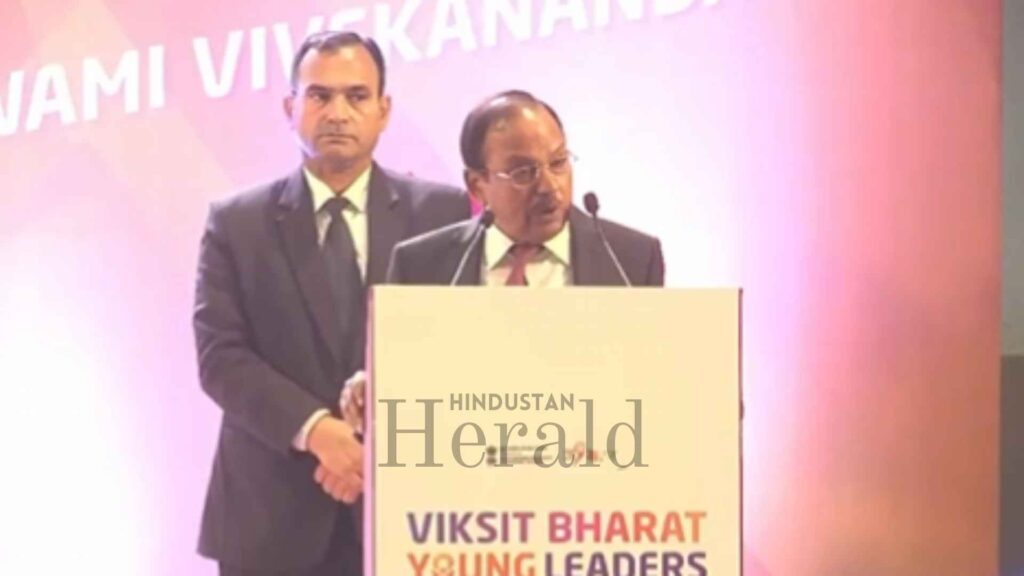
The speech, delivered by Ajit Doval, drew heavily from India’s civilisational past, but its focus was unmistakably forward-looking. This was not nostalgia. It was a warning.
What History Took From India
Doval began by dismantling a comforting myth. India’s downfall, he argued, was not because it lacked intelligence, culture, or innovation. Ancient India was, by any standard, a progressive civilisation. What it lacked was the instinct to protect itself.
“We did not attack other civilisations or their temples,” he said, according to multiple reports. “But since we were not self-aware when it came to security, history taught us a lesson.”
Those lessons were brutal. Repeated invasions. Centuries of subjugation. The slow erosion of sovereignty.
Doval did not soften the point. Nations that do not prioritise security eventually lose the freedom to choose their own destiny. He warned the audience that forgetting this reality would not be harmless idealism but a national tragedy.
Still, he avoided framing history as grievance. The past, he suggested, is not something to romanticise or resent. It is something to learn from.
‘Avenge History’ Without Violence
One line from the address quickly travelled beyond the auditorium. Doval urged the youth to “avenge our history. The phrase, stark and unsettling to some, was explained just as clearly.
This was not a call to settle old scores with the world. It was a call to ensure India is never again weak enough to be dominated.
According to coverage by Moneycontrol and Greater Kashmir, Doval stressed that strength must extend far beyond the military. A nation that is economically dependent, socially fractured, or institutionally fragile remains vulnerable, regardless of its armed forces.
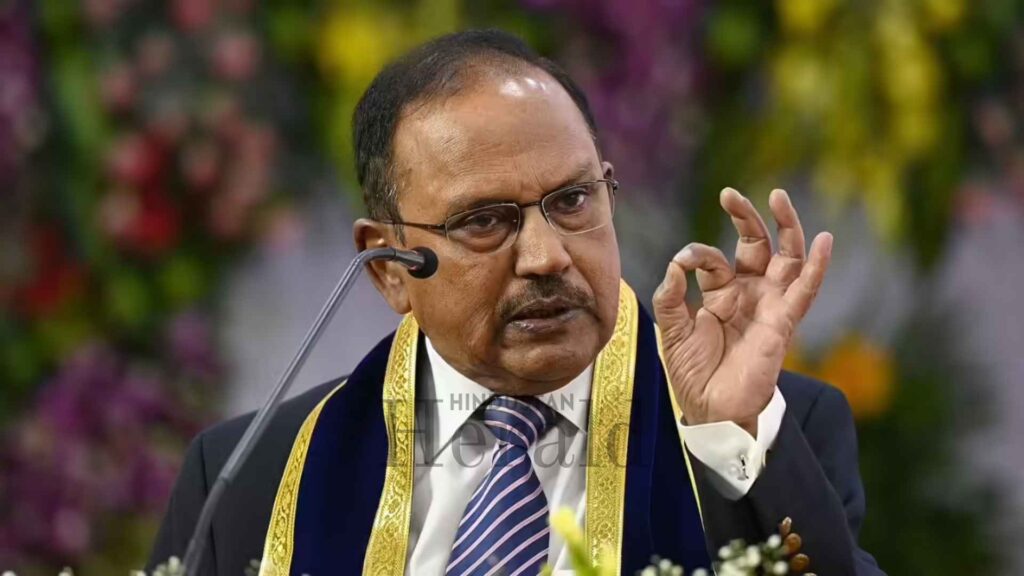
He spoke from lived memory. At 81, Doval reminded the audience that he was born in a country under colonial rule. Freedom, he said, did not arrive as a gift. It came through sacrifice.
Invoking figures such as Mahatma Gandhi, Subhash Chandra Bose, and Bhagat Singh, he reminded the room that independence was earned at enormous cost. Preserving it, he implied, is an obligation, not an option.
Why Leadership Still Decides Everything
Midway through the speech, Doval turned his focus to leadership. The quote he chose was old but effective. He cited Napoleon’s line about fearing sheep led by a lion more than lions led by a sheep.
The point was simple. Numbers, resources, and even talent mean little without decisive leadership.
As reported by The Times of India, Doval told young participants that decision-making is not a skill to be discovered later in life. It must be built early, tested often, and exercised without fear.
He made an observation that drew quite attention in the hall. Under Narendra Modi, India’s development trajectory is already set. The country, he said, would continue moving forward even on “autopilot”.
Still, he asked the question that lingered. Who will lead this developed India when the autopilot switches off? And will they be prepared to carry the weight of that responsibility?
The question was left unanswered, deliberately so.
Security Beyond Soldiers And Borders
Doval’s definition of national security was expansive. Military strength matters, he acknowledged, but it is only one part of the picture.
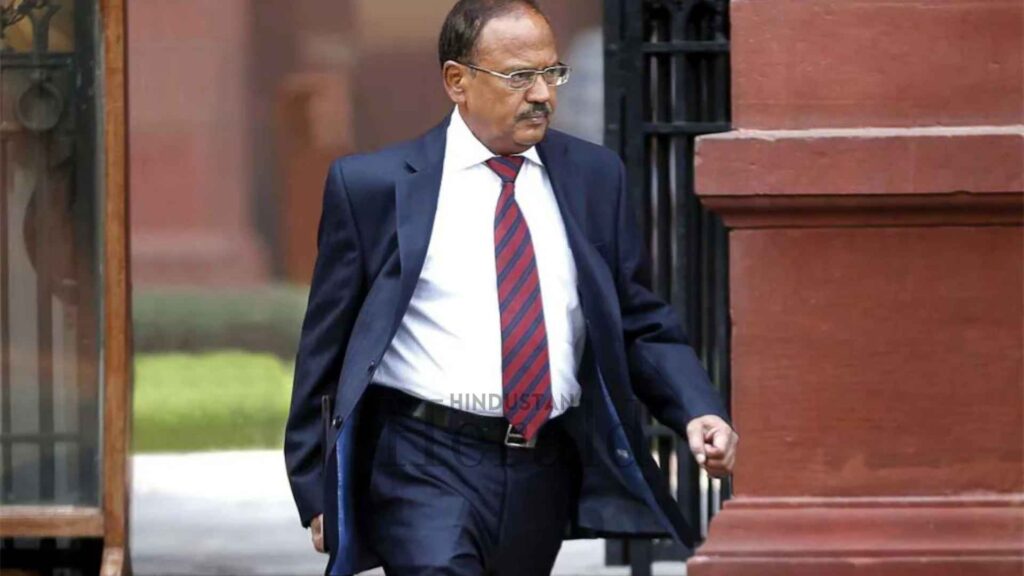
Economic weakness can invite coercion. Social divisions can be exploited. Institutional decay can hollow out a nation from within.
Wars, Doval noted in remarks cited by Moneycontrol, are often fought not just for land but to impose will. In such a world, economic self-reliance, technological capability, and social stability become strategic assets.
This framing mirrors India’s current policy direction, where manufacturing, digital infrastructure, and supply chain independence are increasingly treated as national security priorities.
Still, Doval cautioned against complacency. Progress, he warned, is reversible. History offers no permanent guarantees.
Ajit Doval Gave A Speech Aimed At The Future
The Viksit Bharat Young Leaders Dialogue unfolded against a tense global backdrop. Conflicts abroad, economic uncertainty, and shifting alliances are reshaping the international order. India’s ambitions are rising alongside these pressures.
Doval’s address landed squarely in this moment. The youth before him will inherit a country more influential than the one in which he grew up. Whether they can protect and strengthen that influence remains an open question.
The speech has since sparked debate. Supporters describe it as honest and necessary. Critics question the language of historical reckoning. But even critics acknowledge the seriousness of the message.
For Doval, the argument was clear. Nations that forget their vulnerabilities invite their return. Strength must be built deliberately and guarded constantly.
As India moves deeper into the 21st century, that warning is unlikely to fade quickly.
Stay ahead with Hindustan Herald — bringing you trusted news, sharp analysis, and stories that matter across Politics, Business, Technology, Sports, Entertainment, Lifestyle, and more.
Connect with us on Facebook, Instagram, X (Twitter), LinkedIn, YouTube, and join our Telegram community @hindustanherald for real-time updates.

Covers Indian politics, governance, and policy developments with over a decade of experience in political reporting.
- Ananya Sharma

- Ananya Sharma
- Ananya Sharma
- Ananya Sharma


 Arun Upadhayay
  Sandeep Verma