
 By Ananya Sharma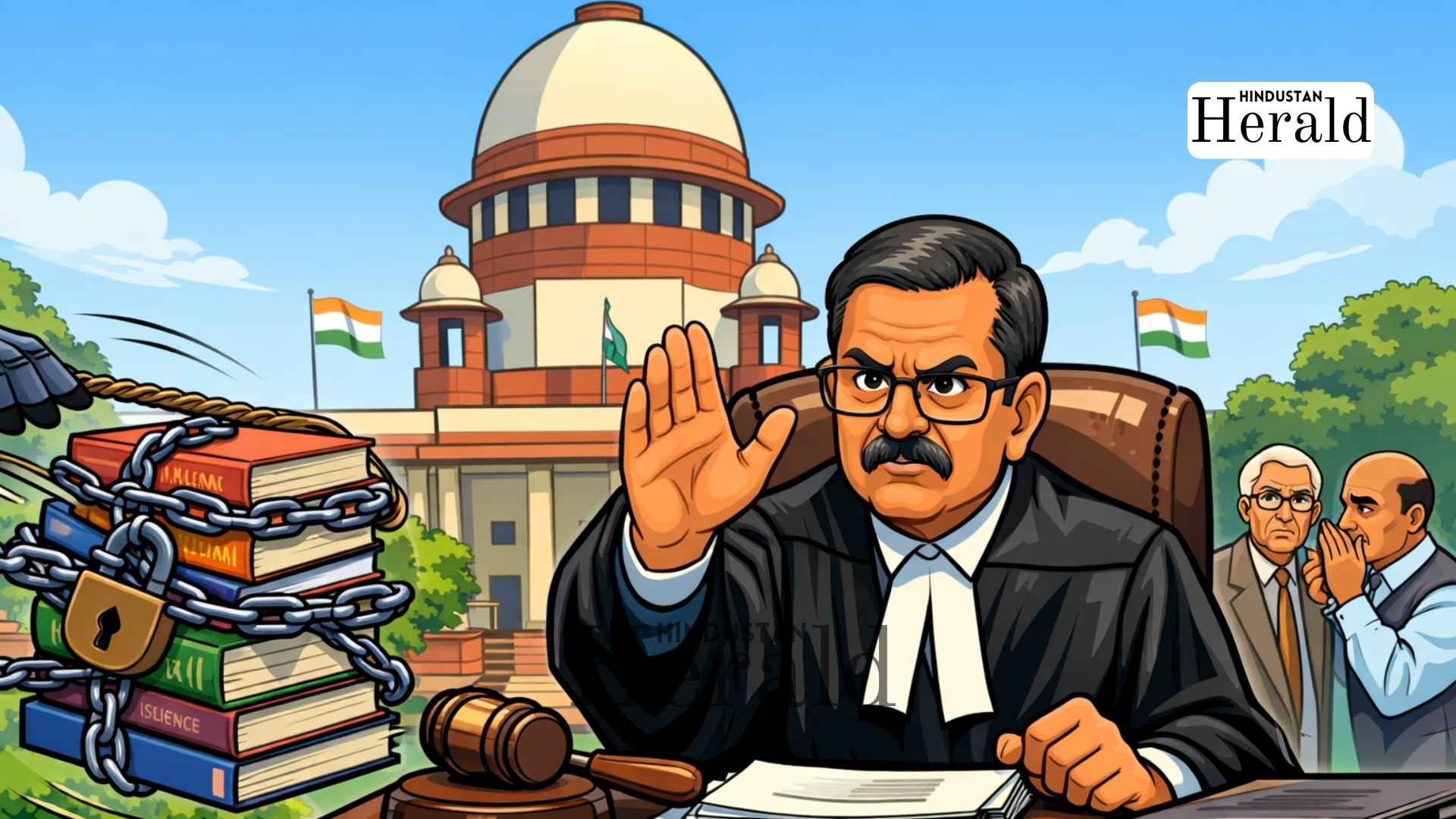
New Delhi, February 26: A schoolbook rarely causes a courtroom to fall silent. On Thursday morning, one did.
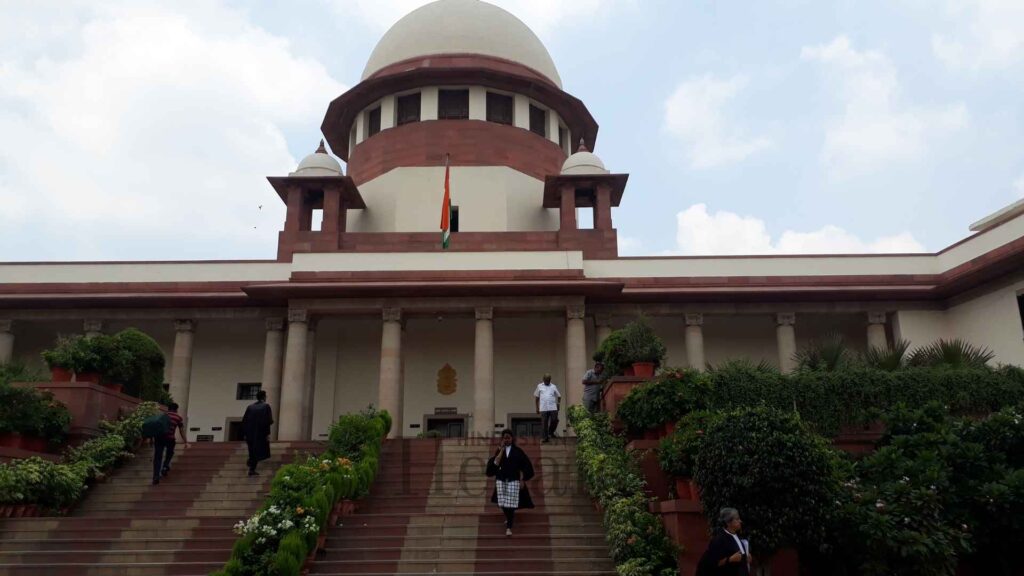
In Court No. 1 of the Supreme Court of India, what began as a discussion over a Class 8 Social Science chapter quickly turned into a sweeping order with nationwide consequences. By the time the judges rose, a textbook used by thousands of students had effectively been pulled out of circulation.
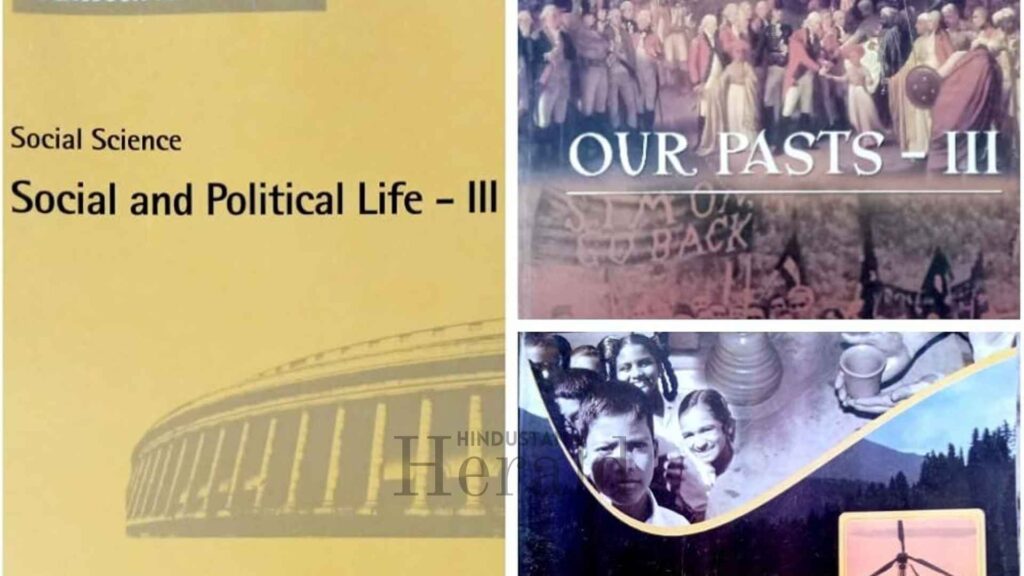
The book in question, Exploring Society: India and Beyond, is published by the National Council of Educational Research and Training, better known in households simply as NCERT. One chapter spoke about “corruption in the judiciary.” That line alone triggered concern. The way it was framed, according to the bench, made matters worse.
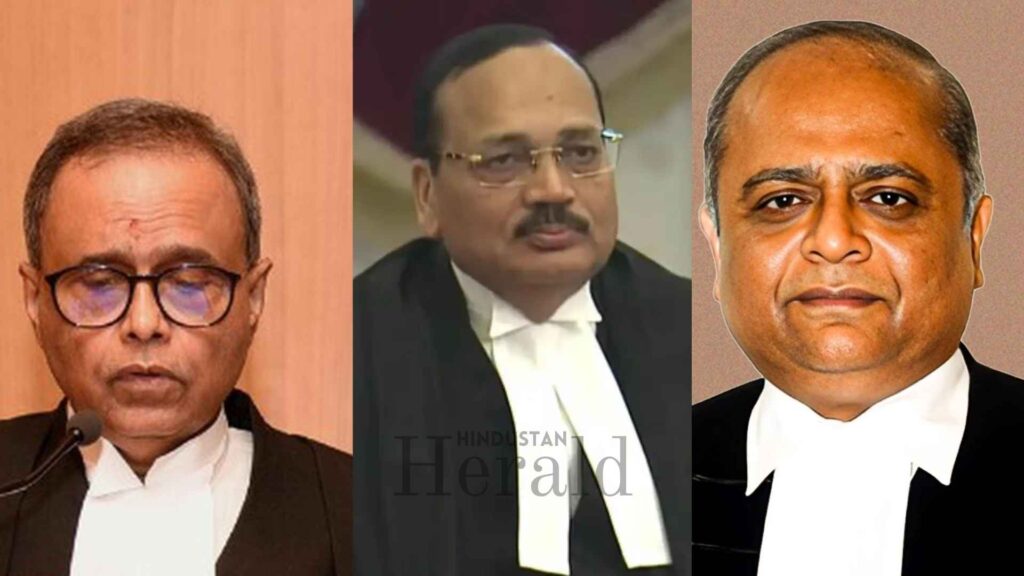
A three-judge bench led by Chief Justice of India Surya Kant, along with Justices Joymalya Bagchi and Vipul M. Pancholi, ordered an immediate stop to the printing, sale, and online distribution of the book. State authorities have been told to seize copies already in circulation. Digital versions must be taken down.
This is not the kind of direction the apex court issues lightly.
When A Textbook Crosses Into A Flashpoint
School curriculum debates usually play out quietly. Academics argue. Committees revise drafts. Sometimes politicians weigh in. Rarely does the Supreme Court intervene so directly.
So what changed?
According to the court, the problem was not that corruption was being discussed. It was that the judiciary was singled out in a way that risked creating a one-sided impression among young students.
The judges repeatedly returned to one point: children in Class 8 are around 13 or 14 years old. At that age, textbook lessons are often absorbed without scepticism. The concern was that presenting the judiciary as corrupt, without equal emphasis on corruption in other institutions, could distort how children understand the justice system.
At one moment, the Chief Justice described the inclusion as a “calculated move.” He even used the phrase “well-planned conspiracy.” Those words carry weight in a courtroom.
Then came the line that has since echoed far beyond it: “Heads must roll.”
Accountability, Not Just Apology
The court did not stop at banning the book.
Show-cause notices for contempt have been issued to the Director of NCERT and the Secretary of School Education. They have been asked to explain how this chapter cleared the editorial process and why the court should not proceed against them.
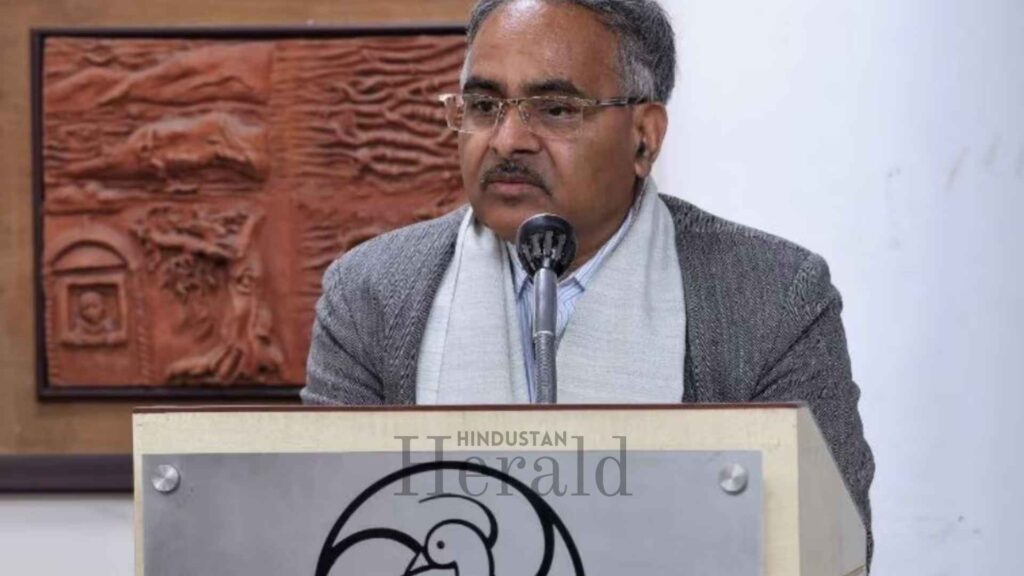
In plain language, the bench wants responsibility fixed. Not buried in committee notes. Not passed from desk to desk.
This is where the matter becomes bigger than one chapter. The court’s actions suggest it believes there may have been a serious lapse in judgment at the institutional level.
The Bar Speaks With One Voice
Inside the courtroom, several senior advocates backed the court’s concerns.
Kapil Sibal said members of the legal community were disturbed that impressionable students might walk away believing the judiciary as an institution is corrupt.
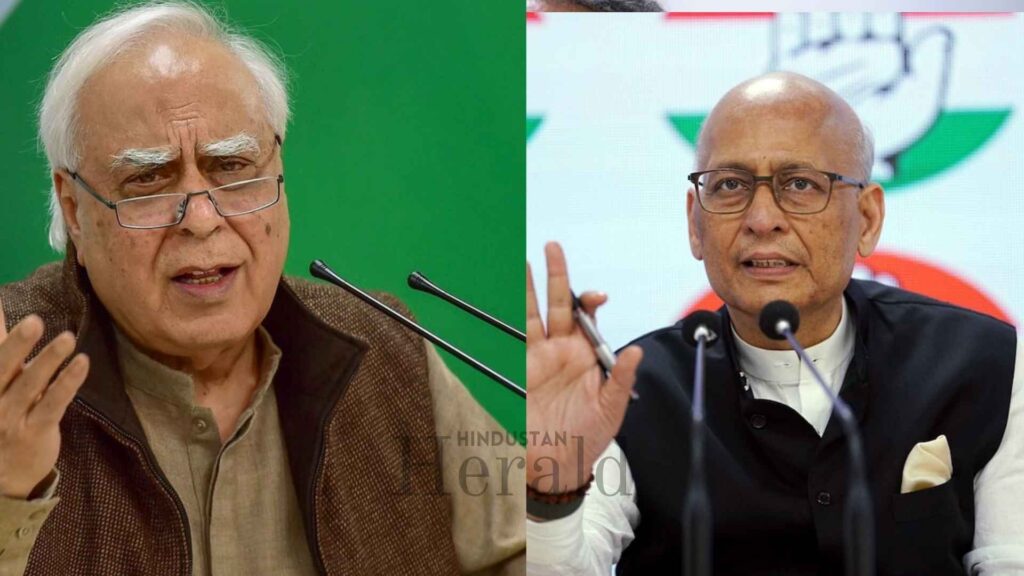
Abhishek Manu Singhvi raised a practical question that many parents might find reasonable: if the purpose was to teach about corruption, why focus only on the judiciary? Why not discuss corruption in politics, bureaucracy, or business as well?
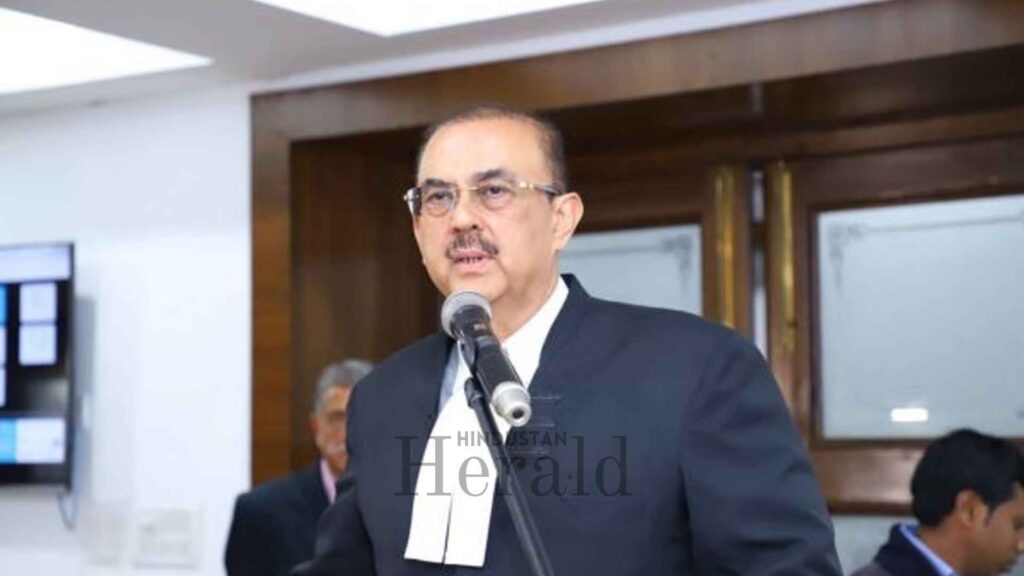
The President of the Supreme Court Bar Association, Vikas Singh, described the chapter as shocking. He stressed that civic education is essential, but balance is equally important.
Former Additional Solicitor General Vikas Pahwa called for a thorough inquiry, suggesting that such content should have faced stricter scrutiny before publication.
It is rare to see senior lawyers, who often disagree sharply in other cases, align so clearly on one issue.
NCERT’s Attempt To Step Back
On February 25, after the court first expressed concern, NCERT issued a statement calling the inclusion of the chapter an “inadvertent error.” The book was withdrawn from its website.
But the judges were not satisfied.
They indicated that the apology lacked depth. It appeared, in their view, more like a quick fix than a serious acknowledgement of wrongdoing.
The Solicitor General of India, Tushar Mehta, assured the bench that a fresh, unconditional apology would be issued. He also stated that those responsible for drafting and approving the chapter would be barred from future government educational assignments.
The next hearing is scheduled for March 11, 2026. By then, state and Union Territory education secretaries must file compliance reports confirming that the textbooks have been seized and distribution halted.
Why This Matters To Ordinary Families
For many parents, this controversy may feel distant. But it touches something close to home.
Textbooks shape how children understand their country. They are often treated as unquestionable sources of truth. When a book suggests that a key institution is corrupt, that idea can settle quickly in a young mind.
At the same time, India is a democracy. Institutions are not beyond criticism. The challenge lies in how that criticism is introduced.
The judiciary’s power depends heavily on public trust. Unlike the executive, it does not command enforcement agencies. Its authority flows from belief in fairness and impartiality. If that belief weakens, even slightly, the system feels the strain.
That appears to be the heart of the court’s concern.
Still, there is another side to this debate. Some may argue that shielding students from discussions about corruption does not prepare them for reality. Others will say that such topics require context and maturity.
This tension between openness and responsibility is not new. But rarely has it played out so visibly.
What Lies Ahead
For now, schools must adjust. Teachers will have to skip or replace lessons. Parents may need to answer questions from curious children wondering why their book has suddenly vanished.
For NCERT, the episode raises uncomfortable questions about its review process. How did the chapter pass internal checks? Was there a debate before publication? Could the issue have been resolved earlier?
For the Supreme Court, the message has been sent clearly: institutional credibility is not negotiable.
Whether this remains a one-off intervention or signals stricter judicial oversight over educational content will become clearer in the coming weeks.
One chapter has already been pulled. The larger discussion about how India teaches its children about power, accountability, and trust is only just beginning.
Stay ahead with Hindustan Herald — bringing you trusted news, sharp analysis, and stories that matter across Politics, Business, Technology, Sports, Entertainment, Lifestyle, and more.
Connect with us on Facebook, Instagram, X (Twitter), LinkedIn, YouTube, and join our Telegram community @hindustanherald for real-time updates.

Covers Indian politics, governance, and policy developments with over a decade of experience in political reporting.
- Ananya Sharma

- Ananya Sharma
- Ananya Sharma
- Ananya Sharma




 Sandeep Verma