
 By Prakash Nair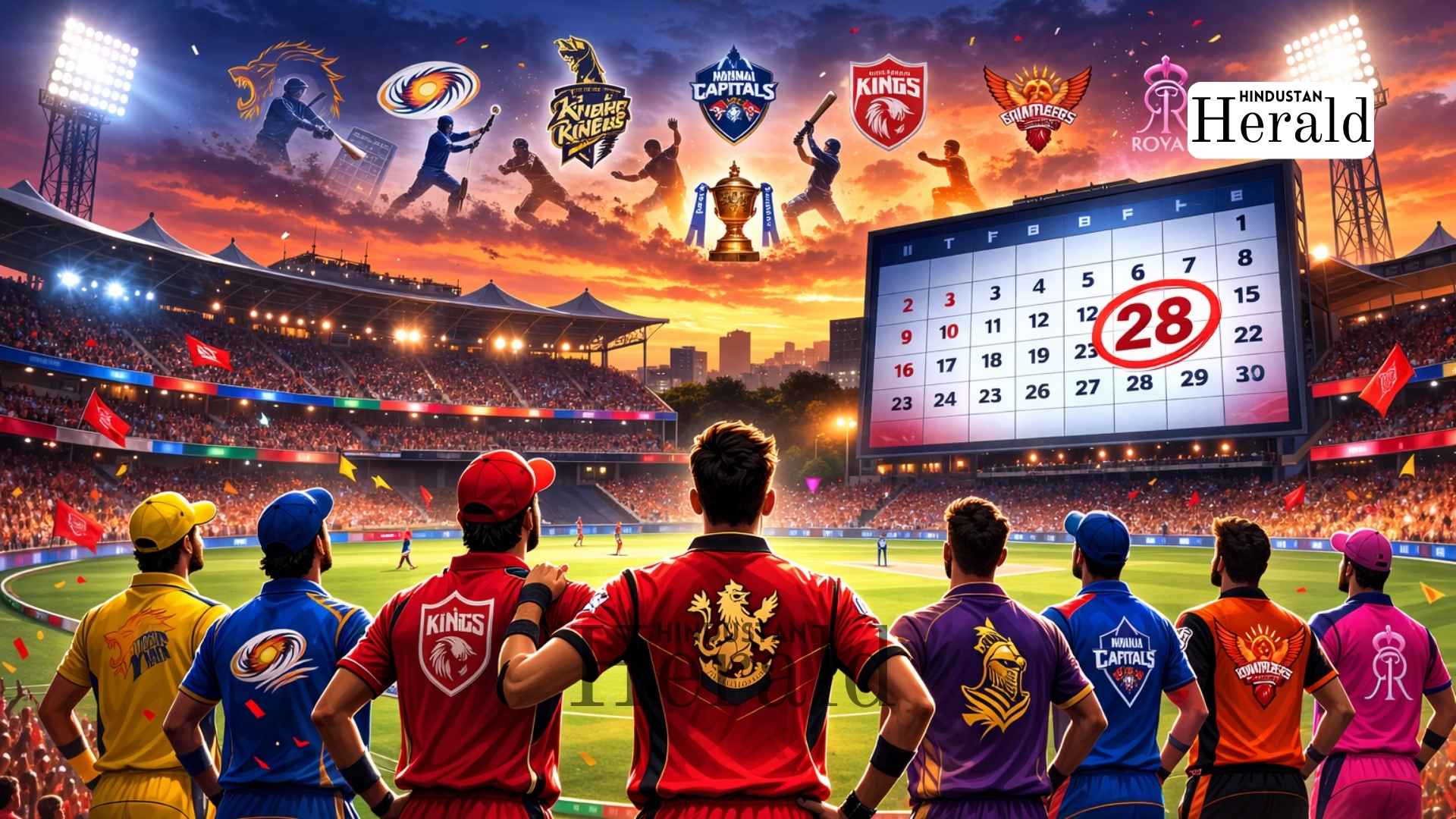
New Delhi, February 27, 2026: The start date has moved. Not dramatically. Not dramatically enough to cause panic. But just enough to remind everyone that the Indian Premier League (IPL 2026) does not exist in isolation from the rest of the country.

The tournament is now expected to begin on March 28, two days later than the earlier tentative date of March 26. The final remains scheduled for May 31, 2026. On the surface, that is the headline. Beneath it sits the more familiar Indian subplot: elections.
The Board of Control for Cricket in India is holding back the full fixture list while waiting for clarity on the Assembly poll dates in West Bengal, Assam, and Tamil Nadu. The IPL Governing Council is set to meet next week to iron out the calendar once those announcements are in place.
Anyone who has followed this league long enough knows this drill. Cricket adjusts. Politics dictates the timing.
When Democracy Interrupts The Draft Schedule
Three states. Three cricket centres. That is where the complication lies.
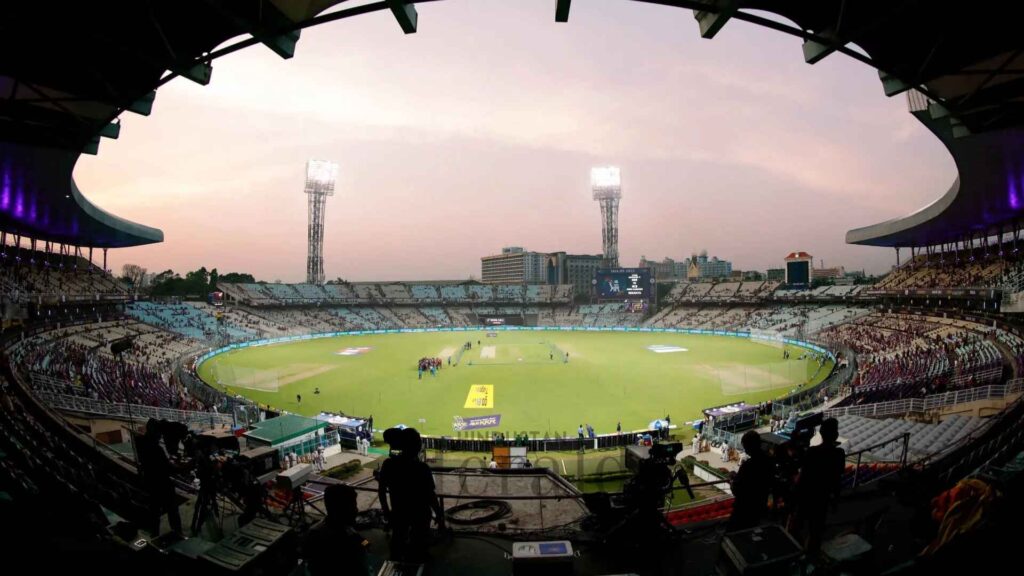
In Kolkata, Eden Gardens is not just a stadium. It is an institution. It hosts the Kolkata Knight Riders and regularly pulls in packed houses. In Chennai, the M. A. Chidambaram Stadium is the emotional heartbeat of the Chennai Super Kings. And in Guwahati, which has steadily become a serious IPL outpost, the Rajasthan Royals have built a loyal following.
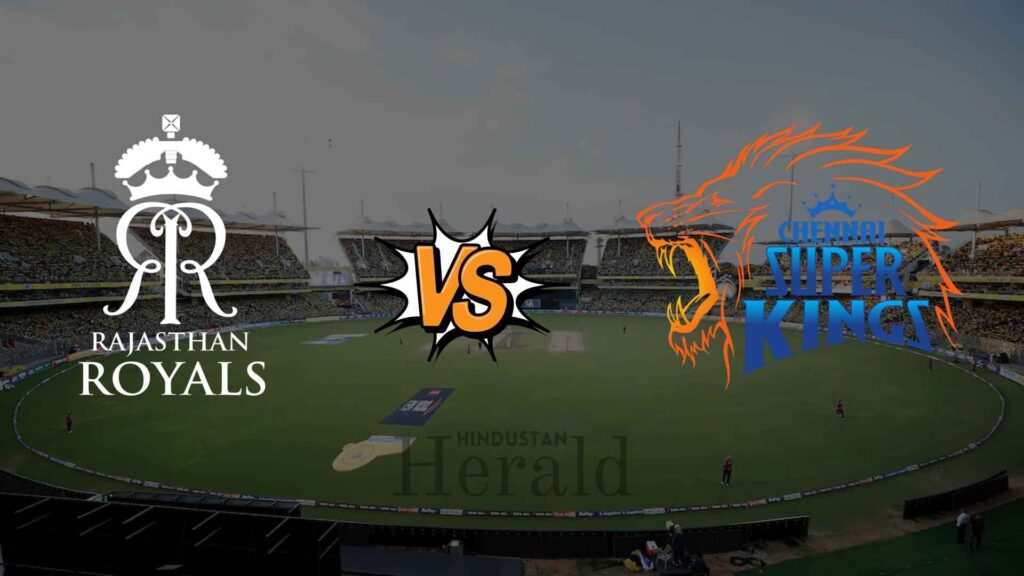
Election season means security forces are stretched thin. Police deployment becomes unpredictable. Large public gatherings require layered clearances. You cannot sell 50,000 tickets and then discover half your security grid is on polling duty.
This has happened before. In 2014, parts of the league were played in the UAE because of national elections. In 2019, schedules were stitched together in phases. The IPL has always found a way. Still, it prefers certainty. And certainty comes only after the Election Commission fixes its dates.
The expanded format complicates matters further. With 10 teams and 84 matches, this is no longer a compact six-week sprint. It is a travelling carnival that needs precision. Move one date in one city, and the rest of the grid starts shifting like loose tiles.
The Champions And Their Unfinished Business
If the calendar feels administrative, the situation in Bengaluru feels personal.
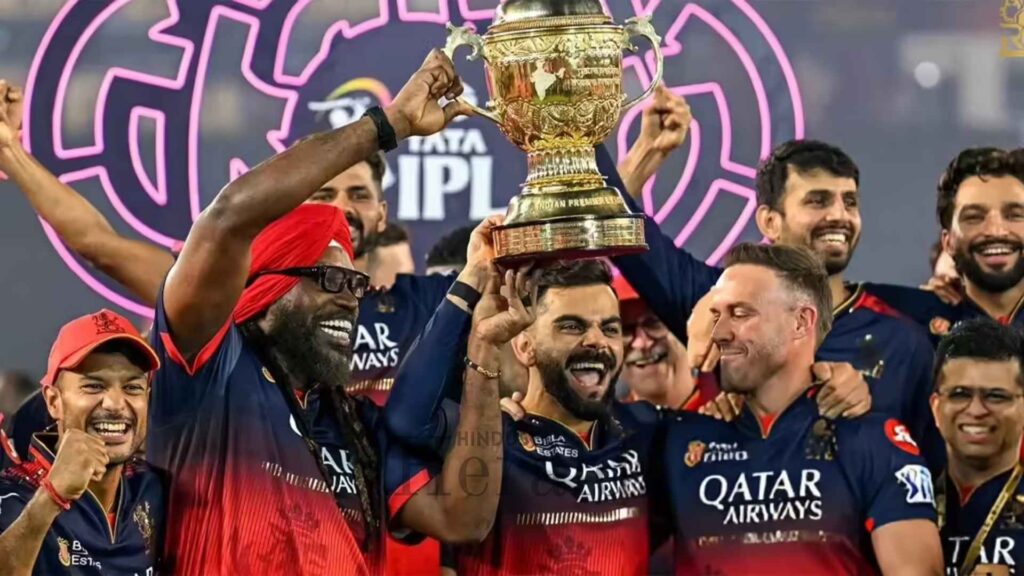
The Royal Challengers Bengaluru are the defending champions. That sentence still sounds new. After years of close calls and heartbreak, they lifted the trophy in 2025. By convention, champions open the next season.
But there is a question that no one has publicly answered yet. Will they open it at home?
The M. Chinnaswamy Stadium remains under scrutiny following the tragic stampede during last year’s victory celebrations. The images from that night have not faded easily. Reviews were ordered. Safety measures were reportedly reassessed. Conversations between franchise officials and the Karnataka State Cricket Association have continued quietly.
No one is calling the stadium unfit. But there is caution in the air. And caution, in Indian sport administration, often translates to contingency planning.
For the fans, this is not a minor logistical note. It matters where a title defence begins. The first home game after a maiden championship carries a different kind of electricity. It is less about the points table and more about belonging.
The Backup Cities Waiting Patiently
If Bengaluru is not cleared in time, alternatives are ready.
Navi Mumbai, Raipur, and Pune have been shortlisted as potential temporary bases. Each city has the infrastructure. Each has hosted high-profile matches before.
Navi Mumbai benefits from its proximity to Mumbai’s broadcast ecosystem. Raipur has quietly developed a reputation as a reliable stand-in venue. Pune understands IPL atmospheres well enough.
Yet there is something slightly disorienting about the idea of the defending champions playing “home” matches in a city that is not theirs. The IPL thrives on city identity. Jerseys are not neutral. Chants are not generic. Home advantage is emotional as much as tactical.
If relocation happens, it will be framed as practical and temporary. That may well be true. But sport does not run only on practicality.
The Business Of Being Precise
Behind the public suspense lies a more mechanical concern. The IPL is a tightly choreographed production.
Broadcasters schedule primetime slots months ahead. Sponsors design campaigns around marquee fixtures. Hotels block rooms. Airlines prepare for team travel. Even a two-day delay ripples through spreadsheets and call sheets.
Players, too, adjust routines. Overseas cricketers plan arrival dates. Training camps are mapped backward from opening night. A minor change in start date can mean an altered warm-up schedule.
The BCCI’s instinct to wait before releasing the full fixture list suggests it wants to avoid mid-season reshuffles. Once tickets go on sale, altering venues becomes messy. Refunds create noise. Fans lose trust.
So the pause now may prevent chaos later.
Cricket And The Country It Lives In
There is a strange symmetry to all of this. The IPL is often described as India’s most powerful sporting property. It commands global attention. It moves markets. It dictates advertising trends.
And yet, when election season arrives, it steps aside.
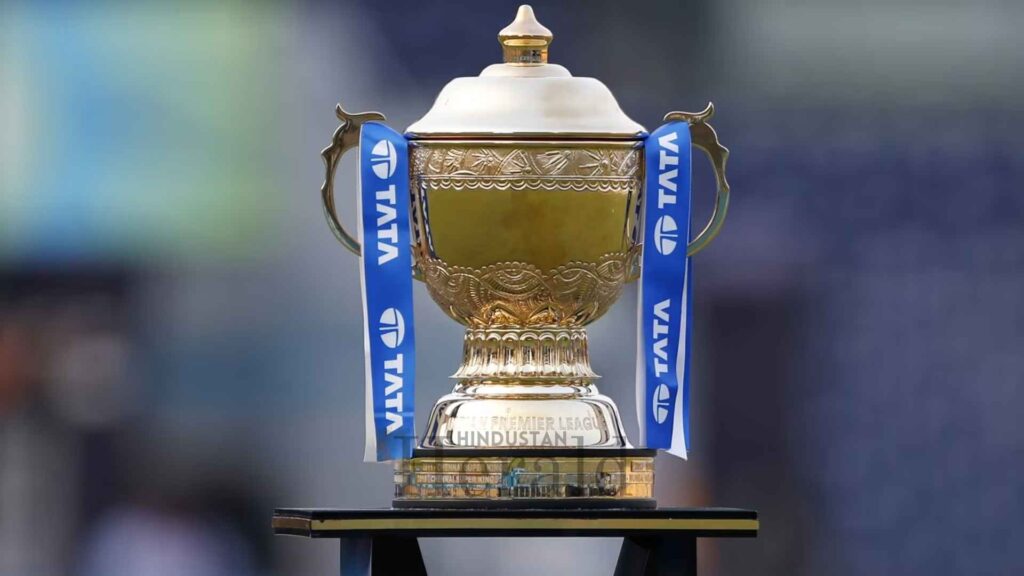
That is not a weakness. It is reality. India’s democratic machinery is enormous. Security forces cannot be in two places at once. Campaigns and cricket matches both draw crowds. One takes priority.
The league has learned to coexist with that rhythm. It bends. It adjusts. It resumes.
For now, nothing fundamental has changed. The tournament will run from late March to the end of May. The expanded 84-match format stays. Ten teams will jostle for playoff spots. The defending champions are likely to take the field on opening night.
The unresolved details lie in the fine print. Which city on which date? Which stadium under what security grid?
Next week’s Governing Council meeting should bring clarity. Once the election dates are officially announced, the fixture list is expected to follow quickly.
Until then, franchises continue their pre-season work. Nets are busy. Coaches pore over combinations. Support staff juggles travel scenarios. In boardrooms, administrators wait for one green signal from the political calendar.
It is a familiar Indian pause. Brief. Slightly tense. Ultimately temporary.
On March 28, wherever the first match is held, the lights will come on. The noise will rise. And the conversation will shift from dates and deployments back to cricket, where it belongs.
Stay ahead with Hindustan Herald — bringing you trusted news, sharp analysis, and stories that matter across Politics, Business, Technology, Sports, Entertainment, Lifestyle, and more.
Connect with us on Facebook, Instagram, X (Twitter), LinkedIn, YouTube, and join our Telegram community @hindustanherald for real-time updates.
Sports reporter covering cricket, football, and Olympic disciplines, with on-ground event experience.
- Prakash Nair

- Prakash Nair
- Prakash Nair
- Prakash Nair