
 By Ananya Sharma
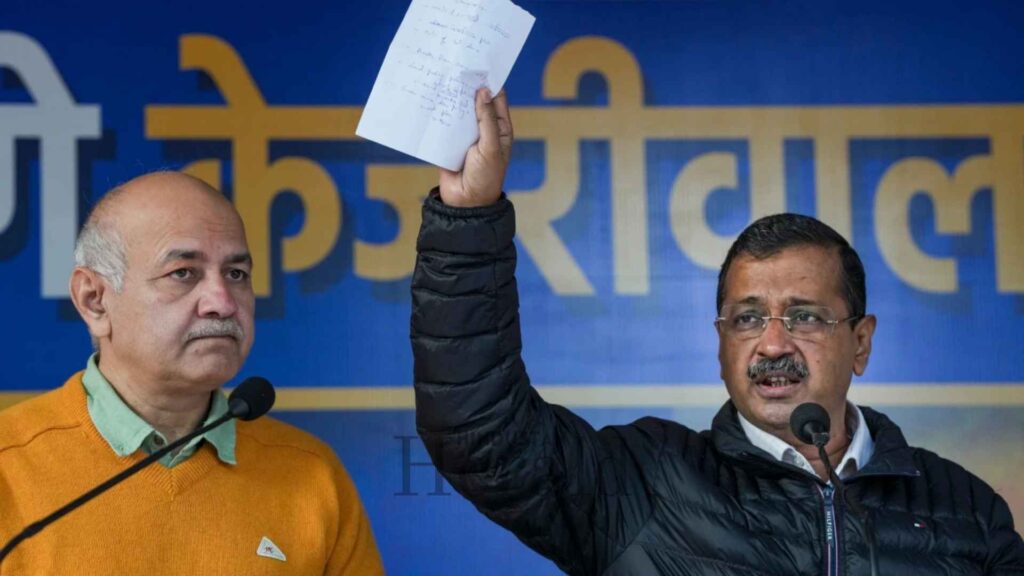
New Delhi, March 9: The Delhi Excise Policy Case returned to the centrestage on Monday as the Delhi High Court stepped into what has become one of the most politically charged legal battles in recent Indian history. Ten days after a special court sent shockwaves through the Central Bureau of Investigation by discharging all 23 accused, including AAP chief Arvind Kejriwal and former Deputy Chief Minister Manish Sisodia, the agency brought its fight to the High Court. The hearing, brief but consequential, set up what could be a defining month for Indian politics and the rule of law alike.
The Hearing That Changed the Room
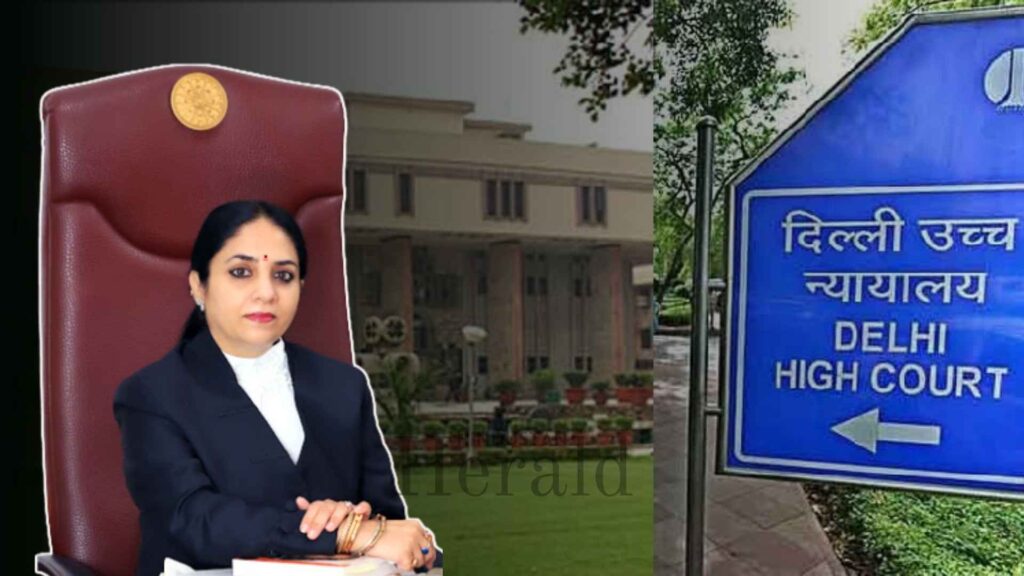
Justice Swarana Kanta Sharma stayed the adverse observations made by the trial court against the CBI and its investigating officer, and directed the trial court to postpone the hearing in the connected PMLA money laundering case until the High Court decides the CBI’s revision plea. The judge was pointed in her language, noting that the scathing remarks made against the investigating officer and the agency were unwarranted at the discharge stage.

Solicitor General Tushar Mehta, appearing for the CBI, urged the court to decide the agency’s plea by fixing a hearing schedule, and contended that the trial court order discharging Kejriwal and Sisodia was perverse and had effectively “turned criminal law on its head.” Notices were then formally issued to Kejriwal, Sisodia and the remaining 21 accused, directing them to file responses. The matter has been listed for the next hearing on March 16.
For all the courtroom drama, one detail that AAP’s camp seized upon was that the High Court did not stay the discharge order itself. The accused still walks free. Still, the High Court’s swift intervention, its willingness to protect the CBI’s institutional standing by staying those remarks, and its decision to freeze the ED’s parallel proceedings signal that the superior judiciary is not ready to let this case close quietly.
What the CBI Is Actually Arguing
The CBI filed a revision petition running into 974 pages before the High Court, and the core of its argument is not simply that the trial court got facts wrong. It is arguing that the trial court fundamentally misunderstood its own role. The agency contended that the Special Court, instead of assessing whether a prima facie case existed, engaged in a detailed evaluation of evidence akin to a full trial, and that the Special Judge analyzed the alleged conspiracy in isolated parts, neglecting the cumulative impact of investigation material.
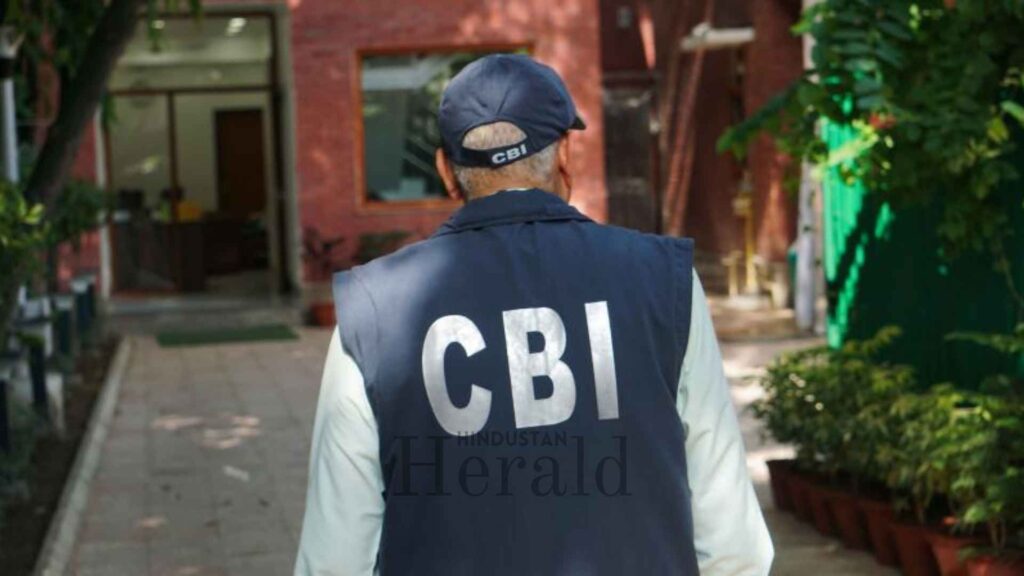
That distinction matters enormously in law. At the stage of framing charges, a court is not supposed to weigh evidence as if delivering a verdict. It is only required to determine whether there is enough material to put the accused to trial. The CBI’s case is that Special Judge Jitendra Singh crossed that line, essentially holding a verdict without holding a trial.
The CBI told the High Court that evidence collected was ignored, and that there is enough evidence against Kejriwal, Sisodia and others, with witnesses supporting the CBI’s case. Mehta went further, telling the court that bribe givers had flown in private aircraft during the peak of Covid, even when private aircraft were not allowed, and that there were 164 statements under Section 164 CrPC from witnesses who clearly elaborated how the conspiracy was hatched, how the bribe was paid, and to whom.
The CBI’s petition said the impugned order is “patently illegal, perverse and suffers from errors apparent on the face” and that it fails to appreciate the facts of the case in their correct perspective, with such failure further leading to adverse remarks against the investigating agency and its officer, described as “unwarranted and incomprehensible.”
The agency was blunt in its characterization of the trial court judge. The CBI alleged that the observations in the order bear testimony to the fact that the Special Judge “lacks the basic understanding of the prosecution case as a whole and the corresponding law at the stage of charge.”
The Trial Court’s Reasoning: Why the Discharge Happened
To understand why the CBI is fighting this so hard, one has to go back to what Special Judge Jitendra Singh actually said in his 598-page order delivered on February 27. The judgment did not merely discharge the accused on technical grounds. It delivered a point-by-point dismantling of the prosecution’s theory.
The trial court said the material as it presently stands does not disclose a prima facie case of policy concealment, unilateralism or exclusion of constitutional authority. On the contrary, it found that the record reflects a process marked by consultation, communication and administrative caution.
On the question of whether the policy itself was tainted, the court was equally unsparing of the CBI’s narrative. It noted that the policy emerged during a period marked by unprecedented fiscal strain occasioned by the COVID-19 pandemic, when state revenues had suffered severe contraction owing to lockdown measures, while expenditure obligations expanded significantly to address public-health exigencies. The choice of an auction-based model, which ordinarily assures competitive bidding and potentially enhanced revenue realization, could not be divorced from that fiscal context.
The court indicated it would recommend a departmental inquiry against CBI officials for naming public servant Kuldeep Singh as accused number one in the case, a remark the High Court has now specifically stayed. That detail alone tells you why the CBI was so agitated. Having a High Court-level departmental inquiry recommended against your investigators is not just an embarrassment. It is an institutional indictment.
The “South Group” Theory and Its Problems
Central to the CBI’s case has been what it calls the “South Group” narrative. The agency alleged that a tailor-made policy was constructed to facilitate kickbacks from liquor businessmen from southern India, who then funnelled money into AAP’s campaign for the Punjab Assembly elections.
The approver testimonies were the load-bearing wall of this theory. But the trial court’s discharge order challenged precisely that foundation. The special court pulled up the CBI for building its case through approver statements, saying that if an accused is granted pardon, made an approver, and his statements are then used to fill gaps in the investigation and make additional people accused, that is a grave violation of constitutional principles.
That observation cut deep because approvers, by their very nature, are accused individuals who have been granted pardon in exchange for testifying. The court’s concern was that the CBI had used approvers not to confirm an independently established conspiracy, but to create one. The High Court, for now, has stayed that observation. But the underlying legal question will need answering on March 16.
AAP’s Read of the Day

AAP MP Sanjay Singh responded to the day’s developments by saying, “First of all, they didn’t get a stay, which is a setback for the CBI. We’ll gather all the details from our lawyers and then officially state our position. They didn’t get a stay. The CBI court’s decision remains the same.”
It is a technically accurate reading. The discharge stands. Kejriwal and Sisodia are not under trial. The High Court’s actions today were procedural, not substantive. That said, the CBI now also has the High Court’s ear, a timeline, and a frozen PMLA front that prevents the ED from advancing the money-laundering case in the meantime.
For AAP, the party that came within two seats of losing Delhi in February 2025 in an election the excise controversy helped fuel, any revival of this case in any form carries political consequences.
A Case That Reshaped Delhi’s Political Landscape
It is difficult to report on this case without acknowledging the cost it has already incurred for the people involved. Sisodia, once considered among the more capable administrators in Indian state-level politics, spent two years in jail. Kejriwal spent six months behind bars. As news came in of the clean chit, Kejriwal broke down, calling the corruption case against him the “biggest political conspiracy” in the history of Independent India.
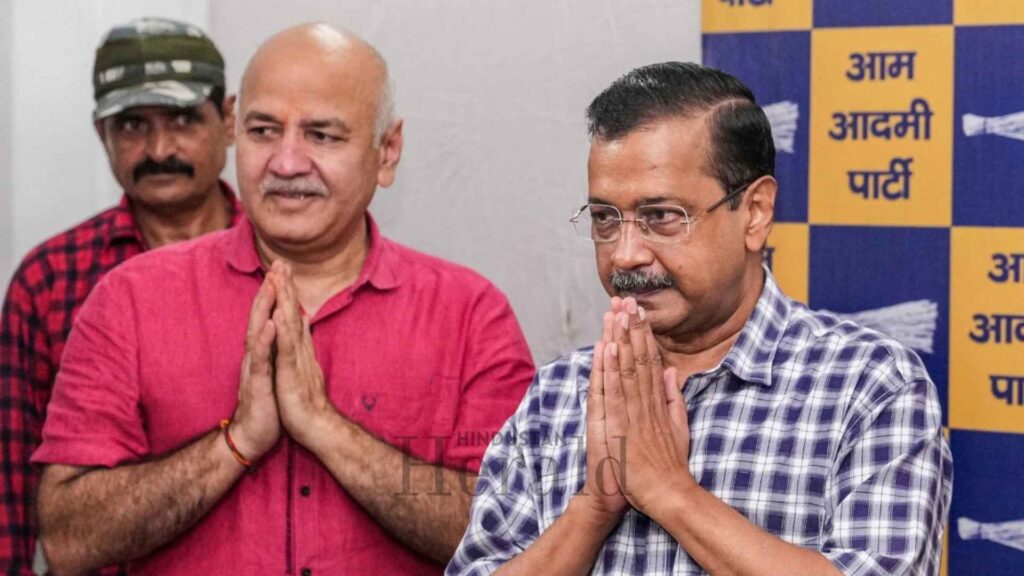
The CBI, for its part, is arguing that the case is not over. The agency told the High Court that the excise policy scam is one of the biggest scams in the history of the capital of this nation, and that a scientific investigation was carried out in which every aspect of the conspiracy was established.
These are opposed readings of the same set of facts. One side sees a political vendetta that finally unravelled in court. The other sees a brazen corruption cover-up that the judiciary helped paper over. The Delhi High Court now has to navigate between them.
What Happens on March 16
The next hearing is a week away. The accused have been asked to file their responses. The ED case is on hold. The trial court’s remarks against the CBI investigators are frozen. And a bench will sit again to determine whether a 598-page special court judgment discharging 23 people, including two former heads of India’s fourth-largest state government, was right or catastrophically wrong.
The legal questions are narrow. The political stakes are anything but.
Stay ahead with Hindustan Herald — bringing you trusted news, sharp analysis, and stories that matter across Politics, Business, Technology, Sports, Entertainment, Lifestyle, and more.
Connect with us on Facebook, Instagram, X (Twitter), LinkedIn, YouTube, and join our Telegram community @hindustanherald for real-time updates.

Covers Indian politics, governance, and policy developments with over a decade of experience in political reporting.
- Ananya Sharma

- Ananya Sharma
- Ananya Sharma
- Ananya Sharma




 Sandeep Verma
  Arun Upadhayay