
 By Rajiv Menon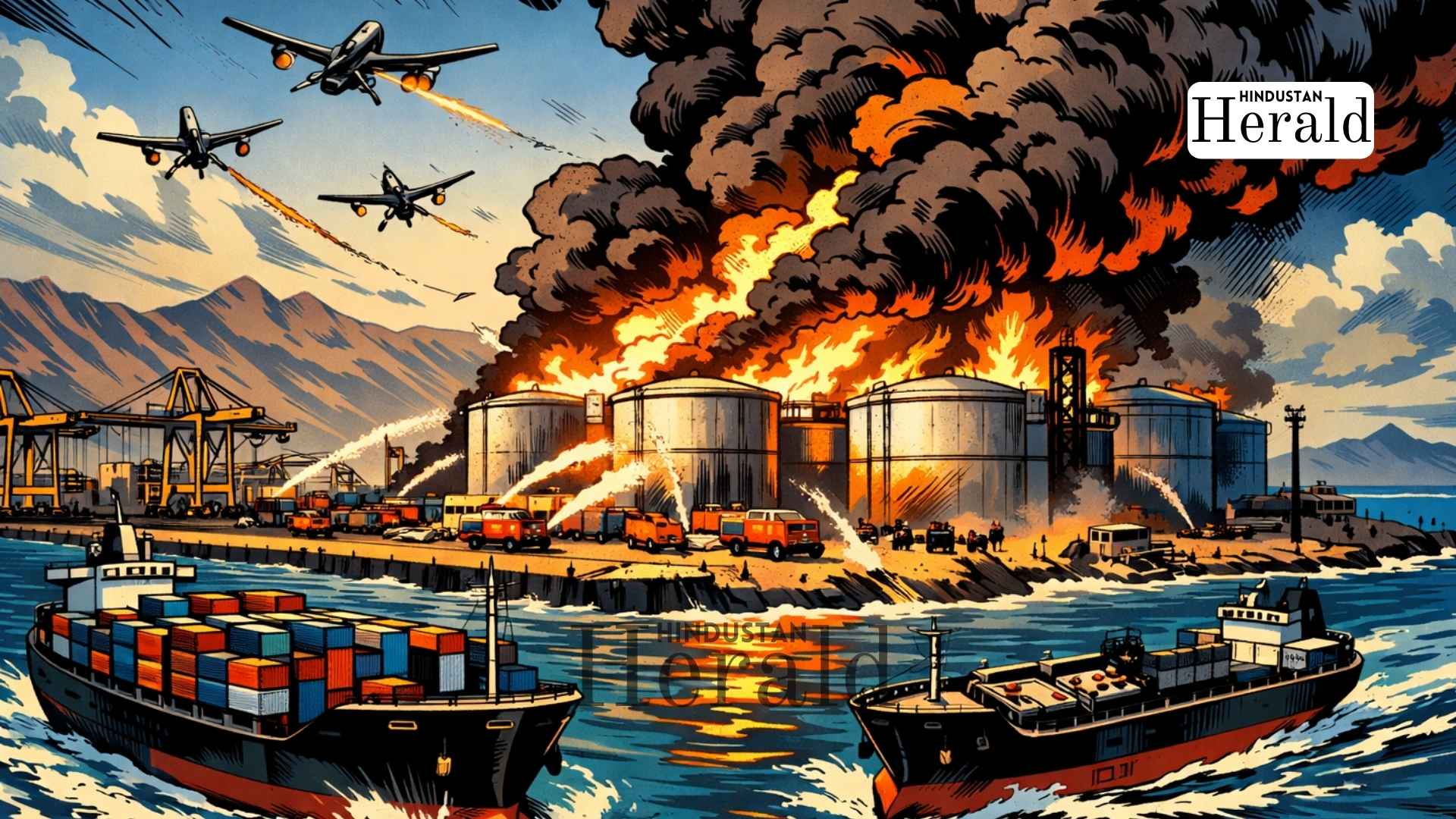
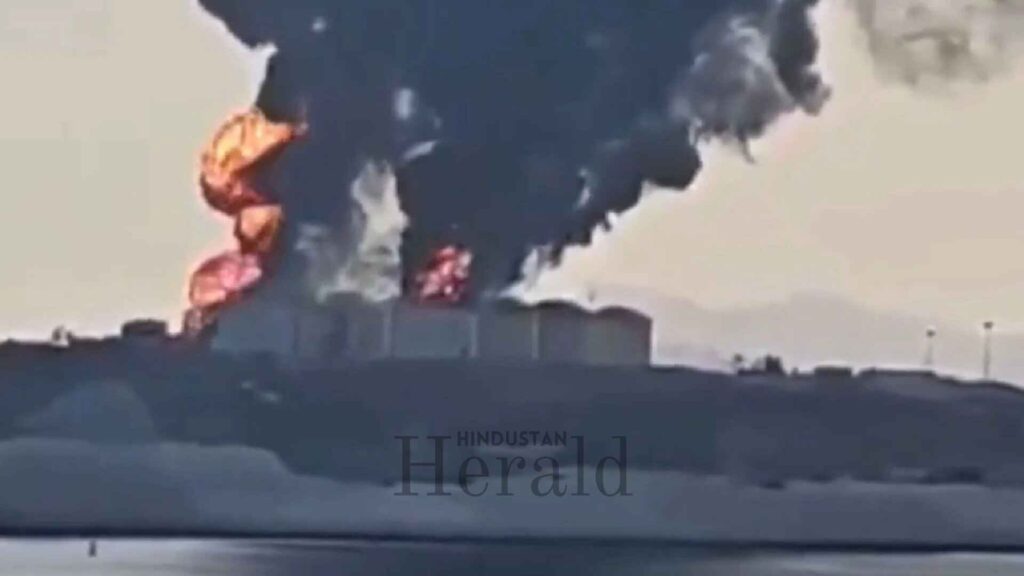
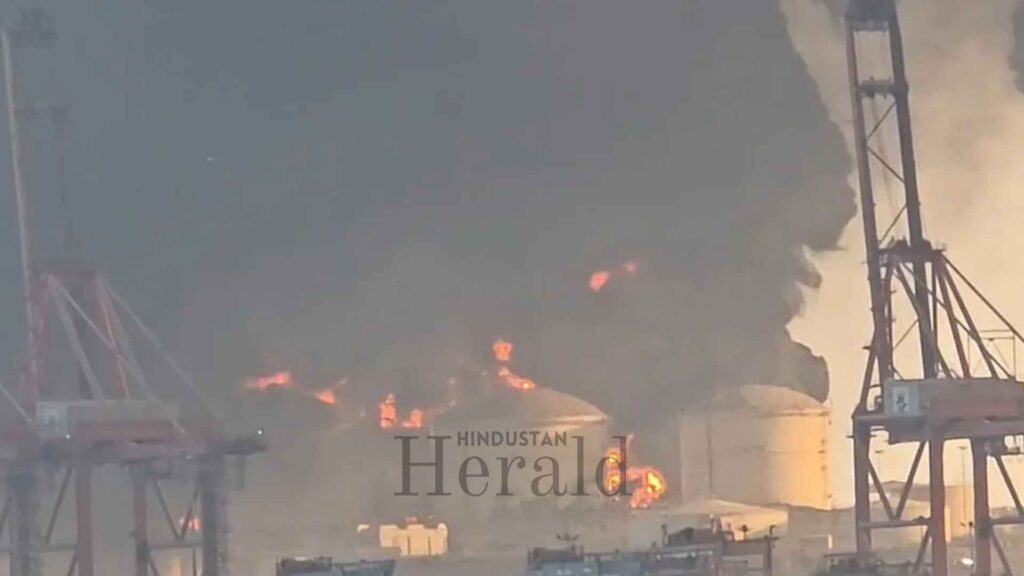
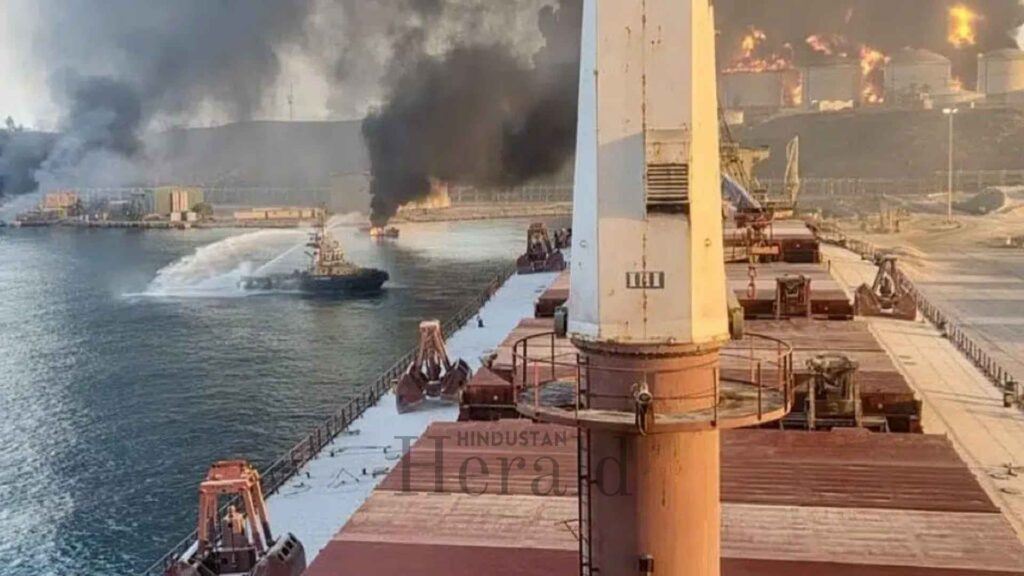
New Delhi, March 12: The fires at Salalah were still burning on Thursday morning. Civil defence crews had been at it through the night, and Oman’s state news agency was telling people not to expect the blaze to be out anytime soon. Fuel tanks in the Raysut terminal were still ablaze, thick columns of smoke visible from vessels anchored offshore. Nobody had been killed, which was the one piece of good news in an otherwise grim twenty-four hours for a country that has spent decades trying very hard not to be anybody’s enemy.
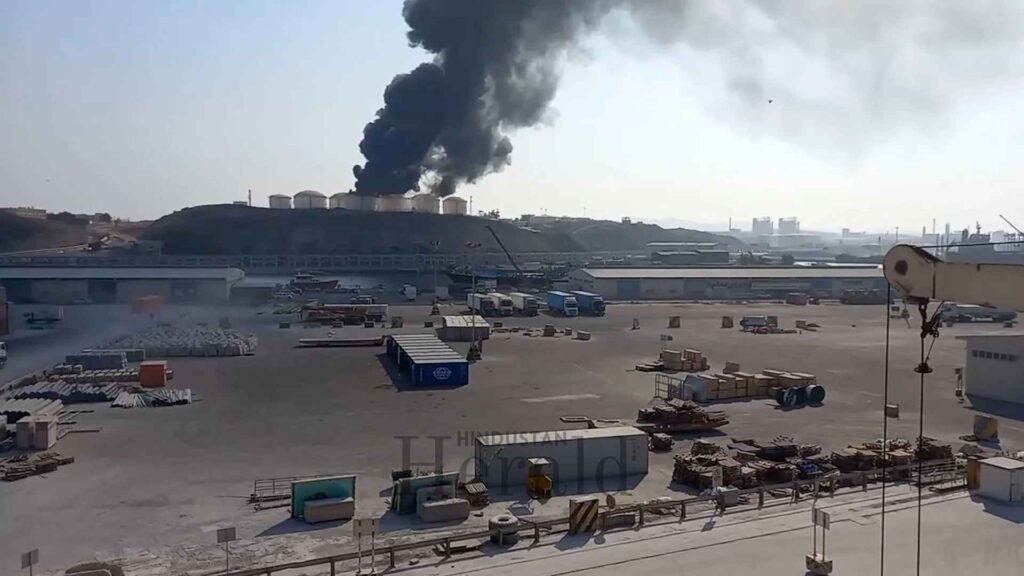
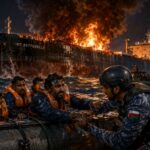
The attack happened on Wednesday. Drones came in over the Port of Salalah, one of the most important maritime hubs on the Arabian Sea. Several were shot down, according to a security source cited by the Oman News Agency. Others were not. At least three fuel storage tanks caught fire. British maritime security firm Ambrey confirmed that oil storage infrastructure had been struck. No merchant vessels docked at the port were damaged, but that distinction offers cold comfort when the port itself is no longer operational.
Maersk, the world’s largest container shipping line, halted all operations at Salalah without specifying when it expected to resume. A Chinese container vessel reportedly arrived at the port shortly after the strike, took one look at the situation, and left within forty minutes. Nineteen ships were in port at the time of the attack. Port Control told them all to prepare for departure.
A Port That Was Never Supposed to Be in This War
To understand why Salalah matters, you have to understand what has happened to the Strait of Hormuz over the past two weeks.
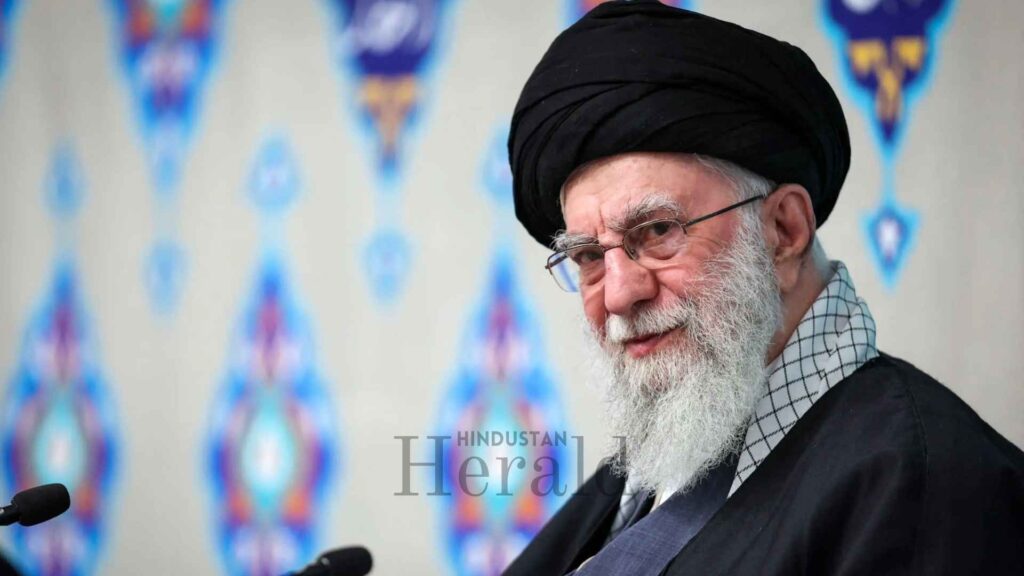
Since late February, when the United States and Israel launched coordinated strikes on Iran under Operation Epic Fury and killed Supreme Leader Ali Khamenei, the strait has functionally ceased to exist as a shipping lane. Tanker traffic dropped by roughly 70 per cent almost immediately, and within days it fell to near zero. The IRGC declared the strait closed. Ships that tried to pass were attacked. Companies like Maersk, CMA CGM, and Hapag-Lloyd pulled out entirely.
So the industry pivoted. Vessels rerouted around the Arabian Peninsula. Salalah was the obvious staging point. Sitting on Oman’s southern coast along the Arabian Sea, well outside the Persian Gulf, it handled the surge in bunkering demand from ships that no longer had safe access to Gulf ports. It was the workaround. And now someone has struck the workaround.
As per reporting by OilPrice.com, the strike raises the deeply uncomfortable possibility that Iran is expanding its campaign beyond the Hormuz chokepoint and targeting the alternative export routes that the rest of the world had been quietly relying on. If that reading is correct, the implications are severe. There is no obvious third option after Salalah.
What Iran Is Saying, and What That Means
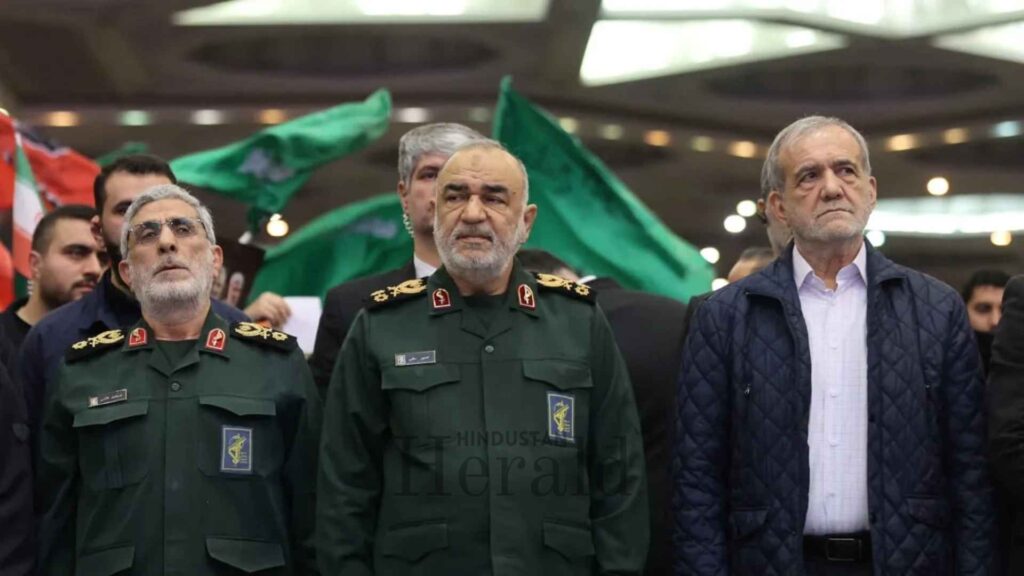
Iranian officials have not claimed responsibility, and Tehran has, in fact, denied deliberately targeting infrastructure in neighbouring Arab states. President Masoud Pezeshkian called Oman’s Sultan after the attack and promised an investigation. The readout from Muscat was notably cooler. Sultan Haitham bin Tariq expressed, in the careful language of Omani diplomacy, his dissatisfaction and condemnation.
There is a second theory circulating in Gulf political commentary that deserves a mention, even if it remains speculative. A Saudi political analyst quoted by Middle East Eye said there is a growing belief in the region that some of these attacks may not be entirely what they appear to be. He suggested a hypothesis gaining ground privately: that the US and Israel may be drawing Gulf states into a confrontation they will later be left to manage alone. He said this hypothesis “increases every day.” Whether or not it has merit, the fact that it is being aired publicly by mainstream regional commentators tells you something about the trust deficit between Washington and its Gulf partners right now.
Still, the physical evidence at Salalah is not a false flag. The fires are real. The tanks are destroyed. The port is shut.
Oman’s Terrible Position
There is no diplomatic tradition in the modern Gulf quite like Oman’s. Muscat served as the backchannel for the 2015 Iran nuclear deal at a time when Washington and Tehran could not speak directly. It has quietly hosted sensitive negotiations across multiple administrations, American and Iranian both. It does not take sides. This has been, for decades, its entire foreign policy identity.
That identity is now under severe stress.
Qatar’s Ministry of Foreign Affairs put out a statement Thursday calling the Salalah attack a blatant act of aggression and a flagrant violation of international law. It specifically noted that targeting Oman, given its role as a mediator, was an assault on that mediation itself. The Gulf Cooperation Council’s secretary-general publicly criticised Iran. The UAE and Kuwait joined the condemnations.
None of this translates into military action, and nobody is suggesting it will. But the diplomatic architecture that Oman has spent a generation building, the credibility as an honest broker, the access to Tehran that Washington does not have, all of it depends on Oman being perceived as untouchable. That perception is now damaged, possibly badly.
Indian Sailors Are Dying in These Waters
For readers in India, this conflict has already stopped being an abstraction. Since early March, a series of attacks on vessels in the Arabian Sea and near the Strait of Hormuz has claimed Indian lives. The oil tanker Skylight was struck north of Khasab in Oman. Two Indian crew members were killed. Three others were injured. A drone boat hit the MKD VYOM, killing another Indian sailor. A fourth Indian national was critically wounded aboard the LCT Ayeh.
Indian seafarers are among the largest national groups working in global merchant shipping. The Arabian Sea, which Indian sailors have crossed for generations as a matter of professional routine, is now a place where ships are being targeted, and people are dying. There has been no comprehensive advisory from New Delhi on crew safety in the region, and the casualty numbers are still climbing.
On the energy side, the picture is equally concerning. India imports roughly 85 per cent of its crude requirements, a significant chunk of it from Gulf producers. The Hormuz closure has already pushed tankers onto longer routes, hiking freight costs and voyage times. Salalah was one of the only reliable bunkering stops on those alternative routes. With it now suspended, those costs go up again. Higher freight costs have a way of appearing at the pump, eventually.
Brent crude had already crossed $100 per barrel on March 8 for the first time in four years, touching $126 per barrel at its peak, according to available market data. The Salalah attack will not push it down.
The Day Everything Happened at Once
The scale of what unfolded on Wednesday across the Gulf is worth sitting with for a moment. The same day drones hit Salalah, Qatar reportedly intercepted aerial targets over Doha. Saudi Arabia’s defence ministry said it shot down drones over the Empty Quarter desert. Kuwait’s National Guard confirmed it had intercepted eight drones in areas under its protection.
Eight drones, over Kuwait, on the same day as the Salalah attack. This is not a targeted campaign with defined objectives anymore. This looks increasingly like a sustained, diffuse assault on Gulf infrastructure across multiple countries, aimed at the energy supply network as a whole.
Analysts cited by OilPrice.com warned that the conflict is evolving into a broader campaign to disrupt the Middle East’s energy architecture simultaneously. Ports, storage facilities, commercial shipping, and refineries. There is no obvious category of infrastructure that is being treated as off-limits.
The Fire That Will Not Go Out Quickly
As of this reporting, the Raysut terminal remains on fire. Civil defence teams, supported by the Sultan’s Armed Forces, are on the ground. Oman’s energy ministry has told the public that the domestic fuel supply is stable. That may be true for now, and one hopes it stays that way.
The Port of Salalah will reopen eventually. The fires will be put out. But the attack has done something to the geography of this conflict that cannot be undone simply by extinguishing a blaze. It has demonstrated that the war is willing to go wherever it needs to go, and that a port on the southern coast of a neutral country, a port that existed precisely because it was not part of the conflict, is not safe either.
For a region trying to find exit ramps, that is a very bad message to receive.
Stay ahead with Hindustan Herald — bringing you trusted news, sharp analysis, and stories that matter across Politics, Business, Technology, Sports, Entertainment, Lifestyle, and more.
Connect with us on Facebook, Instagram, X (Twitter), LinkedIn, YouTube, and join our Telegram community @hindustanherald for real-time updates.

Specializes in South Asian geopolitics and global diplomacy, bringing in-depth analysis on international relations.
- Rajiv Menon

- Rajiv Menon
- Rajiv Menon
- Rajiv Menon



 Shelesh Joshi and Rajiv Menon