
 By Ananya Sharma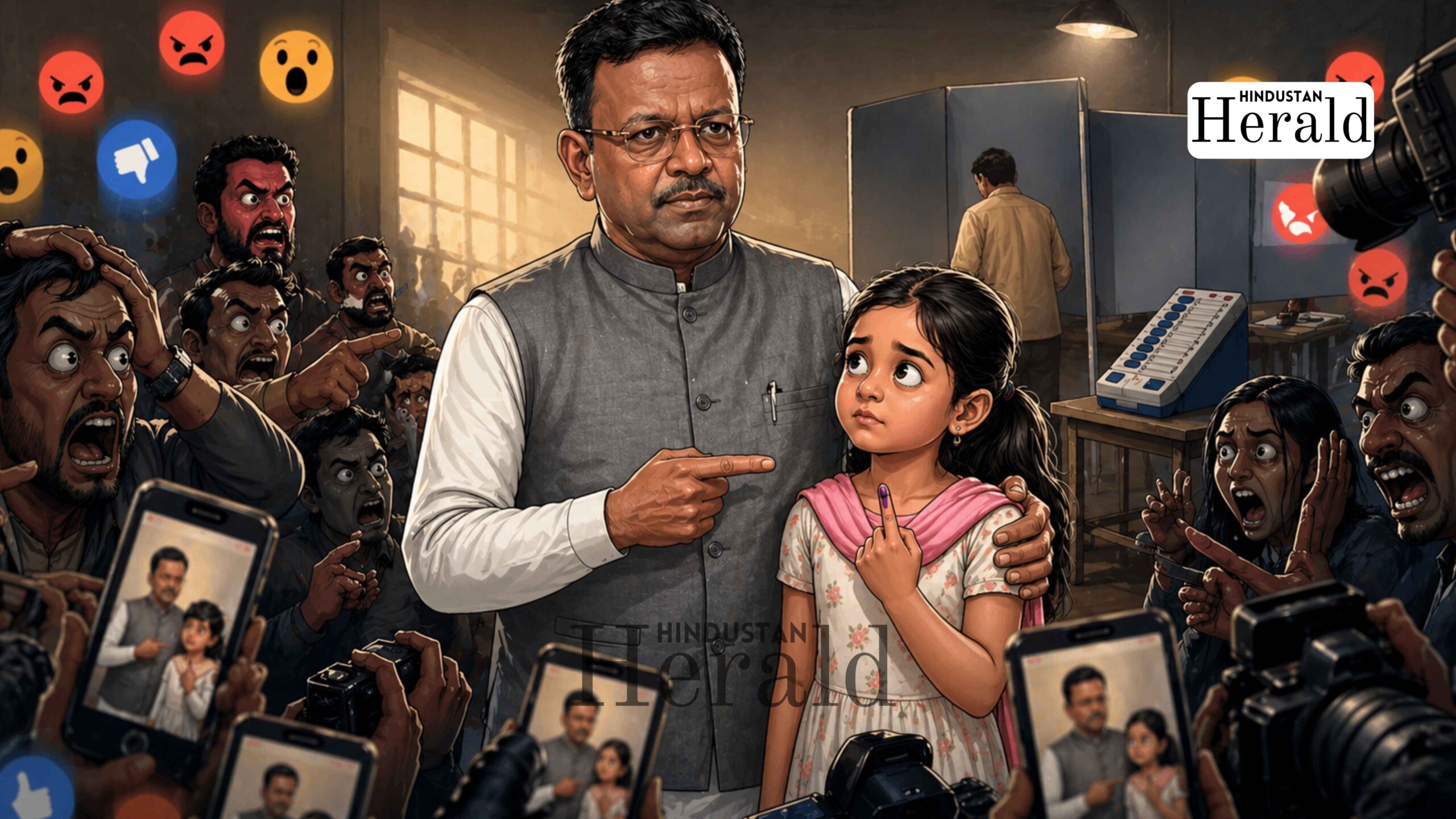
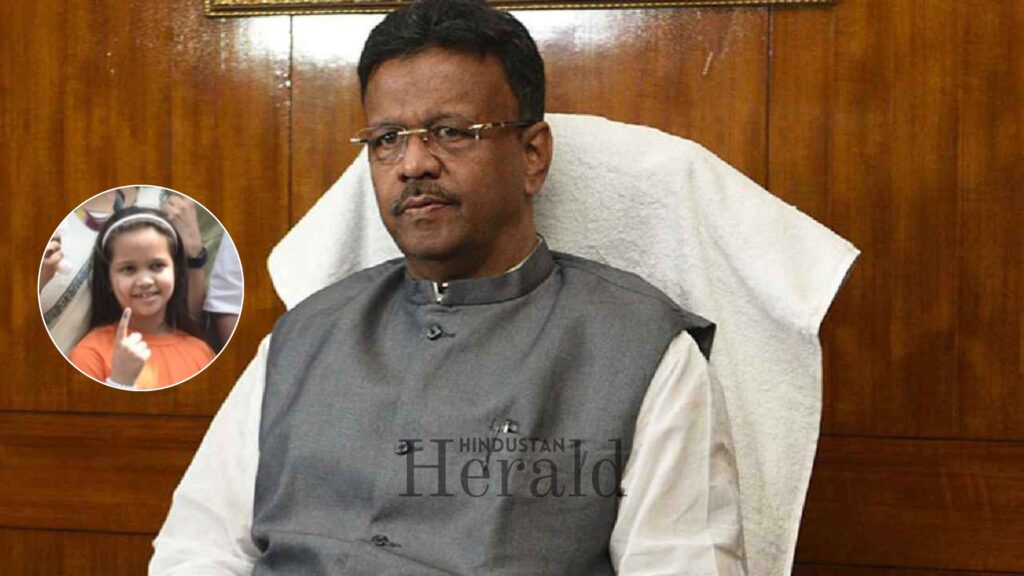
Kolkata, April 30: It started with a photograph. Not a leaked document. Not a whistleblower. Not even a formal complaint. Just a photograph that Firhad Hakim, Kolkata’s Mayor and a big name in the Trinamool Congress, posted himself on X after voting on Wednesday morning. He was with his family. He had just cast his vote in the West Bengal Assembly elections 2026 from the Kolkata Port seat. The picture was the kind of thing politicians post all the time on election day. Nothing unusual about it, except one thing.
There was a little girl in the frame. And her finger had ink on it.
That was all. That was enough.
And Then the Internet Did What the Internet Does
BJP’s Amit Malviya, the party’s sharp-elbowed social media head, spotted it fast. He reposted the image and made the accusation plainly: a minor had been made to vote. The ink on the child’s finger was the evidence. Here it was, posted by the TMC leader himself, on his own account.
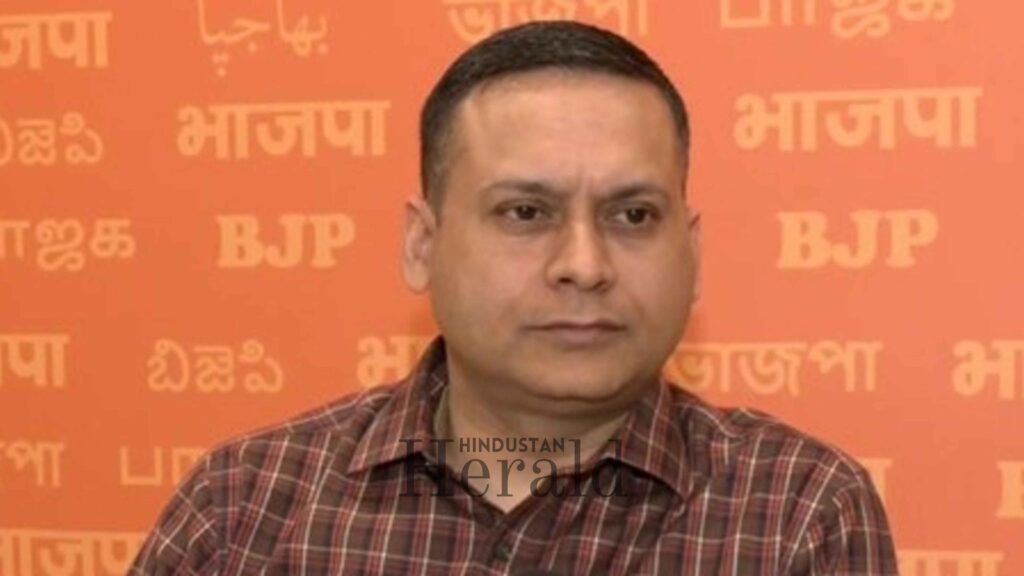
The post took off. People shared it. People got angry. Some people started asking questions. And somewhere in the noise, the facts of the matter got a little lost, which, if you have watched Indian political social media for any length of time, is not a surprise.
So let us slow down and look at what actually happened here.
The Ink Mark and What It Means and What It Doesn’t
Most people know the ink. Every election, voters walk out of booths with a dark mark on their left index finger. It is indelible ink, and it is applied specifically so that no one can vote twice. It is one of the more recognisable symbols of Indian democracy.
Now, here is what the rulebook says. Section 49K of the Conduct of Elections Rules, 1961 is clear: the ink goes on the finger of an elector. An elector is a registered voter. A child under 18 is not a registered voter. So technically, by the rules, no polling booth official should be putting ink on a child’s finger as part of the voting process.
But, and this is the part that got buried under the outrage, that rule being broken in a minor way is a very different thing from a child actually casting a vote.
Think about how bogus voting actually works. For a minor to have genuinely voted, her name would need to be on the electoral roll. She would need to have been called at the counter. Someone would have had to verify her identity. And then she would have had to press a button on the EVM. None of that was alleged by anyone. Not by Malviya, not by any BJP spokesperson, not by any formal complaint to the Election Commission.
What was alleged was an ink mark on a child’s finger.
Now, it is not unheard of anyone who has ever accompanied a parent to vote as a child in India might remember this for booth staff to informally put a small ink mark on kids who tag along. It is not in the rulebook. It is not supposed to happen. But it is an informal gesture that has existed for years in polling booths across the country. Irregular? Yes. Criminal conspiracy to commit electoral fraud? That is a very different thing.
Hakim Is No Stranger to Being in the Eye of a Storm
If you follow Bengal politics, you already know that Firhad Hakim and controversy are old acquaintances.
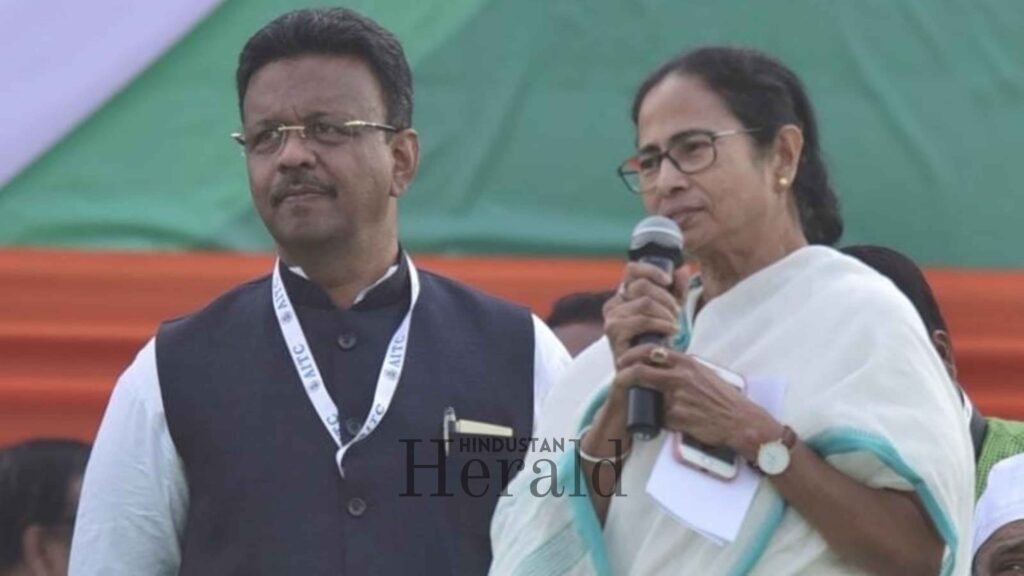
Back in 2021, during the last Assembly election, a video went viral allegedly showing him abusing central security forces deployed for election duty. The Election Commission sent him a show-cause notice. He denied it. The cycle moved on.
Then in 2024, a video from a student programme he runs called Firhad 30 made waves. In it, he could be heard talking about how his community, which makes up around 33 per cent of Bengal’s population, believed it could one day become a majority if things went their way. The BJP went ballistic. Words like “pure venom” were used. TMC stayed quiet. It passed.
There was also the Haroa by-election that year, where comments he made about Rekha Patra the face of the Sandeshkhali movement, added another entry to the list.
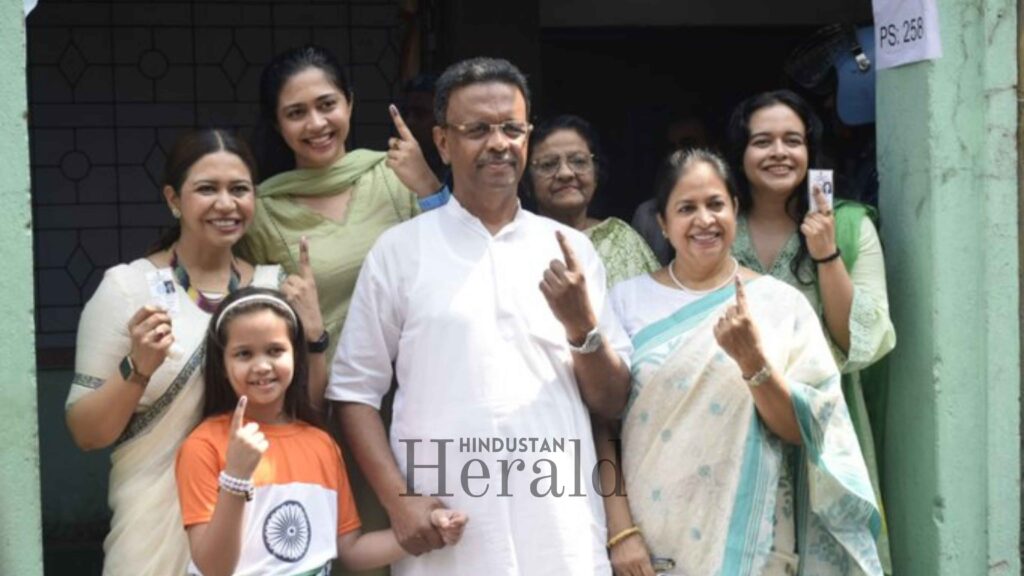
This photograph is the latest. Whether something genuinely wrong happened at that booth or whether a child simply got an informal ink mark from an overfriendly polling official, the image is now part of the election’s public record. And Hakim’s side had said nothing about it by Wednesday afternoon. That could be a strategy. Could be a chaotic day. Hard to know.
Wednesday Was Not a Quiet Day Anywhere in Bengal
Here is the thing though. If you step back from the photograph for a moment, Phase 2 polling day in West Bengal had no shortage of serious, documented allegations the kind that tend to get less airtime than a viral image.
In Panihati, the mother of the RG Kar rape-murder victim was contesting as a BJP candidate. She alleged she was physically attacked by TMC workers while out during polling. She said the police refused to act when she asked for arrests. She also claimed that ink had been smeared on the BJP option on an EVM at her booth which, if true, is a straightforward attempt to stop people from voting for a specific party.
In Chapra in Nadia district, a BJP polling agent was reportedly set upon by a group of men with iron rods and guns early in the morning. Police eventually got to him and he was taken to hospital.
These are not small things. These are serious election day allegations. The kind that voter rights groups and election observers take seriously. But they did not trend the way the Hakim photograph did. That says something about how information moves on social media, and what kind of content gets amplified versus what gets buried.
There were other signs of a tense day too. The Director General of CRPF was reportedly seen near Hakim’s own residence during voting hours, which is not the kind of routine detail that shows up on a normal, quiet polling day.
The Bigger Point That Nobody Wants to Talk About
Here is an honest observation. The right-left finger idea that an ink mark on a finger equals proof of voting has been circulating on social media for years. It is a powerful image. Simple, visual, easy to understand. But it does not reflect how the actual voting process works.
Ink on a child’s finger does not mean the child voted. It means someone put ink on the child’s finger. Those are two completely different things, and treating them as the same is exactly how misinformation spreads during elections not necessarily through lies, but through incomplete pictures that feel like the whole story.
None of this means West Bengal’s elections are perfectly clean. Nobody with any familiarity with Bengal’s electoral history would say that. TMC has faced serious and credible allegations around booth management, voter intimidation, and agent access across multiple election cycles. Those are legitimate concerns worth examining.
But this specific allegation that Firhad Hakim had a minor cast a vote does not have the evidence to back it up. What it has is a photograph, a repost, and a political machine that knows how to turn an image into a headline before anyone has had time to think.
The Little Girl in the Middle of All This
At some point in this whole episode, it is worth remembering who is actually in that photograph.
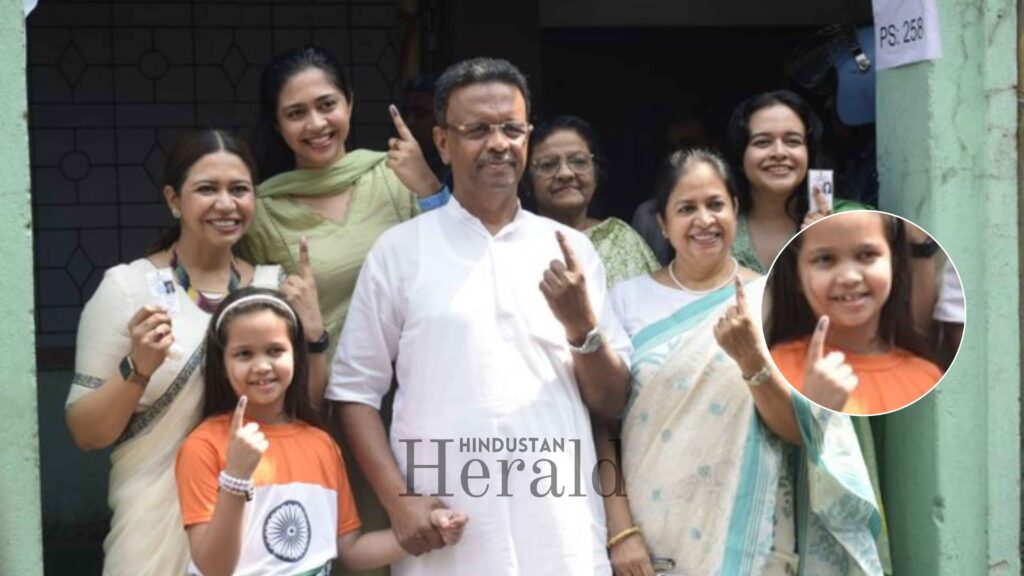
A child. A small girl who probably went to the polling booth because her family went, the way kids do. She did not vote. She did not participate in any fraud. She stood with her family and, by the looks of it, got an ink mark on her finger whether from an overzealous booth official or some other reason, nobody has officially established.
She is now all over Indian social media. Her image has been shared by politicians, TV anchors, and thousands of ordinary users. She will not understand why for many years.
That, honestly, is the most uncomfortable part of this entire story.
Phase 2 of the West Bengal 2026 elections is done. The votes are in. Exit polls are already making noise. The Election Commission will take its time going through the formal complaints if any were filed on the ink matter specifically, and decide what, if anything, requires action.
Firhad Hakim has weathered bigger controversies than this. He will likely weather this one too.
But the question that lingers is not really about him. It is about what kind of political conversation we are having when a child’s photograph becomes a weapon before anyone stops to ask what actually happened.
Stay ahead with Hindustan Herald — bringing you trusted news, sharp analysis, and stories that matter across Politics, Business, Technology, Sports, Entertainment, Lifestyle, and more.
Connect with us on Facebook, Instagram, X (Twitter), LinkedIn, YouTube, and join our Telegram community @hindustanherald for real-time updates.

Covers Indian politics, governance, and policy developments with over a decade of experience in political reporting.
- Ananya Sharma

- Ananya Sharma
- Ananya Sharma
- Ananya Sharma




 Arun Upadhayay