
 By Ananya Sharma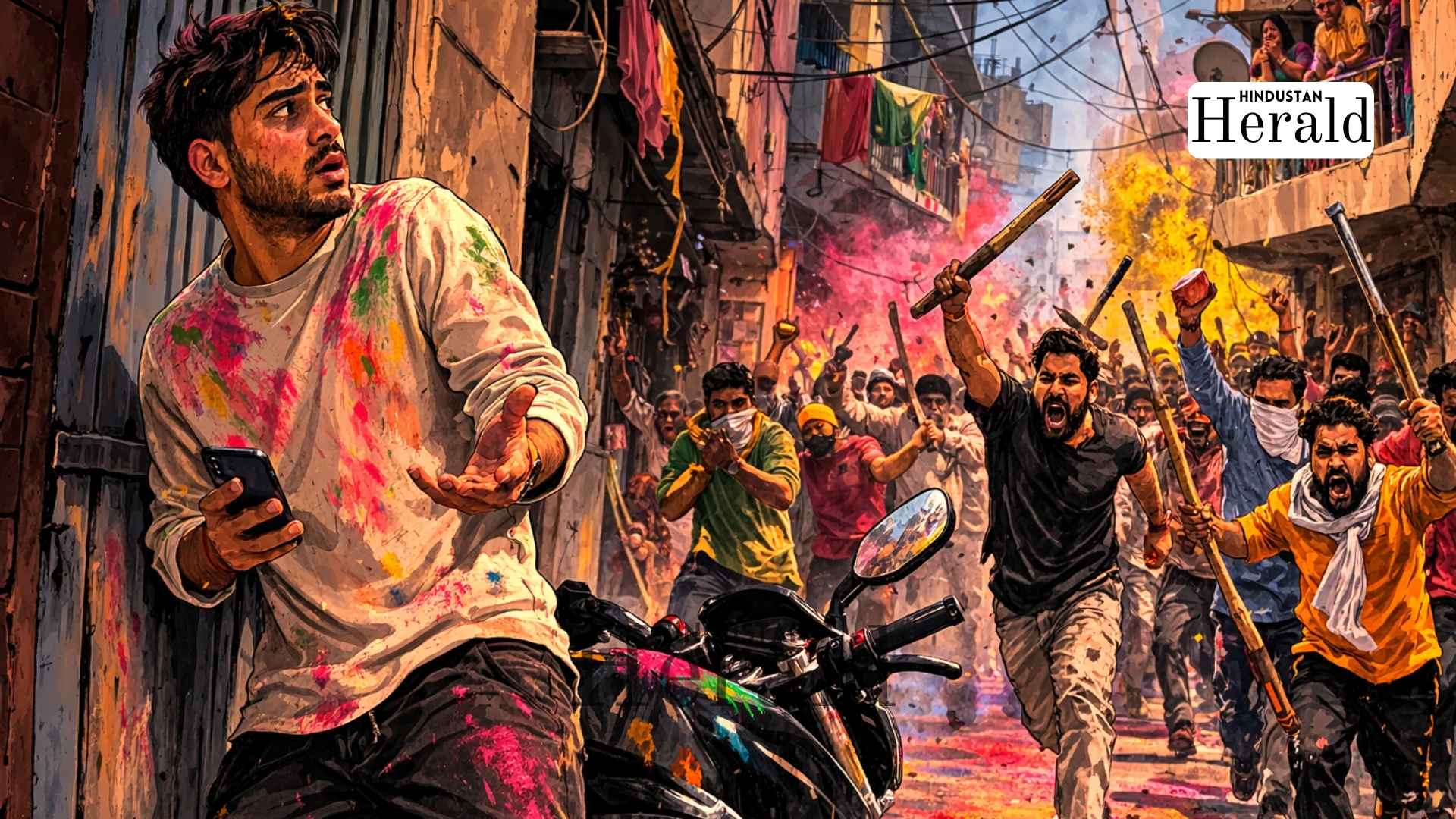
New Delhi, March 13: Tarun Butolia was 26. He went out for Holi. He never came home. That is the part that does not leave you. Not the politics around it, not the demolitions, not the press conferences. Just that. A young man, a festival, and then a mob with iron rods waiting in a lane he had walked a hundred times before.

JJ Colony in Uttam Nagar is not a place most Delhi residents think about unless they live there. It is one of those dense, slightly chaotic west Delhi neighbourhoods where the lanes are narrow, the buildings are packed close, and the same families have been sharing walls and arguments for decades. The kind of place where everyone knows your name, which is a comfort until it is not.
The two families at the centre of this had been neighbours for roughly fifty years. Fifty years of shared lanes, shared festivals, shared irritations. Parking disputes. Arguments over garbage. The usual slow accumulation of grievances that builds between people who live too close together for too long. None of that is unusual. What happened on the night of March 4 was.
A Child, a Balloon, and Then a Body
It was Holi. The streets were loud and colourful and full of people. Someone, a child from Tarun’s family, threw a water balloon from the balcony. It came down and hit a woman from the neighbouring family who was passing below.
Tarun’s father, Memraj, says the family immediately stepped out, apologised, and explained that a child had done it without thinking. Most people, in most circumstances, would let it go. These people did not.
What happened next happened fast. The woman came back with her family. Then more people came. Then more. The crowd outside swelled, reportedly to somewhere between fifty and sixty people, which is not a crowd anymore; it is a mob. And Tarun was not even there yet. He was elsewhere, coming back home on his motorcycle, unaware that the lane outside his house had turned into something dangerous.
When he arrived, they were waiting.
He was beaten with rods, sticks, and iron pipes. His family got him to a hospital. He died the next morning.
His grandfather, Maan Singh, told reporters afterwards that they had apologised. That they had done the right thing from the very first moment. It did not matter.
The Arrests
Delhi Police moved the same night. By the time things settled down, five people had been arrested, including a minor who was barely old enough to be there. Over the following days, more names emerged. Umardeen, Jummadeen, and Kamruddin, three brothers. Mustaque. Muzzafar, 25 years old. Tahir, 18. Then Imran, known in the neighbourhood as Bunty, picked up on March 7. Women too, Sayra, Sareefan, Salma, on allegations of involvement in what unfolded that night.
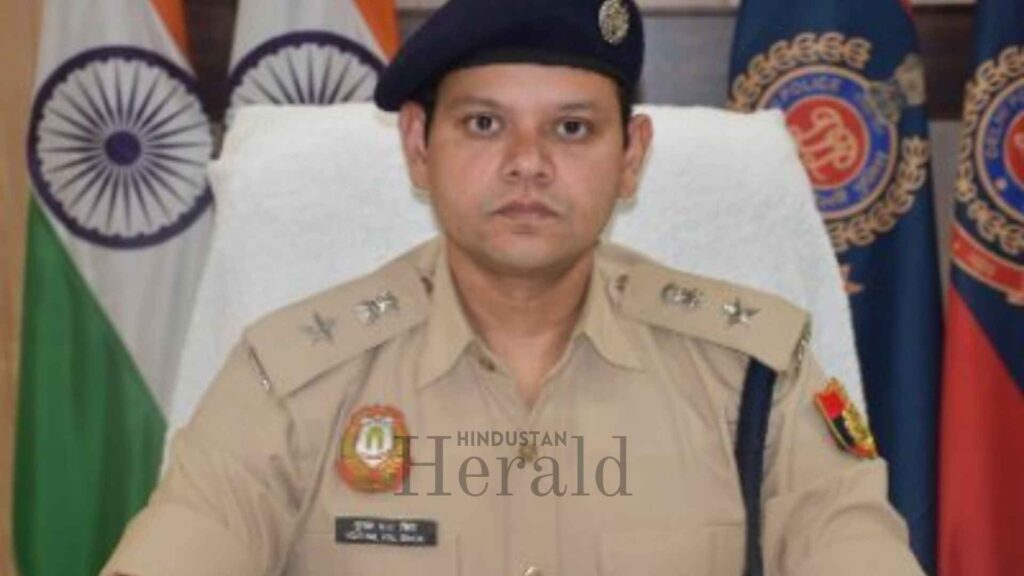
Fourteen people in total now, including two minors, are either arrested or detained. Two to three more, according to the Dwarka DCP Kushal Pal Singh, are still out there somewhere.
Tarun’s family pushed hard for a CBI inquiry. They felt early on that the local police were not being straight with them, making arrests but refusing to show the family who had been taken in. That pressure worked, at least partly. His uncle Tek Chand said the communication improved once they made enough noise. The charges being pressed include murder provisions and, at the family’s insistence, sections under the SC/ST (Prevention of Atrocities) Act.
The Bulldozer Drama
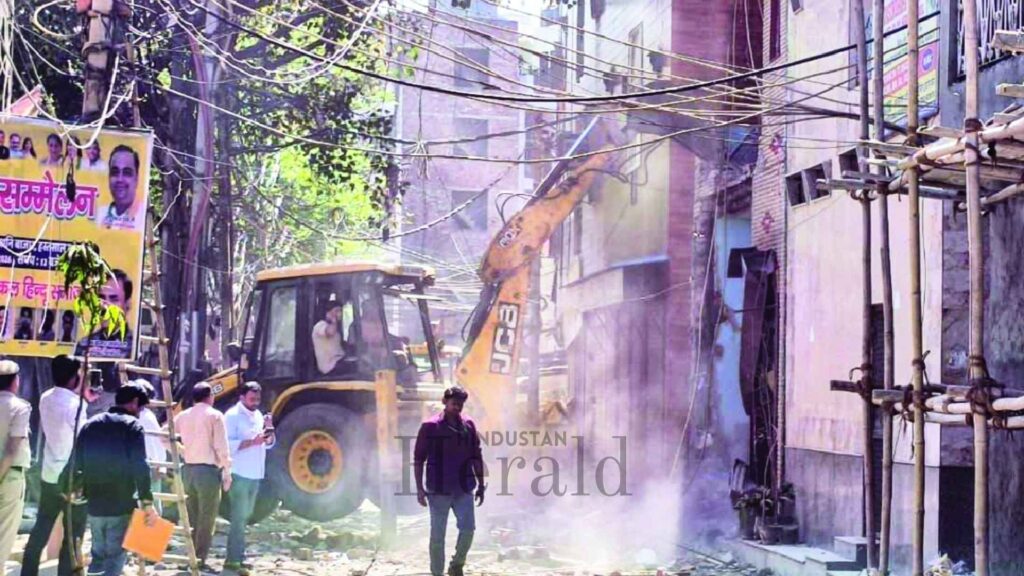
Four days after the killing, on March 8, the Municipal Corporation of Delhi showed up in JJ Colony with demolition equipment. They knocked down what they described as illegal portions of a building belonging to one of the main accused, Muzzafar.
Officially, the MCD said this was a routine anti-encroachment action, something about a drain that needed clearing before the monsoon. They said prior notice is not required for encroachments. Technically, maybe. But nobody in Delhi looked at that timing and thought: What a coincidence.
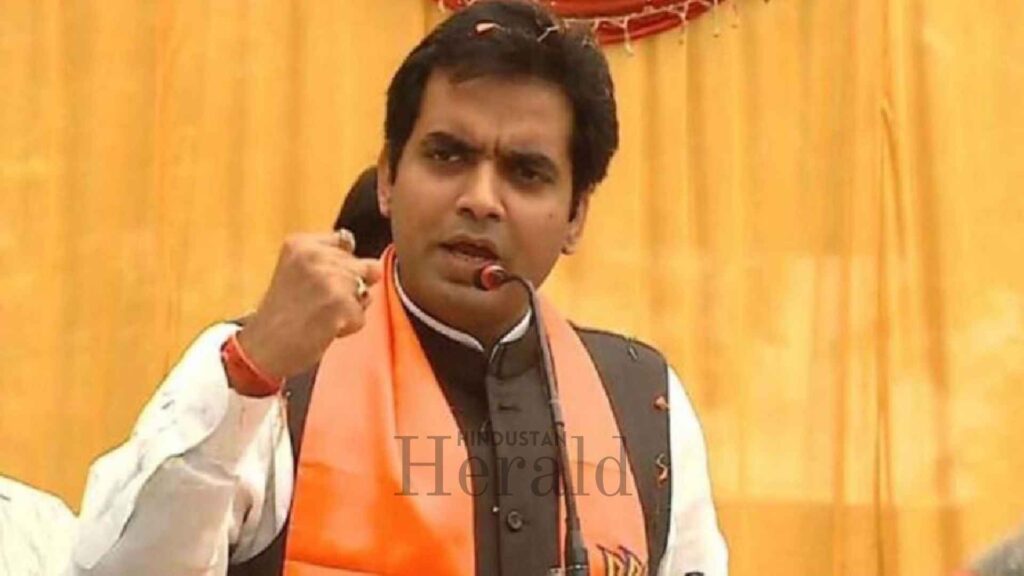
Delhi Minister Pankaj Singh did not bother pretending otherwise. He said directly that those who commit such acts will not be spared, and that action was being taken against their illegal properties. The political message was the point. The drainage map was the paperwork.
The families of the accused went to court. The Delhi High Court, with Justice Amit Bansal on the bench, immediately stepped in and told the MCD to stop any further demolitions until the petitions could be heard properly. That stay is still in place. The court’s discomfort with this kind of punitive demolition is not new. The Supreme Court has said it before and will likely say it again: the state cannot use a bulldozer as a sentencing tool. Courts decide punishment. Municipalities do not.
What the Other Side Is Saying
This is the uncomfortable part of the story, and it needs to be told anyway.
A woman named Rangrez, from the accused’s family, spoke to journalists and gave a version of events that is quite different from the one that has dominated coverage. She says it was not a child who threw the balloon. She says it was a 20-year-old man named Prince, and that the water in it was dirty. She says her younger brother came out after the fight started and was beaten by people from Tarun’s side first. And she said, clearly, that this was not a Hindu-Muslim thing. It was two neighbours, she said, with a long and ugly shared history, and the communal angle was something that political groups attached to it afterward for their own reasons.
None of that changes what happened to Tarun. He is dead. A mob killed him. Whatever started the argument that night, the response was homicidal and nothing she says alters that.
But a court will have to weigh all of this. And people trying to understand this case deserve to know that the story has more than one version, even if one version ended in a funeral and the other did not.
The CM, the Protests, the Pressure
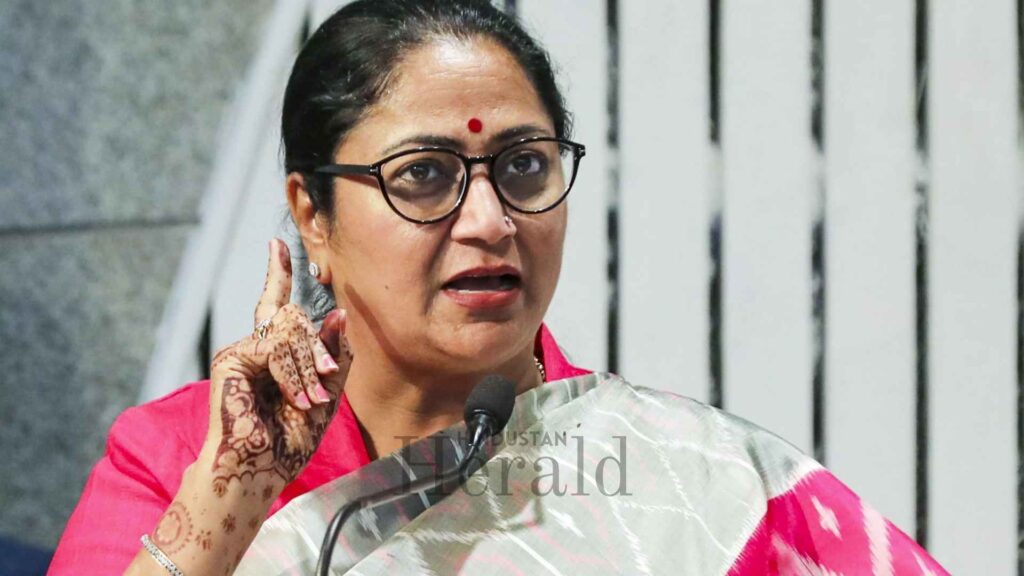
Chief Minister Rekha Gupta met Tarun’s family at the Delhi Secretariat on March 9. She called the killing reprehensible. She said justice was the government’s topmost priority. The BJP, which won Delhi earlier this year and is still in the early, visible phase of its return to power in the capital, has stayed close to this case. There is politics in that, obviously. There is also a family that deserves to see the state show up, so the visits matter regardless of the motivation behind them.
On the ground, protests have been held near the Uttam Nagar East metro station and inside the colony. The ABVP, the student wing of the BJP, demonstrated at JNU. Local groups are loudly demanding that the case be sent to a fast-track court, which is a reasonable ask given the number of accused and the nature of the crime.
The Rapid Action Force and CRPF are still deployed in the area. The lanes are divided into police sub-sectors with assigned officers. It is calm, but it is the kind of calm that comes from presence and pressure, not from resolution.
The Fake Videos Problem
Amid all of this, the Dwarka DCP had to issue a formal warning about AI-generated fake videos circulating on social media related to the case. That alone tells you how far things have gone.
Videos appeared showing a Muslim youth being beaten, with claims it was revenge for Tarun’s death. A Hindu Raksha Dal member reportedly issued a public threat of violence ahead of Eid. The police have made clear that anyone spreading inflammatory content online will be arrested. The warning was not a formality. People were already using a young man’s murder as raw material for the next round of violence.
Where Things Stand Today
The charge sheet is being drafted. The legal team representing Tarun’s family is formally applying for the case to be heard in a fast-track court. The SC/ST Act charges, if they hold up through trial, make bail much harder for many of the accused. The Delhi High Court is separately examining whether the demolitions were lawful. And somewhere in Uttam Nagar, two or three people who were allegedly part of that mob are still not in custody.
Tarun’s family is sitting with all of that. The arrests, the political visits, the bulldozers, the court dates. All of it is real, and none of it brings him back.
He went out for Holi. He threw no balloon. He started no fight. He came home to a lane where a mob was waiting, and he died the next day in a hospital bed.
That is what happened in JJ Colony on the night of March 4, 2026. Everything else, the politics, the demolitions, the communal framing, the court battles, is what a city does after a young man dies and nobody quite knows how to live with the fact that it happened at all.
Stay ahead with Hindustan Herald — bringing you trusted news, sharp analysis, and stories that matter across Politics, Business, Technology, Sports, Entertainment, Lifestyle, and more.
Connect with us on Facebook, Instagram, X (Twitter), LinkedIn, YouTube, and join our Telegram community @hindustanherald for real-time updates.

Covers Indian politics, governance, and policy developments with over a decade of experience in political reporting.
- Ananya Sharma

- Ananya Sharma
- Ananya Sharma
- Ananya Sharma




 Arun Upadhayay