
 By Ananya Sharma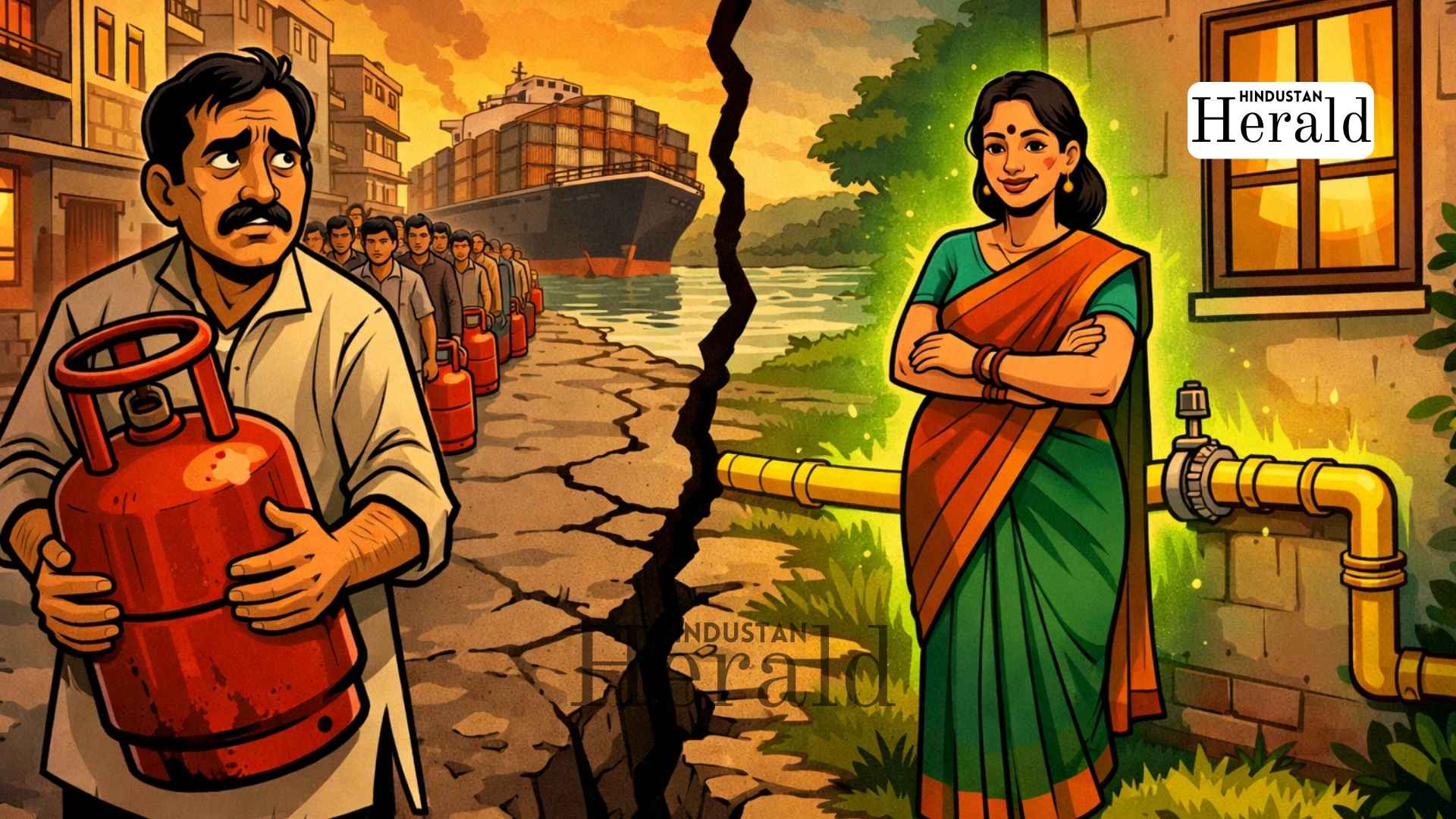
New Delhi, March 13: The question haunting millions of Indian households this week is deceptively simple: Will the gas run out? It will not, at least not for those connected to a piped natural gas line. For everyone else, the arithmetic is considerably less reassuring.
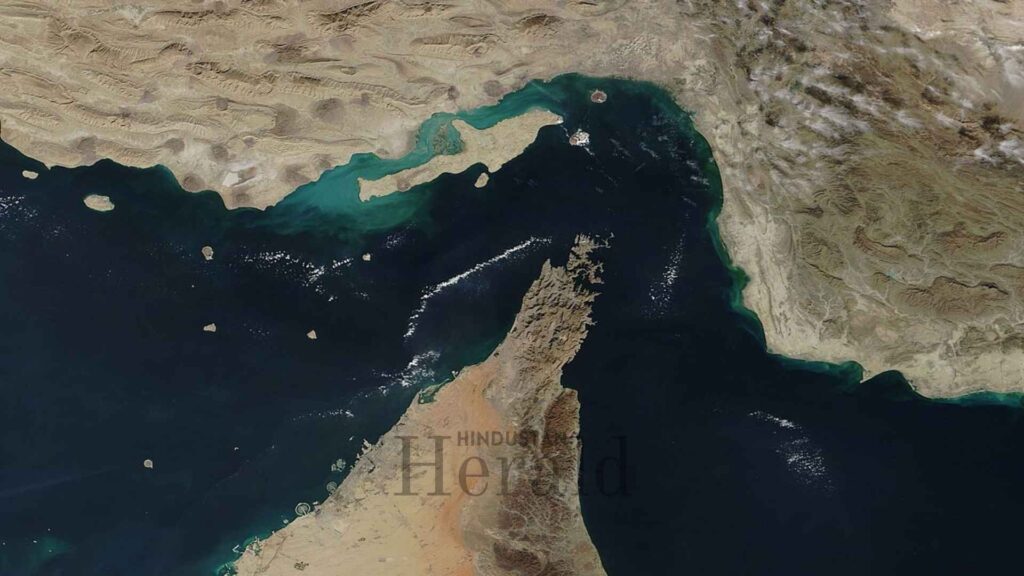
India’s energy landscape has been shaken by the West Asia conflict in ways that are no longer abstract or distant. The near-closure of the Strait of Hormuz, following a combined military strike by the US and Israel against Iran and Tehran’s retaliatory shutdown of the waterway, has delivered a direct blow to the country’s cooking gas supply chain. The consequences are visible in queues outside gas agencies in major cities, a ₹60 hike in domestic cylinder prices, and a sweeping government order that has formally redrawn which sectors will receive gas and which will not.
The Strait That Governs India’s Kitchen
The Strait of Hormuz is a narrow channel separating Iran from Oman. It is also the jugular vein of global energy trade. The waterway handles nearly 20 million barrels per day, accounting for a significant portion of global LPG and LNG trade.
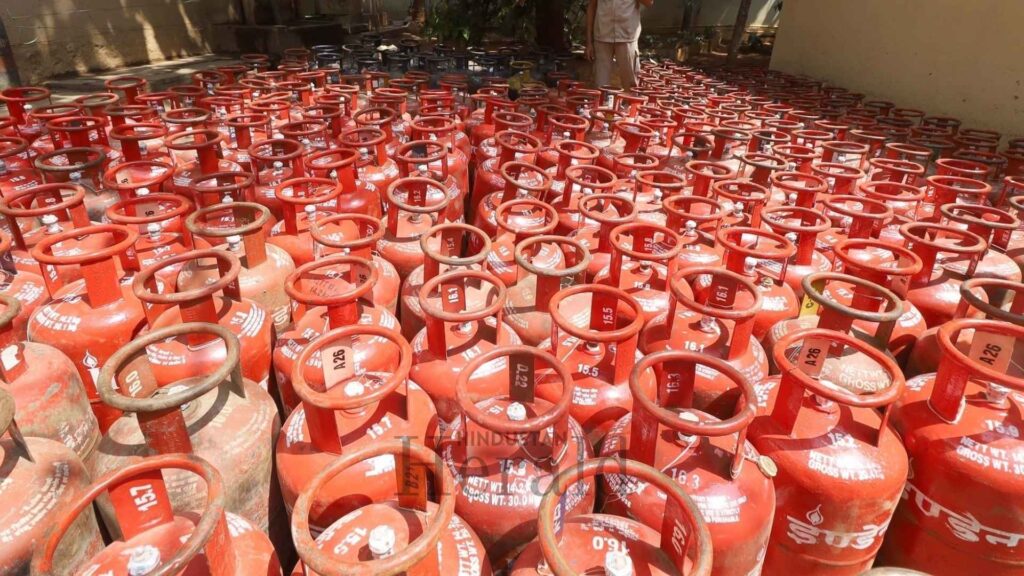
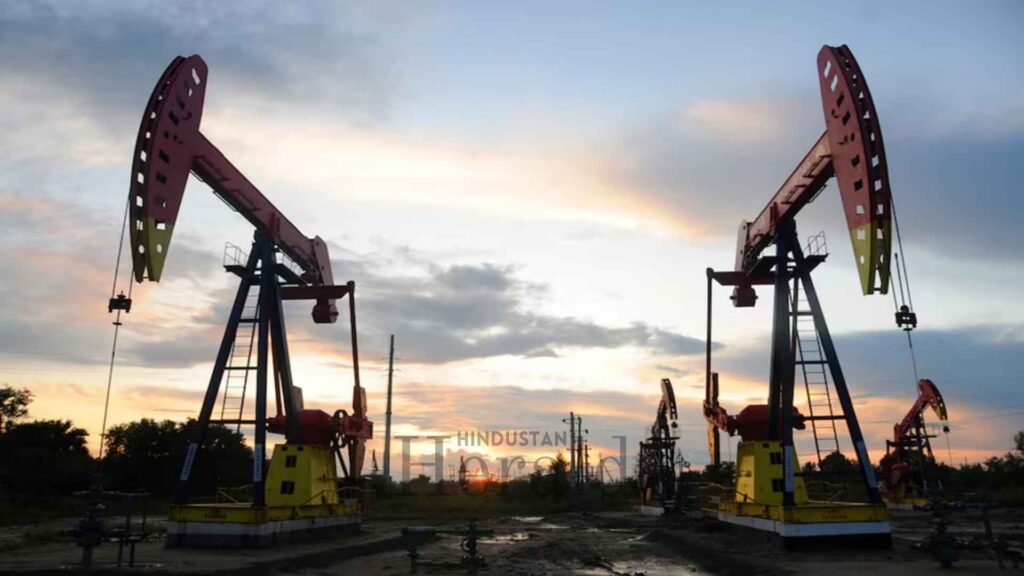
India’s vulnerability to disruptions there is not incidental. It is structural. India produced 1.158 million tonnes of LPG in January 2026, while imports stood at 2.192 million tonnes in the same month, underscoring the country’s heavy reliance on imported cooking gas. More than 90 per cent of roughly 20.5 million metric tonnes of LPG imports in 2024 came from West Asian suppliers, with most shipments routed through the Strait of Hormuz.
When the Strait effectively closed following the military escalation in late February, the consequences cascaded into India’s energy supply almost immediately. Weekly LPG imports are estimated to have fallen by nearly 30 per cent. The disruption was compounded by the behaviour of maritime insurers. Premiums for war coverage surged, in some cases by more than 1,000 per cent, prompting insurers to cancel cover for ships. This raised shipping costs and discouraged shipowners from accepting voyages in high-risk areas.
For LNG, the impact was even sharper. The West India Marker, the benchmark for LNG cargoes delivered to India, was assessed at $24.745 per MMBtu on March 10. The price had stood at $10.397 per MMBtu for April as recently as February 27, before the war in the Middle East broke out. That is a price more than doubling in under two weeks, and that cost pressure has landed squarely on Indian consumers.
A ₹60 Hike and the Politics It Triggered
On March 7, oil marketing companies executed the most consequential fuel price revision in nearly a year. The new rate for a non-subsidised 14.2 kg LPG cylinder in Delhi is now ₹913, the highest since August 2023.The 19 kg commercial cylinder used by hotels and restaurants was hiked by about ₹115, taking Delhi commercial rates to around ₹1,883.
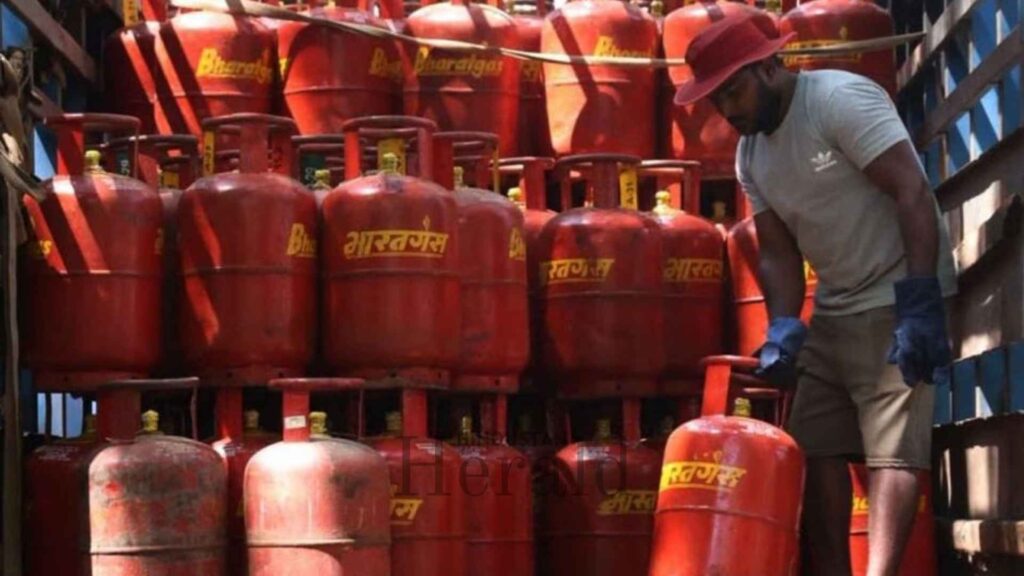
This is the second LPG price hike in less than a year, with the previous increase of ₹50 occurring in April 2025. Commercial LPG rates have risen by ₹302.50 since January 2026. TheQuint
The government moved quickly t offer some political cover. The price increase applies to non-subsidised LPG cylinders used by most households, except for Pradhan Mantri Ujjwala Yojana beneficiaries, who continue to receive a ₹300 subsidy per cylinder for up to 12 refills annually. Still, that protection does not extend to the vast middle class, which has absorbed the full brunt of the hike.
The opposition was swift to capitalise. The price rise became a political flashpoint, with the Congress-led opposition raising slogans in Parliament on March 11, accusing the government of failing to control fuel costs.
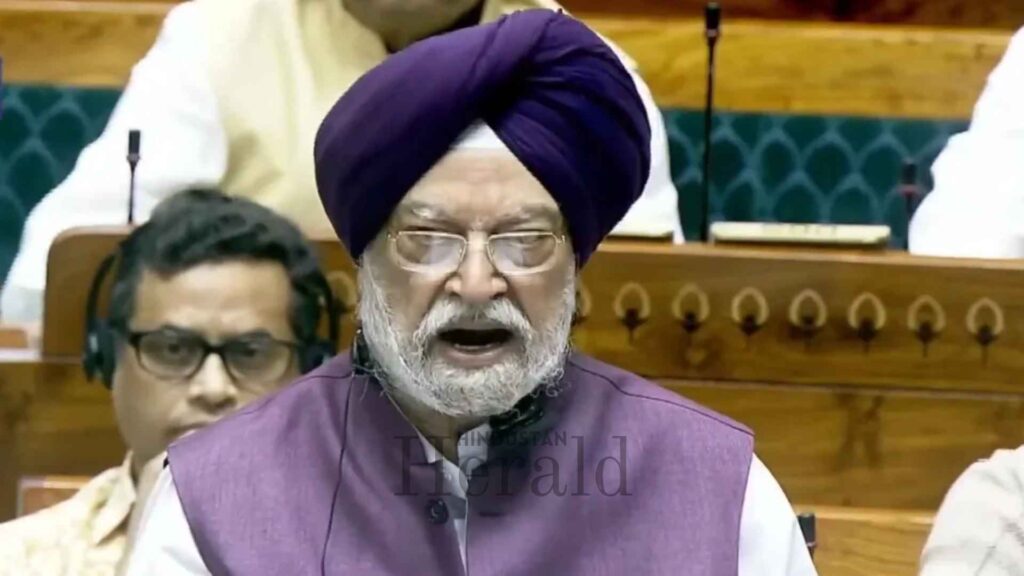
Petroleum and Natural Gas Minister Hardeep Singh Puri defended the government’s response, noting that India had already begun diversifying crude sourcing. “We have taken steps to ensure that 100% supply of CNG and PNG to domestic consumers is ensured, and other industries continue to receive 70-80% of their supplies despite the war situation. We are committed to ensuring an uninterrupted supply of affordable energy to our domestic consumers. There is no shortage for domestic consumers and no reason to panic,” Puri said in a post on X.
That message, however, collided with the ground reality in several cities. Hotels and restaurants in Bengaluru reported a sudden and complete halt in the supply of commercial gas cylinders. PC Rao, Honorary President of the Bangalore Hotels Association, said hotel owners are not willing to suspend operations, but this move has made it inevitable for most of them to shut down. The Pune Municipal Corporation temporarily shut down crematoriums in the city following restrictions on the use of propane and butane.
The Government’s Most Consequential Move: The Gas Regulation Order
The price hike was a market reaction. What followed on March 9 was a policy intervention of a different magnitude entirely.
On March 9, the Ministry of Petroleum and Natural Gas notified the Natural Gas (Supply Regulation) Order, 2026. Due to the shifting geopolitical situation and the ongoing conflict across major parts of the Middle East, LNG shipments have been severely disrupted, and suppliers have invoked the force majeure clause, requiring the reallocation of available natural gas supplies to priority sectors.
The Central Government issued this order invoking powers under the Essential Commodities Act, 1955, to regulate the production, supply and distribution of natural gas in the country. The invocation of the Essential Commodities Act is significant in itself. It grants the Centre sweeping authority to override commercial contracts, redirect supply chains, and impose allocations that no gas company can legally refuse.
The order establishes a four-tier priority framework. Under Priority Sector I, 100 per cent of the average gas consumption during the previous six months will be maintained, subject to operational availability, for domestic piped natural gas, compressed natural gas used in transport, LPG production, including shrinkage requirements, and essential pipeline operational needs.
Fertiliser plants have been placed under the second priority category and will receive 70 per cent of their average gas consumption. The government has directed that the gas must be used strictly for fertiliser production, and units must furnish certification to the Petroleum Planning and Analysis Cell.
Priority Sector III includes tea industries, manufacturing and other industrial consumers connected to the national gas grid, who will receive 80 per cent of their average consumption over the previous six months. Priority Sector IV covers industrial and commercial consumers supplied through City Gas Distribution networks, who will also receive 80 per cent of their previous six-month average consumption.
To free up supply for these protected sectors, the government has ordered deep cuts elsewhere. The gas required to meet the priorities shall be through full or partial curtailment of gas supplied to petrochemical facilities, including ONGC Petro additions Ltd, GAIL’s Pata Petrochemical Complex, Reliance’s oil-to-chemicals operations and other high-pressure gas consumers, as well as power plants as required. Oil refining companies have also been asked to absorb part of the LNG supply disruption by reducing gas use to approximately 65 per cent of the past six month gas consumption.
The order explicitly states that its provisions override any conflicting clauses in existing Gas Sale Agreements or commercial arrangements. That is a legally binding instruction to some of India’s largest corporations, including Reliance Industries, ONGC, GAIL, and Oil India Limited, to immediately comply, regardless of what their private contracts say.
PNG: From Convenience to Guaranteed Supply
For the roughly 1.6 crore households connected to Piped Natural Gas networks, the week’s developments have been unexpectedly reassuring. What was once a convenience has now been elevated by law to a protected essential.
The immediate market signal came from Indraprastha Gas Limited, which serves Delhi and surrounding areas. IGL assured consumers of uninterrupted supply of Piped Natural Gas for household cooking and Compressed Natural Gas for vehicles amid global energy market disruptions caused by the escalating conflict in the Middle East. The assurance comes following the Natural Gas (Supply Regulation) Order, 2026, under which the supply of natural gas to Domestic PNG and CNG has been classified as the topmost priority sector.
That guarantee matters now more than it ever has. While LPG users are contending with booking restrictions and longer wait times for cylinder deliveries, PNG users receive their supply through a continuous pipeline. There is no cylinder to book, no delivery to wait for, and under the current order, no legal basis for the supply to be diverted elsewhere.
The economics were already compelling before this crisis. While a domestic LPG cylinder now costs over ₹900, PNG billing for comparable household usage runs considerably lower monthly, and PNG pricing through city gas distributors is managed through pooled pricing mechanisms that buffer consumers against sharp international swings of the kind currently roiling the market.
Commercial LPG Is Being Rationed
On March 12, Petroleum Minister Puri announced another intervention specifically targeting commercial users. The Centre introduced a 20 per cent limit on the average monthly commercial LPG supply by oil marketing companies, in coordination with state governments. Effective from that date, the restriction is aimed at prioritising domestic LPG consumption and ensuring there is no hoarding or black marketing. This means OMCs will now be reducing their LPG allocation to commercial entities by 80 per cent compared to what they were required to supply in the previous months on average.
The logic is straightforward: the country’s limited LPG supply must be routed first to homes, particularly in rural areas where PNG infrastructure does not exist and there is no alternative to the cylinder. Commercial establishments, which have more options including switching to PNG, electricity, or biomass, will have to adapt.
That said, the human cost of this adaptation is not trivial. Bengaluru’s hospitality sector has already reported shutdowns. Small dhabas and street food vendors, who operate on thin margins and cannot quickly retrofit their setups for alternative fuels, are being squeezed in ways that government orders do not fully capture.
The Macro Picture: Inflation, the Rupee, and India’s Energy Exposure
The crisis has also surfaced a macroeconomic vulnerability that analysts had long warned about. If oil prices were to rise to $100 per barrel, average inflation in India would likely rise above 4.5 per cent for FY2026-27. Every $10 per barrel increase in oil prices increases India’s current account deficit by 0.4-0.5 per cent of GDP. If oil prices were to rise towards $100 per barrel, India’s current account deficit will likely move towards the 3 per cent of GDP handle, compared with baseline forecasts of around 1.5 per cent of GDP.
The rupee is already under pressure. Analysts at MUFG Research have flagged the risk of USD/INR crossing 95 if the Hormuz closure persists and Brent sustains at $100 per barrel.
As of March 12, benchmark Brent crude has surged past the $100 per barrel mark, sent skyrocketing by geopolitical tensions in West Asia and significant disruptions in the Strait of Hormuz. This is not an abstract external development. It translates directly into import bills, fiscal deficits, and inflation that every Indian household will eventually feel, whether through fuel prices, food prices, or both.
India consumes about 31.3 million tonnes of LPG annually, with 62 per cent of the requirement met through imports, many of which pass through the Strait of Hormuz. That single geographical dependency is the core of the current crisis, and it will not be resolved by any domestic policy order, no matter how sweeping.
For Now, the Gas Grid Holds
The government’s handling of this crisis has been faster and more structured than many anticipated. The invocation of the Essential Commodities Act, the four-tier priority framework, and the commercial LPG rationing order all represent a coordinated policy response to a genuinely severe supply shock. India maintains about 50 days of combined crude and products inventory, providing a buffer against short-term disruptions.
Still, 50 days of buffer against a geopolitical crisis that shows no sign of resolution is a finite reassurance. The government has been accelerating the “One Nation, One Gas Grid” vision, with Piped Natural Gas connections reaching over 1.6 crore households in 2026 to reduce reliance on cylinder logistics. That is the long-term answer. In the immediate term, the answer depends on how quickly the Strait of Hormuz reopens, how effectively alternate supply routes from the US Gulf Coast and other non-West Asian sources can be mobilised, and whether the current rationing framework holds without triggering a grey market in commercial cylinders.
For the Indian household with a piped gas connection, this week’s events have confirmed an advantage they perhaps did not fully appreciate before: they are, by law, the last in line to be cut. For the far larger number of households still dependent on the cylinder, the wait for the next refill has become a small but vivid window into the consequences of India’s unfinished energy transition.
Stay ahead with Hindustan Herald — bringing you trusted news, sharp analysis, and stories that matter across Politics, Business, Technology, Sports, Entertainment, Lifestyle, and more.
Connect with us on Facebook, Instagram, X (Twitter), LinkedIn, YouTube, and join our Telegram community @hindustanherald for real-time updates.

Covers Indian politics, governance, and policy developments with over a decade of experience in political reporting.
- Ananya Sharma

- Ananya Sharma
- Ananya Sharma
- Ananya Sharma




 Arun Upadhayay