
 By Ananya Sharma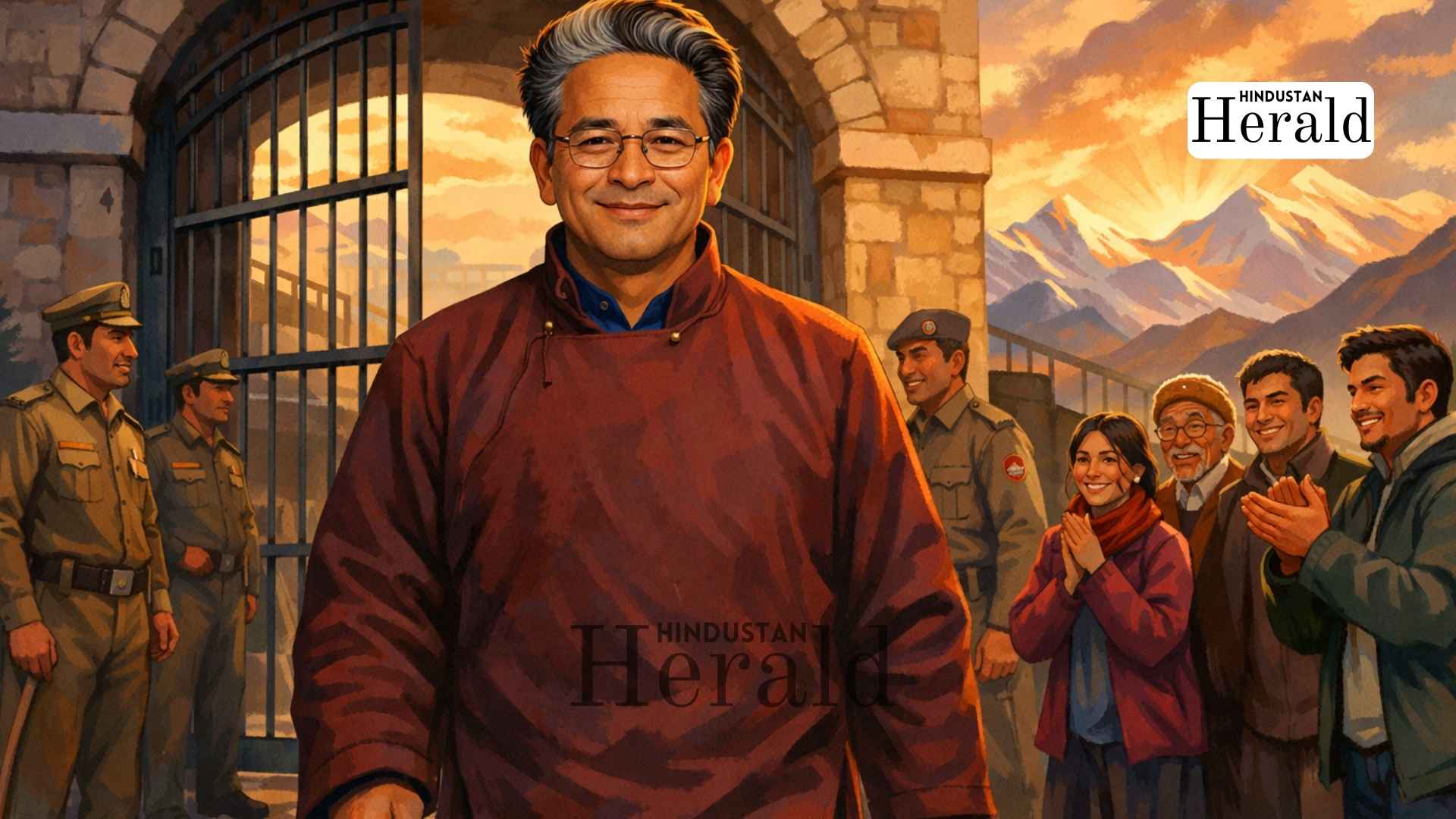
New Delhi, March 14: Six months is a long time to keep a man behind bars for giving speeches.
Sonam Wangchuk, the engineer-turned-activist who most of the country knows from a fictional film character loosely based on his life, walked out of Jodhpur Central Jail on Saturday after the Ministry of Home Affairs quietly revoked his detention under the National Security Act. No fanfare. A press statement, some careful language about peace and dialogue, and that was it.
The government said the decision was taken to create an “environment of peace, stability, and mutual trust” in Ladakh. You could read that charitably. You could also read it as a face-saving exit ahead of a Supreme Court hearing scheduled for March 17, where the Centre’s case had begun to visibly unravel.
Six Months, 1,200 Kilometres From Home
Wangchuk had been picked up on September 26, 2025, two days after violence broke out in Leh during protests over Ladakh’s long-standing demand for statehood and constitutional protections under the Sixth Schedule. The Leh District Magistrate invoked the NSA, citing his speeches and social media posts as provocative. Then they sent him to Rajasthan.
That last detail matters more than it might seem. Jodhpur is roughly 1,200 kilometres from Ladakh. His family, his community, his support network, all of it, suddenly unreachable in any practical sense. It is the kind of administrative decision that is technically within the law and unmistakably punitive at the same time.
His wife, Gitanjali Angmo, filed a habeas corpus petition almost immediately. That case sat in the Supreme Court for months, moving slowly in the way such cases often do when one party is the state and the other is a citizen with no institutional leverage beyond the law itself.
A Court That Started Asking the Right Questions
What changed the texture of this whole episode was not political pressure from outside. It was the Court itself.
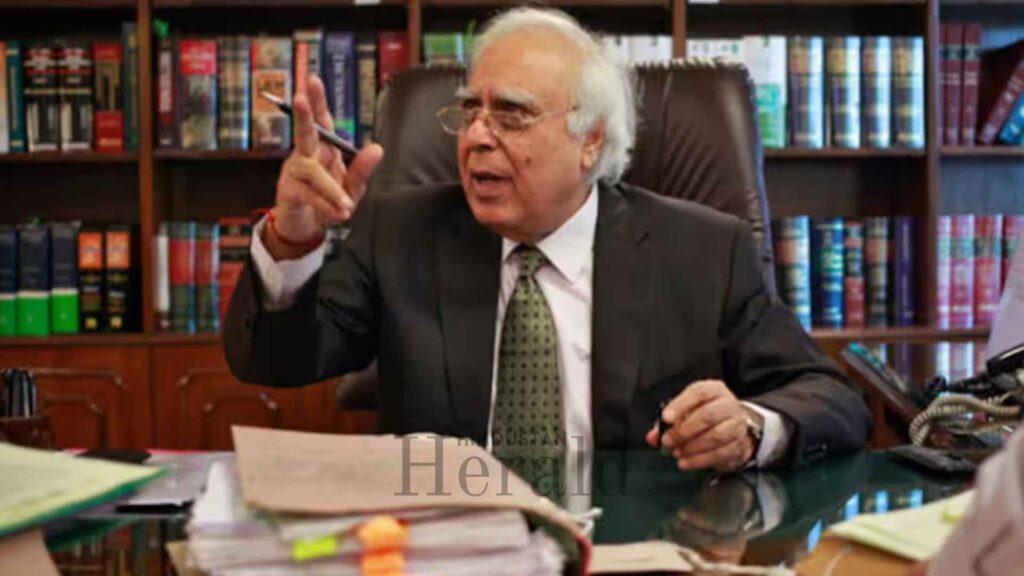
Senior Advocate Kapil Sibal, arguing for Angmo, raised a fundamental procedural point: the materials forming the basis of Wangchuk’s detention had not been properly provided to him. The government claimed a pendrive containing videos of his speeches had been given. The Court questioned whether he had actually been given a meaningful opportunity to watch them. These are not technicalities. The right to know why you are being detained, and to actually see the evidence, is the backbone of any preventive detention law’s safeguards.
Then the bench went further. It told the government, in effect, that its people had read too much into Wangchuk’s words. There were discrepancies in the translations of his speeches. The Court flagged them. In a case built on the claim that his rhetoric posed a threat to public order in a sensitive border region, having a Supreme Court bench tell you that you may have mistranslated what he said is not a minor setback.
Still, the case dragged. The Centre sought more time to make submissions on the video transcripts. Sibal, exasperated, told the Court that the matter could not go on indefinitely. On March 10, the bench said it would review the videos before deciding. March 17 was the next date.
Saturday’s announcement came three days before that.
What the Government’s Own Statement Admitted
Read the MHA’s statement closely, and something interesting surfaces. Alongside the standard language about dialogue and the High-Powered Committee, there is an acknowledgment that the ongoing environment of bandhs and protests had disrupted normal life for students, job aspirants, businesses, and tourists in the region.
That was meant to justify restoring normalcy. But it also quietly concedes that six months of Wangchuk behind bars had not actually calmed anything. The agitation did not dissolve after his arrest. People in Ladakh did not shrug and go home. The demands remained. The shutdowns continued. Locking him up, in other words, did not work, not on its own terms, not even on the government’s stated terms.
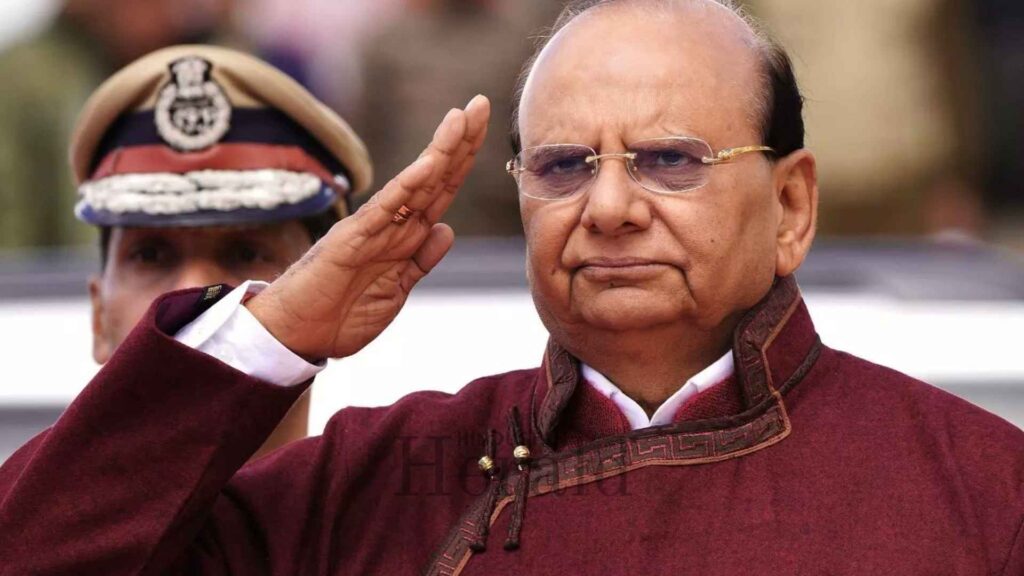
The Lieutenant Governor of Ladakh, Vinai Kumar Saxena, welcomed the decision and called it a step toward restoring normalcy. That framing, too, is telling. When the LG is calling a release a positive step, it implies the detention had itself become an obstacle to the peace the authorities claimed they were protecting.
Who Wangchuk Is, and Why This Was Always Complicated
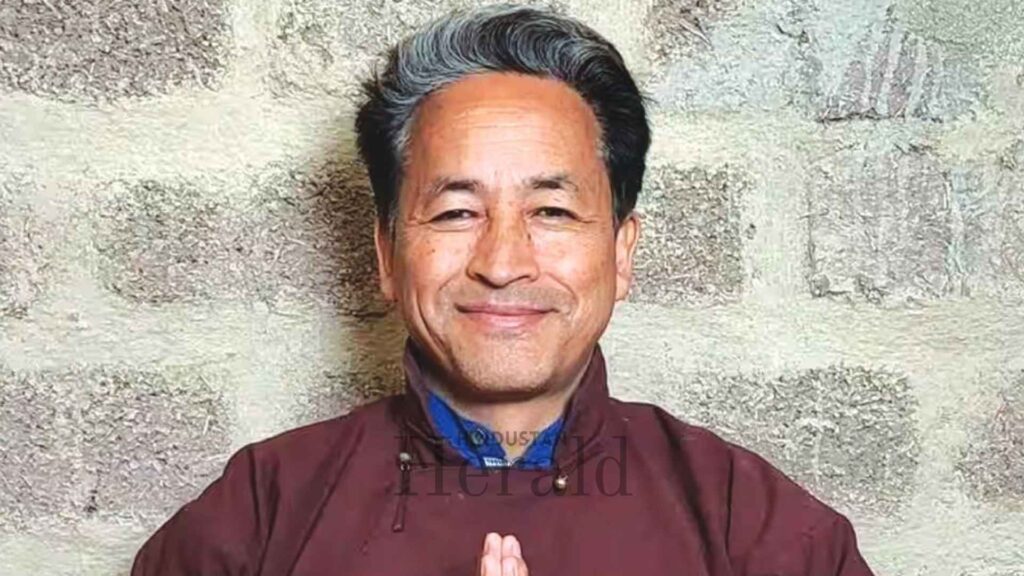
Part of what made this case so awkward for the government is the man at the centre of it. Wangchuk is not a fringe agitator. He built the Students’ Educational and Cultural Movement of Ladakh, which fundamentally changed how rural children in the region access education. He won international recognition for it. The character Rancho in 3 Idiots was partly drawn from his story. His climate activism is rooted in something viscerally real: Ladakh’s glaciers are receding, its water sources under stress, its fragile ecology caught between military infrastructure demands and the consequences of a warming planet.
When you invoke the NSA against that person, for speeches at a protest, you have to be very sure of your ground. The Supreme Court suggested, over months of hearings, that the government was not.
The Longer Question Nobody Has Answered
Wangchuk is free. That matters. But the issues that put him on a stage in Leh in the first place have not moved.
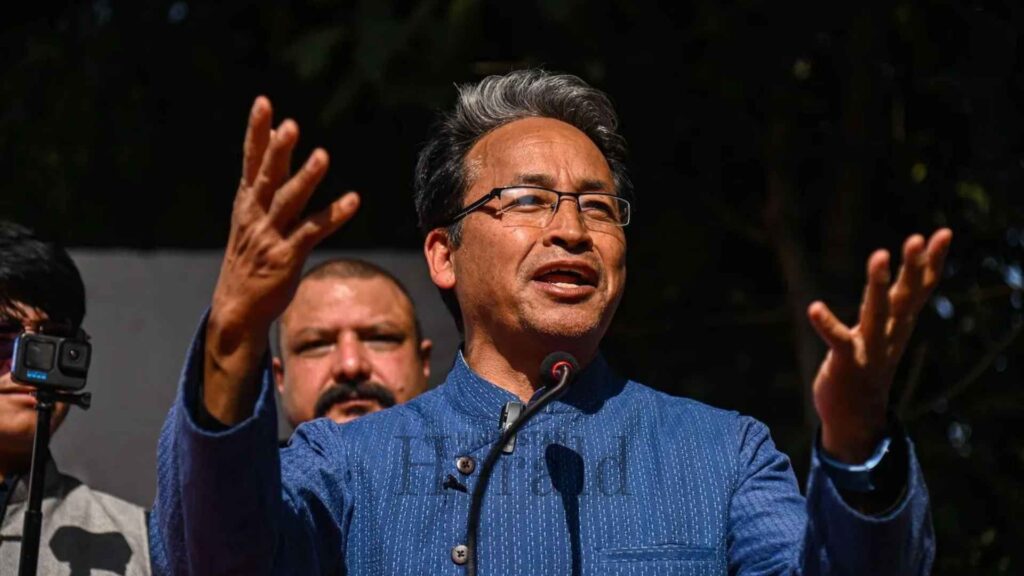
Ladakh has been a Union Territory without a legislature since August 2019. It has no elected assembly, no real political representation of its own, and no statutory protections for its land, jobs, or cultural identity. The demand for Sixth Schedule status is essentially a demand to be treated the way tribal regions in the Northeast are treated under the Constitution, with local councils that have real power over land and resource decisions. It is not an unreasonable ask. It has not been granted.
The High-Powered Committee exists. It meets. Its outcomes have not satisfied the people making the demands, which is why the protests kept happening even after Wangchuk was taken away.
For now, the government’s position is that dialogue will continue through established channels. That is the same position it held six months ago, before the arrest, before the Supreme Court hearings, before all of it. What has changed is that one man is no longer in jail far from his home. What has not changed is anything the people of Ladakh actually came out to the streets for.
Sonam Wangchuk walked free on a Saturday morning in March. The question Ladakh has been asking since 2019 is still waiting for an answer.
Stay ahead with Hindustan Herald — bringing you trusted news, sharp analysis, and stories that matter across Politics, Business, Technology, Sports, Entertainment, Lifestyle, and more.
Connect with us on Facebook, Instagram, X (Twitter), LinkedIn, YouTube, and join our Telegram community @hindustanherald for real-time updates.

Covers Indian politics, governance, and policy developments with over a decade of experience in political reporting.
- Ananya Sharma

- Ananya Sharma
- Ananya Sharma
- Ananya Sharma



 Arun Upadhayay