
 By Ananya Sharma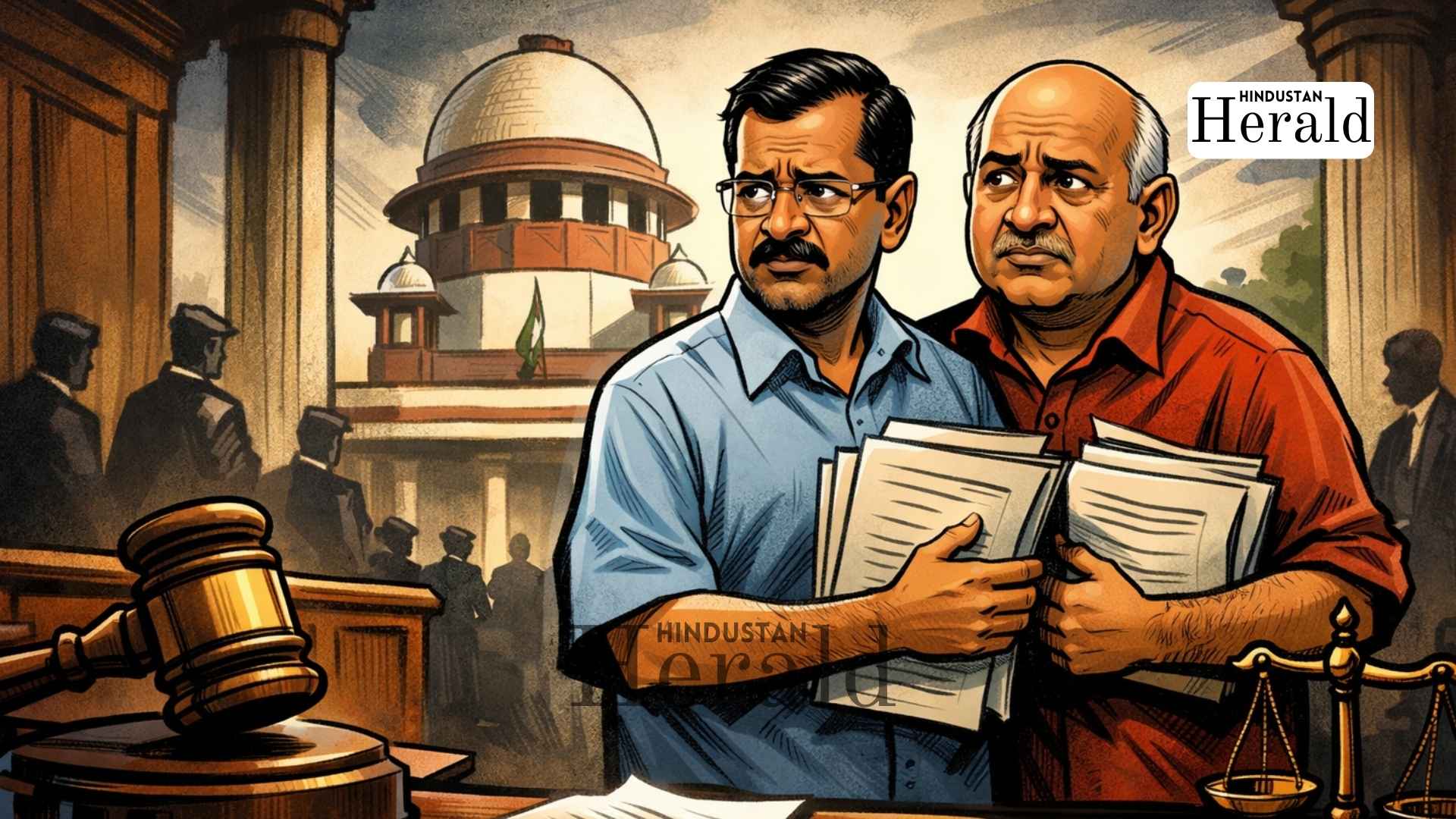
New Delhi, March 16: Arvind Kejriwal and Manish Sisodia moved the Supreme Court of India on Sunday, challenging the Delhi High Court Chief Justice’s refusal to transfer the CBI’s excise policy appeal away from the bench of Justice Swarana Kanta Sharma a development that has placed one of India’s most politically charged national news cases at the doorstep of the apex court ahead of a scheduled High Court hearing today.
The petition was filed under Article 32 of the Constitution, with the Aam Aadmi Party confirming the move late on March 15.
What Triggered the Supreme Court Petition
The legal crisis dates back to February 27, when a Special CBI Court at Rouse Avenue, New Delhi, discharged Kejriwal, Sisodia, and 21 others in the corruption case, sharply criticizing the CBI and calling its case wholly unable to withstand judicial scrutiny.
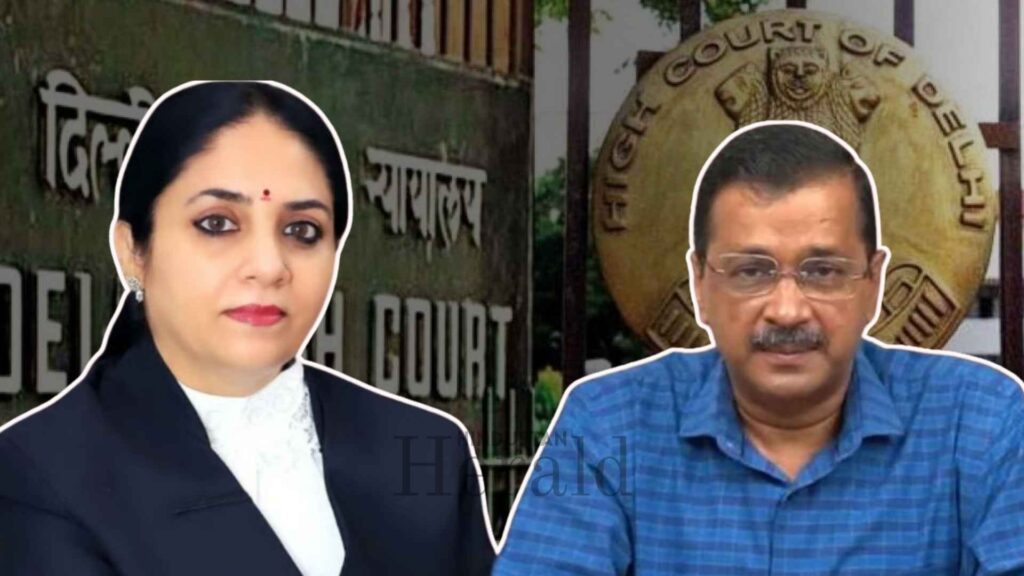
The CBI promptly challenged the discharge order before the Delhi High Court, where the matter was assigned to Justice Swarana Kanta Sharma as per the court’s existing roster.
At the very first hearing on March 9, the situation shifted. Justice Sharma’s bench stayed the trial court’s direction ordering departmental proceedings against the CBI’s investigating officer and recorded a prima facie view that certain observations and findings of the trial court at the stage of framing of charges appeared erroneous and needed consideration.
That was not all. The bench also directed the trial court hearing the connected Enforcement Directorate case under the Prevention of Money Laundering Act to defer proceedings pending the High Court’s decision, even though the ED had not been made a party to the CBI revision petition and had not sought that relief.
For Kejriwal, this sequence at a threshold hearing before the defence had spoken was alarming enough to trigger a formal complaint.
The Transfer Request and the Chief Justice’s Refusal
On March 11, Kejriwal, Sisodia, and other accused filed a representation before Chief Justice D.K. Upadhyaya seeking the transfer of the CBI’s plea from Justice Sharma to another judge described as “impartial.”
The grounds were detailed and pattern-based. Kejriwal’s representation submitted that Justice Sharma had decided multiple cases arising from the same CBI FIR, including his petition challenging his arrest and bail applications by Manish Sisodia, Sanjay Singh, and Telangana Jagruti president K. Kavitha, and had not given relief to the accused in any of those matters.
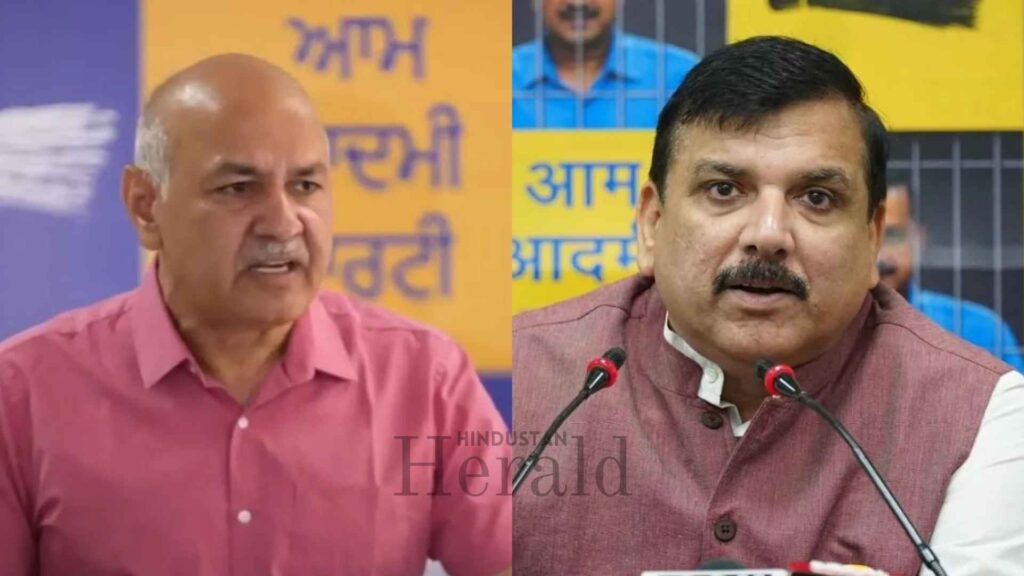
The argument went further. The representation pointed out that three of Justice Sharma’s judgements in these linked matters had subsequently been set aside by the Supreme Court, and a fourth had been referred to a larger bench.
In a communication dated March 13, the High Court’s Registrar General informed the eight applicants, including Kejriwal, that the transfer plea had been rejected. Chief Justice Upadhyaya stated that the petition had been assigned to the judge in accordance with the existing roster and that any call for recusal had to be addressed by the judge concerned.
That administrative door closed, Kejriwal and Sisodia took the matter to the apex court.
The Supreme Court Petition: Two Simultaneous Challenges
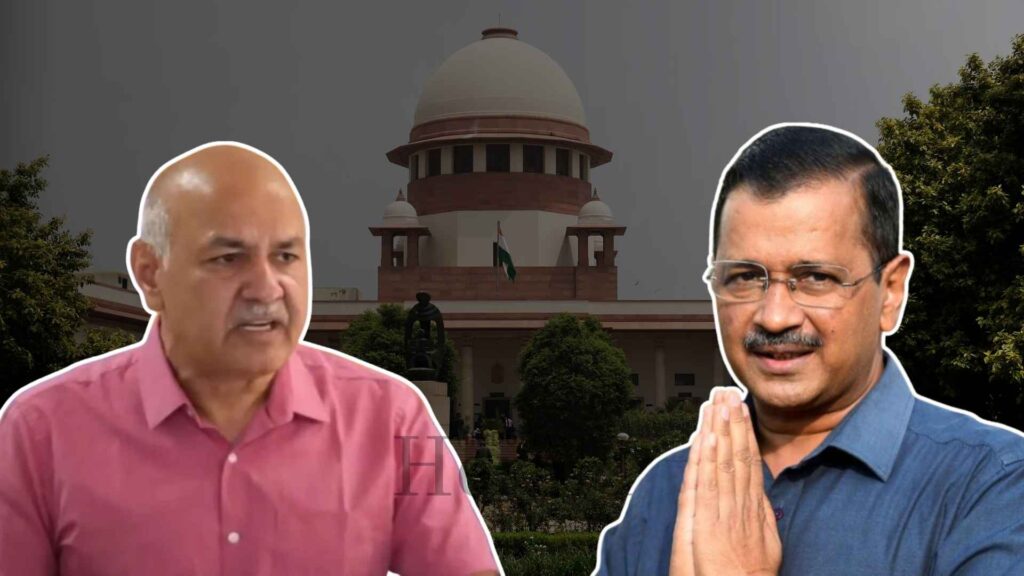
The AAP leadership has approached the Supreme Court on two separate tracks. In a writ petition before the apex court, Kejriwal challenged the High Court Registrar General’s communication, contending that the refusal to transfer the matter raises a “grave, bona fide, and reasonable apprehension” that the case may not receive a hearing marked by impartiality and neutrality.
Separately, Sisodia filed a Special Leave Petition directly challenging the observations made by Justice Sharma while hearing the CBI’s revision plea.
The two petitions address the controversy from different angles: one challenges the administrative refusal to reassign the case, the other challenges the impugned March 9 order on its merits.
Kejriwal’s petition invokes a well-established judicial standard. His representation stated that the transfer request was “not directed at any personal predilection, but at the objective test of reasonable apprehension in the mind of a fair-minded and informed litigant seeking justice.”
That is the accepted constitutional threshold for apprehended bias, not subjective grievance, but whether a reasonable observer would perceive a real possibility of partiality.
The Legal Stakes
The Delhi Excise Policy 2021-22, introduced by the then AAP government, sought to privatize liquor retail in the capital to boost revenue. The policy was scrapped in 2022 amid allegations of kickbacks to favoured licensees and losses to the public exchequer, triggering parallel investigations by the CBI and the ED.
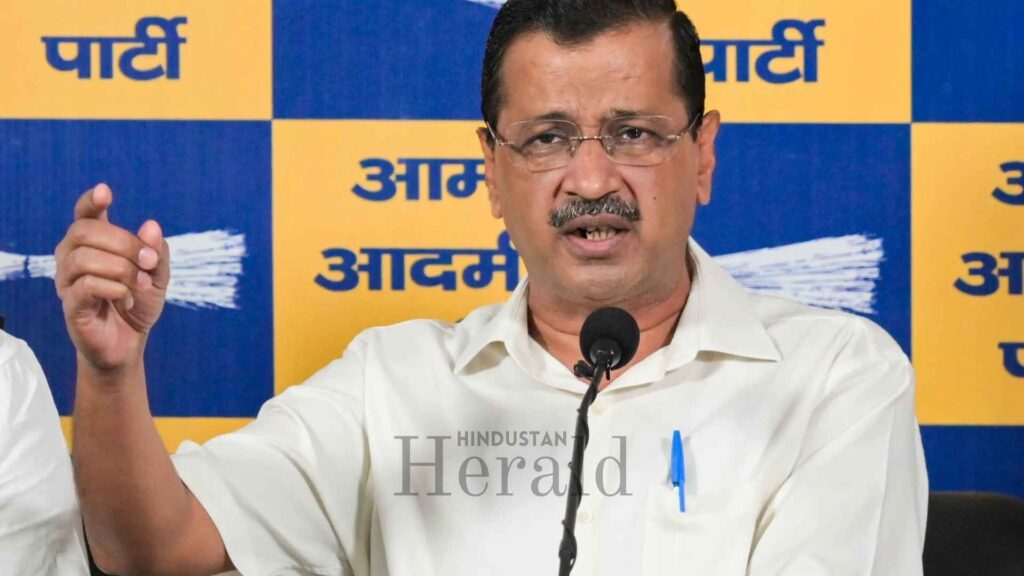
The case became the single most consequential legal battle in AAP’s history. Kejriwal was arrested in March 2024 and remained in custody during the run-up to the 2024 Lok Sabha elections, before being granted bail by the Supreme Court. Sisodia remained in custody for nearly two years before the apex court granted bail in August 2024.
The trial court’s February 27 order was a sweeping indictment of the CBI’s case, criticizing the chargesheet and characterizing the investigation as “discredited in its entirety.”
For a premier investigative agency, that finding stands as a reputational wound. The High Court revision petition is, in part, an institutional attempt to recover credibility.
The Bigger Picture in National Politics
This case does not exist in isolation from India’s national political landscape. AAP suffered a heavy defeat in the February 2025 Delhi Assembly elections, losing power in the capital to the BJP after a decade in government. Kejriwal, once the dominant face of urban reformist politics, is now fighting a legal battle while leading a party in opposition both at the Centre and in Delhi.
The excise case has been AAP’s defining legal burden since 2022. A final discharge upheld through the High Court and, if challenged further, the Supreme Court would represent a decisive legal clearing. A reversal at the High Court level would reopen the political vulnerability that the trial court discharge had appeared to close.
For now, the immediate question is simpler: whether the Supreme Court will intervene today to stay the Delhi High Court proceedings or direct an urgent hearing on the transfer plea before Justice Sharma’s bench takes up the CBI petition.
The answer to that question will determine whether the excise case continues its current legal trajectory or enters a new and more contested phase.
Stay ahead with Hindustan Herald — bringing you trusted news, sharp analysis, and stories that matter across Politics, Business, Technology, Sports, Entertainment, Lifestyle, and more.
Connect with us on Facebook, Instagram, X (Twitter), LinkedIn, YouTube, and join our Telegram community @hindustanherald for real-time updates.

Covers Indian politics, governance, and policy developments with over a decade of experience in political reporting.
- Ananya Sharma

- Ananya Sharma
- Ananya Sharma
- Ananya Sharma




 Arun Upadhayay