
 By Rajiv Menon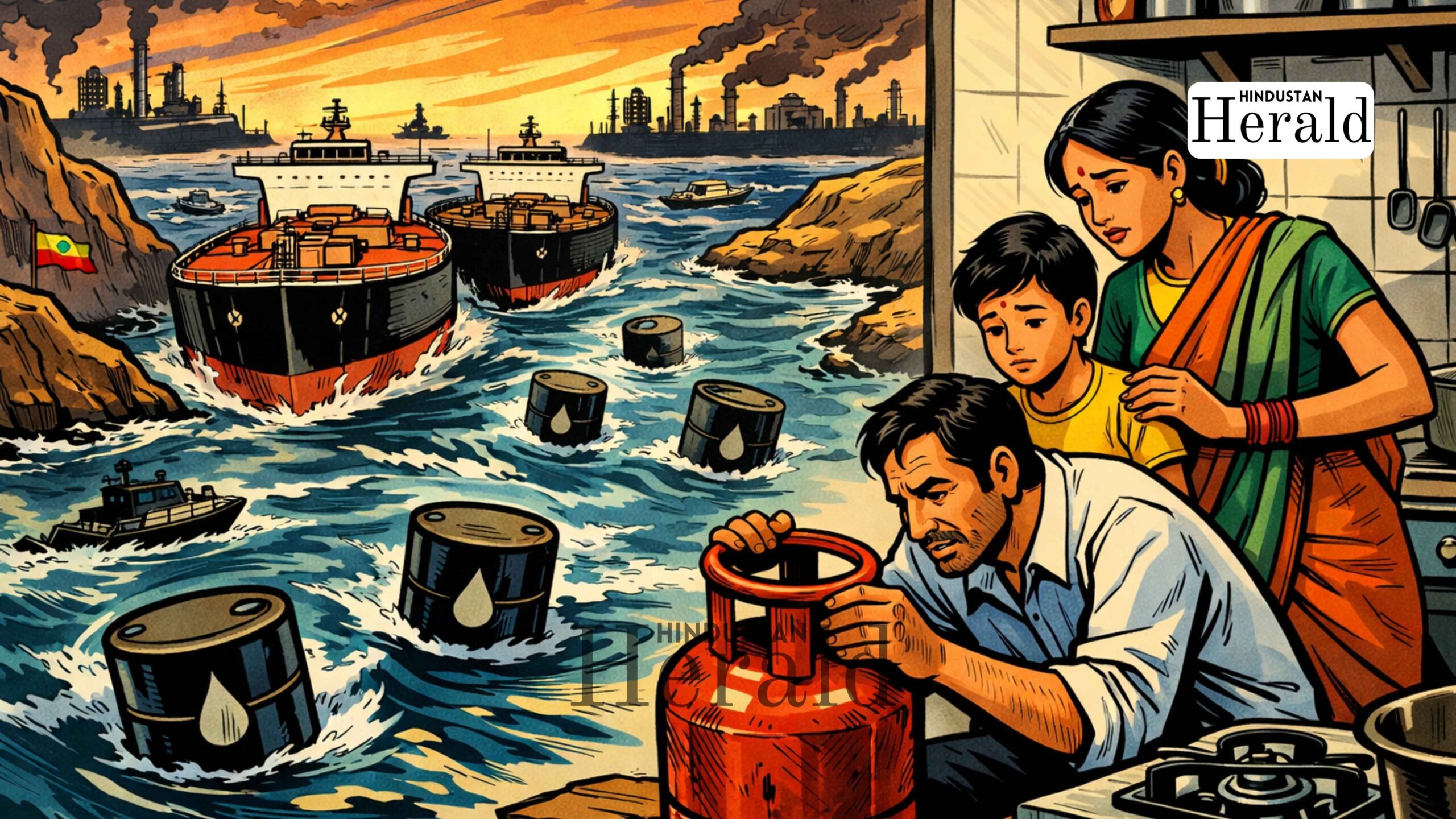
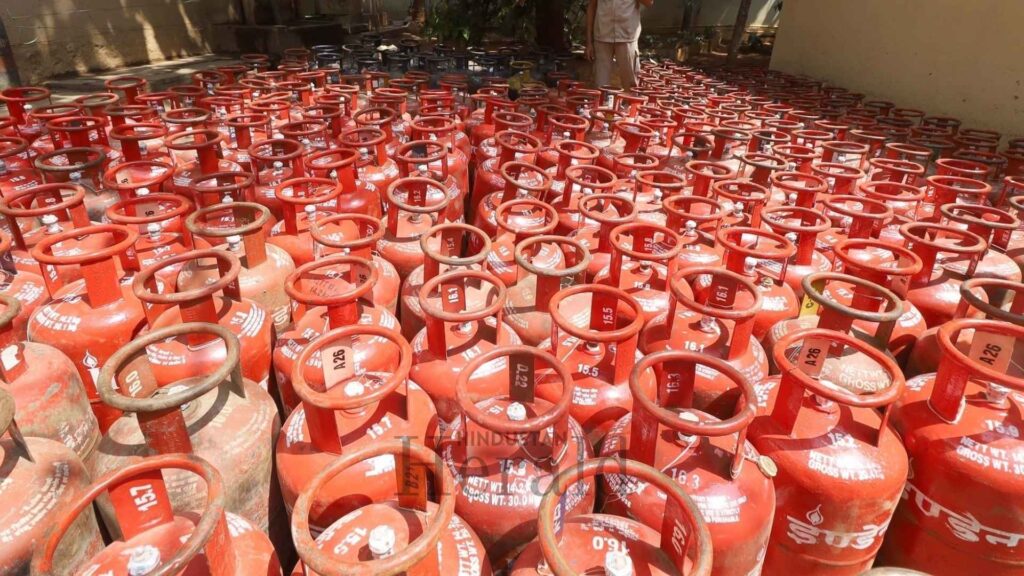
New Delhi, March 16: Think about the last time you refilled your LPG cylinder. The wait, the booking, the delivery. Now imagine that wait stretching from days to weeks, and the price quietly creeping up with it. That is not a hypothetical anymore. It is what is already happening in parts of India, and the reason traces back to a narrow strip of water in the Persian Gulf that most Indians have never heard of but whose fate is now directly tied to what we cook, how much we pay for petrol, and what farmers spend on fertiliser before the next sowing season.
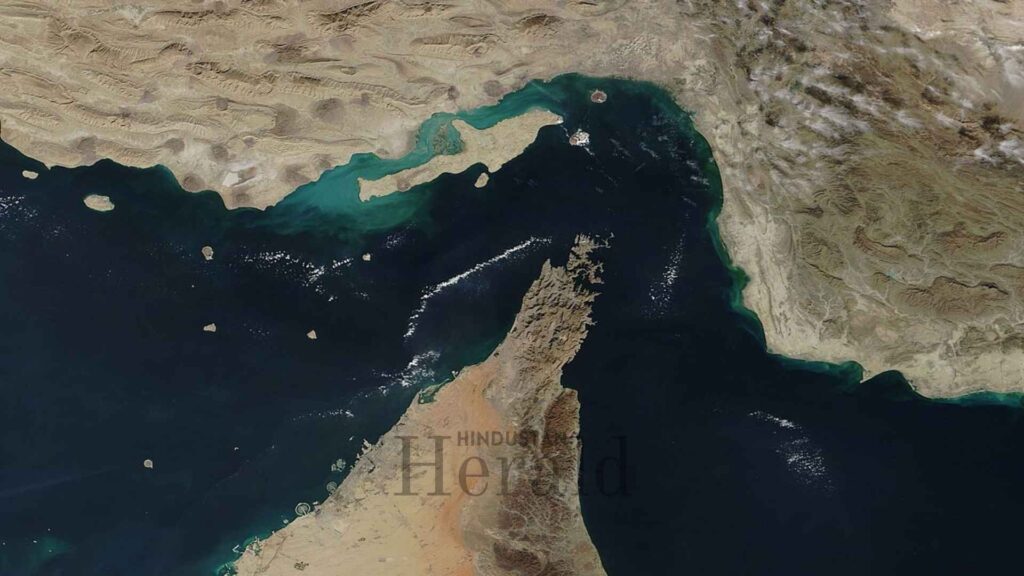
The place is called the Strait of Hormuz. It is a waterway barely 33 kilometres wide at its narrowest point, sitting between Iran and Oman. And right now, it is effectively closed.
What Happened, and Why This Strait Matters So Much
On February 28, 2026, the United States and Israel launched coordinated military strikes on Iran, killing its Supreme Leader and targeting the country’s nuclear infrastructure. Iran responded with missile and drone attacks on US military bases, Israeli territory, and energy facilities across neighbouring Gulf states, including Saudi Arabia, Qatar, the UAE, and Kuwait.

Within days, Iranian forces declared the Strait of Hormuz officially closed, threatening and carrying out attacks on ships attempting to cross it. Hundreds of tankers are now sitting idle on both sides of the strait. Oil tanker traffic, which normally flows through this channel constantly, has collapsed. Brent crude prices have surged above $100 per barrel for the first time since the Russia-Ukraine war began in 2022.
Why does one narrow waterway carry so much weight? Because roughly 13 million barrels of crude oil passed through it every single day in 2025, representing about 31 per cent of all seaborne crude flows globally. About 20 per cent of all global liquefied natural gas exports come through this same route, including from Qatar, one of the world’s largest LNG producers, whose facilities at Ras Laffan were hit by Iranian drones.
In plain terms: nearly a third of the world’s seaborne oil supply and a fifth of its cooking and industrial gas were moving through a channel that is now, for practical purposes, shut.
This Is Not an Abstract World News Story for India
India’s connection to this crisis is not diplomatic or theoretical. It is physical and immediate.
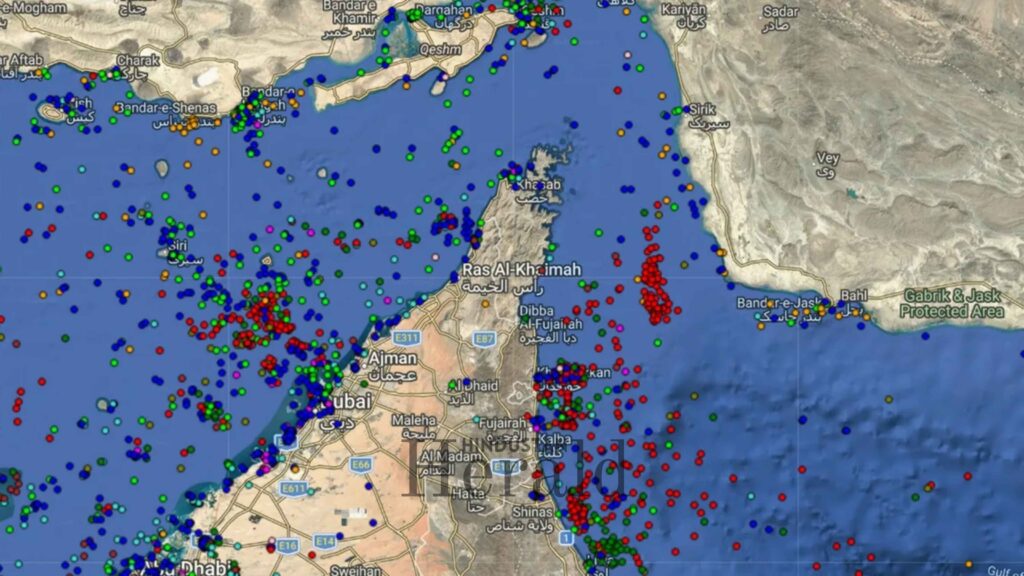
India is the world’s second-largest destination for oil that exits the Strait of Hormuz. Almost half of all the crude oil India refines comes from the Middle East. About 65 per cent of India’s cooking fuel is directly imported, and 90 per cent of that travels through the Strait of Hormuz.
The cooking fuel crisis has already reached ordinary households in ways that big economic numbers cannot fully capture. From metal furnaces in western India to rice paddies in Southeast Asia, billions of people are dealing with gas outages, drawing up crisis menus, and preparing for fuel rationing at the pump. Sales of electric cookers are soaring across Indian cities as people stop taking a stable gas supply for granted.
The disruption has reached places that would have seemed surreal even a month ago. In Pune, 22 LPG-operated crematoriums have closed indefinitely, switching to electric because the petroleum ministry has ordered that gas be conserved for household cooking use. A jaggery rum micro-distillery in Karnataka shut down production entirely after all efforts to procure gas failed, with the founder writing to authorities that they could not afford the three-month process of retrofitting for coal. These are not isolated stories. They are early signals of what an extended supply crunch does to an economy that was quietly and confidently building itself around imported gas.
The Rupee, Prices, and What This Crisis Costs Your Wallet
Beyond gas cylinders, the crisis is working its way through the broader economy in ways that will take months to show up clearly in price tags, but whose direction is already visible.
Banking research firm MUFG estimates that if oil prices stay sustained at $100 per barrel, India’s current account deficit could move toward 3 per cent of GDP, roughly double the baseline forecast of around 1.5 per cent. A wider current account deficit means India is spending far more dollars on imports than it is earning from exports, which puts downward pressure on the rupee. MUFG analysts estimate the dollar-rupee rate could rise above 95 in that scenario, and potentially as high as 97.50 if oil sustains at $120 per barrel with meaningful energy shortages. A weaker rupee makes everything India imports, including oil itself, even more expensive in local currency terms. It is a cycle that feeds on itself.
Retail petrol and diesel prices have been kept frozen by the government for now. That freeze is a conscious political decision in an election-sensitive environment. But behind it, the three state-owned oil marketing companies, Indian Oil, Bharat Petroleum, and Hindustan Petroleum, are absorbing losses that cannot be hidden indefinitely. The longer crude stays above $100, the harder that position becomes to hold.
The Fertiliser Problem: The Crisis That Hits Farmers Next
The energy crisis has a second front that gets far less attention in the news cycle but carries consequences that could outlast the conflict itself.
Roughly one-third of the global fertiliser trade passes through the Strait of Hormuz. Urea prices at the New Orleans hub, a global benchmark, have already jumped from $475 per metric ton to $680 per metric ton since the crisis began. Fertiliser plants in India are suspending production of urea, a critical crop nutrient, as LNG supplies from Qatar have stalled.
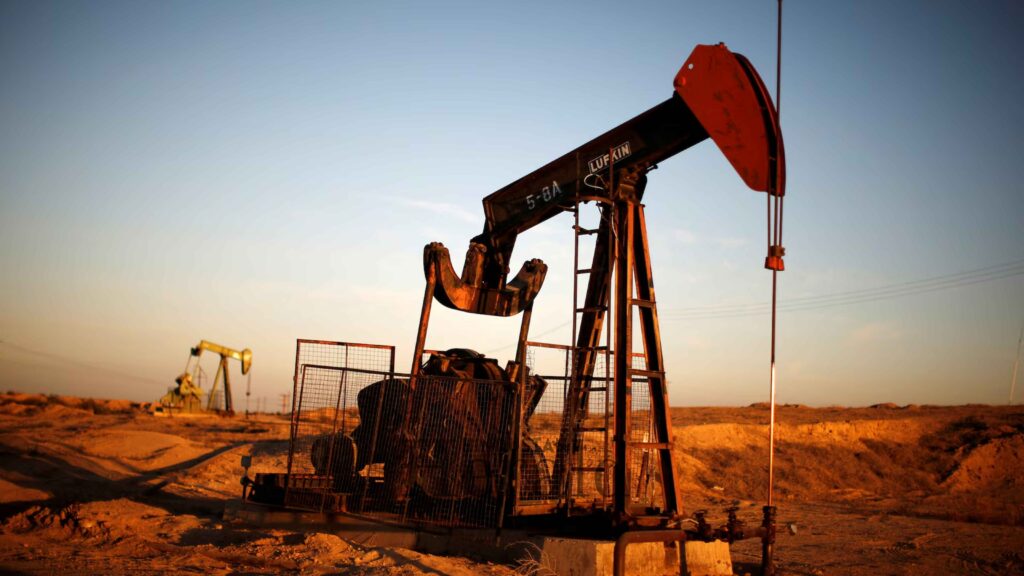
Urea is the single most important input in Indian agriculture after water and seeds. A shortage, or a sharp price spike, going into the kharif sowing season is not an abstract concern for farm economists. It lands directly on the cost of growing rice, wheat, and pulses. If fertiliser shipments are blocked during the spring planting window, food inflation downstream becomes a real possibility, not just an analyst’s footnote.
The government is reportedly working to secure alternative urea from international markets. The question of how quickly those alternatives arrive, at what price, and whether they reach farmers before sowing deadlines is one of the most consequential logistical problems New Delhi is managing right now.
What Is the Government Actually Doing?
The government’s response has been spread across diplomatic, administrative, and emergency supply channels simultaneously, and senior ministers have been deliberate in projecting calm.
On the supply side, India has been ramping up purchases of discounted Russian Urals crude, leaning on a procurement relationship built over the past four years that has given Indian refiners access to cheaper barrels outside the Gulf. India faces strong incentives to deepen reliance on Russian supply given proximity and established logistics, according to energy analytics firm Kpler.
The government has also issued emergency orders directing refineries to maximise LPG production from all available hydrocarbon streams and channel the entire output to the three OMCs for domestic distribution. Natural gas allocation has been restructured under the Essential Commodities Act to prioritise hospitals and essential services.
Separately, New Delhi has been in active diplomatic contact with Tehran to secure safe passage for Indian-flagged vessels. As of March 8, two Indian-flagged gas carriers and a Saudi tanker carrying a million barrels of crude destined for India were permitted to pass through the strait. That is a sign that the diplomatic channel is alive, even if it is not yet reliable enough to be called a solution.
On strategic reserves, the government has said India holds roughly 50 days of crude oil and petroleum product cover. That is a cushion, not a solution. The IEA took the extraordinary step of releasing 400 million barrels of oil from emergency reserves globally, but even that massive number equals only about 20 days of normal Hormuz flows. Emergency stockpiles buy time. They do not fix a waterway.
The Unlikely Winners: India’s Own Refiners
Here is the one part of this story that runs against the grain of the rest. While households scramble for cylinders and farmers worry about urea, India’s domestic refiners are quietly looking at some of the best earnings conditions they have seen in years.
The logic is straightforward. Refiners who can source crude from outside the Gulf, process it, and sell the finished products into a market where diesel, petrol, and jet fuel are all in short supply globally, earn a much higher margin on every barrel. A Morgan Stanley report released this week found that a rise of just one to one-and-a-half dollars per barrel in refining margins would translate to 15 to 30 per cent earnings upside for Indian refiners in 2026.
The political question that follows from this is legitimate. The state owns these refiners. If companies in which the government holds a majority stake earn windfall profits during a national energy crisis, there will be public pressure, and perhaps policy pressure, to direct those gains toward consumer relief rather than institutional balance sheets. How that tension resolves will be one of the more revealing political subplots of this crisis.
A Region in Emergency: India Is Not Alone
It is worth stepping back and noting that this is a world news crisis hitting every energy-importing country in Asia simultaneously. A Nomura analyst note identified India, Thailand, South Korea, and the Philippines as the most vulnerable Asian economies to higher oil prices due to their import dependence. Korea has introduced price caps on fuel. Thailand has asked civil servants to work from home to cut consumption. The Philippines has moved to a four-day government work week.
The UN’s trade and development agency UNCTAD issued a formal assessment this week warning that higher energy, fertiliser, and transport costs could increase food prices and intensify cost-of-living pressures globally, particularly for the most vulnerable populations in developing economies.
There is some reason to believe Iran itself will want a partial resolution sooner rather than later. Analysts at Quantum Strategy noted that Iran needs oil revenue to function. Maintaining a full closure of the strait hurts Iran’s own export earnings. One analyst forecast that the strait would partially reopen within two to three weeks, which would take the edge off the crisis. That assessment remains a projection, not a fact.
The Bigger Question That This Crisis Is Asking India
There is a conversation India has been having with itself for the better part of two decades, and this crisis is forcing it to happen again with more urgency than usual.
India’s entire push toward a more gas-based economy was built around the assumption of stable, affordable imported LNG. Across South Asia, energy companies have collectively made a $107 billion bet on imported LNG infrastructure, with India pursuing the world’s second-largest terminal capacity expansion and the third-largest gas pipeline buildout. That bet is not necessarily wrong. But it is a bet that assumes the shipping lanes stay open, the geopolitics stay manageable, and the prices stay in a range that the economy can absorb.
MUFG analysts noted that India’s economy is more domestic-oriented than most of its peers, that inflation is still relatively well managed, and that some fuel inventory buffers exist. But they were also clear: these advantages may not last forever, and the assessment of the full impact depends entirely on how long this crisis lasts.
That is the honest answer to the question most people are asking. For now, the cylinders are still being delivered. The petrol pump lines are long but moving. The government reserves are holding. But if the Strait of Hormuz stays closed through April, the conversation about what India buys, from where, and at what cost to its own self-reliance will need to move from conference rooms to actual policy at a speed that Indian bureaucracy is rarely asked to match.
The war in West Asia did not begin in India’s kitchen. But that is where it is being felt.
Stay ahead with Hindustan Herald — bringing you trusted news, sharp analysis, and stories that matter across Politics, Business, Technology, Sports, Entertainment, Lifestyle, and more.
Connect with us on Facebook, Instagram, X (Twitter), LinkedIn, YouTube, and join our Telegram community @hindustanherald for real-time updates.

Specializes in South Asian geopolitics and global diplomacy, bringing in-depth analysis on international relations.
- Rajiv Menon

- Rajiv Menon
- Rajiv Menon
- Rajiv Menon




 Shelesh Joshi and Rajiv Menon