
 By Ananya Sharma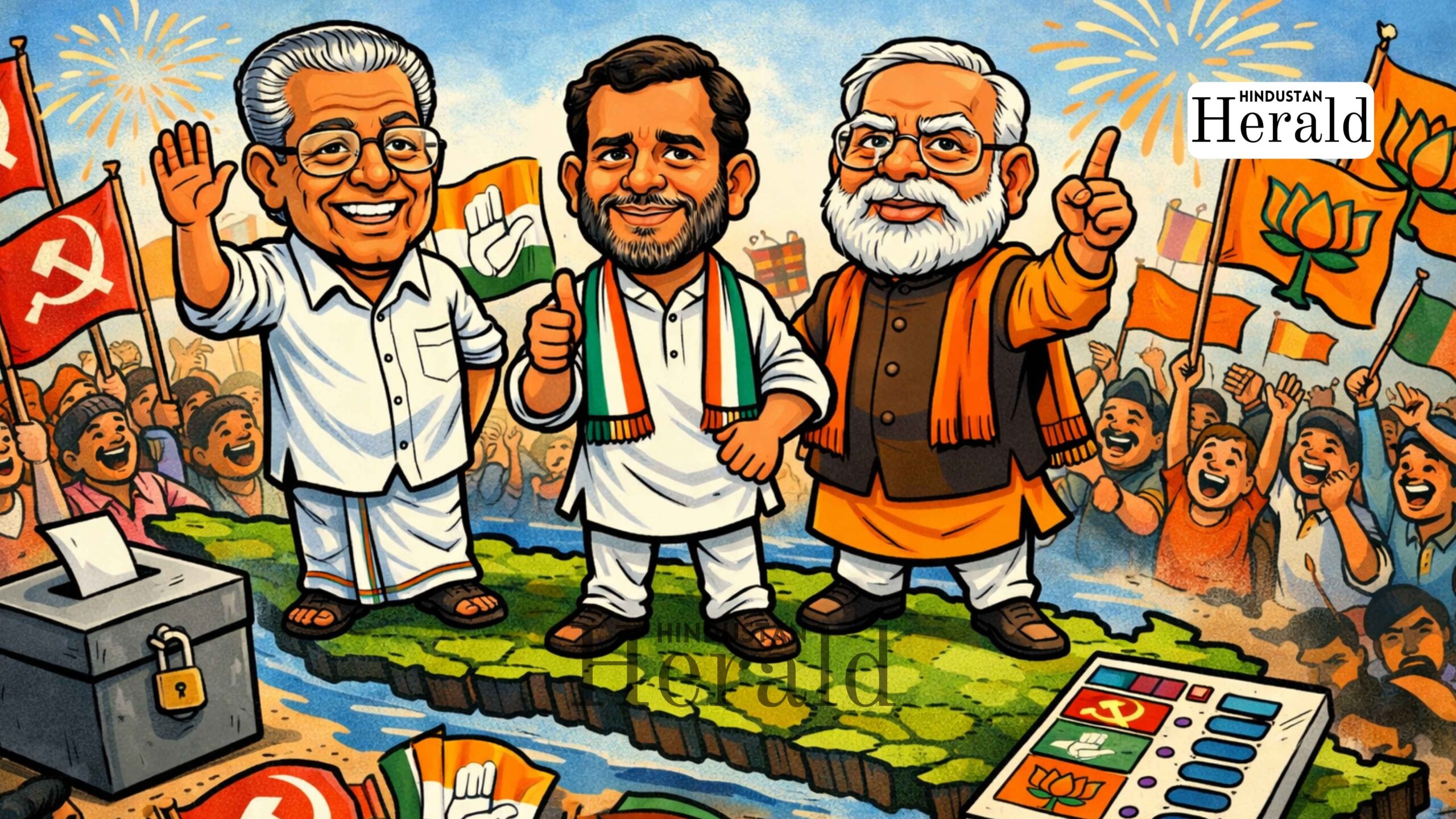
Thiruvananthapuram, March 16: Kerala is going to the polls. The Election Commission of India made it official on Sunday. Voting will happen on April 9. Results will come in on May 4. And from today, candidates can start filing their nomination papers.
Just like that, the state’s political class shifted from backstage maneuvering to full-on public combat.
Three Fronts, Three Very Different Moods
Walk into any tea shop in Thiruvananthapuram right now, and you will hear the same conversation playing out. Who is going to win? Can the Left actually do it again? Is this finally the BJP’s year in Kerala? And where exactly does Congress fit into all of this?
Those are not idle questions. They go to the heart of what makes this election genuinely interesting, even by Kerala’s famously high political standards.
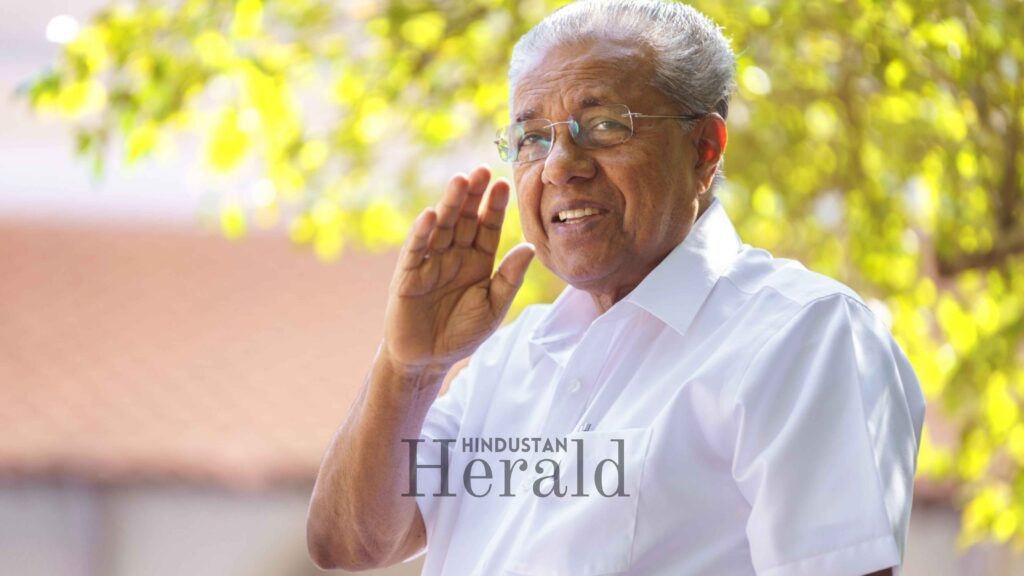
The Left Democratic Front wants a third consecutive term in power. That has never happened in Kerala. Not once. The state has a proud, almost stubborn tradition of throwing out whoever is in charge and giving the other side a go. The LDF under Chief Minister Pinarayi Vijayan is asking voters to break that tradition. Whether they will is the central drama of this entire election.
The Congress-led United Democratic Front is banking on that same tradition to carry it back to power. It swept the 2024 Lok Sabha elections in the state and is hoping that the wave has not died down.
And the BJP-led National Democratic Alliance is trying, once again, to finally crack a state that has kept it out of the Assembly almost entirely for the better part of a decade.
The Left Moved Fast. Very Fast.
Within hours of the Election Commission announcement on Sunday, the CPI(M) put out 75 names. Chief Minister Pinarayi Vijayan will contest from Dharmadam, his home turf in northern Kerala. Fifty-six of the 75 names are sitting legislators. The message was clear: we are proud of what we have done, and we are not hiding from it.
The CPI, the LDF’s main partner, announced its 25 candidates at the same time. Four sitting ministers made the cut, including G.R. Anil, J. Chinchurani, K. Rajan, and P. Prasad.
The combined rollout, done cleanly on the very day the schedule dropped, was a statement of organisational muscle. The Left did not fumble. It did not delay. It walked out onto the field first.
BJP Still Hasn’t Released Its List. Here’s Why That Matters.
The NDA, by contrast, is still working on its candidate list. Nominations opened this morning and the BJP has not officially named who is running where.
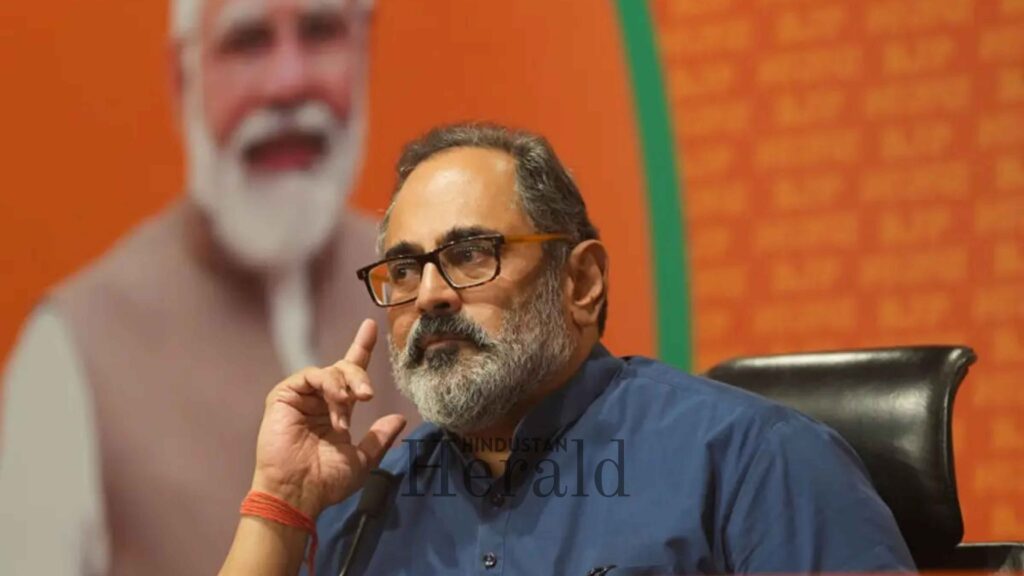
Rajeev Chandrasekhar, the BJP’s Kerala state president, told reporters on Sunday that discussions are going smoothly and names will be announced soon. That may well be true. But in electoral politics, soon is a word that makes party workers nervous.
Sources familiar with a recent BJP parliamentary board meeting say the process covered candidates for all 140 constituencies, cross-referenced against internal survey data. The leadership has reportedly committed to fielding 20 per cent women candidates and 25 per cent new or youth-wing faces.
The BJP itself will contest over 100 seats. The rest will go to alliance partners, primarily Bharat Dharma Jana Sena and Twenty20. The full list is expected in two parts over the next day or two.
The Congress has also not released names yet, though that is less of a talking point since the party is expected to drop its list within 48 hours.
The One Seat Everyone Is Watching
If you had to pick a single constituency that captures the entire story of the BJP’s Kerala journey, it would be Nemom in Thiruvananthapuram.
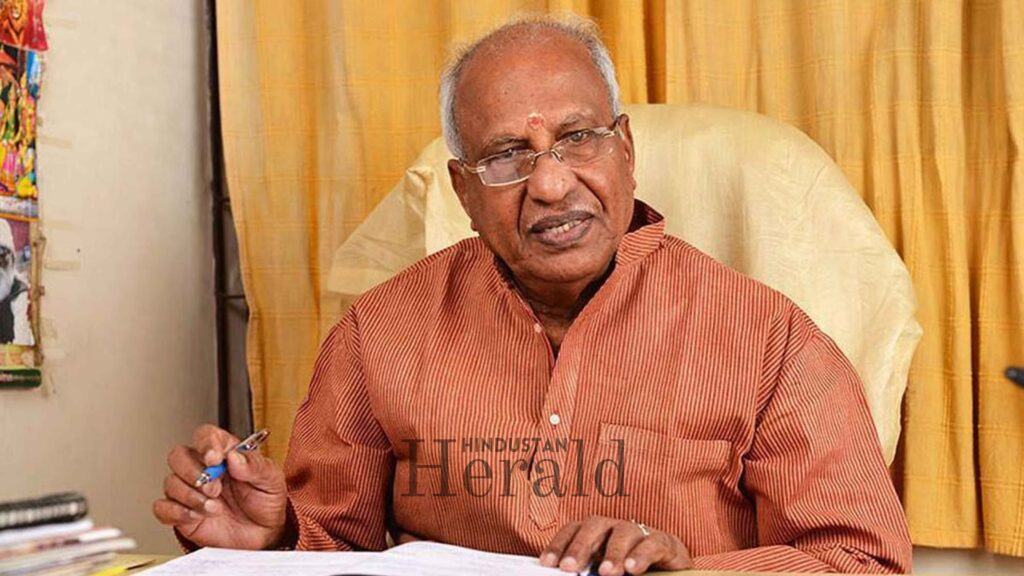
In 2016, O. Rajagopal, a party veteran in his eighties, won Nemom and gave the BJP its only seat in the entire Kerala Assembly. It was a moment the party celebrated like a breakthrough. Five years later, in 2021, V. Sivankutty of the CPI(M) took it back by about 3,949 votes. The Congress finished third. Three parties, genuinely competitive, in a single constituency.
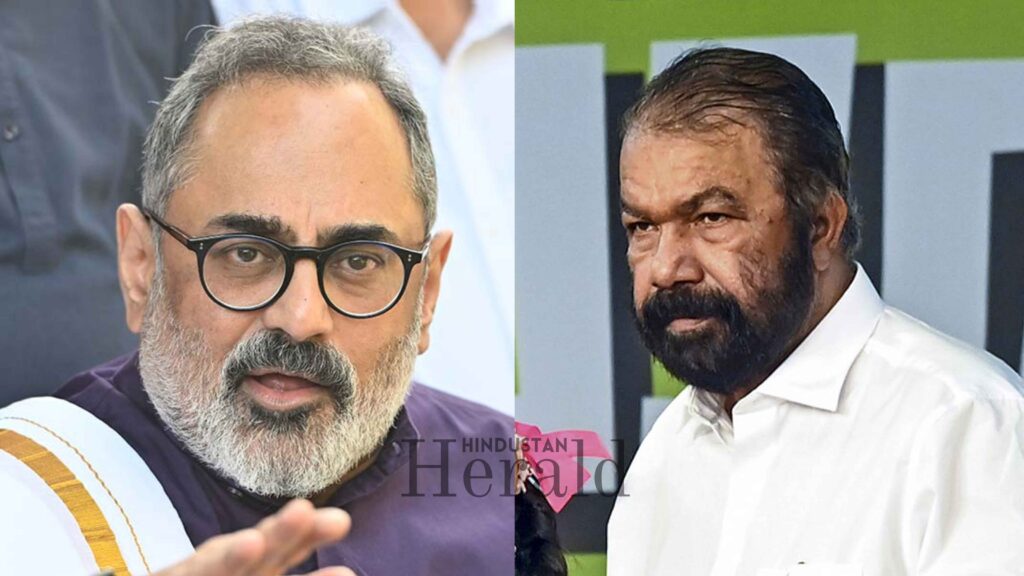
Now Rajeev Chandrasekhar is widely expected to contest from Nemom. And Sivankutty, now a sitting minister, is expected to defend it.
This is not a comfortable backdrop for Chandrasekhar. In the 2024 Lok Sabha elections, he lost the Thiruvananthapuram parliamentary seat to Congress veteran Dr Shashi Tharoor by over 16,000 votes. Thiruvananthapuram and Nemom overlap geographically. Voters in Nemom largely voted in that same Lok Sabha contest. Those numbers will not be forgotten by anyone on any side of this fight.
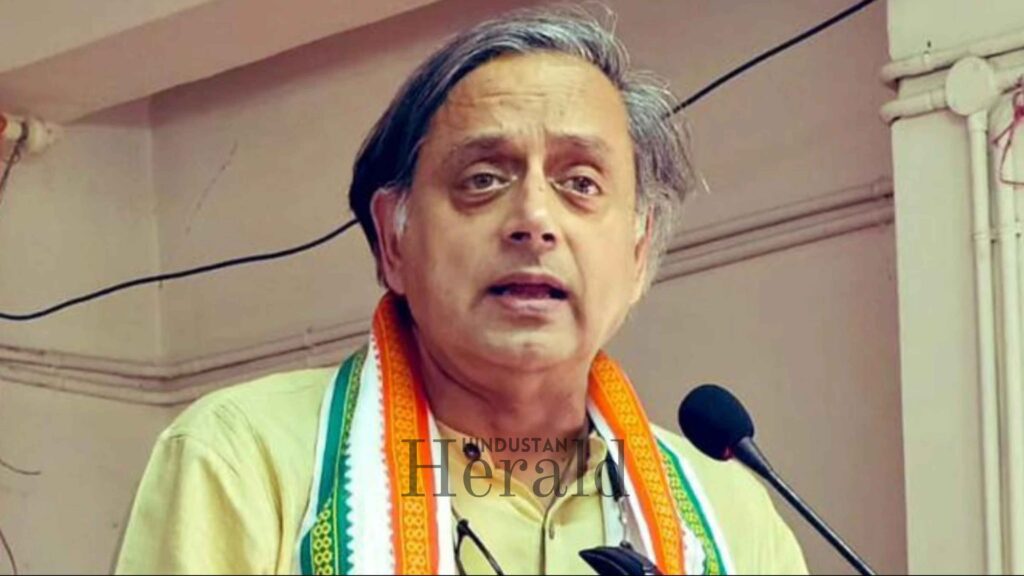
Still, an Assembly election is a different animal. Local factors, candidate loyalty, and ground-level organisation matter more than parliamentary waves. Chandrasekhar and the BJP will argue that the 2024 Lok Sabha result reflects the national mood, not local preference.
Maybe. But they need to win on April 9, not in a debate.
What Is Actually at Stake for the BJP in Kerala
Here is the honest picture. In the 2021 Assembly elections, the LDF won 99 seats out of 140. The UDF won 41. The NDA won zero, despite polling around 12 per cent of the total votes statewide.
Twelve per cent of votes and zero seats. That is the structural problem the BJP has in Kerala. The support exists, spread across the state, but it is not concentrated enough in enough constituencies to convert into actual wins. In first-past-the-post elections, spread-out support is worth far less than concentrated support.
This is why Nemom matters so much. It is not just one seat. It is proof of concept. If Chandrasekhar wins Nemom, the BJP has a legislator in the Assembly, a platform, a presence. If he loses again, the conversation about whether the party can ever truly break through in Kerala gets a lot harder to shut down.
Sabarimala Is Back. Again.
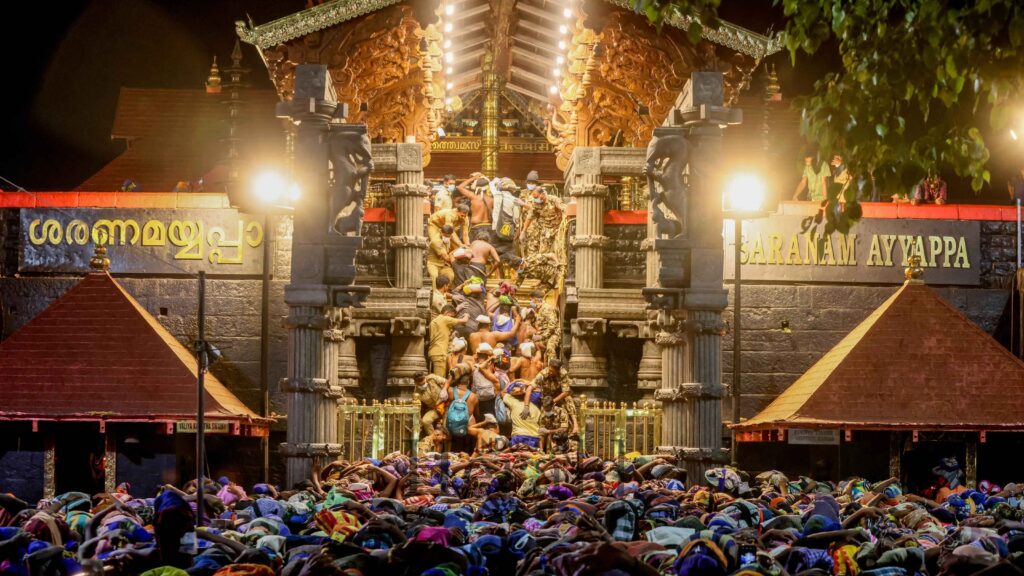
No Kerala election in recent years has been fought without Sabarimala entering the picture somewhere. This time is no different.
Chandrasekhar has been hitting the Pinarayi Vijayan government hard on the temple entry question. The LDF government recently told the Supreme Court that it now supports maintaining the traditional restriction barring women between the ages of 10 and 50 from entering the Sabarimala shrine. That is a significant reversal. In 2018, the same government implemented the court’s original ruling permitting women of all ages to enter, triggering massive protests across Kerala.
The BJP’s argument is simple: the Left government prosecuted devotees and police-protected those who entered the temple in 2018. Now, eight years later, with an election coming, it has quietly changed its position. Chandrasekhar is calling it exactly what it looks like.
The LDF, naturally, does not see it that way. But the reversal is real, on the record, and the kind of thing that does not go unnoticed in a state where the Sabarimala debate cut across caste, class, and community lines.
Whether it moves votes in April is another question entirely. Kerala’s electorate is not easily reduced to single issues. Voters here weigh economic conditions, governance track record, local candidate quality, and national politics simultaneously. That sophistication is both the reason the state is fascinating and the reason no one can confidently predict what happens on May 4.
Congress Plays the Waiting Game
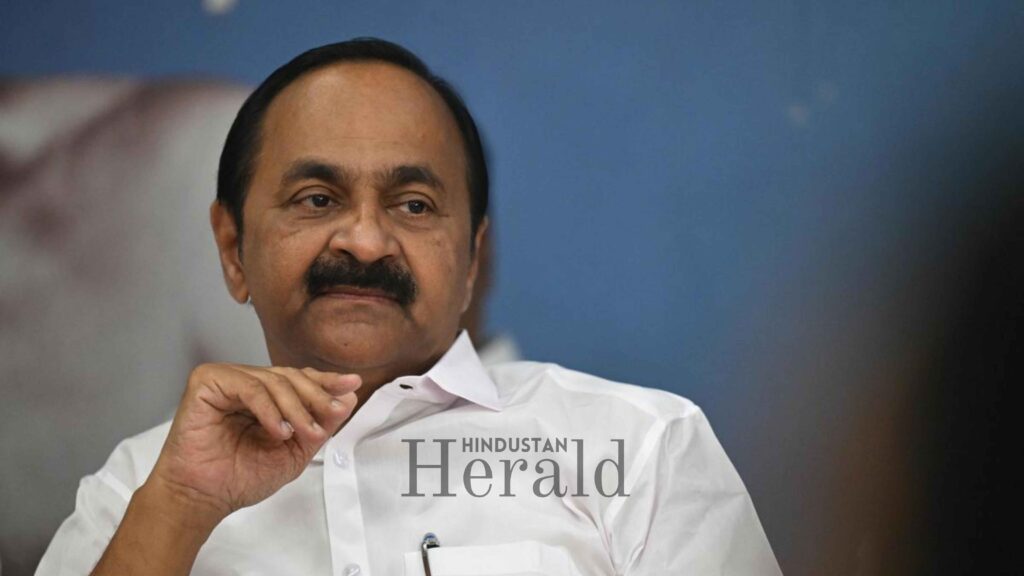
The UDF is watching all of this with quiet confidence. V.D. Satheesan is leading the front into this election on the back of a strong 2024 Lok Sabha performance. The Congress strategy appears to be letting the LDF’s three-term ambition generate its own resistance and letting the BJP’s Kerala struggles generate their own narrative, while positioning the UDF as the natural, default alternative.
It is not a flashy strategy. But it is not a stupid one either.
The UDF candidate list is coming in the next day or two. How Congress distributes seats among its alliance partners, and whether there are any surprise names, will tell us a lot about how seriously it is targeting specific constituencies.
The Next Few Days Will Set the Tone
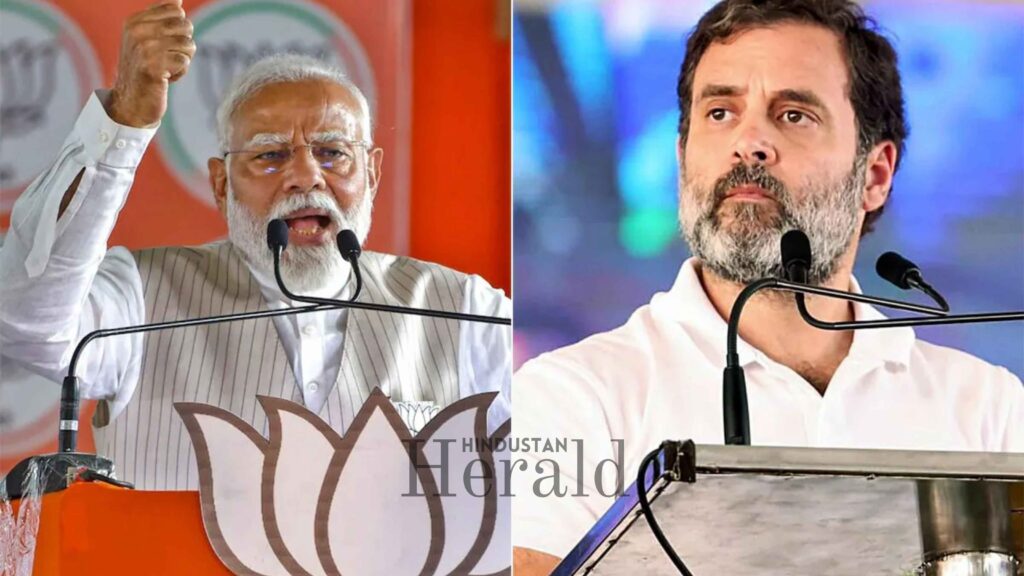
From today, the campaign enters its formal phase. Candidates will file papers. Rallies will be announced. Prime Minister Narendra Modi and Rahul Gandhi will both descend on Kerala at some point before April 9.
For ordinary voters, the next three and a half weeks will mean loudspeaker vans at odd hours, flags on every street corner, and a flood of claims about who built what road and who failed to build which hospital.
For the political class, the next 72 hours are critical. The BJP needs its list out. The Congress needs its alliance math to add up. And the LDF needs to make sure its early confidence does not tip into complacency.
Kerala does not forgive complacency. It never has.
Stay ahead with Hindustan Herald — bringing you trusted news, sharp analysis, and stories that matter across Politics, Business, Technology, Sports, Entertainment, Lifestyle, and more.
Connect with us on Facebook, Instagram, X (Twitter), LinkedIn, YouTube, and join our Telegram community @hindustanherald for real-time updates.

Covers Indian politics, governance, and policy developments with over a decade of experience in political reporting.
- Ananya Sharma

- Ananya Sharma
- Ananya Sharma
- Ananya Sharma


 Arun Upadhayay