
 By Ananya Sharma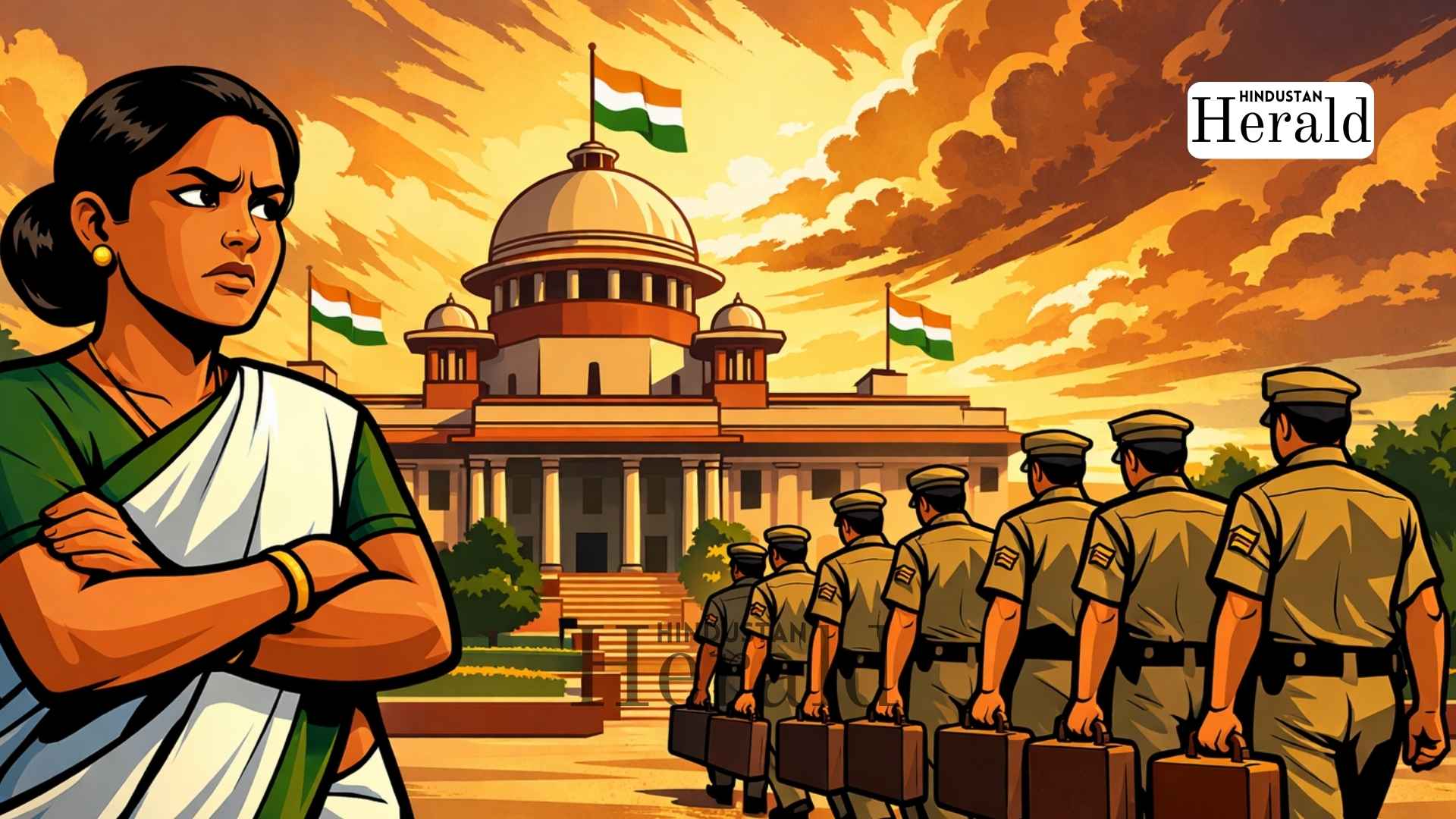
Kolkata, March 17: Let’s start with what actually happened on Monday, because the scale of it gets lost in official language.
The Election Commission of India has, in the space of 72 hours, replaced the Chief Secretary, the Home Secretary, the Director General of Police, the Kolkata Police Commissioner, two regional police chiefs, four city commissioners, and twelve district police heads across West Bengal. That is the entire spine of law enforcement and civil administration in one of India’s largest and most politically combustible states, changed before a single vote has been cast in the 2026 Assembly elections.
If you think that is a lot, you are right. It is extraordinary by any measure.
So What Exactly Did the EC Do on Monday
Monday’s order covered 19 police officers across ranks. Think of it as the second punch in a two-day combination.
The first punch landed on March 15 and 16. Within one day of announcing the election schedule, the Commission removed the four most powerful officials running West Bengal’s government machinery.
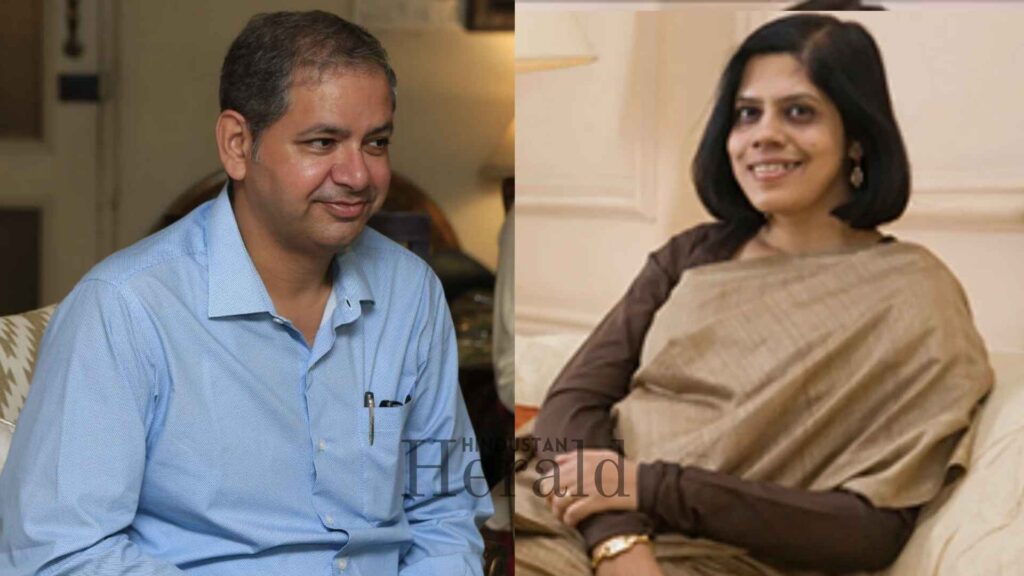
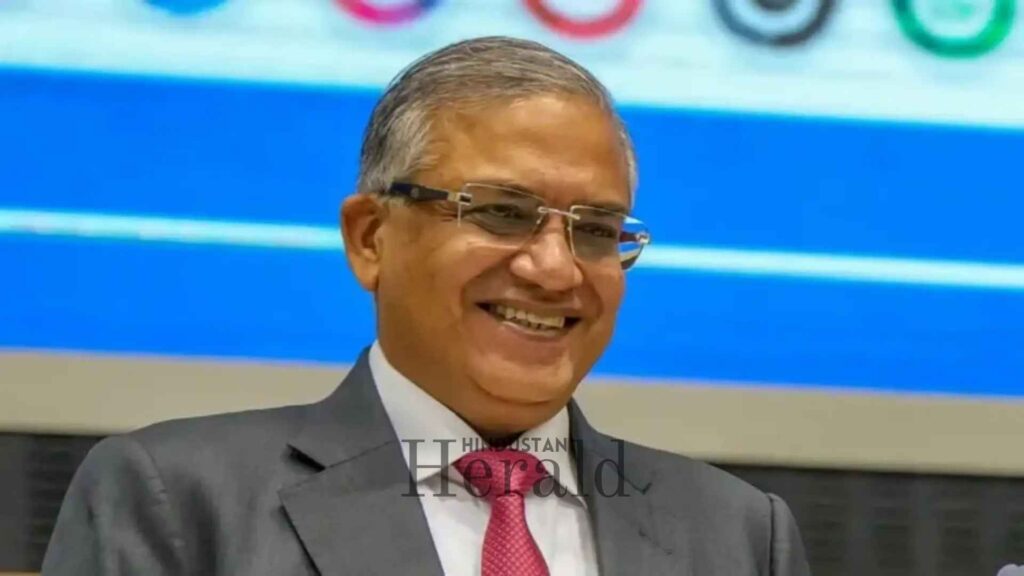
Nandini Chakravorty was the Chief Secretary. She is gone. Dushyant Nariala, a 1993-batch IAS officer, is now in that chair. Jagdish Prasad Meena was Home Secretary. He has been replaced by Sanghamitra Ghosh, IAS 1997 batch. Peeyush Pandey was the Director General of Police, basically the top cop of the entire state. Out. Siddh Nath Gupta, IPS 1992 batch, has taken over. And Supratim Sarkar, who was running the Kolkata Police, has been replaced by Ajay Kumar Nand, IPS 1996 batch.
Four of the most consequential government jobs in Bengal were all changed in one night.
Then Monday arrived, and the Election Commission kept going.
The Names and the Districts That Matter
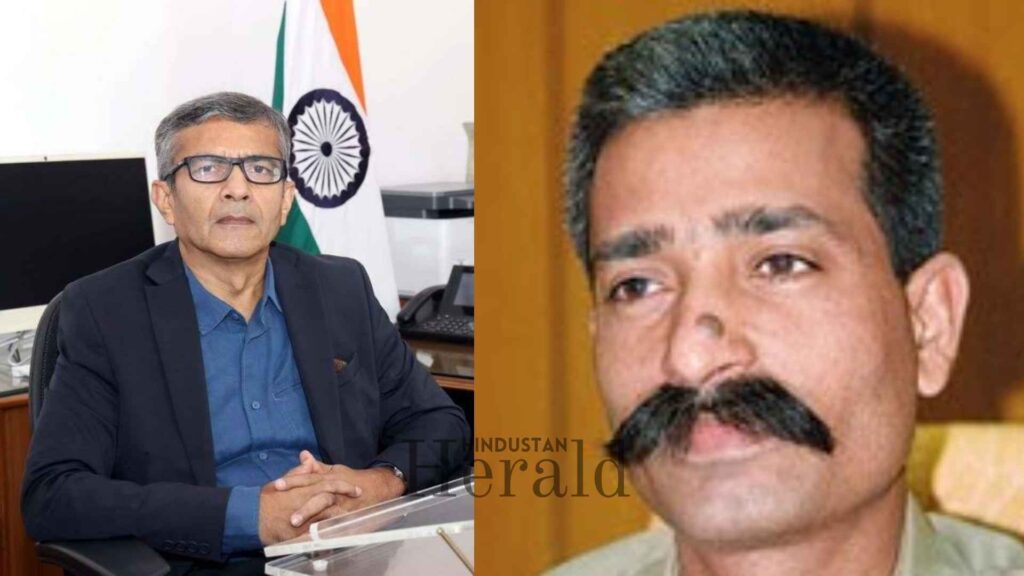
At the top of Monday’s order, two regional Additional Directors General were replaced. Rajesh Kumar Singh now heads policing for South Bengal. K. Jayaraman takes North Bengal. These are not desk jobs. These two officers set the operational direction for dozens of constituencies each.
Then four city-level police commissioners were changed. Akhilesh Kumar Chaturvedi is the new boss in Howrah, the dense industrial city that sits right across the Hooghly from Kolkata. Pranav Kumar takes the Asansol-Durgapur belt, which is coal country and has a long history of rough elections. Amit Kumar Singh gets Barrackpore, the suburban stretch north of Kolkata, where political rivalry has often turned physical. Sunil Kumar Yadav moves into Chandannagar.
And then twelve Superintendents of Police were transferred across districts. A few of these names and locations will mean something to anyone who remembers recent Bengal history.
Birbhum now has Surya Pratap Yadav as SP. Birbhum is the district where the Bogtui massacre happened in 2022, where a string of killings in one night drew Supreme Court attention and a CBI investigation. It is a district the Commission cannot afford to treat casually.
Cooch Behar gets Jaspreet Singh. Cooch Behar is where, during the 2021 election, four voters were shot dead by central forces at Sitalkuchi. That single incident consumed weeks of national news coverage and became a bitter point of political warfare between the TMC and the BJP.
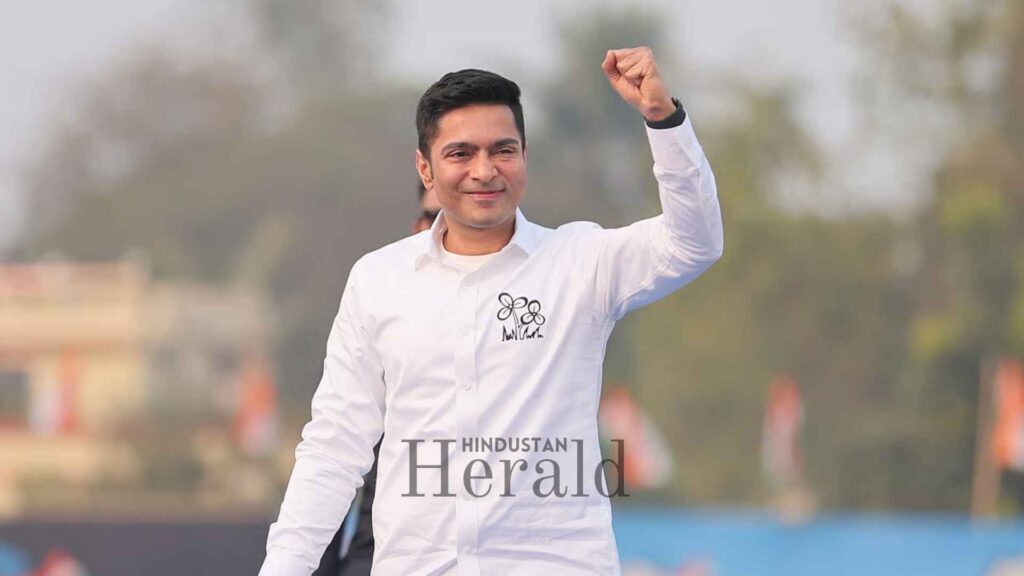
Diamond Harbour has a new SP in Ishani Paul. This constituency is where Abhishek Banerjee, Mamata’s nephew and the TMC’s national general secretary, is based. Posting a new SP here is the kind of move the Commission knows will be read as a statement.
Pushpa takes Barasat. Kumar Sunny Rai goes to Hooghly Rural.
Here Is Why the EC Has This Power
People sometimes ask how the Election Commission can walk into a state and start replacing government officers as if the elected government does not exist. It is a fair question, and the answer is worth knowing.
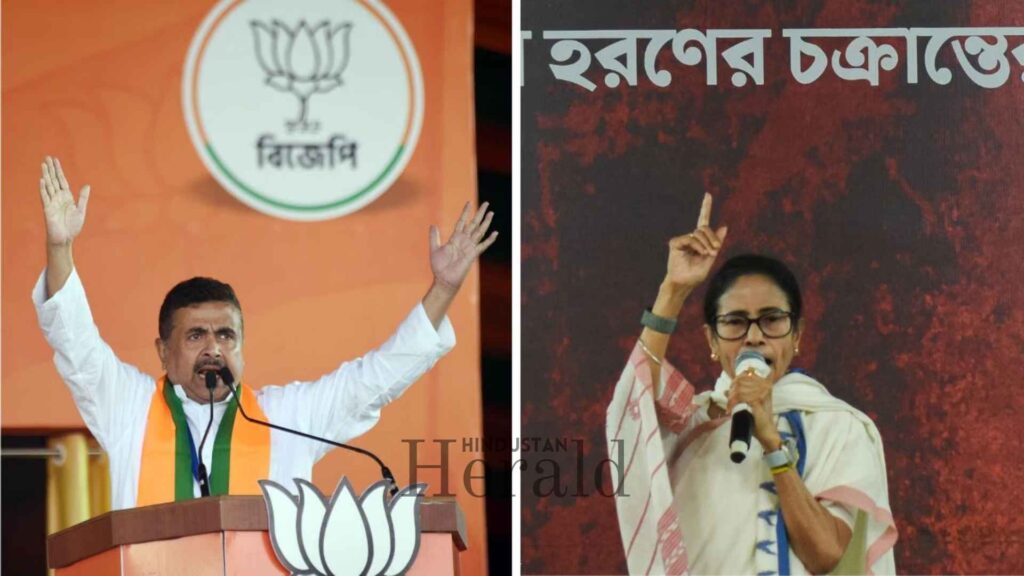
Once an election schedule is announced in India, the Model Code of Conduct comes into force. From that moment, the Election Commission of India gets overriding authority over state governments on anything connected to the election. This comes directly from the Constitution and from the Representation of the People Act.
The state government cannot stop these transfers. The Chief Minister cannot reverse them. The only thing the ruling party can do is write protest letters and make noise in Parliament, which the TMC is doing, but the orders are not going anywhere.
This was a deliberate design choice by the people who built India’s election law. They understood that giving a ruling party full control over the police during its own election was a recipe for abuse. The EC’s power to move officers is the correction built into the system.
The 2021 Shadow Over Everything
Here is the context that explains why Bengal gets this level of intervention while many other states do not.
The 2021 West Bengal Assembly election produced a result and then produced something else entirely: weeks of targeted political violence after the TMC won. Houses were burned. People were killed. Families fled their villages. The Calcutta High Court found the situation serious enough to hand the investigation to the CBI. The National Human Rights Commission submitted a report that was scathing about what had happened.
That is the record the Election Commission is working from. When it looks at Bengal 2026, it is not starting from a neutral position. It is starting from documented evidence of what can go wrong here and building its administrative decisions around preventing a repeat.
What Mamata Is Saying and Why
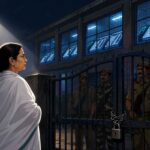
Chief Minister Mamata Banerjee is angry, and she wants everyone to know it.
She has called the Election Commission’s actions “unilateral.” She has accused the EC of doing the BJP’s work for it. She has reportedly written directly to Chief Election Commissioner Gyanesh Kumar to register her protest formally.
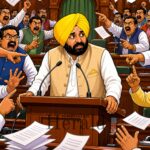
In Parliament, her party acted on Monday. TMC MPs walked out of the Rajya Sabha, calling the overnight replacement of top bureaucrats “unacceptable.” The walkout was coordinated and deliberate, meant to put the transfers on the national record as a contested political act rather than a routine administrative one.
None of this will reverse the transfers. Mamata knows that. The legal position is unambiguous. But the protest is not really aimed at the Election Commission. It is aimed at her voters back home in Bengal, where the message is that she is fighting for them against forces she frames as hostile to the state’s autonomy.
She made the same arguments in 2021. The Commission did not move then either.
What the Next Six Weeks Look Like
Phase one of polling is on April 23. Phase two is on April 29. Votes get counted on May 4.
The newly posted officers have roughly five weeks to get their bearings in unfamiliar districts, establish their command structures, coordinate with central forces, and manage what are expected to be hard-fought, high-turnout polling days.
For voters in Bengal, the practical meaning of all this reshuffling is simple. The police officer in charge of your district on polling day will be someone who was not placed there by the current state government and does not owe their posting to the ruling party. Whether that produces a calmer, fairer election is the question that April will answer.
What is already clear is that the Election Commission has decided it will not be a passive observer in West Bengal this cycle. The scale and speed of what has happened in the past 72 hours makes that plain enough.
Stay ahead with Hindustan Herald — bringing you trusted news, sharp analysis, and stories that matter across Politics, Business, Technology, Sports, Entertainment, Lifestyle, and more.
Connect with us on Facebook, Instagram, X (Twitter), LinkedIn, YouTube, and join our Telegram community @hindustanherald for real-time updates.

Covers Indian politics, governance, and policy developments with over a decade of experience in political reporting.
- Ananya Sharma

- Ananya Sharma
- Ananya Sharma
- Ananya Sharma

 Sandeep Verma