
 By Rajiv Menon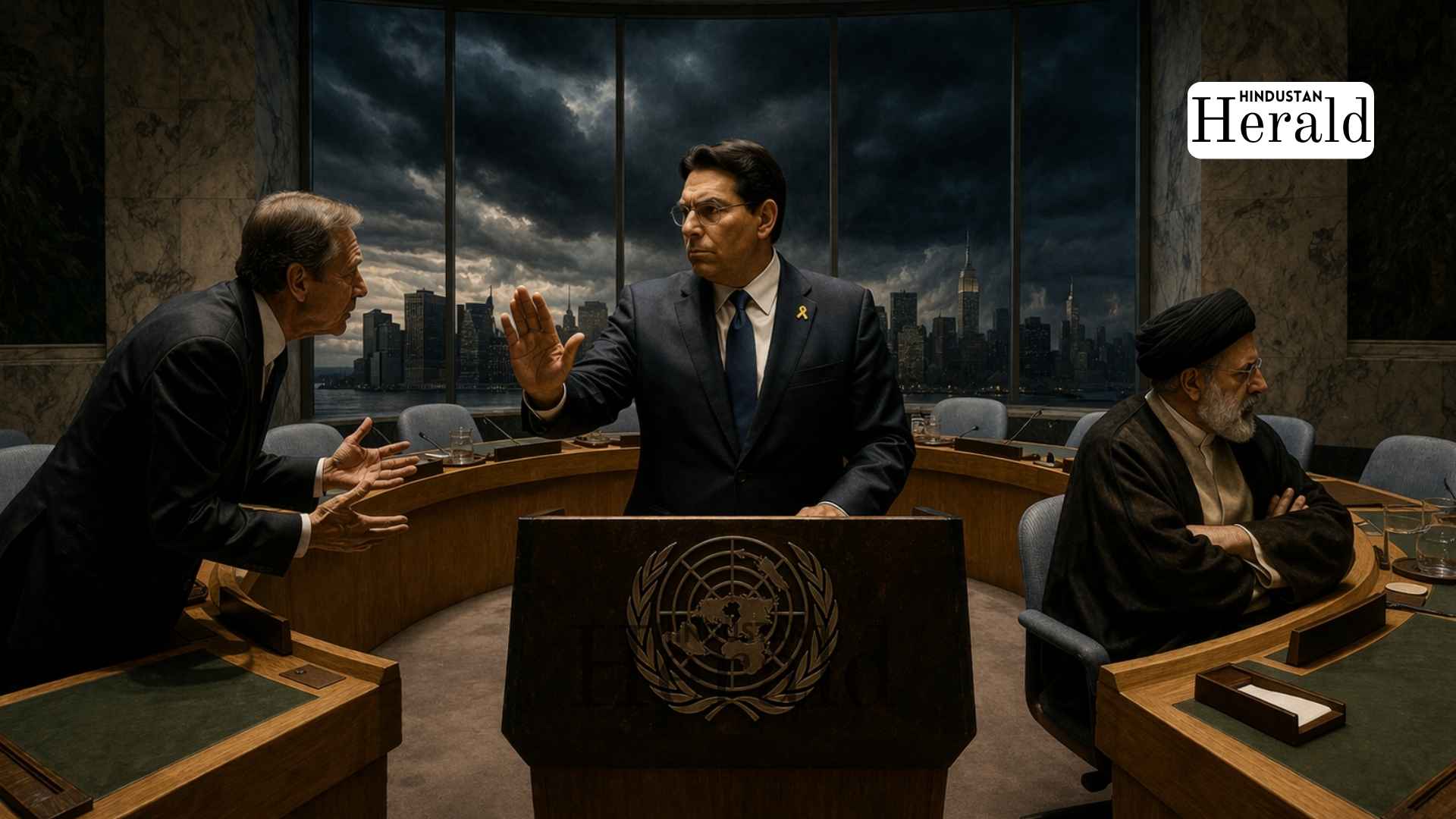
New Delhi, March 25: A war that nobody officially wanted, that diplomats were apparently on the verge of preventing just 24 hours before it began, has now entered its 26th day. Cities are being bombed. Oil prices have broken past $100 a barrel. Indian households are staring at the very real possibility of a cooking gas shortage. And the three countries at the center of it all cannot even agree on whether they are talking to each other.
That is not a diplomatic puzzle. That is a crisis with no adult in the room.
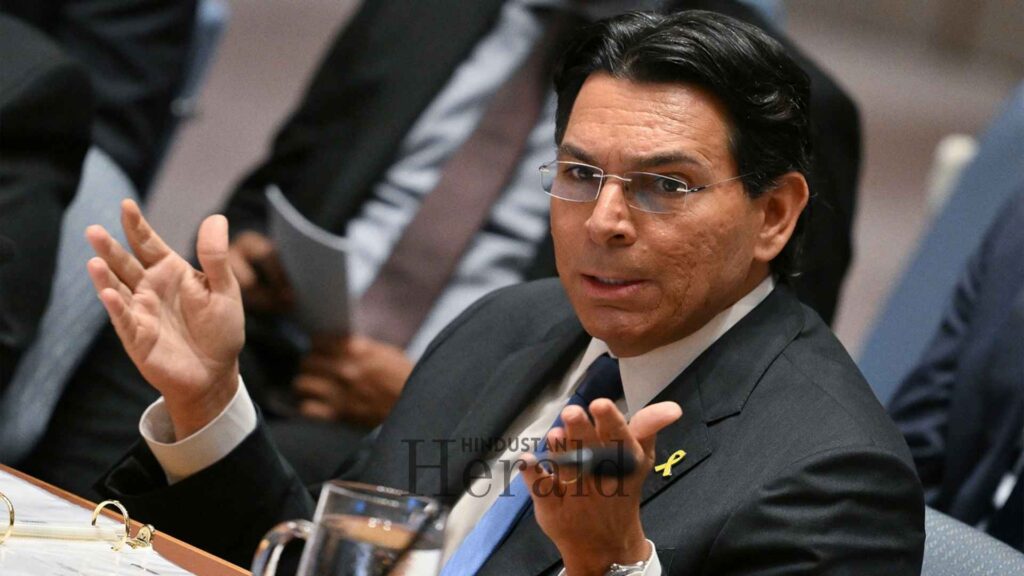
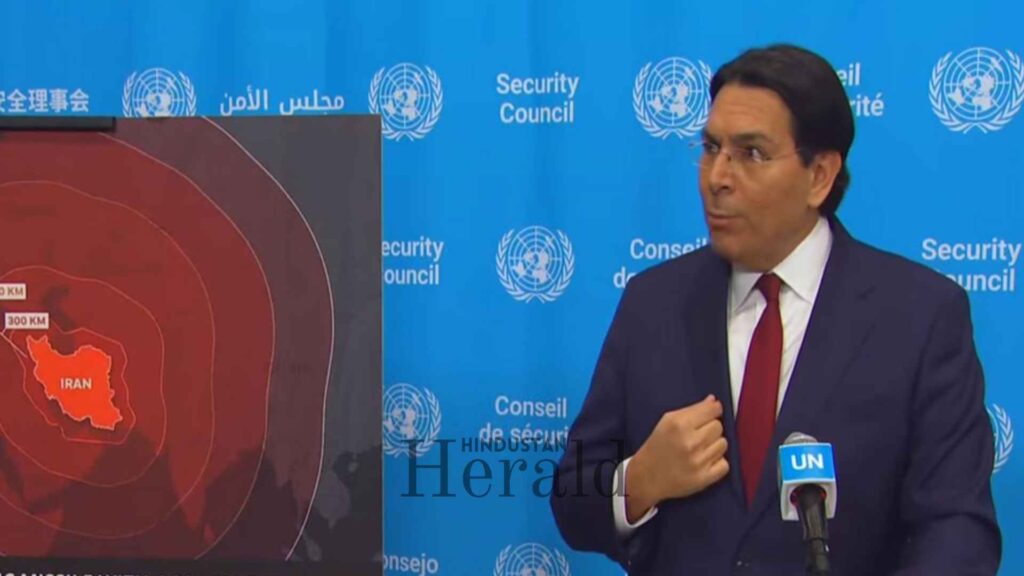
On Tuesday, Israel’s top diplomat at the United Nations, Ambassador Danny Danon, walked up to a bank of microphones at UN headquarters in New York and said something that stopped the diplomatic world in its tracks. He said, in plain language, that Israel had no knowledge of any peace talks. That the bombs were still falling. And that they would keep falling until Iran was stripped of every nuclear weapon and every long-range missile it possessed.
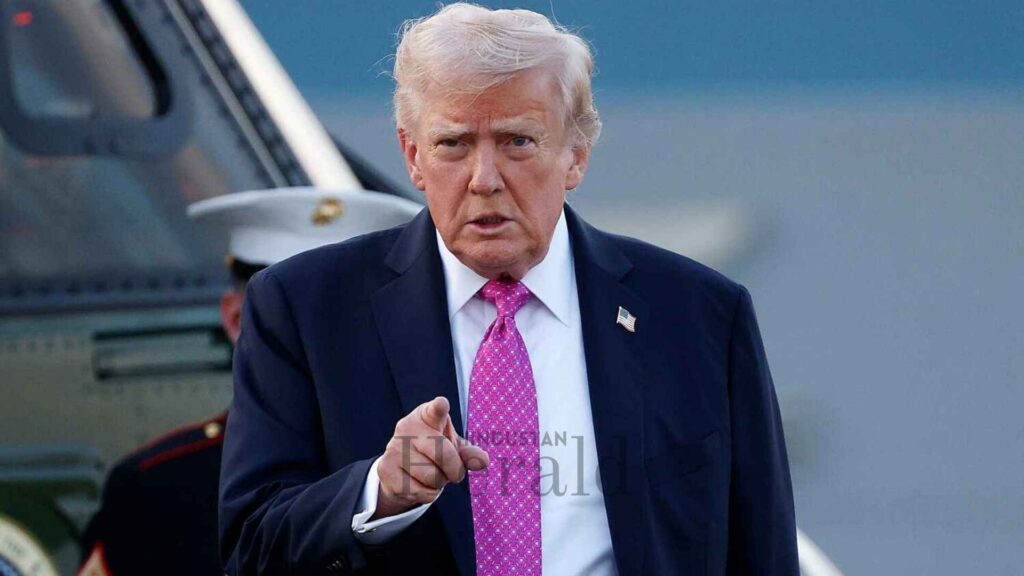
This came less than 24 hours after U.S. President Donald Trump sat in the Oval Office and told reporters the war was essentially won, that Iran had reached out to make a deal, and that negotiations were going “perfectly.”
Iran, for its part, said none of this was true and that Trump was making things up to calm down oil markets.
Three parties. Three completely different stories. One very real, very deadly war.
How Did We Get Here
To understand what is happening today, you need to go back to the evening of February 27, 2026, which was, extraordinarily, the day before the bombs started falling.
On that day, Oman’s Foreign Minister Badr Al-Busaidi announced that a breakthrough had been reached in negotiations between the U.S. and Iran. Iran had agreed to never stockpile enriched uranium and had accepted full verification by the International Atomic Energy Agency. He said peace was within reach and that talks were set to resume on March 2.
They never did. The next morning, American and Israeli warplanes hit Iran.
The strikes on February 28 killed Iran’s Supreme Leader Ali Khamenei along with his daughter, son-in-law, grandchild, and several senior defense and intelligence officials. It was one of the most consequential targeted killings in modern history, and it ended whatever chance remained of a negotiated settlement, at least in the short term.
Iran’s response came within hours. Missiles rained down on Bahrain, Saudi Arabia, Qatar, the UAE, Kuwait, and Jordan. Airspace across the Gulf shut down. The Strait of Hormuz, the narrow waterway through which one-fifth of the world’s oil travels every single day, went dark.
That is when the crisis stopped being a regional military story and became a global economic emergency.
What Israel Said at the UN and Why It Matters
Ambassador Danon’s appearance on Tuesday was not a routine press briefing. It was a message, delivered publicly and deliberately, to Washington.
He told reporters he was “not familiar” with any Israeli participation in peace talks, and made clear that as he was speaking, Israeli and American forces were continuing to strike military targets inside Iran.
This matters enormously. What Danon was saying, in diplomatic language, is that Israel did not authorise whatever back-channel conversations Trump was describing. And that even if Washington was quietly trying to cut a deal, Tel Aviv would not be bound by it unless its own conditions were fully met.
What are those conditions? Danon laid them out at the UN Security Council: Iran must be left with no nuclear capability and no ballistic missile capability. Over 8,500 strikes have already been carried out targeting missile launchers, weapons production facilities, and command centres. And until those goals are achieved, the campaign continues.

Back home, Defense Minister Israel Katz said the operation would continue at full intensity. Energy Minister Eli Cohen suggested Trump’s comments about the war being over should be taken slowly. Prime Minister Netanyahu has reportedly asked his close aide Ron Dermer to personally monitor any U.S.-Iran negotiations to make sure Israel’s interests are protected.
Think about that for a moment. The closest military ally the United States has in this conflict is now assigning a personal monitor to watch what Washington is doing behind closed doors. That tells you everything about the state of trust between these two governments right now.
Trump Says Talks Are On, Iran Says They Are Not, and the Truth Is Somewhere in Between
On Monday, Trump told reporters plainly that the U.S. and Iran were “in negotiations right now,” that he had held back from threatening Iranian power plants because talks were ongoing, and that Tehran was “talking sense.”
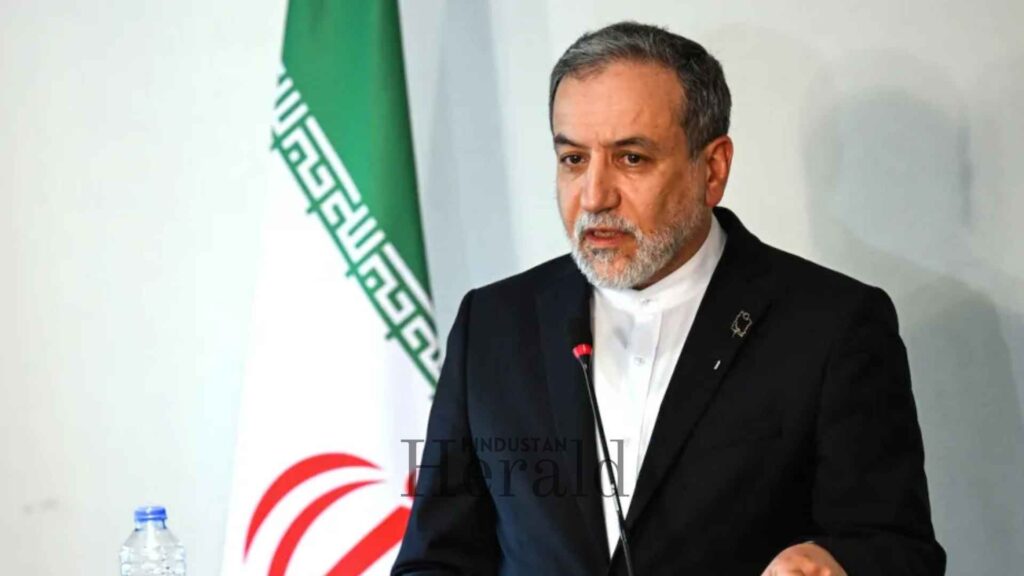
Iran’s Foreign Ministry shot back the same day, saying there had been “no dialogue” whatsoever, and that Trump had backed off simply because Iran had threatened to target every power plant in West Asia.
So who is telling the truth? Probably both of them, in their own way.
According to a U.S. source speaking to Axios, Turkey, Egypt, and Pakistan have been quietly passing messages between Washington and Tehran. The foreign ministers of those three countries have held separate calls with American envoy Steve Witkoff and Iranian Foreign Minister Abbas Araghchi. A source close to the process described the mediation as “ongoing and making progress.”
A source inside Iran confirmed to CNN that there has been “outreach” between the two sides and that Tehran is willing to listen to proposals it considers “suitable.”
By Tuesday, U.S. media reported that Washington had sent Iran a formal 15-point plan to end the war, transmitted through Pakistan.
So there are no direct negotiations, but there are intermediaries carrying detailed proposals. There is no ceasefire, but there is a five-day pause in some categories of strikes. Iran is publicly denying everything while privately reading American proposals. This is, for better or worse, how wars sometimes wind down. Slowly, messily, with everyone insisting they are winning right up until the moment a deal is announced.
The Strait of Hormuz: Why Every Indian Should Be Paying Attention
Here is where this story stops being about geopolitics and starts being about your kitchen, your commute, and your electricity bill.
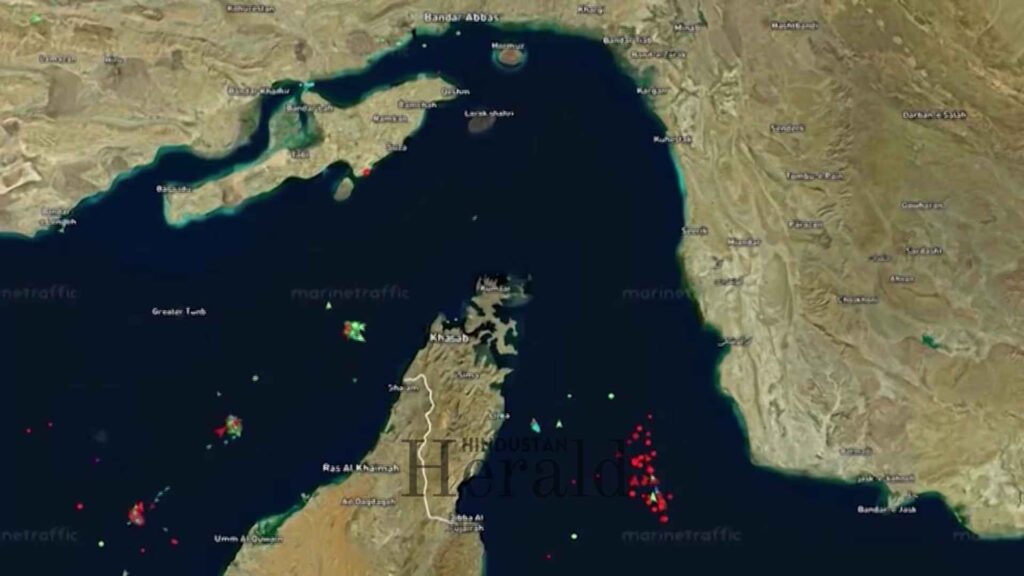
The Strait of Hormuz is a stretch of water about 34 kilometres wide at its narrowest point, sitting between Iran and Oman. It does not look like much on a map. But roughly one-fifth of all the oil traded by sea in the entire world passes through it every day. When Iran closed it on March 2, the world lost access to energy supplies on a scale that has never happened before in recorded history.
The head of the International Energy Agency, Fatih Birol, put it bluntly: the current crisis is worse than the two great oil shocks of the 1970s put together. In 1973 and 1979 combined, the world lost about 5 million barrels of oil per day. “Today,” Birol said, “we have lost 11 million barrels per day.”
For India, this is not an abstract statistic.
India is the world’s third-largest crude oil importer, consuming between 5 and 5.6 million barrels every single day. It imports roughly 88 percent of the crude it needs. About half of that comes from the Middle East, almost all of it through Hormuz.
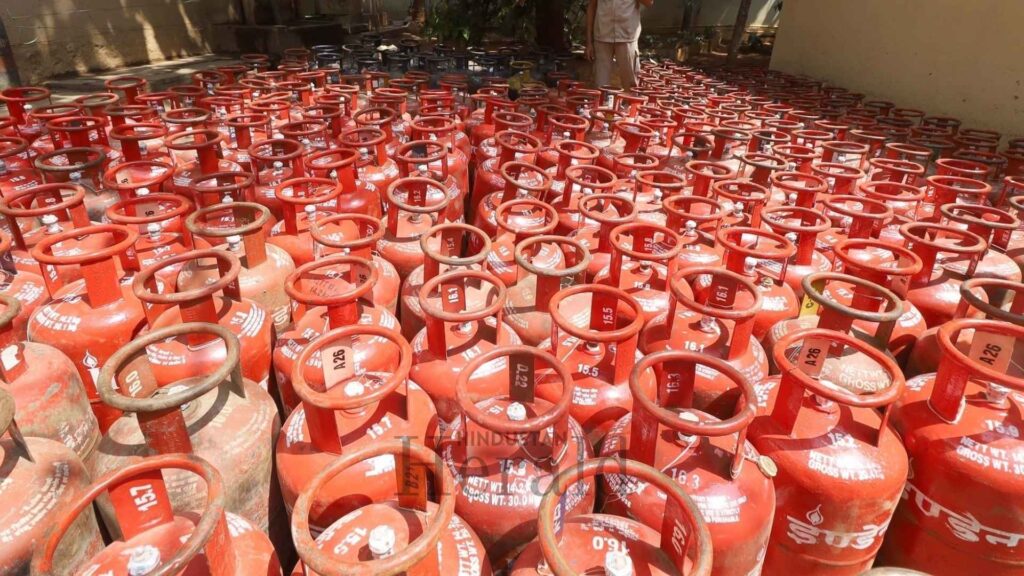
But crude oil is only part of the problem. The bigger, more immediate worry is LPG, the gas used to cook food in hundreds of millions of Indian homes. India imports about 60 percent of its LPG, and nearly 90 percent of those imports normally come through the Strait of Hormuz.
This is not a future risk. It is a present one.
HSBC has estimated a potential 25 percent shortfall in India’s natural gas supply. If the disruption lasts a full quarter, it could shave 25 basis points off India’s GDP growth. Public sector oil companies are currently absorbing most of the extra cost to keep retail fuel prices from rising, but that situation cannot last indefinitely.
The rupee has already fallen to a record low of Rs 92.45 against the dollar. MUFG Research has warned that if oil stays above $100 a barrel, the dollar-rupee rate could reach 95.50 by the end of the year. In a worst-case scenario, with oil at $120 and actual shortages, 97.50 is not out of reach.
For ordinary Indians, that means imported goods get more expensive, fuel subsidies strain the government’s finances, and inflation picks up even as growth slows.
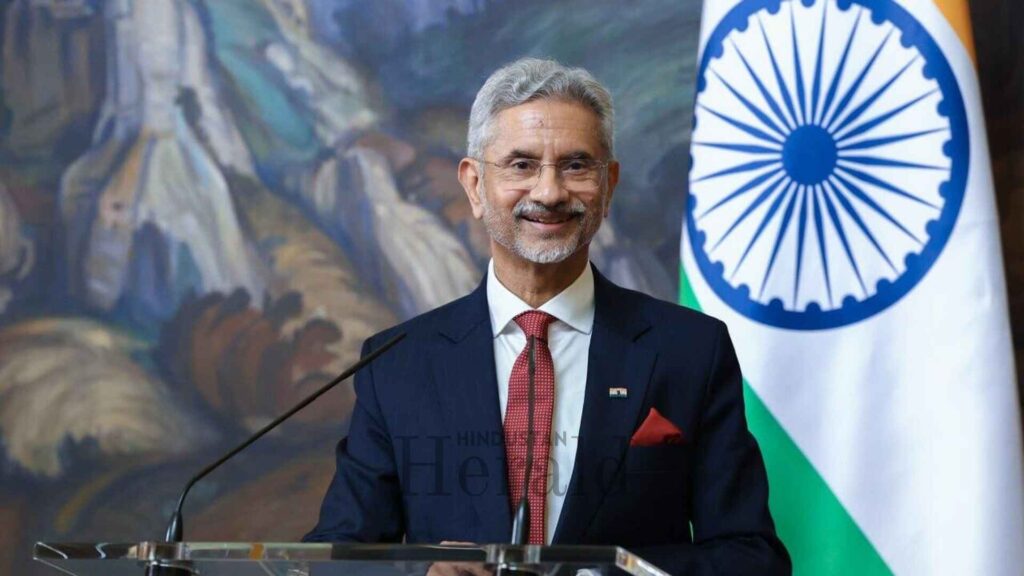
The government has not been idle. External Affairs Minister S. Jaishankar held direct talks with Iranian counterparts and secured safe passage for Indian LPG tankers. Iran’s ambassador to India stated publicly that India is a friend with shared interests. By mid-March, two Indian-flagged gas carriers and a Saudi tanker carrying one million barrels of oil destined for India had been allowed through.
That is a real diplomatic achievement. Still, it rests entirely on Iran continuing to treat India as a friendly neutral in a war where the sides are hardening fast.
The Bigger Picture: A Region on Fire
The conflict has long since stopped being a straightforward exchange between Iran and the U.S.-Israel alliance.
On Tuesday, Iranian missiles struck several parts of Tel Aviv, damaging buildings and killing at least four people. Israel’s David’s Sling aerial defense system suffered a malfunction, allowing two ballistic missiles to get through to the south of the country.
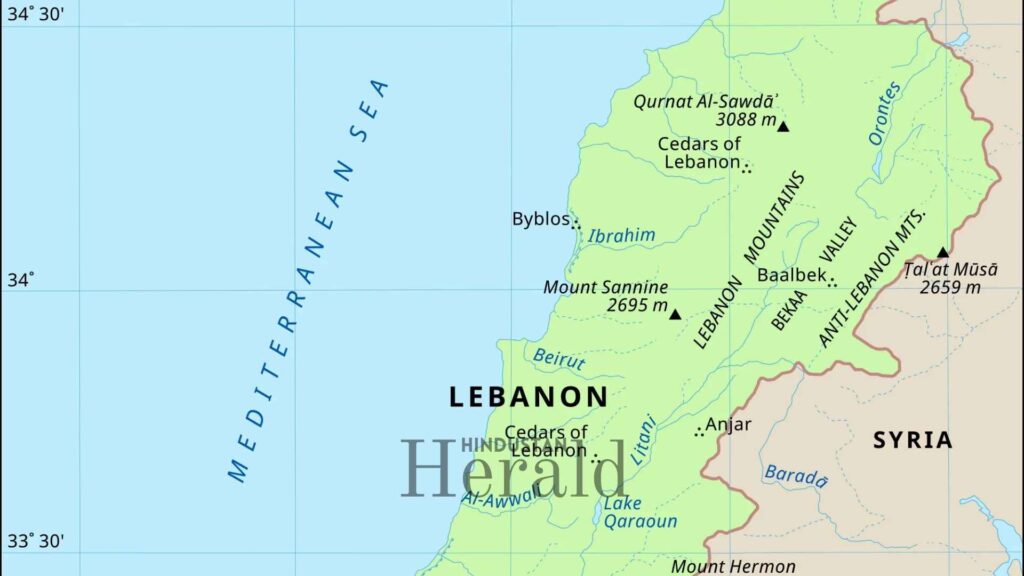
In Lebanon, more than one million people, roughly one-sixth of the entire country, have been displaced by Israeli strikes. Israel has been destroying bridges and infrastructure across the south, making it nearly impossible for aid to reach civilians. Lebanon made the extraordinary decision on Tuesday to declare Iran’s own ambassador persona non grata and order him to leave, a sign of how badly Tehran’s regional relationships have frayed since the war began.
In the Gulf, Saudi Arabia destroyed 19 Iranian drones targeting its Eastern Province in a single day. A drone hit a fuel tank at Kuwait International Airport. Missile sirens sounded in Bahrain. Thirteen American service members have died. Iran’s death toll is past 1,500 and climbing.
Even China, which has been broadly sympathetic to Iran, has started nudging Tehran toward talks. Foreign Minister Wang Yi called his Iranian counterpart Araghchi and said, simply, that “talking is always better than fighting.” When Beijing starts pushing for de-escalation, the message is usually that Chinese economic interests are being hurt badly enough to override diplomatic solidarity.
What Happens Next
The five-day window Trump announced for pausing some categories of strikes is ticking down. Trump has simultaneously approved the deployment of more than 1,000 soldiers from the 82nd Airborne Division to the Middle East, suggesting that whatever his public optimism, his military planners are preparing for the possibility that talks collapse.
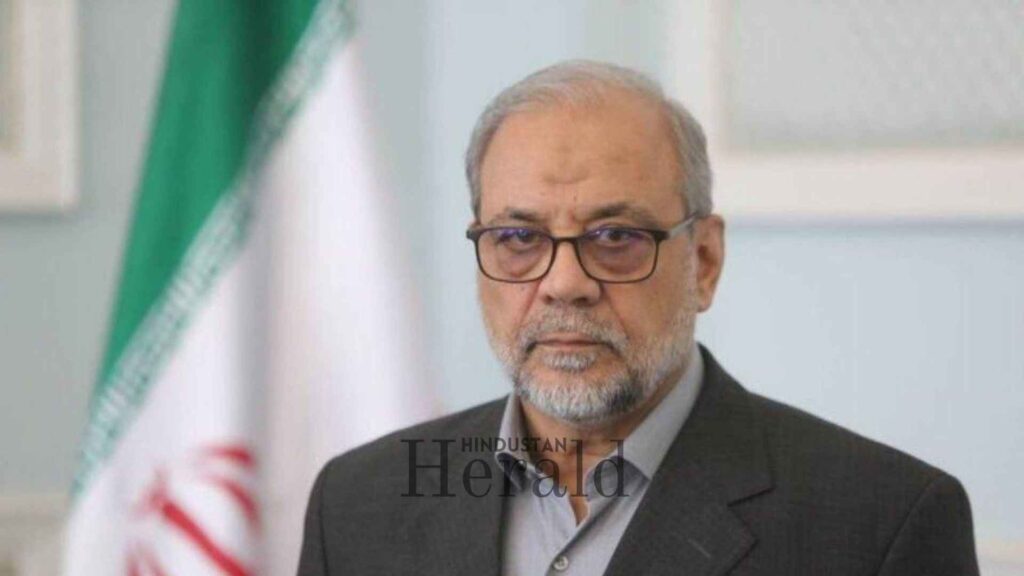
Iran has a new security chief. Mohammad Bagher Zolghadr has been appointed as the new head of the Supreme National Security Council, replacing Ali Larijani, who was killed in a U.S.-Israeli strike on March 17. The fact that Iran has continued to function as a coherent military and political entity despite losing its Supreme Leader and multiple senior officials is one of the most significant, and least discussed, facts of this war.
For now, the world is watching a five-day diplomatic window that nobody will officially acknowledge, a 15-point American peace plan that Iran has not confirmed receiving, and a global energy market that is one bad news cycle away from another leg upward in oil prices.
India sits in an uncomfortable but strategically important position in all of this. It has the relationships, the diplomatic record, and the direct economic motivation to push every party toward a settlement. Its voice at this moment, through New Delhi’s backchannel contacts in Tehran, Washington, Riyadh, and Islamabad, may matter more than most people currently appreciate.
The next 72 hours will tell a great deal about whether this war has a negotiated exit, or whether the region is about to enter an even darker phase.
Stay ahead with Hindustan Herald — bringing you trusted news, sharp analysis, and stories that matter across Politics, Business, Technology, Sports, Entertainment, Lifestyle, and more.
Connect with us on Facebook, Instagram, X (Twitter), LinkedIn, YouTube, and join our Telegram community @hindustanherald for real-time updates.

Specializes in South Asian geopolitics and global diplomacy, bringing in-depth analysis on international relations.
- Rajiv Menon

- Rajiv Menon
- Rajiv Menon
- Rajiv Menon




 Neeraj Kapoor