
 By Sandeep Verma and Rajiv Menon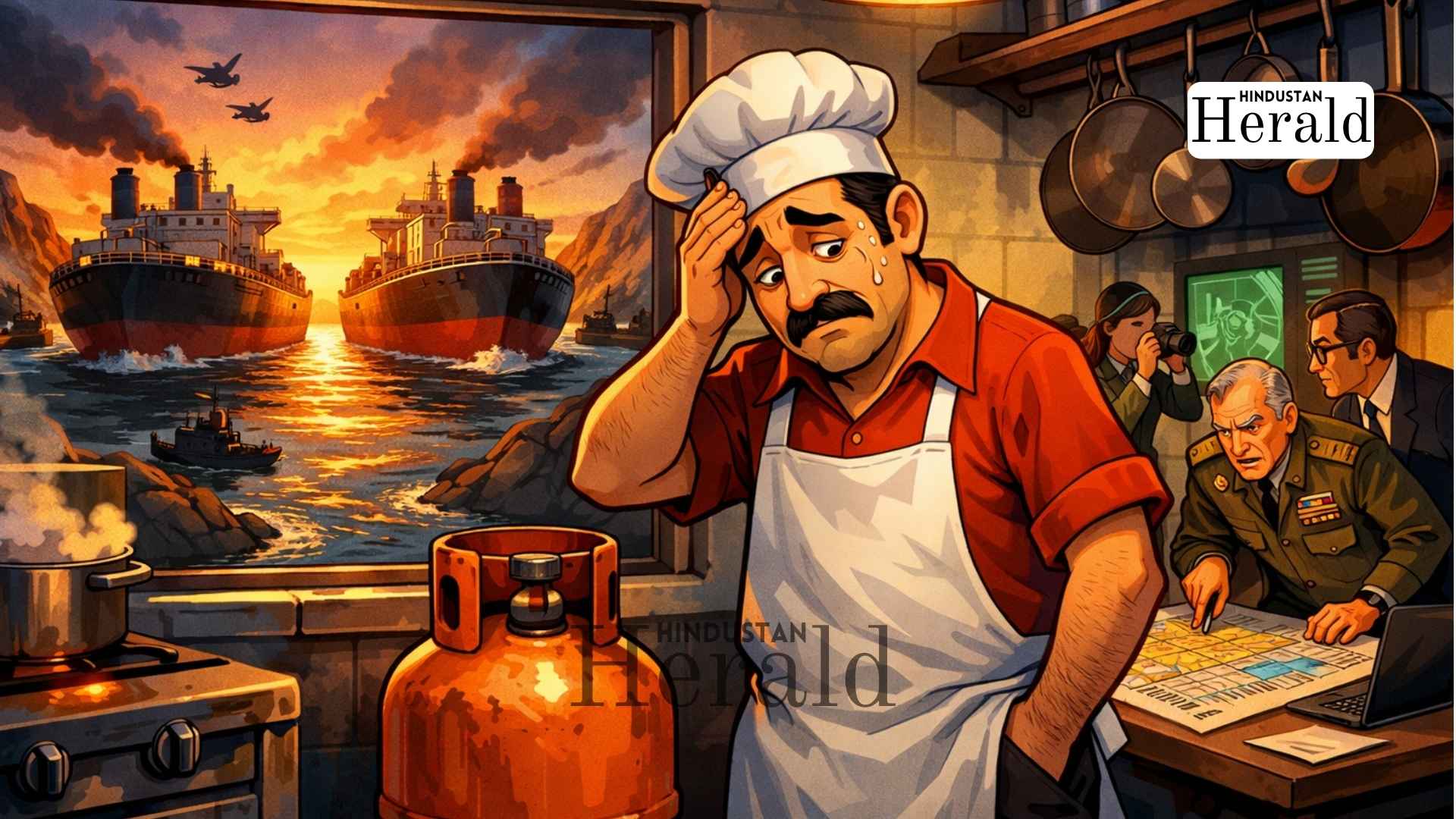
New Delhi, April 2: There is a small restaurant in Bengaluru that tells you everything you need to know about where India stands right now.

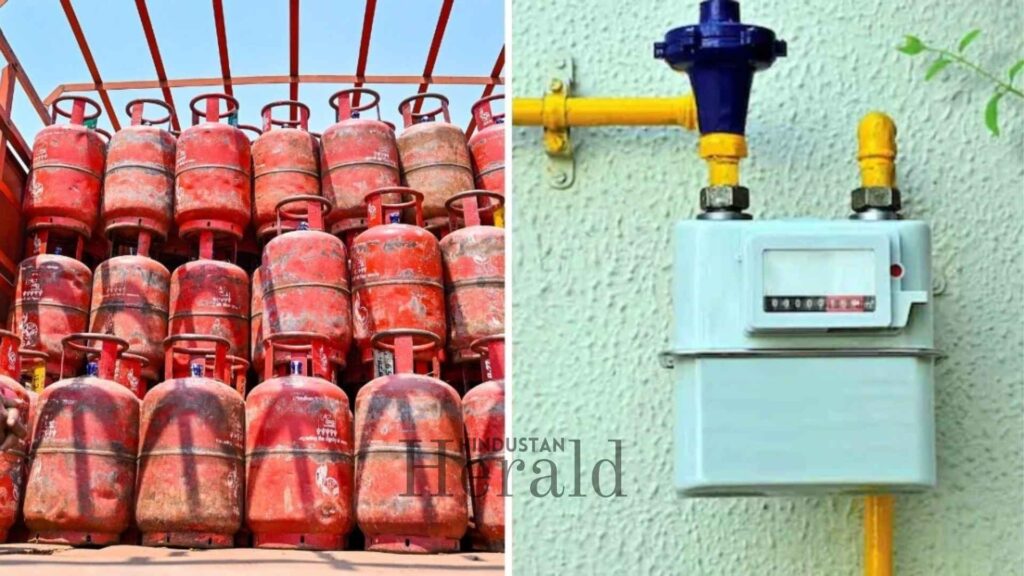
Kawaljeet Singh had just opened a new outlet of his popular Khadak Singh Da Dhaba on March 6. Six days later, he shut it down. Not because of bad food or poor footfall. Because there was no LPG to cook with.
India Energy Security
That one story, quiet and unglamorous, sits at the heart of what the government tried to address in the Lok Sabha this week. India is in the middle of an energy squeeze, it always knew was theoretically possible but never quite prepared for with full seriousness. And now that it has arrived, the Centre is moving fast, explaining its strategy to Parliament, joining international meetings, and reassuring a country that runs on cooking gas that the cylinders will keep coming.
Whether that reassurance holds is a different question altogether.
How Bad Is the Strait of Hormuz Problem for India
Start with the geography. The Strait of Hormuz is 33 kilometres wide at its narrowest point. It is also the route through which roughly 60 per cent of India’s LPG imports travel. When the US-Israeli strike on Iran in late February escalated into a broader regional conflict, that corridor effectively tightened. Ships stalled. Supplies slowed. And within days, commercial kitchens across the country began feeling it.
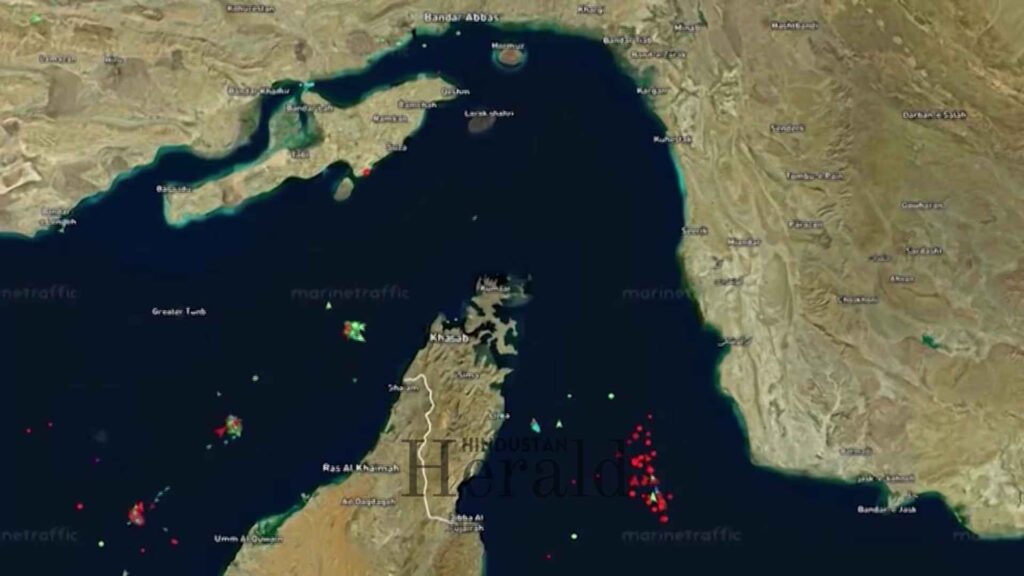
India imports about 60 per cent of all the LPG it consumes. Of that imported share, 90 per cent passes through the Strait. So when the Strait gets complicated, India does not have much room to manoeuvre. That is not a new observation. Parliamentary committees had flagged this exact vulnerability before. It just did not get the urgency it deserved until restaurants started posting on social media that they were closing because they had run out of gas.
The government’s response, laid out formally before the Lok Sabha, covers four main tracks. Each one addresses a different part of the problem.
US LPG and the Pivot Away From the Gulf
The most immediate shift has been on the import side. PSU oil marketing companies have secured contracts to bring in approximately 2.2 million metric tonnes of LPG from the United States for the calendar year 2026. That covers around 10 per cent of India’s total import requirement for the year.

Ten per cent sounds modest. But in the context of a supply chain that was almost entirely Gulf-dependent, it is a meaningful structural shift. The goal is not to replace Gulf supplies overnight. It is to reduce the portion of India’s energy lifeline that runs through one narrow, contested waterway. Every tanker that sails from a US port rather than a Gulf terminal is one less vessel that needs to navigate past the trouble zone.
That said, diversifying import origins takes time to fully embed. Shipping routes, contractual frameworks, and port logistics do not reconfigure in a fortnight. The 2.2 million metric tonne figure represents what has been locked in so far. Whether it scales further will depend on how long the Strait situation persists.
Refineries Turned Inward
On the domestic side, the government has taken a more direct approach. Every oil refinery and petrochemical complex in the country has been directed to channel its entire output of C3 and C4 hydrocarbon streams into LPG production. Propane and butane, to put it plainly. Both are feedstocks for LPG, and both were previously flowing into other industrial uses.
The reorientation has produced results. Domestic LPG output has been pushed up by somewhere between 36 and 40 per cent, depending on which official figure you use. The Ministry cited 40 per cent as the target in its Parliamentary briefing. Independent assessments put the current increase closer to 36 per cent. Either way, the direction is clear, and the numbers are not trivial.
This is the kind of lever that only works in a short-term crunch. Refineries cannot keep all their C3 and C4 output channelled into LPG indefinitely. Other industries need those feedstocks too. So this particular measure is buying time, not building a permanent buffer.
Clearing the Piped Gas Backlog
The third track is about reducing pressure on the cylinder supply chain by getting more commercial users onto Piped Natural Gas. Hotels, canteens, and restaurants have been prioritised. If they switch to PNG connections, they stop drawing on the same pool of commercial cylinders that is already under strain.
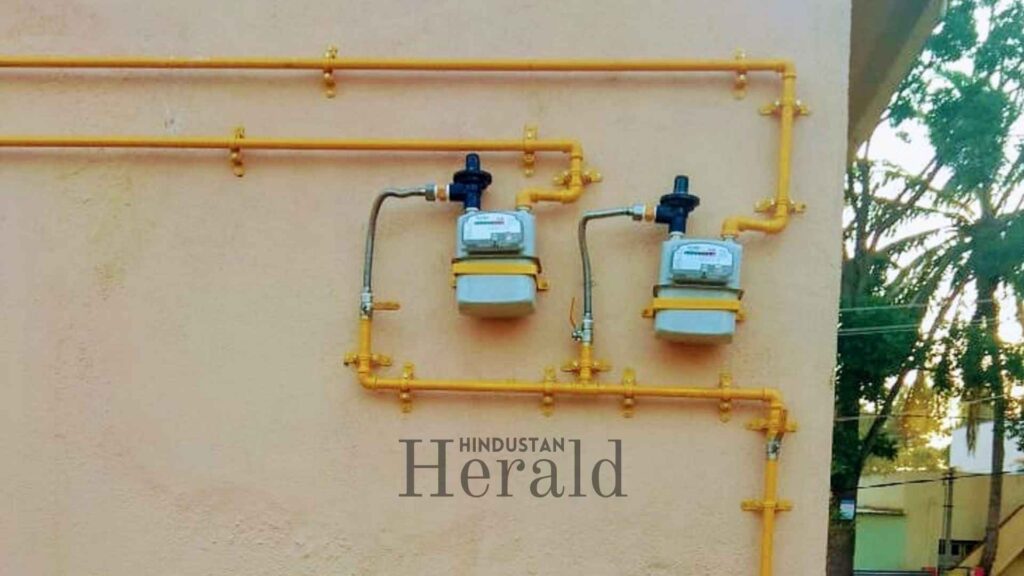
The mechanism being used here is worth noting. PESO, the Petroleum and Explosives Safety Organisation, has been told to clear all CGD-related applications within 10 days of receipt. That is a direct attempt to cut through the bureaucratic lag that has historically made PNG expansion slower than it should be. Whether field-level implementation keeps pace with the 10-day instruction is something worth watching. Regulatory timelines in India have a habit of existing on paper before they exist in practice.
The Strategic Reserve Gap Nobody Wants to Talk About
Here is the part of the story that does not sit as comfortably alongside the government’s reassurances.
India’s strategic petroleum reserve currently holds just over 53 lakh metric tonnes of crude oil, stored across three underground facilities at Visakhapatnam, Mangaluru, and Padur. The government has plans to expand that to 65 lakh metric tonnes. Petroleum Minister Hardeep Singh Puri told Parliament that when you combine strategic reserves with operational stocks held by refineries and oil companies, the total buffer covers around 74 days of consumption.
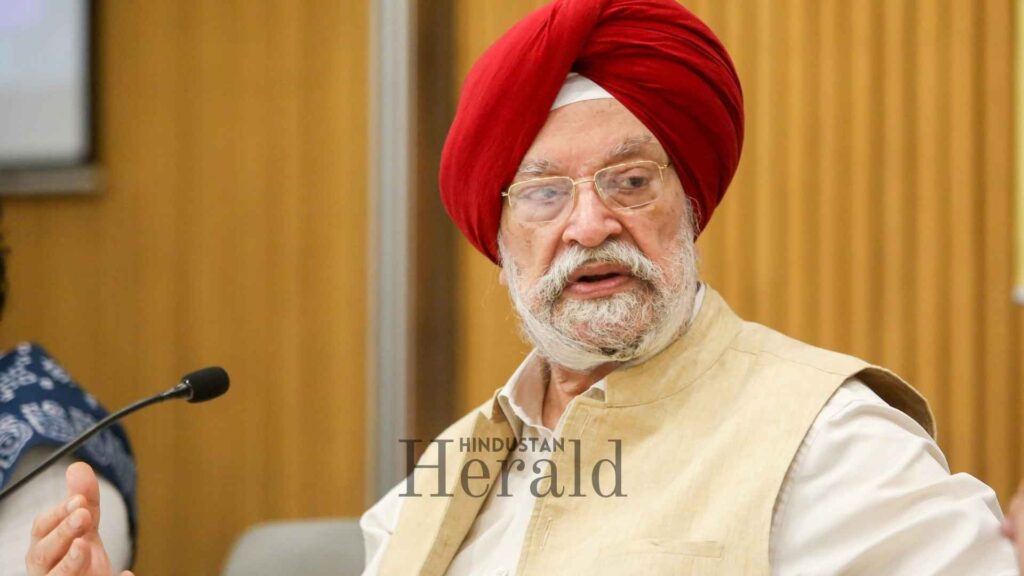
He also acknowledged the benchmark should be 90 days.
As it turns out, the gap between where India is and where it should be is not accidental. A 2024 Lok Sabha Standing Committee report found that India had filled only 67 percent of its existing cavern capacity. A Rs 5,000-crore budget allocation set aside in 2023-24 specifically for filling those reserves went entirely unspent. Nothing was allocated the following year either.
Compare that to China’s 1.3 billion barrels in reserve, or the 415 million barrels the United States holds in underground Gulf Coast salt caverns. India is the third-largest importer of crude oil in the world. Its reserves, by any honest accounting, do not reflect that standing.
This is not the government’s preferred talking point. Its preferred talking point is diversification. Prime Minister Narendra Modi, addressing the Lok Sabha on the conflict, noted that India now imports energy from 41 countries, up from 27 a decade ago. Minister Puri separately told Parliament that roughly 70 percent of India’s energy sourcing now comes from routes that do not pass through the Strait of Hormuz. Both figures are real. Neither one makes the reserve shortfall disappear.
India Energy Security: The Diplomatic Scramble
Alongside the domestic measures, India has been running a parallel track in diplomacy. On April 2, the Ministry of External Affairs confirmed that India would join a 35-nation meeting convened by the United Kingdom to coordinate efforts to reopen the Strait. Foreign Secretary Vikram Misri attended virtually. The group includes France, Germany, Japan, Canada, and the UAE.
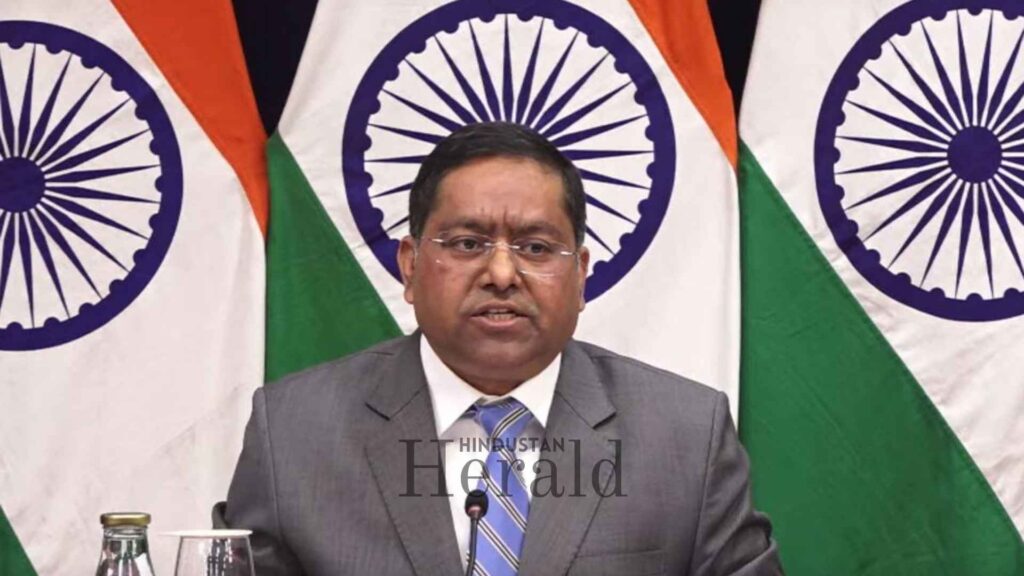
MEA spokesperson Randhir Jaiswal told reporters that India has been in direct contact with Iran and other regional actors to negotiate safe passage for Indian vessels. Through those conversations, six Indian ships have managed to cross the Strait safely in recent days. Two LPG tankers, Shivalik and Nanda Devi, both operated by the Shipping Corporation of India, made it through under Indian Navy escort.
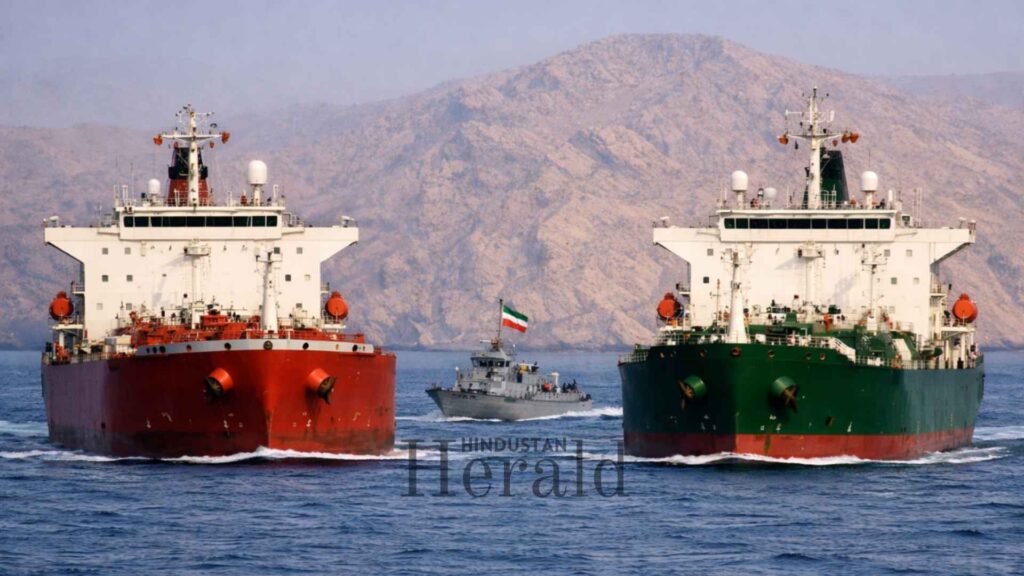
As of mid-March, 28 Indian-flagged vessels were still operating in the Persian Gulf, with 778 Indian seafarers onboard. A round-the-clock monitoring system has been set up to track their movements.
Opposition Pushback and the Rural Supply Problem
Congress MP Manish Tewari used the occasion to raise what he called a matter of urgent public importance. His concerns were grounded. He pointed to LPG delivery delays in rural areas, longer booking cycles, and the risk of fertiliser supply disruptions feeding into an agricultural crisis if the conflict continues.
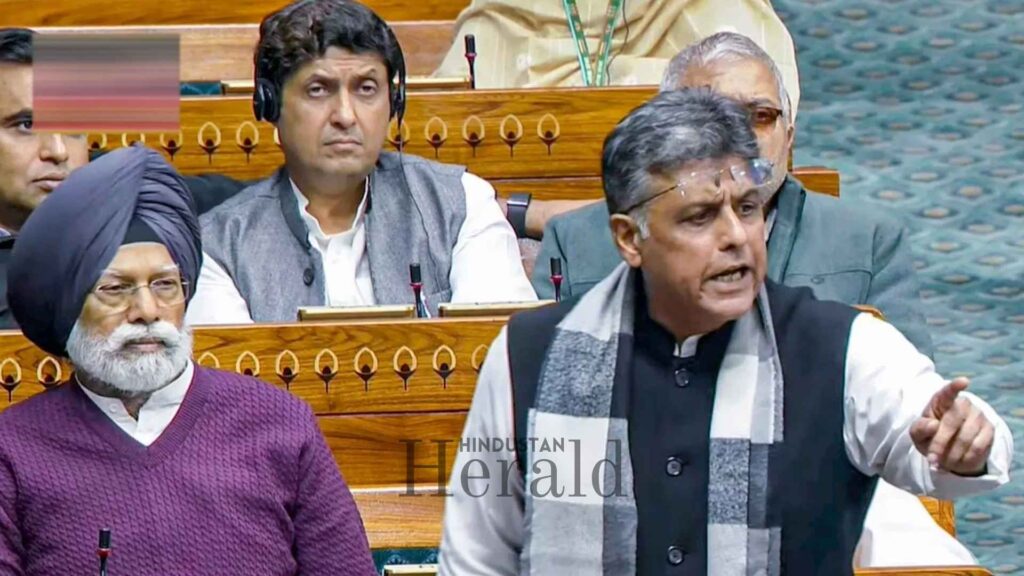
He also called out the government on diplomatic engagement, arguing that countries like Egypt, Turkey, China, and Pakistan appear to be doing more active mediation work than India at this stage. Whether that critique is entirely fair is debatable. But the underlying pressure it reflects is real. Rural households waiting longer for cylinders are not particularly moved by the government’s 41-country import diversification figures.
Ethanol, Green Hydrogen, and the Longer Game
In its Parliamentary briefing, the Centre also pointed toward the longer-term transition. Solar, wind, bioenergy, and green hydrogen were all mentioned as areas of active project development. The most concrete number in that space comes from ethanol blending. A decade ago, India’s ethanol blending in petrol stood at roughly 1.5 per cent. Today it is approaching 20 per cent, a figure the government has repeatedly cited as evidence that its medium-term diversification strategy has legs.
It does. Still, 20 per cent ethanol blending in petrol is a very different thing from energy security in the context of a major LPG supply disruption. The two tracks are real, but they are not the same track, and conflating them tends to obscure more than it clarifies.
What This Week Actually Told Us
India is managing the crisis. That is the honest summary of where things stand. The government moved quickly once the disruption hit. Refinery reorientation, US import contracts, PNG acceleration, naval escorts, diplomatic engagement. None of it was slow by the standards of bureaucratic response.
But managing a crisis and being prepared for one are different things. The reserve underfill, the single-corridor dependence that persisted despite years of warning, the PESO backlog that required an emergency 10-day directive to address. These were known problems. They just were not treated as urgent until a restaurant owner in Bengaluru found himself without gas six days after opening a new outlet.
For now, supplies are stabilising. The Strait negotiations are active. The government has its numbers in order and its ministers on the floor of the House.
The deeper question is what happens when the crisis passes, and the urgency fades. India’s energy committees have flagged the structural gaps. The budget allocations did not follow. That cycle, of clear-eyed assessment followed by insufficient action, is the one that actually needs to break.
Stay ahead with Hindustan Herald — bringing you trusted news, sharp analysis, and stories that matter across Politics, Business, Technology, Sports, Entertainment, Lifestyle, and more.
Connect with us on Facebook, Instagram, X (Twitter), LinkedIn, YouTube, and join our Telegram community @hindustanherald for real-time updates.

Regional journalist bringing grassroots perspectives and stories from towns and cities across India.
- Sandeep Verma

- Sandeep Verma
- Sandeep Verma
- Sandeep Verma





Specializes in South Asian geopolitics and global diplomacy, bringing in-depth analysis on international relations.
- Rajiv Menon
- Rajiv Menon
- Rajiv Menon
- Rajiv Menon




 Arun Upadhayay
  Shelesh Joshi and Rajiv Menon