
 By Ananya Sharma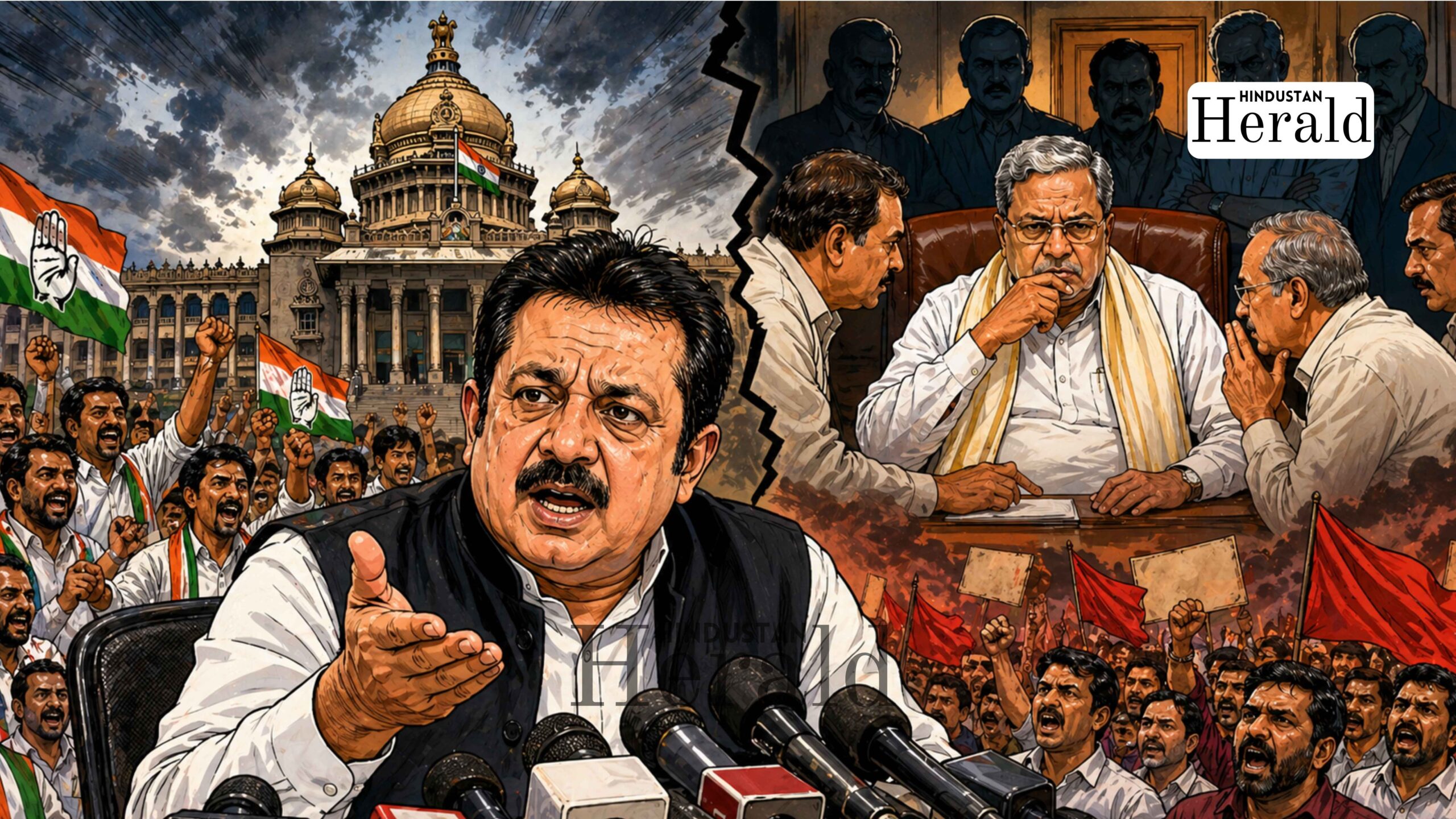
Bengaluru, April 25: There is a particular kind of political survival instinct that does not announce itself. It works quietly, through press conferences and careful words, through allies who take the fall and meetings that drag on for two hours behind closed doors. Zameer Ahmed Khan has been demonstrating that instinct rather vividly over the past fortnight, and Karnataka’s political watchers have been taking notes.
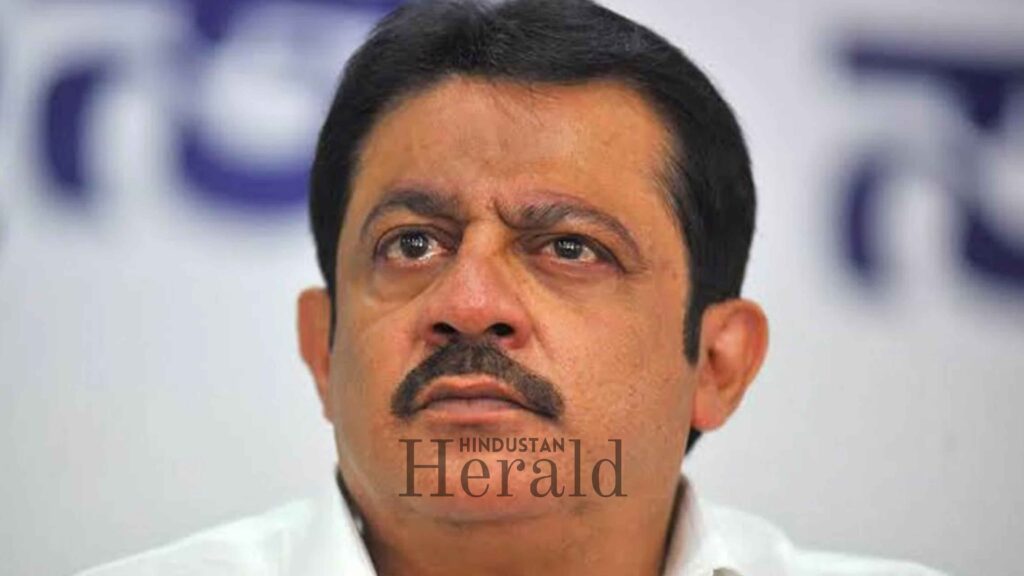
The Housing and Waqf Minister is, depending on who you ask, either a victim of internal conspiracy or the man who engineered one. What is not in dispute is that the Karnataka Congress has a serious problem on its hands and that Zameer sits right at the centre of it, camera-ready and carefully worded, showing up at one press conference after another while the ground shifts beneath him.
It Started With a Bypoll Nobody Wanted to Lose
The Davanagere South bypoll was supposed to be routine. It was not.
Before the election was announced, Zameer had reportedly pushed within party circles for a Muslim candidate to be given the ticket. He later owned this position publicly, though with the kind of framing that politicians reserve for situations where they need to be honest without being accountable. Addressing reporters in Bengaluru, he maintained that he had been transparent and had openly expressed his views during a KPCC meeting, clarifying that he did not specifically propose the name of K. Abdul Jabbar for the constituency but had suggested the ticket could go to any one among seven Muslim aspirants.
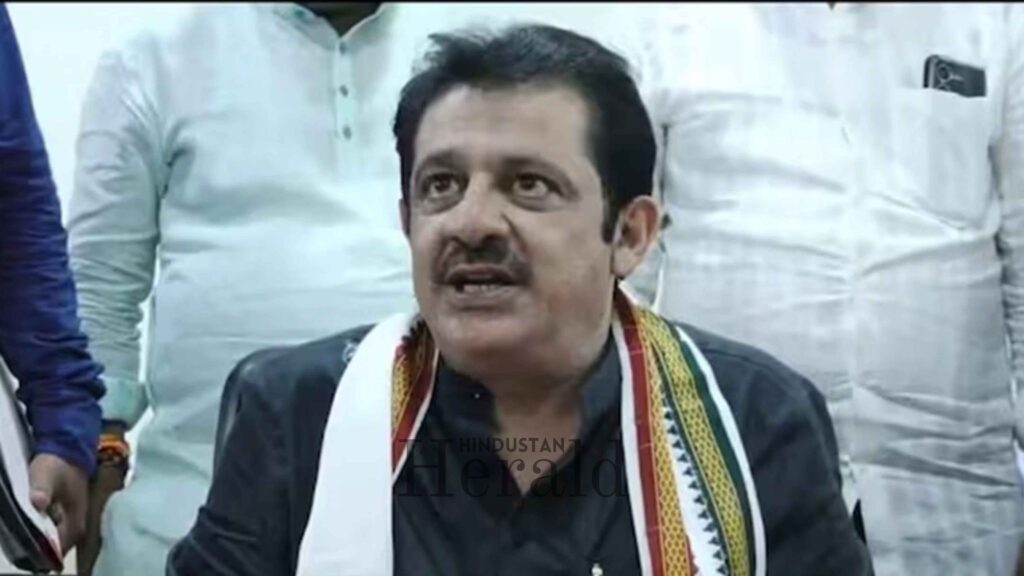
That is a careful distinction. It is also the kind of distinction that party insiders tend to read right through.
What happened next depends entirely on which version of events you find more believable. Congress insiders say both Naseer Ahmad and Abdul Jabbar are identified with the Siddaramaiah camp and are considered close to Zameer Ahmed Khan. With a cabinet reshuffle reportedly around the corner, sources claim that Zameer, likely to lose his ministerial position, attempted to project himself as a supreme leader of the Muslim community and allegedly conspired to foment a rebellion in the Davanagere South constituency against the party candidate.
The alleged logic here is worth sitting with for a moment. Sources state that Zameer, along with MLCs Jabbar and Naseer Ahmad, allegedly conspired and funded efforts to ensure the defeat of the Congress candidate to send a message to the party high command that his leadership is crucial for securing Muslim votes in the state. In other words, lose the seat, keep the minister. It is cynical, if true. It is also not an unusual calculation in Indian state politics.
Zameer says none of it happened. He says he was in Kerala on party duty.
The Punishments Come, and So Does the Anger
The KPCC did not wait around. MLC Abdul Jabbar was suspended from primary membership for engaging in anti-party activities. MLC Naseer Ahmad was relieved from his post as Chief Minister’s Political Advisor. Both men are widely understood to be Zameer’s people within the party apparatus, and nobody in Bengaluru’s political circles pretended otherwise.
The fallout from outside the party came fast and loud. At a press conference at the Bengaluru Press Club, Mohammad Iftikhar Qasim, a religious leader and member of the Hajj Committee, questioned why action was being taken only against Muslim leaders, charging that the community is deeply angered and upset. He alleged that for the sake of a by-election and one family, the Congress has turned the entire Muslim community against itself.
That phrase landed hard. It was designed to.
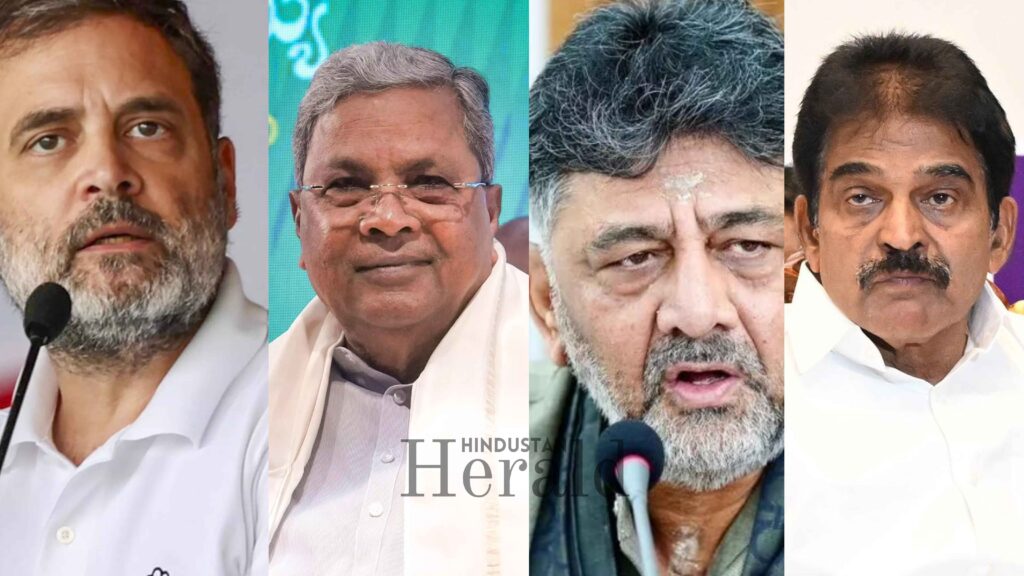
The organised response went further. Representatives of major Muslim organisations, associations, and unions from across Karnataka issued a joint letter to top Congress leaders, including AICC President Mallikarjun Kharge, Rahul Gandhi, Chief Minister Siddaramaiah, Deputy Chief Minister DK Shivakumar, and senior figures including KC Venugopal, Randeep Singh Surjewala, Dr Syed Nasir Hussain, and Imran Pratapgarhi. That is a long list of names to address in a single letter. It signals that whoever drafted it wanted no room for anyone to claim they had not been told.
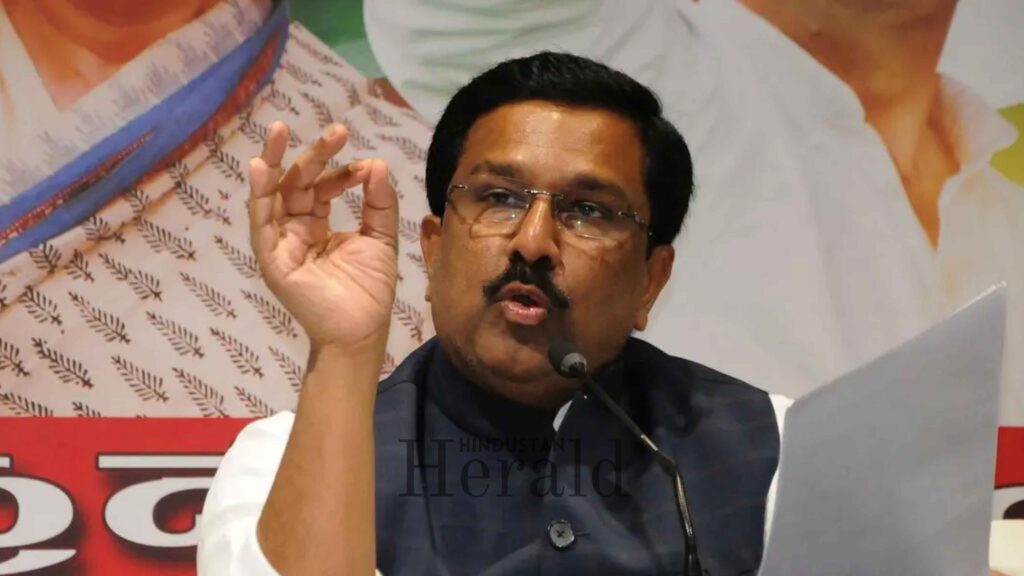
The Ulema Board then weighed in with arithmetic that the Congress cannot afford to ignore. Islamic religious leaders Maulana Mufti Sayeed Ibrahim, Zakirulla Saheb, and Maulana Hazarat Salaludfin said that though Karnataka has a 14 percent Muslim population, only two ministerial berths have been allotted to the community, while Lingayats have been given 14 ministerial berths. They warned that if Congress continues to treat the community this way in the future, they may have to think of alternatives.
Whether that threat is electorally credible is a separate question. For now, it is politically loud, and that is enough.
Zameer at the Microphone, Again
Through all of this, Zameer has kept showing up in front of cameras. Each appearance is composed, measured, occasionally edged with something that looks like quiet defiance. He is not the kind of politician who retreats when under pressure. He is, if anything, more visible.
He clarified that he does not see himself as the supreme leader of the Muslim community, dismissing speculation about his political ambitions. He walked reporters through his movements in some detail he was assigned duties in Kerala until April 7, returned earlier as directed by the Chief Minister, sought permission from party leadership, and briefly visited Davanagere before returning to his assigned responsibilities. The level of specificity felt like a man constructing an alibi in real time, though that may be an uncharitable reading.

He also questioned whether anyone had directly named him in allegations of anti-party activity, and admitted there was dissatisfaction among local Muslims over the ticket denial but said the issue had been resolved.
That said, the meeting with the Chief Minister told a story that the press conferences could not entirely bury. Following Naseer Ahmad’s removal, Siddaramaiah held a two-hour meeting with Zameer and asked him to personally clarify his role in the alleged anti-party activities during the Davanagere South by-election. Two hours. With your own Chief Minister. That is not a conversation that happens because things are fine.
Zameer subsequently urged the party to follow due process before taking action against leaders a statement that reads, on the surface, as a principled position, and underneath as a clear signal that he is prepared to push back if it comes to that.
The Older Wound Underneath
None of this emerged from nowhere. There is a longer backstory to how Karnataka Congress manages or mismanages its relationship with Muslim political representation, and Zameer’s current crisis cannot be properly read without it.
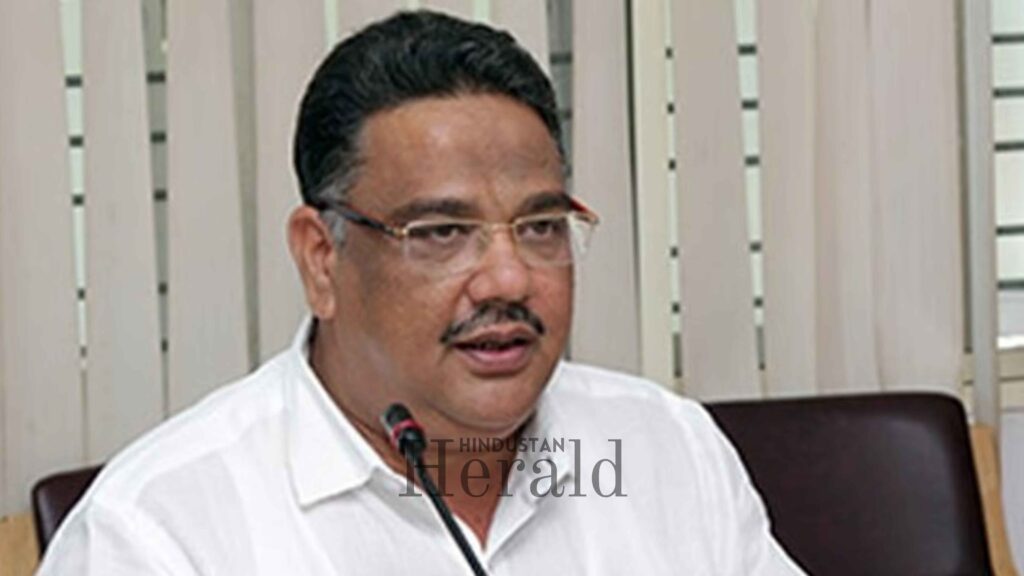
After the formation of the Congress government in the state, six-term MLA Tanveer Sait from Mysuru district was sidelined, and Zameer Ahmad Khan was inducted into the cabinet. One Muslim leader was moved aside so another could come in. The community noticed. Sait’s supporters noticed. And when Zameer now finds himself potentially on the way out ahead of a cabinet reshuffle, that earlier episode casts a long shadow.
The Ulema Board’s warning about ministerial representation is not just about Zameer. It is about a pattern that predates him and will likely outlast him too. They said Muslims are the ones who will decide the leaders who should sit in the third floor of the Vidhana Soudha, and that the Congress should stop presuming that the community’s political future depends entirely on them.
That is a different kind of claim than what Zameer has been making. He is arguing for his personal indispensability. They are arguing for structural change. The two positions overlap, but they are not the same thing, and the Congress has been careful not to fully engage with either.
What the Press Conferences Are Really About
Here is the thing about Zameer’s ongoing media appearances: they are not really addressed to the public. They are addressed to the AICC. Every careful denial, every assertion of Muslim unity, every pointed comment about due process these are signals sent upward, to the people in Delhi who will decide whether he stays in the cabinet or not.
The subtext is consistent across every appearance: act against me and see what it costs you with the community. It is a calculated play, and it has a decent chance of working, because the Congress genuinely cannot afford to alienate Muslim voters in Karnataka ahead of whatever elections come next.
Muslim leaders at the Ulema Board press conference said they will not tolerate the efforts of a few people to divide Muslims, even as the Congress navigates pressure from within and outside the party over the Davanagere developments.
For now, Zameer remains in the cabinet. His allies have been punished; he has not. The Chief Minister has heard him out. The AICC has a report. And the press conferences continue, each one a little more pointed than the last, each one carrying the same message dressed in different clothes.
The real negotiation over portfolios, over who speaks for Muslim Karnataka, over whether the Congress’s dependence on minority votes will ever translate into something more durable than two cabinet berths is happening somewhere that cameras cannot reach. The press conferences are just the part of it that the public gets to see.
Stay ahead with Hindustan Herald — bringing you trusted news, sharp analysis, and stories that matter across Politics, Business, Technology, Sports, Entertainment, Lifestyle, and more.
Connect with us on Facebook, Instagram, X (Twitter), LinkedIn, YouTube, and join our Telegram community @hindustanherald for real-time updates.

Covers Indian politics, governance, and policy developments with over a decade of experience in political reporting.
- Ananya Sharma

- Ananya Sharma
- Ananya Sharma
- Ananya Sharma




 Sandeep Verma
  Arun Upadhayay