
 By Neeraj Kapoor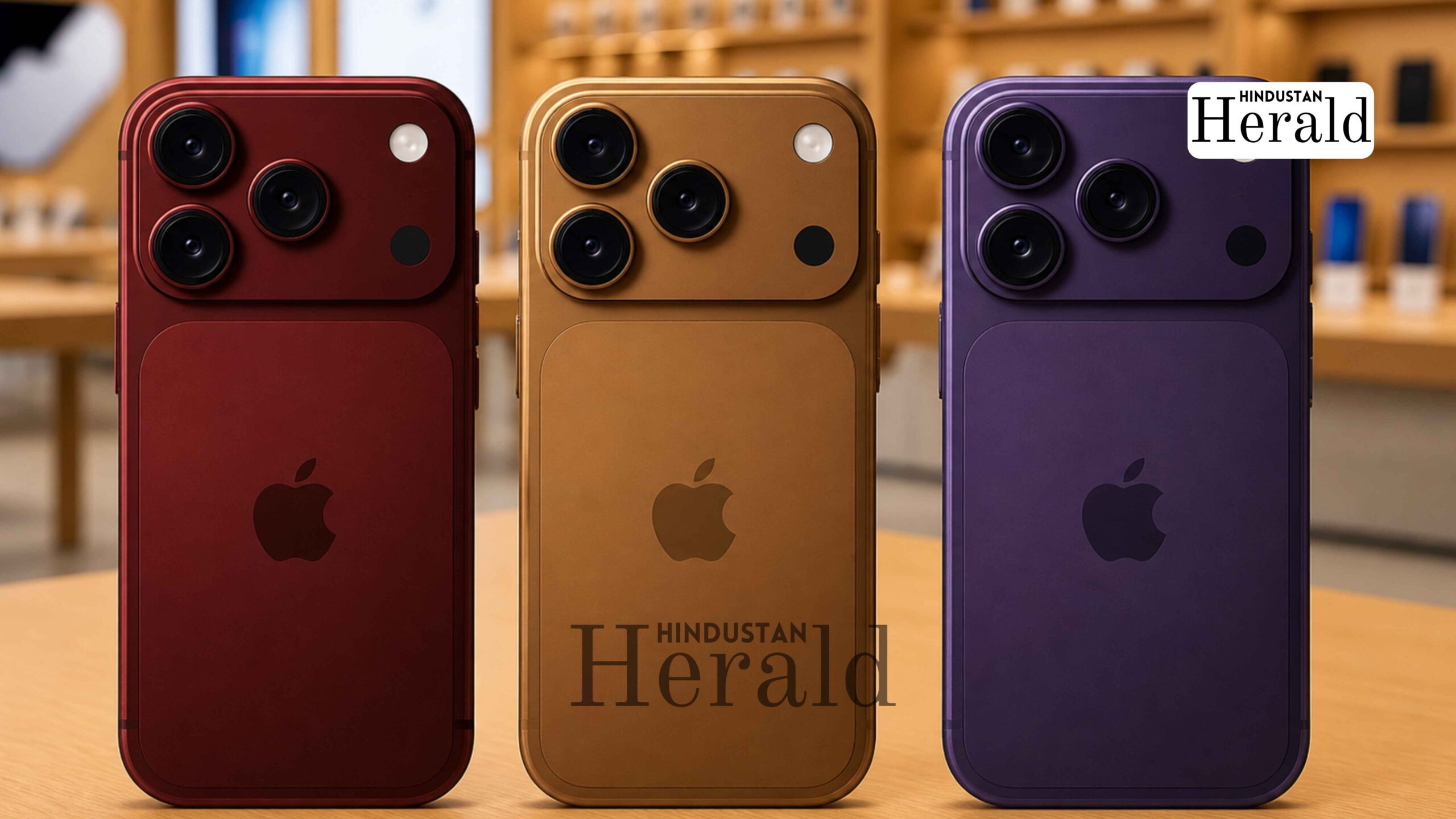
New Delhi, May 3: Nobody really needed another reason to talk about Apple. The company has a way of pulling the conversation back to itself even in years when nothing dramatic is happening. But the iPhone 18 is shaping up to be something different. Not a tweak. Not a refresh with a better camera number in the spec sheet. If even half of what is circulating from supply chain sources turns out to be accurate, this could be the first iPhone in several years that actually forces people to think seriously about upgrading.
That is a harder sell than it sounds. People are holding their phones longer. The two-year upgrade cycle that carriers and Apple both quietly depended on has quietly died, replaced by a market where someone with an iPhone 14 or 15 looks at the latest model and decides they can wait another year. Apple knows this. The iPhone 18 reads, at every level of its reported design, like a direct response to that problem.
The Design Has Gotten Thinner, Again
The chassis is reportedly slimmer this time around, particularly on the Pro and Pro Max models. Sources speaking to MacRumors and 9to5Mac have pointed to a profile that brings the thicker Pro variants closer to what the standard models look like, which sounds like a minor detail until you hold both in your hands and notice the difference immediately.
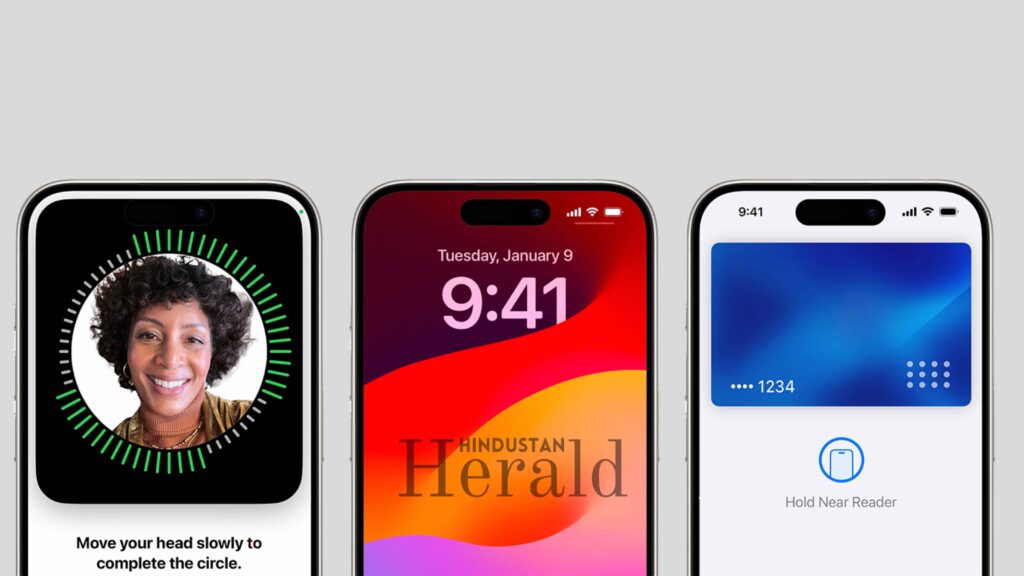
Under-display Face ID is the more interesting rumour, though it remains firmly in the unconfirmed column as of now. Some reports suggest Apple has been working toward this for the Pro lineup specifically. Whether it makes it into the final product is genuinely unclear. Apple’s track record on rumoured features is mixed. Things that seem certain in April sometimes quietly disappear before September.
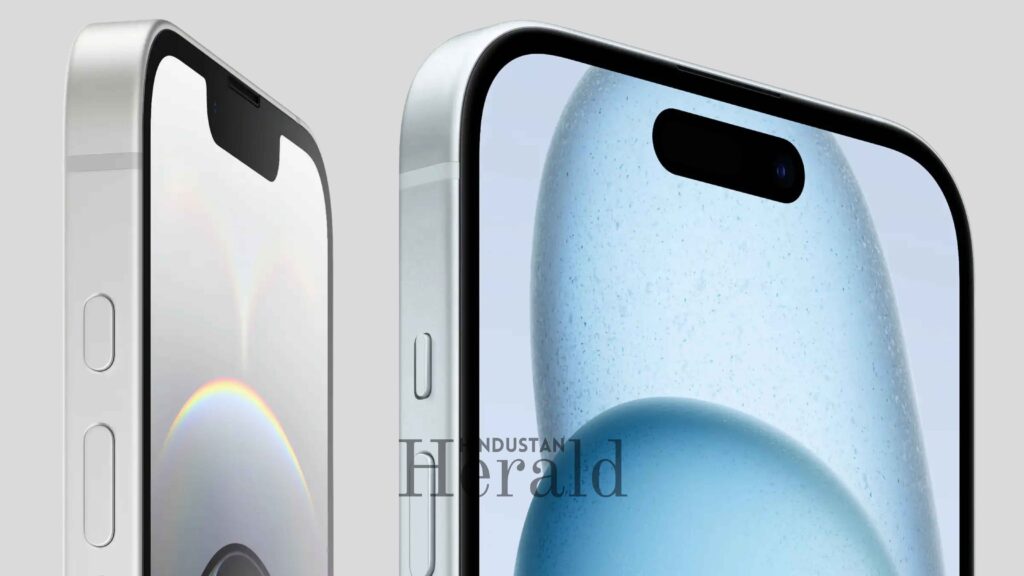
What appears more settled is the continuation of the Dynamic Island approach across all four models in the lineup, which represents a visual consistency the previous few generations lacked.
The Colour Story Is Worth Paying Attention To
Apple’s colour choices rarely get the analytical attention they probably deserve. These are not arbitrary marketing decisions. The palette Apple selects signals something about who it thinks is buying the phone, how they want to be seen, and what kind of product category the iPhone is trying to occupy in any given year.
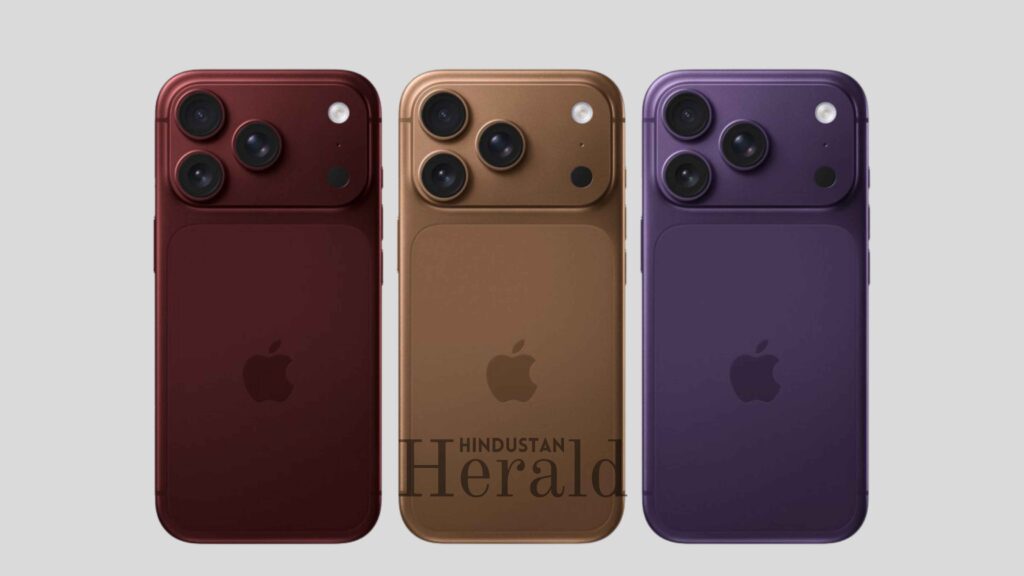
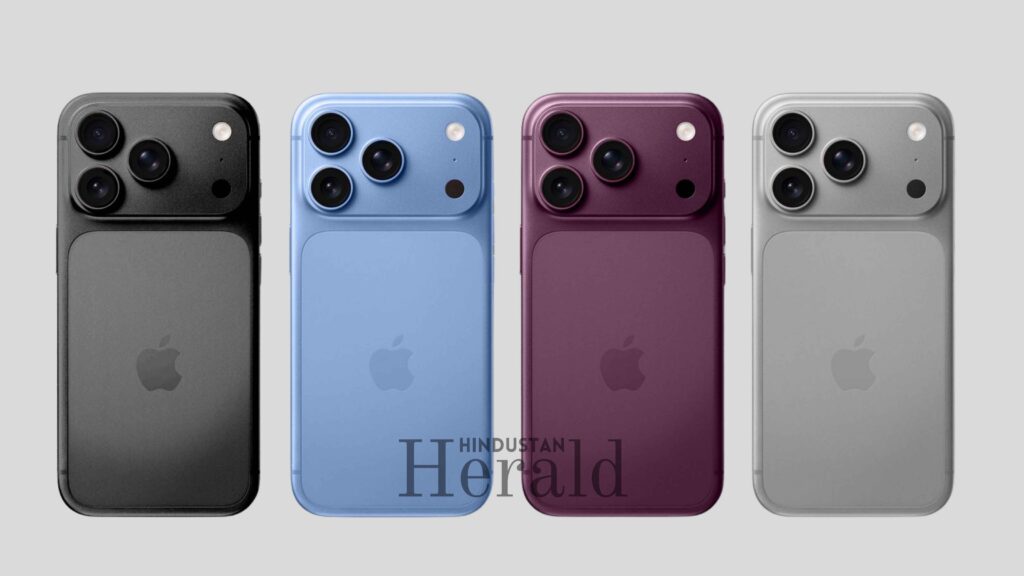
This year, according to Bloomberg’s Mark Gurman, Apple has been working internally around a direction described as “Colours of Verity” – grounded, honest tones rather than the punchy candy colours that have come and gone over recent cycles. Warm stone. Deep forest green. Something close to dusty terracotta. These are colours that are easier to live with for two or three years. They do not demand to be noticed. That is entirely deliberate.
It is a shift that mirrors what has happened in premium fashion and consumer goods more broadly, where the loudest option in the room has gradually given way to something more restrained and considered. Whether this resonates with buyers in markets like India, where bolder colours have historically moved well, will be worth watching.
The A20: This Is the Real Story
Everything else about the iPhone 18 is interesting. The A20 chip is the part that actually matters.
Apple is moving to TSMC’s next-generation node, going beyond the 3nm class architecture that powered the A17 Pro and the A18 family, into what is being described as a sub-2nm process. The numbers get complicated quickly and the marketing around chip generations has a habit of outrunning what consumers actually feel in daily use. But this transition is significant in a way that goes beyond benchmarks.
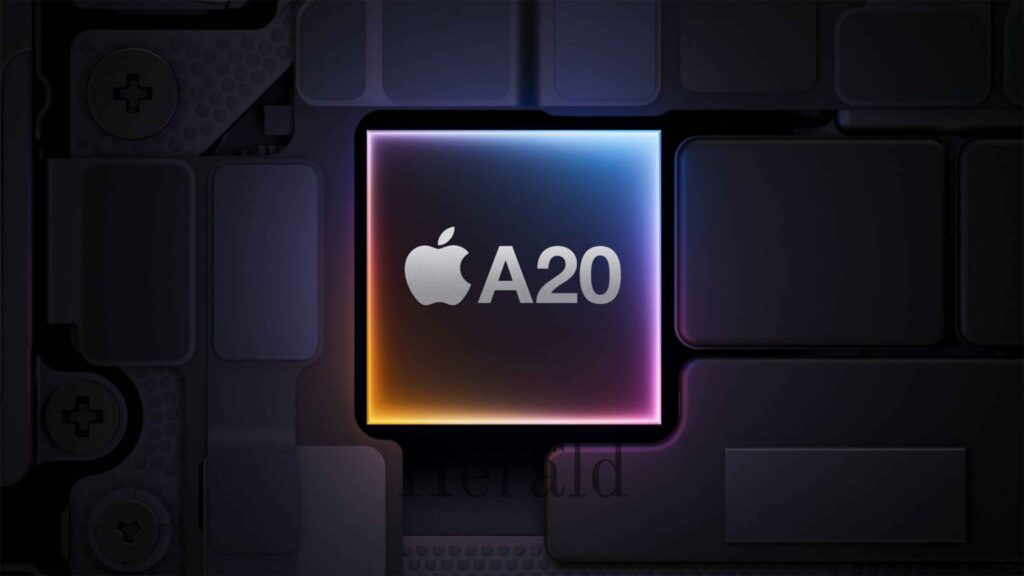
The Neural Engine inside the A20 is reportedly built to run Apple Intelligence models substantially faster, and more importantly, to run far more of that processing entirely on-device. That second part is the one that matters to a lot of people who have been quietly sceptical about AI features that route their data through remote servers. Apple has been making the privacy argument for years. The A20 is apparently the hardware that starts to make it genuinely credible rather than just a talking point.
As reported by The Verge and TechCrunch, the chip will also feature a more capable dedicated ray tracing accelerator, which sounds like a feature built for gaming enthusiasts but has real implications for video production and computational photography as well.
Still, it is worth being clear about something. Chip announcements are where optimism concentrates. The gap between what silicon can theoretically do and what an average person notices while checking messages and taking photographs is real and persistent. Apple’s strength has always been software-hardware integration, and that will determine more than any process node number.
A Camera System That Finally Addresses Some Long-Standing Gaps
The camera improvements reported for the Pro variants are the kind of list that photographers will read carefully.
A larger main sensor. Better low-light performance. A variable aperture on the telephoto lens, which would be a genuine first for Apple and something Android competitors have been offering for a couple of years now. Variable aperture gives you physical control over depth of field and exposure in a way that software simulation cannot fully replicate. It is a meaningful capability, not a feature invented for the spec sheet.
8K video capture at high frame rates is being reported for the Pro Max, according to MacRumors and Bloomberg. The iPhone has already appeared in commercial film productions. 8K would accelerate those conversations significantly, particularly as post-production pipelines catch up to that resolution.
The ultrawide camera, which Apple has historically treated as the lesser sibling in its three-lens arrangement, is also reportedly due for genuine attention this cycle. Improved autofocus, a wider maximum aperture. These are the kinds of updates that do not make headlines but change how useful the camera is in practice, day to day.
Display and Everything Else
ProMotion adaptive refresh is expected to reach the standard and standard-plus models for the first time, something buyers at lower price points have been waiting for since Apple introduced the feature on the Pro line.
Peak brightness improvements are in the works too, with the Pro Max reportedly targeting numbers that would make the phone genuinely comfortable to use in direct sunlight without theatrics. This is an area where several competing devices have pulled ahead, and Apple’s display team has clearly been paying attention.
There are also, at the more speculative end of things, reports of expanded satellite connectivity features. Apple introduced emergency SOS via satellite with the iPhone 14 and has been building on it steadily. The iPhone 18 may extend those capabilities in ways that add low-bandwidth messaging options in areas with no cellular coverage. That would be a meaningful real-world feature for travellers, particularly in geographies like India where cellular dead zones are still common outside major urban areas.
On Price and Availability
The iPhone 18 is expected to land sometime in September, following the rhythm Apple has maintained for years. Starting prices will reportedly track close to the iPhone 17 series, though that may not hold for the Pro tier, where the cost of the new TSMC node and the more complex camera hardware gives Apple reasons to adjust upward.
In India, the math will look familiar. Import duties and GST push the landed price of Apple’s flagship devices well above their international equivalents. Apple’s expanding local manufacturing footprint, through assembly operations in Tamil Nadu and Andhra Pradesh, has taken some edge off that gap, but the Pro Max will still be a decision requiring thought rather than impulse.
Supply of the Pro Max specifically has been a recurring point of friction at launch in recent years. Reports suggest Apple is managing production more carefully this cycle to avoid the allocation problems that frustrated buyers in some markets after the iPhone 16 and 17 launches.
Does It Add Up?
Taken together, the iPhone 18 is the most capable iPhone Apple has ever built. That sentence has been accurate every single year for over a decade, which is precisely why it has started to lose some of its force.
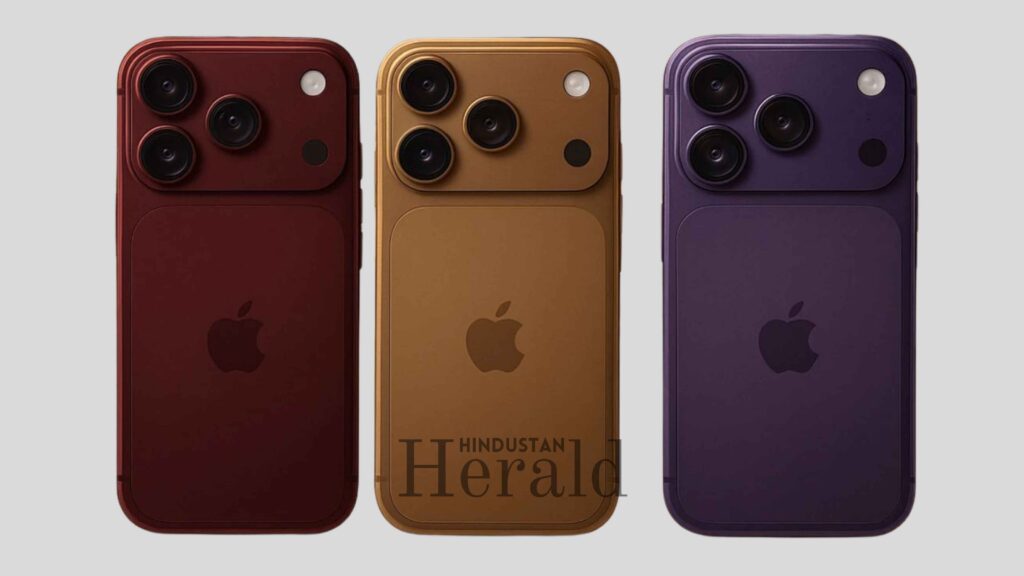
What is different this time is the combination of factors converging at once. A chip designed around making AI features private, fast, and genuinely local. Camera hardware that finally addresses variable aperture, a gap relative to Android flagships that was becoming harder to ignore. A colour direction that treats the phone as something you live with rather than show off. And a display story that broadens the better features to more of the lineup.
Whether that combination convinces the person holding an iPhone 14 to actually upgrade is the only question that matters commercially. The answer will show up in Apple’s fourth quarter earnings, and it will say something clear about whether hardware ambition alone is still enough to move the market.
For now, the reporting points toward an Apple that is pushing harder than it has in a while. That, at minimum, is worth watching.
Stay ahead with Hindustan Herald — bringing you trusted news, sharp analysis, and stories that matter across Politics, Business, Technology, Sports, Entertainment, Lifestyle, and more.
Connect with us on Facebook, Instagram, X (Twitter), LinkedIn, YouTube, and join our Telegram community @hindustanherald for real-time updates.

Tech writer passionate about AI, startups, and the digital economy, blending industry insights with storytelling.
- Neeraj Kapoor

- Neeraj Kapoor
- Neeraj Kapoor
- Neeraj Kapoor




 Kavita Iyer and Neeraj Kapoor