
 By Ananya Sharma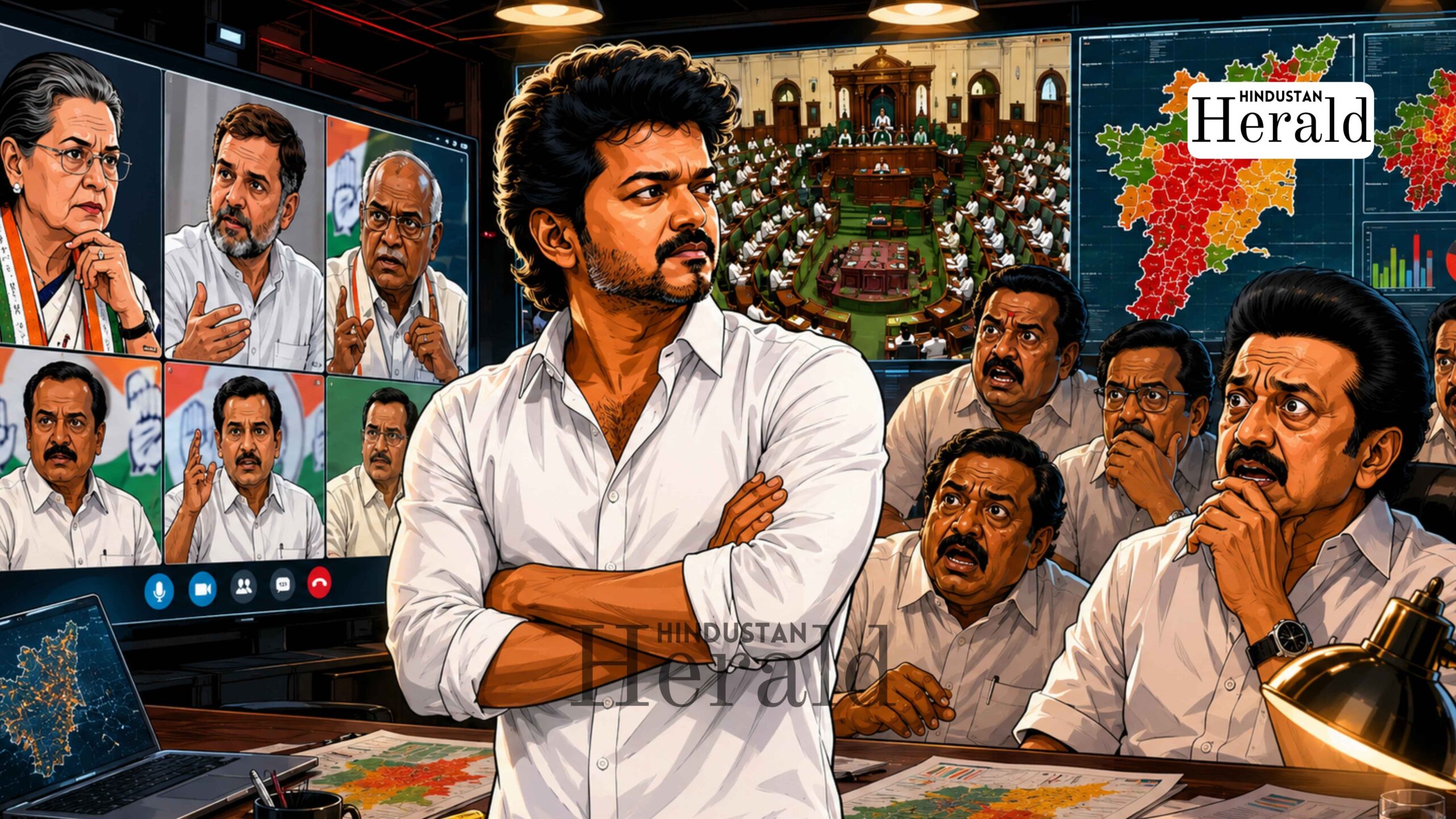
Chennai, May 6: Nobody saw it coming in quite this way not with a Zoom call, not in the middle of the night, and certainly not with the DMK still counting its wounds from one of the most humbling election results in the party’s recent history.
But that is exactly how it ended. Decades of alliance politics between the Indian National Congress and the Dravida Munnetra Kazhagam, the kind of partnership that had survived seat-sharing brawls, ideological friction, and more than one near-collapse, came apart on a Tuesday night while most of Tamil Nadu was still processing its own shock at the election results.
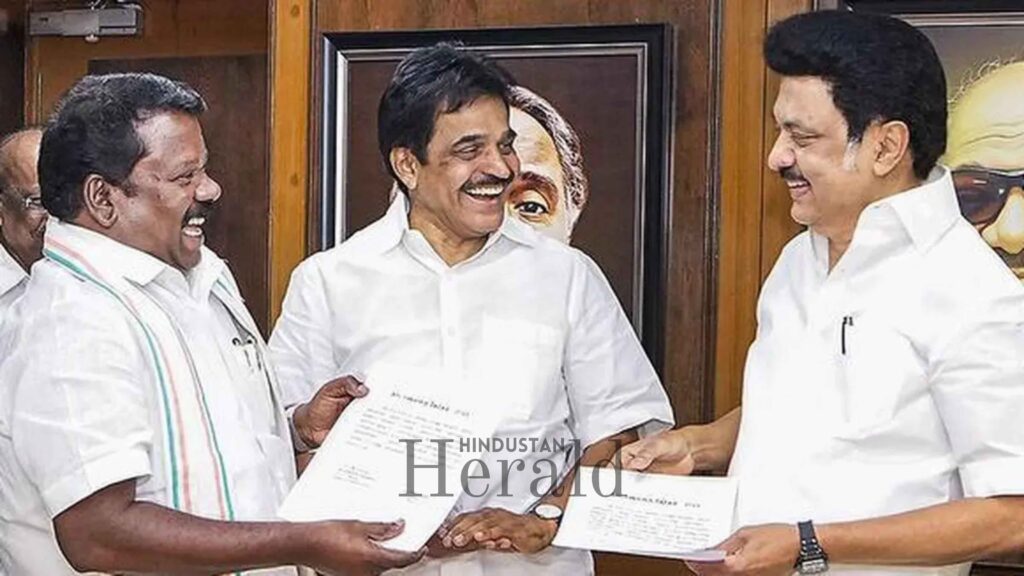
The Tamil Nadu Congress Committee’s Political Affairs Committee met urgently, convened on Zoom by AICC in-charge Girish Chodankar, and by the time the call ended, the decision was unanimous. Congress would back Vijay and his Tamilaga Vettri Kazhagam (TVK) to form the next government. Not the DMK. Not M.K. Stalin. The new guy. The actor who launched his party barely two years ago and just won 108 seats in his first-ever election.
The Result Nobody Had Fully Prepared For
Go back to April 23. Tamil Nadu voted. And then, on May 4, when the results came in, the state simply stared at the numbers.
The TVK won 108 seats in a 234-member house that requires 118 to form a majority. The DMK, which had been running the state government and went into the election as the incumbent, was reduced to 59 seats. Its broader Secular Progressive Alliance managed 73 in total. The AIADMK, the other establishment giant, fared even worse. None of it was in the script.
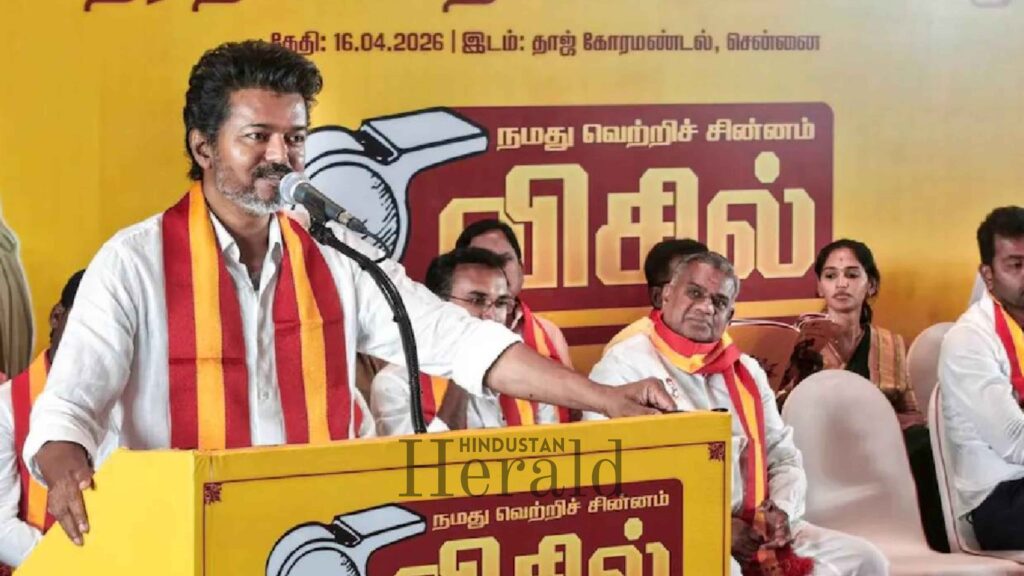
For the first time in Tamil Nadu’s post-Independence history, the assembly returned a hung verdict. No single party or alliance crossed the majority mark. Voter turnout hit 85.1 percent a number that broke all previous records in the state, surpassing even the landmark 2011 figure of 77.8 percent. That kind of participation should have produced a definitive outcome. Instead, it produced the most uncertain one imaginable.
For Vijay, the result was a record of its own. TVK became the first party led by an actor-turned-politician to win the single largest bloc of seats in its debut assembly election since M.G. Ramachandran did something similar in 1977. That context matters. MGR went on to become one of the most dominant political figures Tamil Nadu has ever produced. Whether Vijay follows that arc is still an open question. Right now, he is 10 seats short of a majority and negotiating with parties that, not long ago, would have dismissed him as a celebrity vanity project.
The Letter, the Zoom Call, and a Very Late Night
Vijay wrote to Congress president Mallikarjun Kharge directly, requesting support for government formation. He also, notably, invoked the name of K. Kamaraj in his political messaging the towering Congress leader from Tamil Nadu whose legacy the party still treats with reverence. That reference was not accidental. It was a hand extended across history, and Congress took it.
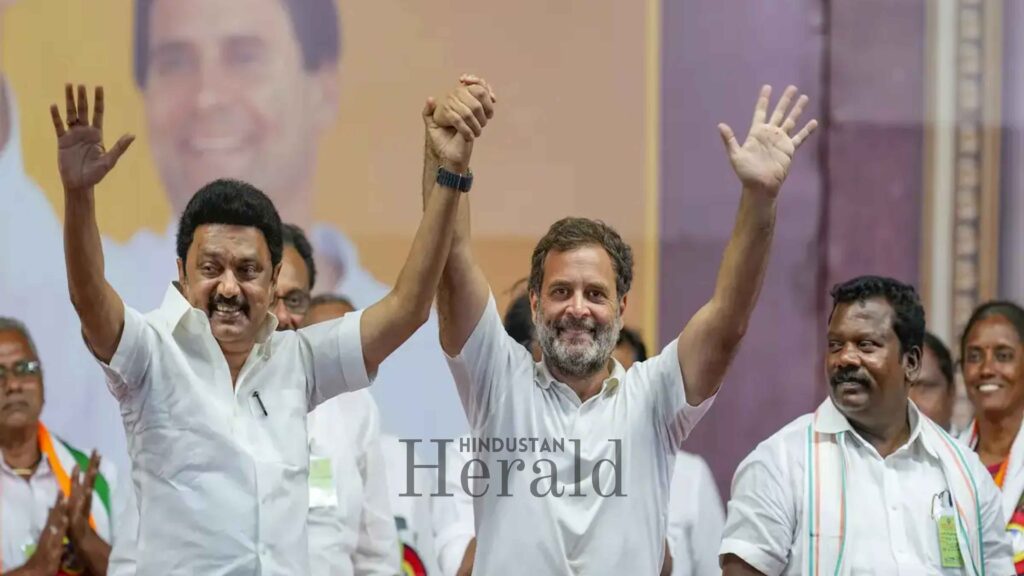
Senior leaders met at Kharge’s residence on Tuesday evening. Rahul Gandhi was there. Chodankar was there. By the end of that meeting, the central leadership had given the state unit a clear signal make the call, keeping Tamil Nadu’s sentiments in mind.
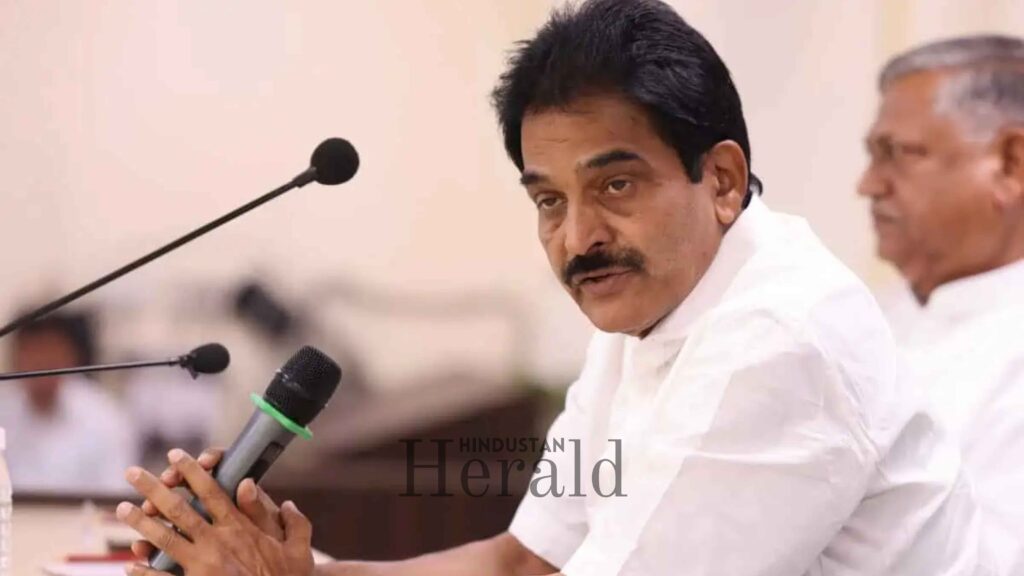
Hours later, the Zoom call. Then the announcement. Congress General Secretary K.C. Venugopal had already framed the party’s public position carefully, saying the mandate in Tamil Nadu was for a secular government and that “neither the BJP nor a proxy government should be formed.” When Chodankar confirmed the support formally, he attached a condition: TVK must keep out “communal forces that do not believe in the Constitution of India.” That language was specific. It was a fence erected against any possibility of Vijay bringing the BJP or its allies into the tent.
That condition reflects a real anxiety inside parts of the Congress. A section of the state leadership had been quietly warning that if AIADMK or NDA constituents ended up as coalition partners alongside Congress in a TVK government, it would hand the BJP a narrative weapon that could damage the party’s secular standing across the country.
What the DMK Said, and How It Said It
The DMK did not absorb this quietly.
DMK spokesperson Saravanan Annadurai went straight for the jugular. In remarks to PTI, he called it a backstab not once but repeatedly, as if saying it twice made it more accurate. “They have backstabbed the people of Tamil Nadu. They’ve backstabbed the mandate given by the people of Tamil Nadu,” he said. He added that the Congress decision came before the ink had dried on the returning officer’s signatures on victory certificates. That is not a metaphor. That is the DMK saying: you could not even wait 48 hours.
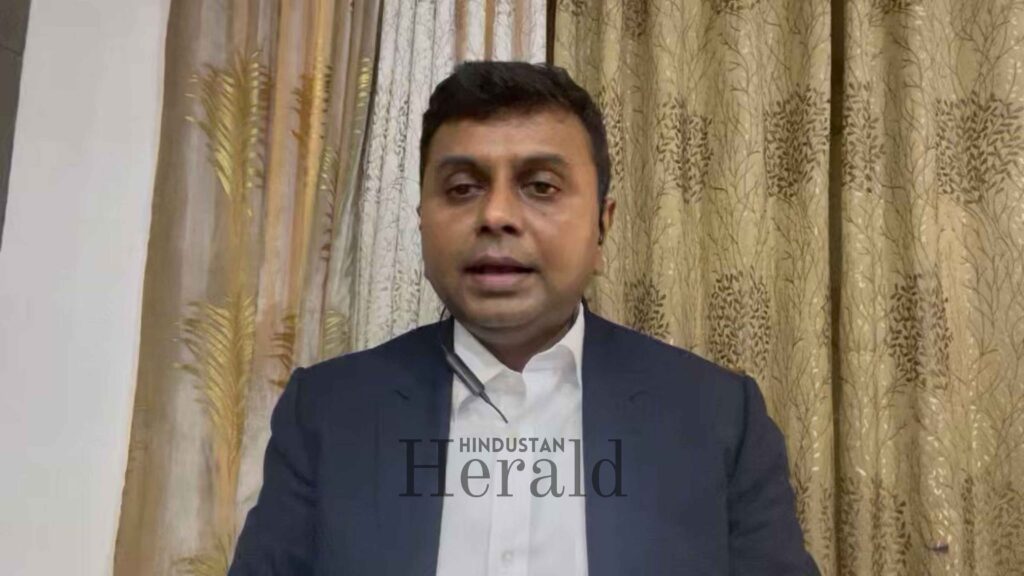
Annadurai also alleged that Vijay, after the results, “first thanked Modi.” It was a jab clearly designed to plant a specific idea that Vijay’s secular credentials are performance, not principle. Whether that allegation holds up under scrutiny is another matter. But in politics, the allegation often travels faster than the fact-check.
For Stalin, this is painful in ways that go beyond electoral arithmetic. The DMK built its entire recent national positioning around being the backbone of the INDIA Alliance in the South. It swept all 39 Lok Sabha seats in Tamil Nadu in the 2024 general election alongside Congress. That result felt like a vindication of the coalition model. Now, barely two years later, Congress has walked away in his own state. That is not just a political setback. It is a rebuke that will follow Stalin into every future conversation about INDIA bloc strategy.
This Was Not a Surprise to Anyone Paying Attention
The truth is that the signs had been there for over a year. They were not subtle.
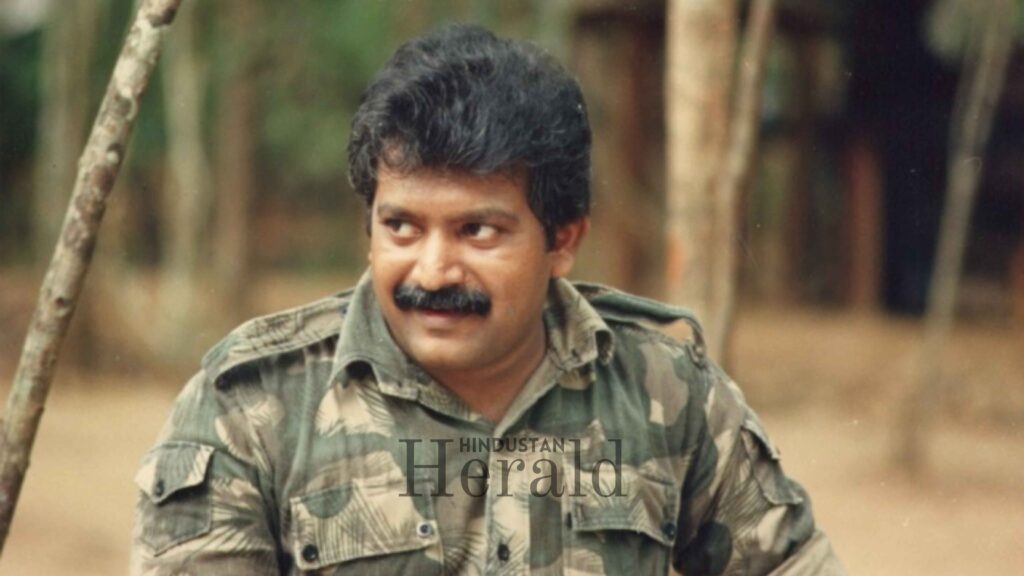
In January 2026, the entire Congress contingent boycotted a DMK-led public rally in Tiruchi the launch of Vaiko’s awareness march citing the use of LTTE leader V. Prabhakaran’s photograph in the MDMK’s publicity material. That boycott landed like a statement. It told the DMK, in front of the cameras, that the alliance had conditions and Congress was not afraid to enforce them publicly.
Seat-sharing talks were worse. Reports from early 2026 painted a picture of increasingly acrimonious negotiations, with Congress demanding more constituencies and a role in government, and the DMK refusing to budge. The bitterness from those discussions never really healed. The alliance fought the election together but not exactly as one.
There were also the flirtations senior Congress figures holding meetings with TVK leaders, public statements from within the TNCC about switching sides, internal debates that somehow always ended up in the press. The DMK watched all of it and said nothing publicly that suggested it took the threat seriously enough. That may have been a mistake.
Congress now acknowledges, in the way political parties do when they are simultaneously embarrassed and relieved, that it burned its bridges with the DMK through the manner in which the TVK talks were handled. The pre-election flip-flops were messy. The optics were not great. But the deal is done.
The Bigger Picture Nobody Wants to Talk About Directly
At the national level, this puts the INDIA Alliance in an uncomfortable place. The bloc was always a coalition of competing interests held together by a shared desire to limit the BJP’s dominance. The DMK-Congress axis was its Southern anchor. That anchor has now come loose.
Congress backing TVK does not end the INDIA Alliance on paper, but it introduces a fracture that opposition leaders will spend the next several months trying to paper over in public while nursing real grievances in private. The DMK now has legitimate cause to question what Congress loyalty is worth at the national negotiating table. That question will not disappear.
For the BJP, watching from the outside, this is an opening. Tamil Nadu has remained remarkably resistant to the party’s political penetration compared to the rest of the country. But a fragmented opposition, a new government still finding its feet, and a DMK reduced to third-place status that is a landscape the BJP will study very carefully ahead of the 2029 general elections.
Vijay’s New Problem
Winning 108 seats is the easy part. This is Vijay’s first real test of governance, and he enters it in a minority position, dependent on parties that have their own calculations and conditions.
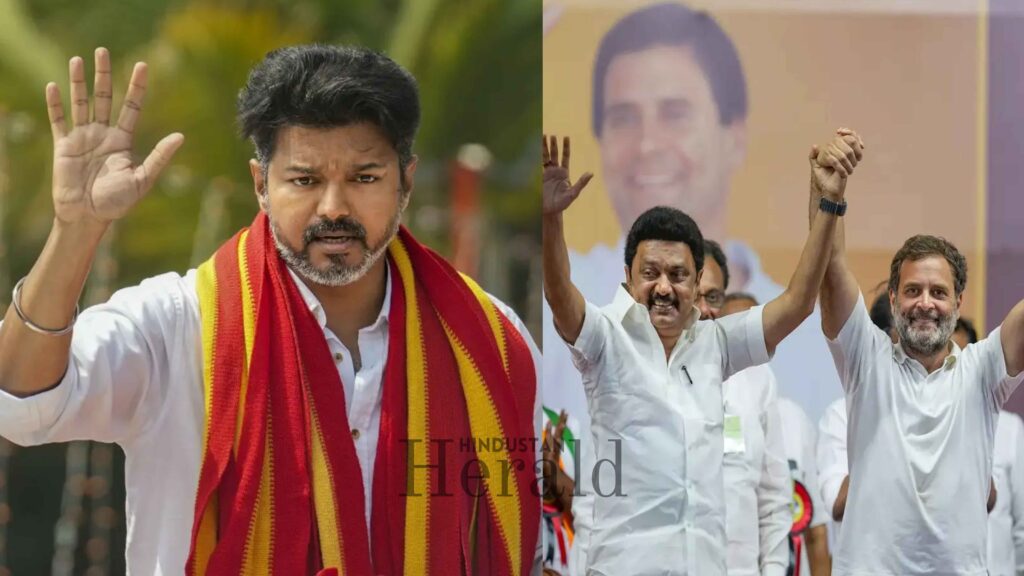
Congress has set its terms. AIADMK talks are reportedly underway, and whether that party joins the government will determine whether Tamil Nadu’s incoming administration is a lean coalition or a more complicated arrangement with competing power centres. Every partner added to a minority government brings additional leverage and additional instability.
Vijay rode a wave built on youth energy, anti-incumbency against the DMK, and an extraordinary voter turnout. Converting that into stable governance means building structures and systems he has never had to build before. His party is two years old. Most of his newly elected MLAs have no legislative experience. The learning curve is steep.
That said, governing from a position of political novelty has its advantages. Expectations are, in some ways, recalibrated. And Vijay enters office without the accumulated baggage of decades in power the corruption allegations, the party feuds, the compromises that grind down older outfits.
A State Watches, and Waits
Tamil Nadu has seen political upheaval before. It survived the MGR era, the Jayalalithaa years, the slow erosion of the AIADMK, and the DMK’s own return to power in 2021. Each transition reshaped the state’s political culture in ways that were not fully visible at the time.
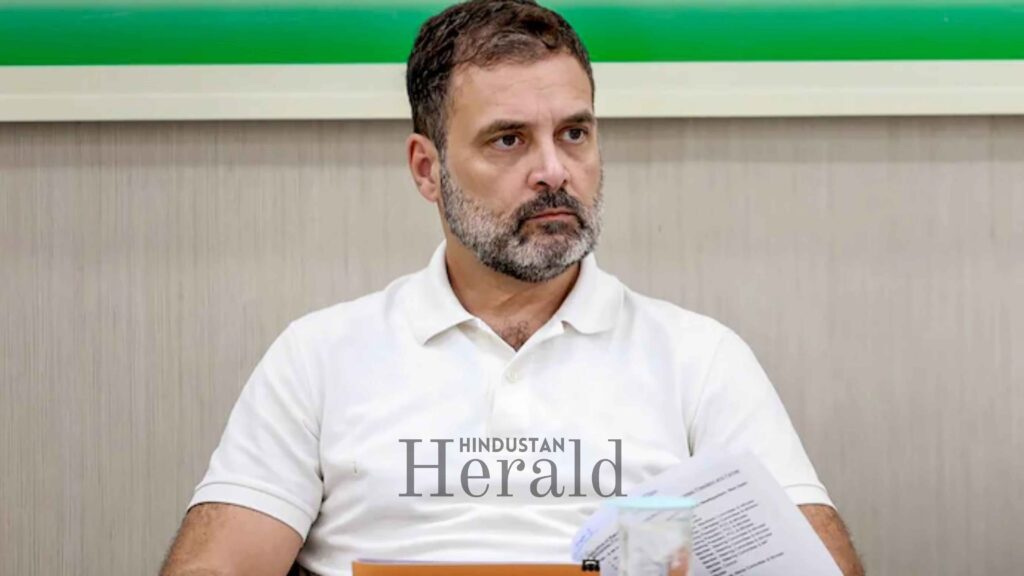
This one feels different. The two-party dominance that defined Tamil Nadu politics for six decades has genuinely broken, at least for now. A political party that did not exist three years ago is forming the government. The Congress has walked away from a decade-long alliance not grudgingly but unanimously. And the DMK, which governed confidently and swept the national elections, is sitting in the opposition benches wondering what just happened.
For now, the next move belongs to Vijay. He needs 10 more seats worth of support. He has Congress. He may or may not get the AIADMK. And then comes the harder work actually governing a state of 80 million people while the parties that just backed him watch to see whether the investment was worth it.
The night Zoom call is over. The alliance is dead. Tamil Nadu wakes up to something it has never quite seen before.
Stay ahead with Hindustan Herald — bringing you trusted news, sharp analysis, and stories that matter across Politics, Business, Technology, Sports, Entertainment, Lifestyle, and more.
Connect with us on Facebook, Instagram, X (Twitter), LinkedIn, YouTube, and join our Telegram community @hindustanherald for real-time updates.

Covers Indian politics, governance, and policy developments with over a decade of experience in political reporting.
- Ananya Sharma

- Ananya Sharma
- Ananya Sharma
- Ananya Sharma

 Sandeep Verma