 By Ananya Sharma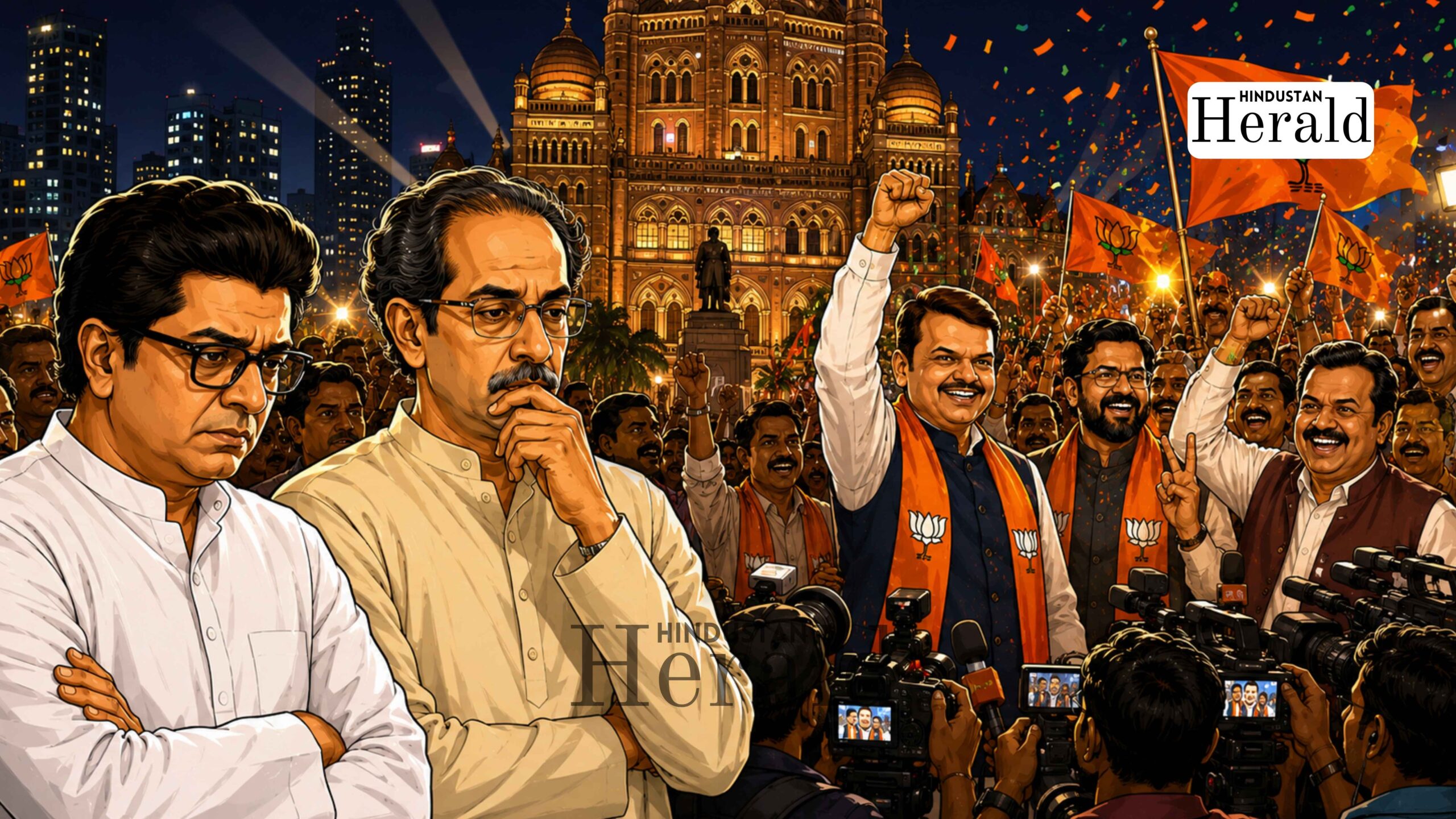
Mumbai, January 21: Raj Thackeray had a plan. It was, by any measure, a bold one perhaps the most politically significant move of his career in the past two decades. He would reconcile with Uddhav Thackeray, his estranged cousin, and together the two would reclaim Mumbai’s civic throne. The Brihanmumbai Municipal Corporation, long the heartland of Thackeray family political power, would return to where it belonged.
It did not work out that way.
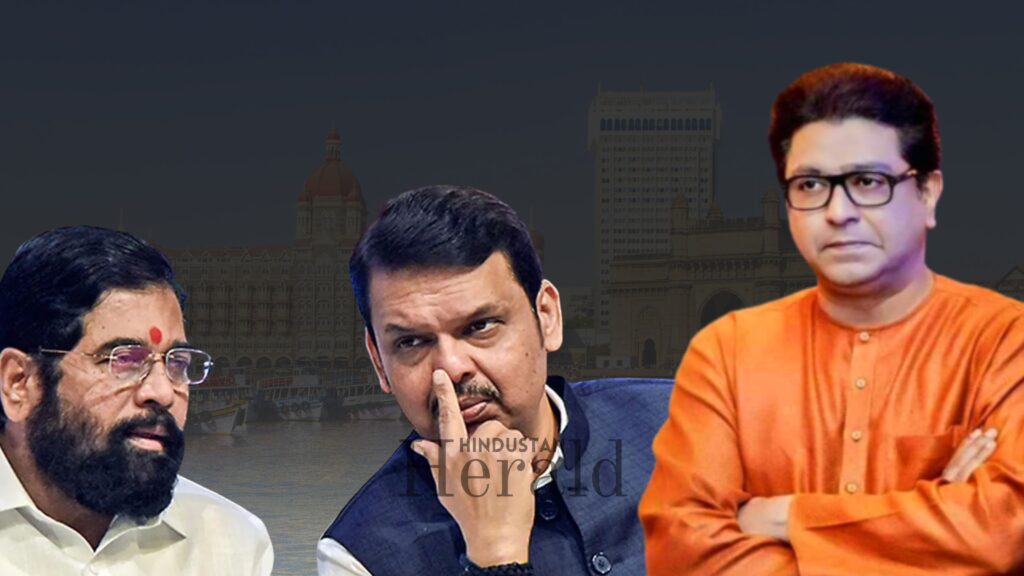
The 2026 BMC election results were, for Raj Thackeray personally, not just a loss. They were a reckoning. The BJP-Shiv Sena Mahayuti alliance swept through Mumbai with a thoroughness that left the Shiv Sena (UBT)-MNS combine looking not just defeated, but outclassed. A 25-year Thackeray grip on India’s wealthiest municipal corporation was broken in a single count.
Twenty Years Apart, One Chance Together
You have to understand what that reunion actually meant to appreciate how badly this stings. Raj had walked out of Shiv Sena in 2006 not quietly, not diplomatically. The split was public, bitter, and deeply personal. He built Maharashtra Navnirman Sena essentially as a counter-Thackeray project, a vehicle for everything he felt the Uddhav-led outfit was failing to represent.
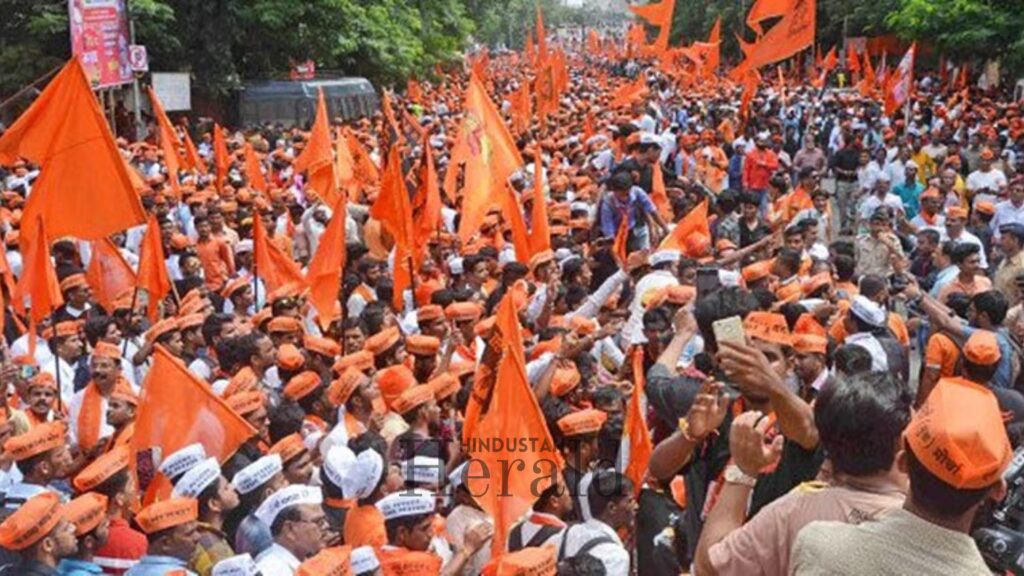
For nearly two decades, the two cousins did not share a stage. The Maharashtra political circuit learned to treat them as rival forces operating in overlapping territory same voter base, same identity politics, fundamentally hostile to each other.
Then, in late 2025, they appeared together. Sanjay Raut confirmed the alliance. The optics were extraordinary. Observers who had covered Maharashtra politics for decades admitted they had not expected to see this in their lifetimes.
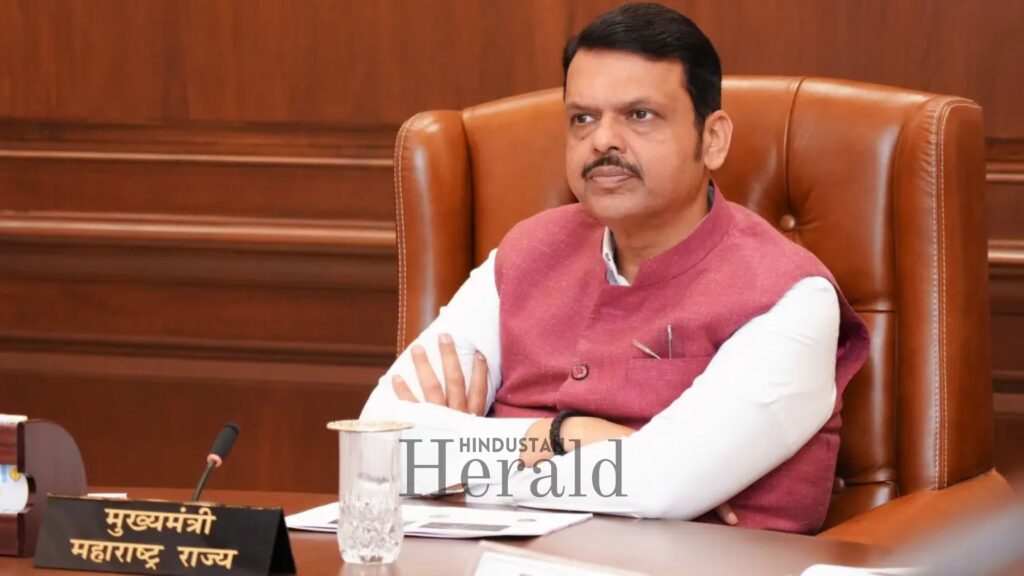
The logic was straightforward enough. Separately, neither could seriously challenge what Chief Minister Devendra Fadnavis had built. The Mahayuti machinery was formidable, its administrative hold over the state demonstrable. Together, the Thackeray cousins might consolidate the Marathi vote in Mumbai might fracture the ruling combine’s arithmetic enough to matter.
They released a joint manifesto. The “Vachan Nama” was a serious document: Maa Saheb Kitchens, property tax relief, new medical colleges for the city. MNS fielded 53 candidates, more than half of them women, one from the North Indian community, two Muslim a deliberate gesture of inclusivity that cut against the party’s historically exclusionary image. Raj Thackeray was, it seemed, trying to build something more durable than a protest movement.
Voters looked at all of it and largely chose someone else.
The Results, and What They Said
The numbers were not close. The Mahayuti alliance was ahead in 52 wards across Mumbai while the Shiv Sena (UBT)-MNS combine trailed in the initial counting rounds, securing leads in around 31 wards. By the time the full picture had settled, “Mission Mumbai” was being celebrated in the ruling camp, and the phrase “25-year Thackeray rule ends” was moving across every news ticker in the state.
There was also the ink controversy, which broke on polling day itself and quickly became its own flashpoint.
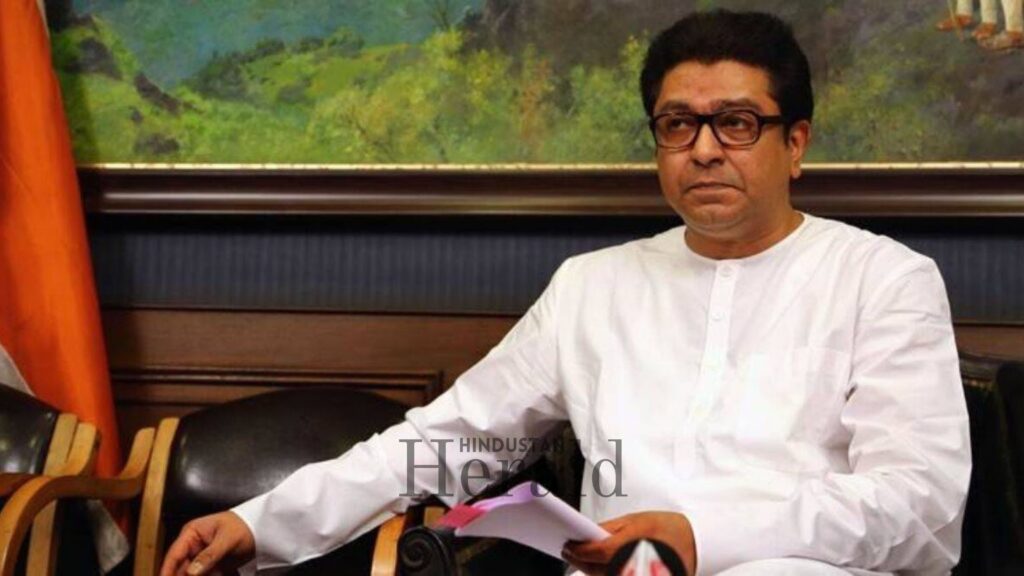
Raj Thackeray alleged that marker pens were being used at booths instead of indelible ink a claim that, if true, would have allowed voters to erase marks and vote multiple times. It was a serious allegation. Fadnavis dismissed it almost immediately, publicly scratching his inked finger at a press event in Nagpur and characterising the opposition’s pre-poll fraud narrative as an attempt to excuse a result they already saw coming.
Both Raj and Uddhav also raised broader concerns about the State Election Commission’s use of PADU units and the alleged deployment of administrative machinery in favour of the ruling alliance. The SEC ordered a probe. Whether that inquiry produces anything of substance is another matter entirely.
The ink row illustrated something that has become characteristic of Raj Thackeray’s political style in recent years the instinct to fight on multiple fronts simultaneously, to keep the noise high even when the electoral ground is shifting beneath him.
Pune, April 30: The Rhetoric That Defined the Season
Before the results, the defining story of Raj Thackeray’s 2026 was being written not in ballot boxes but in public halls. Through late April and into early May, he escalated his language around migrants, identity, and the Marathi cause to levels not consistently heard from him in some time.
At a lecture series in Pune on April 30, he questioned how taxi and auto-rickshaw drivers from outside Maharashtra could refuse to speak Marathi, and suggested with his characteristic edge that only MNS’s trademark “bamboo-style” enforcement kept them in check. He called on Marathi-speaking people to unite against “outsiders.” The room, reportedly, responded with enthusiasm.
Back in January, ahead of the BMC polls, he had gone further. He warned migrants from Uttar Pradesh and Bihar specifically, telling them that Hindi was not Maharashtra’s language, and that attempts to impose it would not be tolerated. He called the BMC election potentially the “last election for Marathis” a frame designed to create urgency, to push the community toward the polls with a sense of existential stakes.
The political irony here is not subtle. The Fadnavis government had itself been pushing a mandatory Marathi learning requirement for out-of-state taxi and auto drivers at roughly the same time. Both the government and its most vocal critic were claiming ownership of the same pro-Marathi agenda, which created a strange political situation where the ruling alliance could point to its own language-protection credentials while simultaneously denouncing Thackeray’s inflammatory tone.
Fadnavis was clear on that front. Violence in the name of language, he said, would not be tolerated on his watch. The message was aimed directly at MNS’s street-enforcement model.
After the Loss: What Raj Thackeray Actually Said
He did not hide from the result. That, at least, is to his credit.
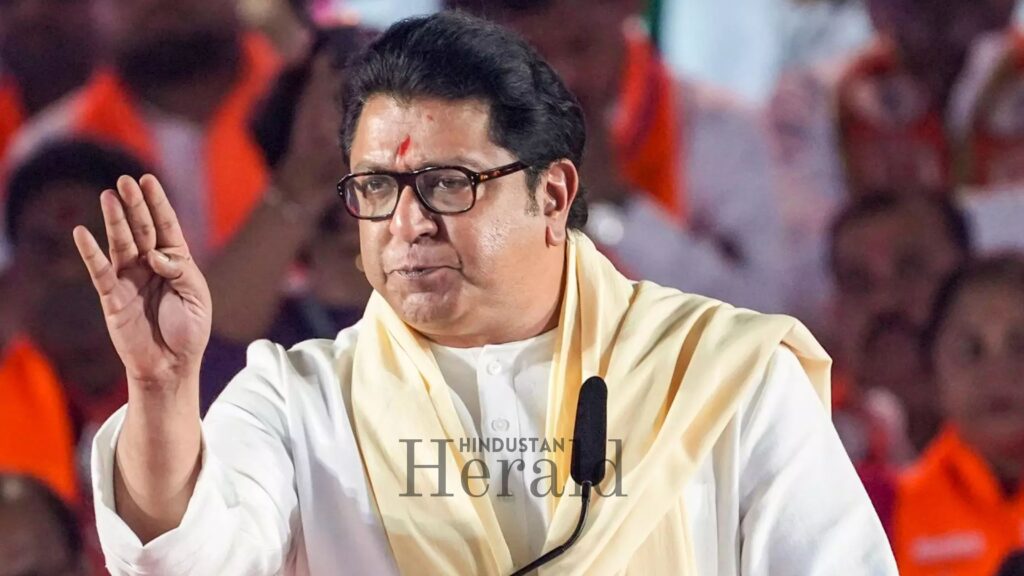
Raj Thackeray acknowledged the civic poll outcome and said something that is worth sitting with: that his party “laments missing its goals, but we never break.” He promised that MNS’s elected corporators would hold the ruling alliance accountable within their wards, that they would be a fighting presence even in a diminished one.
It is honest language. It is also the language of a man managing decline, at least for this moment. Not collapse Raj Thackeray has confounded predictions of irrelevance before but genuine political difficulty.
The harder question for MNS is structural. The party’s voter base has always been geographically narrow, concentrated in specific pockets of Mumbai and Pune. It has not expanded meaningfully in the years since its founding. The reunion with Uddhav, whatever its historic symbolism, did not produce the electoral multiplication both sides had hoped for. Marathi voters in sufficient numbers looked at the Mahayuti and saw something more reliable: governance, administrative delivery, a functioning alliance that had already demonstrated what it could do.
What This Actually Means
The 2026 civic elections have clarified something that was previously debatable. Devendra Fadnavis and the Mahayuti are not a temporary arrangement. They have shown the capacity to hold together, to absorb the urban Marathi vote, and to neutralise the identity-politics terrain that parties like MNS have historically owned.
That is a significant shift. For years, the assumption in Maharashtra politics was that the Thackeray name carried a gravitational pull in Mumbai that no ruling alliance could fully overcome. That assumption is now under serious pressure.
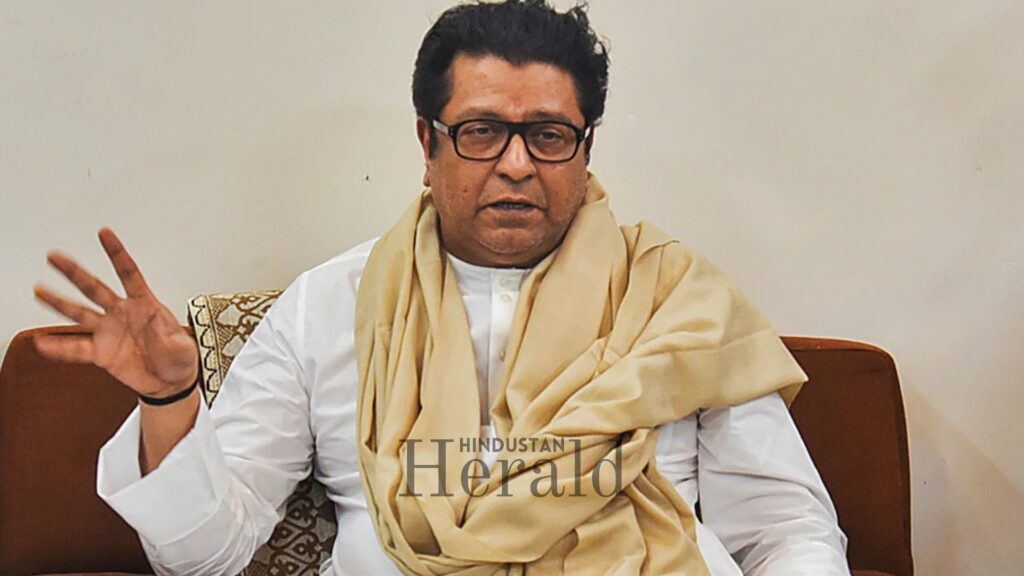
For Raj Thackeray, the question is not whether he remains relevant he almost certainly will, at least as a commentator and provocateur, in ways few politicians in Maharashtra can match. The cartoonist’s wit, the theatrical rage, the ability to fill a hall and move a crowd: none of that disappears overnight. But electoral relevance is a different currency, and MNS has been running low on it for a while now.
Whether the Uddhav alliance survives the post-defeat recriminations is also worth watching. Political marriages built on shared opposition to a common enemy tend to develop fissures once the enemy wins. There is no obvious reason to assume this one will be different.
For now, Raj Thackeray is doing what he has always done when cornered: staying loud, staying in the conversation, and refusing to behave like a man who has run out of moves. Whether that is political resilience or political theatre is, perhaps, the question Maharashtra will spend the next few years trying to answer.
Stay ahead with Hindustan Herald — bringing you trusted news, sharp analysis, and stories that matter across Politics, Business, Technology, Sports, Entertainment, Lifestyle, and more.
Connect with us on Facebook, Instagram, X (Twitter), LinkedIn, YouTube, and join our Telegram community @hindustanherald for real-time updates.

Covers Indian politics, governance, and policy developments with over a decade of experience in political reporting.
- Ananya Sharma

- Ananya Sharma
- Ananya Sharma
- Ananya Sharma