
 By Ananya Sharma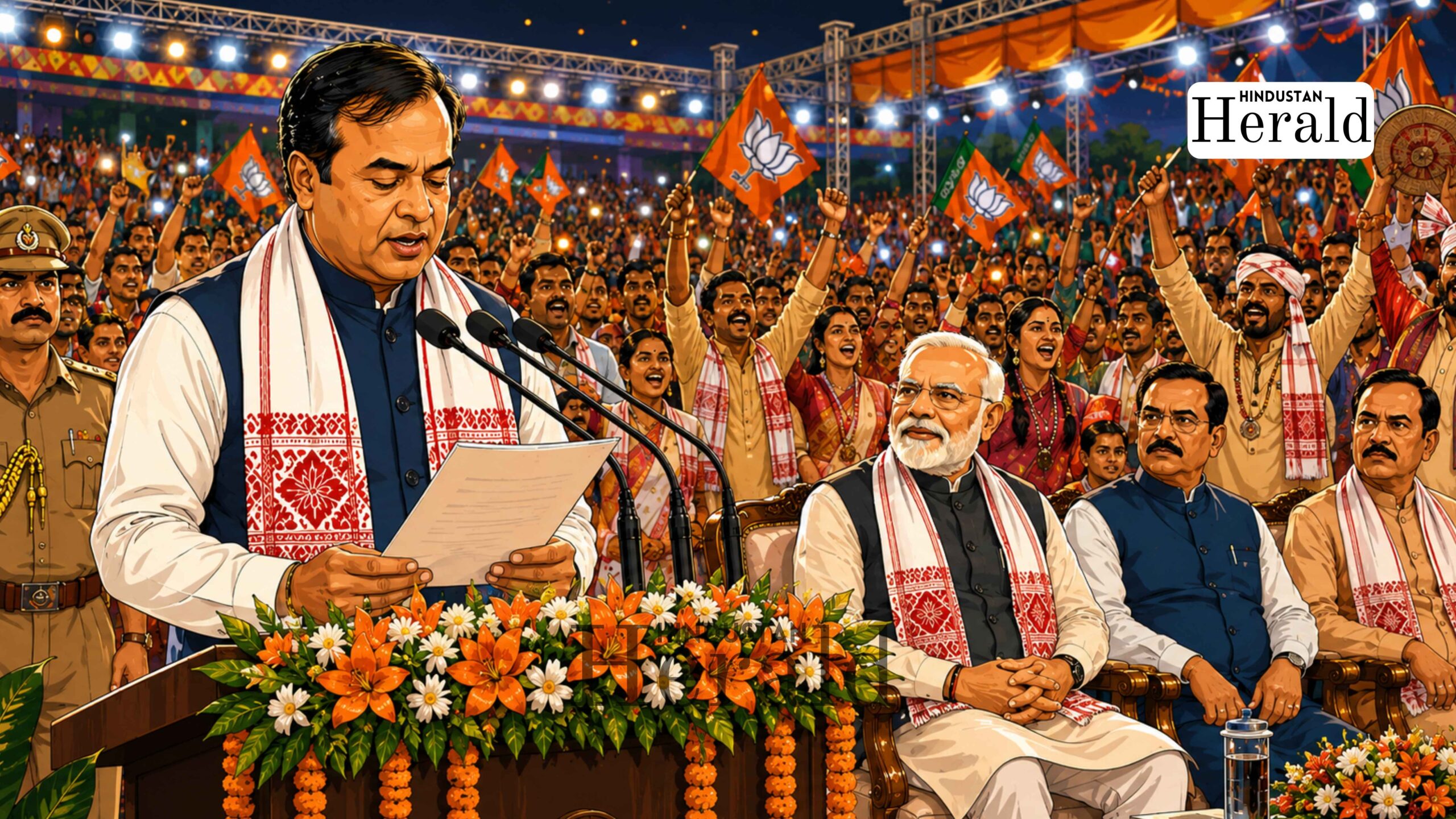
Guwahati, May 12: Nobody who was at the Veterinary College Playground in Khanapara on Tuesday morning will forget the noise.
It was not the organised, choreographed cheering you see at government functions. This was something rawer. Party workers who had travelled through the night from distant districts. Old-timers who had watched Assam politics shift under their feet over three decades. Young voters attending their first big political event. All of them packed into that ground, all of them loud, all of them there for one man.
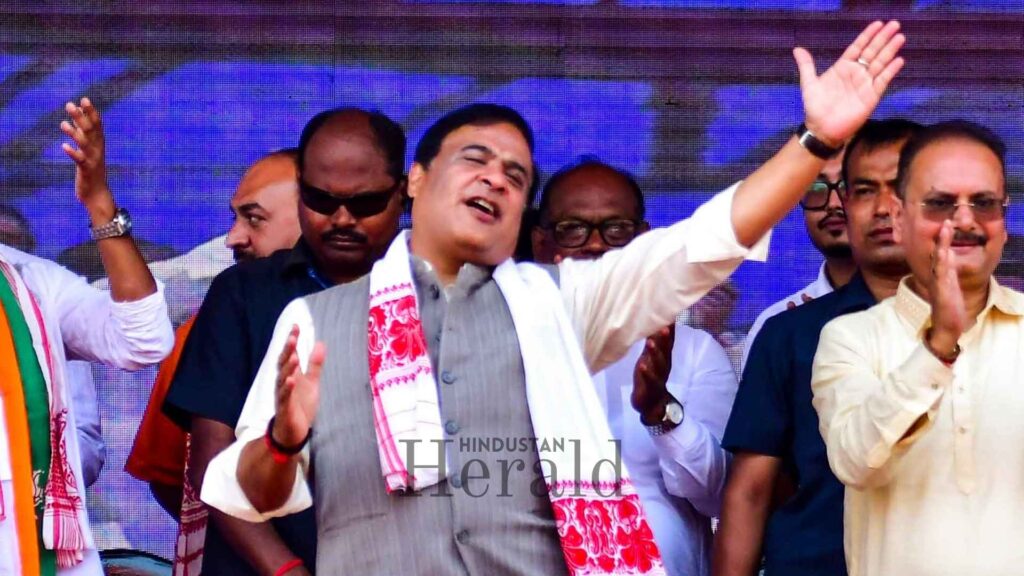
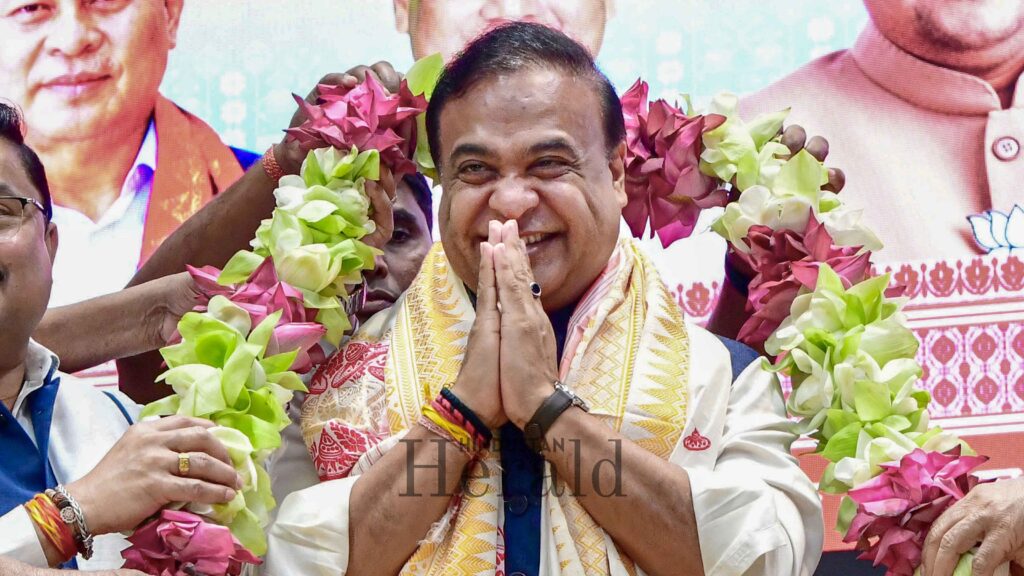
Dr Himanta Biswa Sarma took oath as Chief Minister of Assam for the second time in a row on Tuesday. And if the size of the crowd, the names on the guest list, and the sheer scale of the celebration told you anything, it was this the BJP is not just running Assam anymore. It owns the conversation.
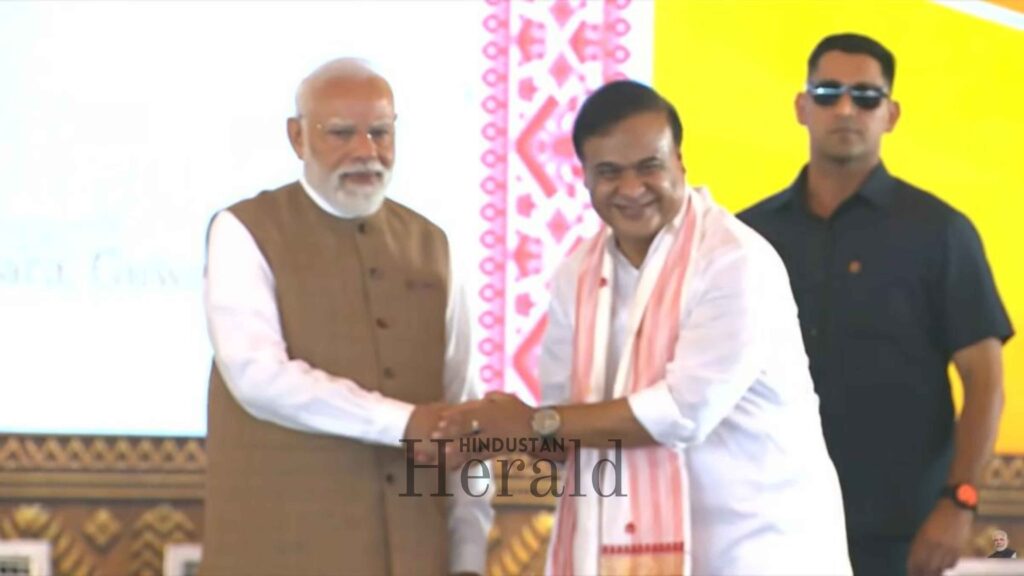
Prime Minister Narendra Modi flew into Guwahati to be there in person. That alone said plenty.
It Started With a Number
That is how many seats the BJP won by itself in Assam’s 126-seat Assembly. You only needed 64 to form a government. The BJP got 82 on its own, without counting a single ally.
Think about what that means. In 2021, the party had won 60 seats and needed partner parties to cross the line. This time, the partners were almost unnecessary. They came along anyway, and the full NDA alliance together won 102 out of 126 seats. The opposition was not just defeated. It was flattened.
Congress, which ran Assam for decades like it was the family business, won 19 seats. Nineteen. In a state where they once looked unbeatable. AIUDF managed 2. Raijor Dal managed 2. The smaller parties that were supposed to split the anti-BJP vote could not make a dent.
And through all of this, roughly 85 out of every 100 registered voters in Assam actually came out and voted on April 9. That is not people being indifferent. That is people making a deliberate choice.
Before Any of This, There Was a Phone Call That Changed Everything
The story of how the BJP got here is really the story of one man leaving one party.
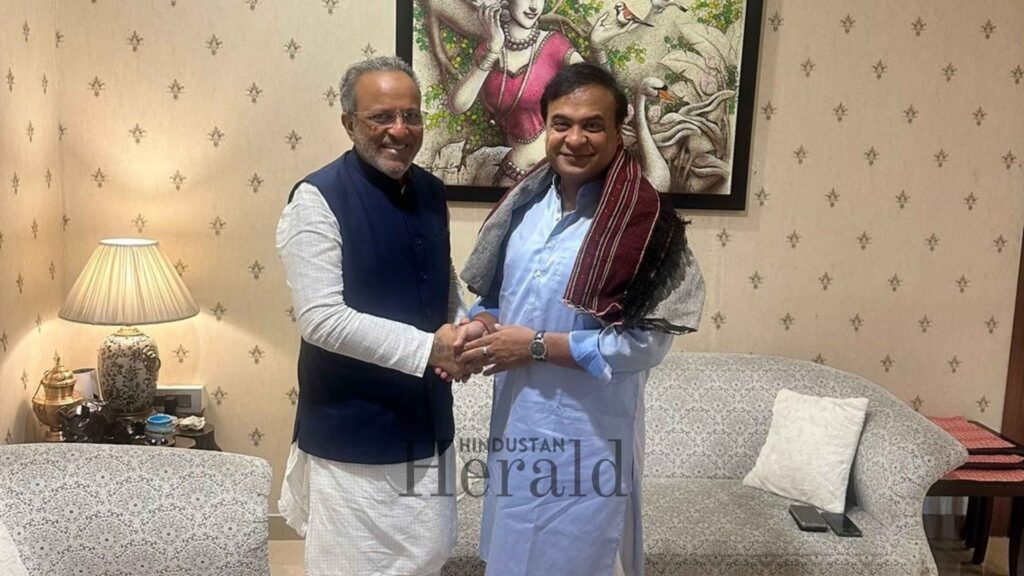
In 2015, Himanta Biswa Sarma was a Congress leader. A senior one. He had spent years building his career inside that party, learning its machinery, understanding how districts and communities and local power structures actually worked across Assam. He knew where every lever was.
Then he had a falling out with the Congress leadership. The details were messy, as these things always are. He felt sidelined. The party did not respond the way he wanted. And so he walked across to the BJP.
At the time, some people in Delhi thought it was just one politician switching sides. Happens all the time. No big deal.
It turned out to be a very big deal.
Sarma took everything he knew about Assam, every contact, every relationship, every understanding of how the state actually works on the ground, and he put it to work for the BJP. By 2016, the BJP won Assam for the first time ever. By 2021, Sarma himself became Chief Minister. And now, in 2026, the party has won its biggest mandate in the state’s history.
One phone call, one decision, one defection. And a state changed.
The Guest List Was a Message
When governments take oath in smaller states, the ceremony is usually a quiet affair. Local politicians, some state officials, a few central ministers if the state matters enough.
Tuesday in Guwahati was something else entirely.
Chief Ministers and Deputy Chief Ministers from 21 BJP and NDA-ruled states came to attend. Seven Union Ministers were there. Home Minister Amit Shah was present. Defence Minister Rajnath Singh was present. And the Prime Minister himself sat in the front row.
The BJP was telling the country something. It was saying look at what we have built here. Look at how far this state has come from the days when it barely figured in our calculations. Assam is not a footnote. It is a showpiece.
Four ministers were sworn in alongside Sarma. The alliance partners, AGP and BPF, got their representatives in the cabinet even though the BJP technically did not need their seats. That is smart politics. You keep your allies happy even when you don’t need them, because you might need them again someday.
Why Did People Vote for Them Again
This is the question that actually matters, and it does not have just one answer.
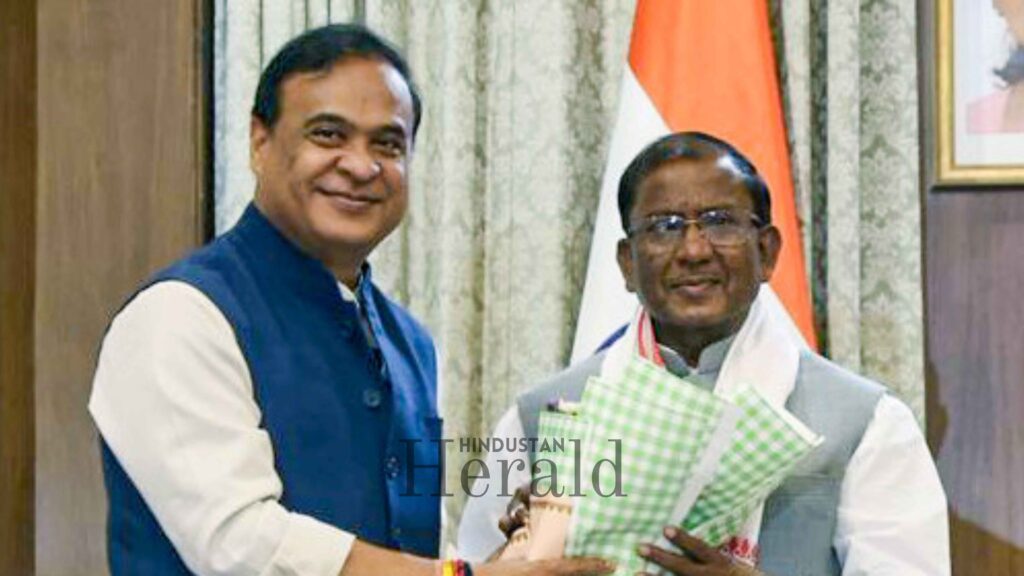
Talk to women voters in rural Assam and a programme called Orunodoi comes up quickly. It puts money directly into the bank accounts of women from lower-income households every month. Not a lot of money by city standards. But in a village in Assam, that regular transfer matters. It changes things at home. Women remember it.
There is also Swanirbhar Naari, another scheme focused on helping women become economically independent. Between these two programmes and others like them, the BJP built a very specific kind of loyalty among women voters across the state, and that showed up clearly in the results.
Infrastructure helped too. Roads that got built. Health facilities in areas that had been waiting years for them. The kind of visible, touchable change that voters respond to more readily than any speech.
And then the opposition simply did not show up as a credible alternative. Congress went into this election already weakened. Several of its own senior leaders switched to the BJP just weeks before voting. The Asom Sonmilito Morcha, the opposition alliance that eight parties had put together with some hope in late 2025, could not hold its shape when the campaign got rough.
When the ruling party is strong and the opposition is fractured, the math does not need much explaining.
The Man Himself
Himanta Biswa Sarma is not the kind of politician who generates mild opinions. People either admire him sharply or criticise him sharply. His supporters will tell you he modernised Assam’s administration, took on entrenched corruption, and gave the state an identity it was previously missing. His critics will point to controversies around eviction drives, his statements on minority communities, and questions about governance priorities.
Both sets of views exist. Both are held strongly.
What is harder to argue with is his political instinct. He reads situations quickly. He moves fast. And he has a way of framing issues that cuts through to voters in a way that more polished politicians often cannot manage.
Before taking oath, he kept it simple. First Cabinet meeting would follow the ceremony. The manifesto would be implemented. Assam would be pushed toward becoming one of the most developed states in the country.
Big promises on a big day. Fair enough. He has five years to back them up.
One Line That Stood Out
Most people making speeches on a day like this stick to thank-yous and grand vision statements.
Ranjit Das, the designated Assam Assembly Speaker, did not bother with that. He said, straight out, that the party was already focused on the 2031 assembly election and planned to win that one too.
A lot of people in the crowd cheered. A lot of people in the opposition probably did not enjoy hearing it.
Whether it reads as confidence or arrogance depends entirely on which side of the result you are sitting on.
The Larger Picture
Assam was not the only state voting in this cycle. West Bengal, Kerala, Tamil Nadu, and Puducherry were all part of the 2026 state elections. West Bengal produced what most political watchers are calling the biggest shock of the lot, with the BJP ending Mamata Banerjee’s 15 consecutive years in power there.
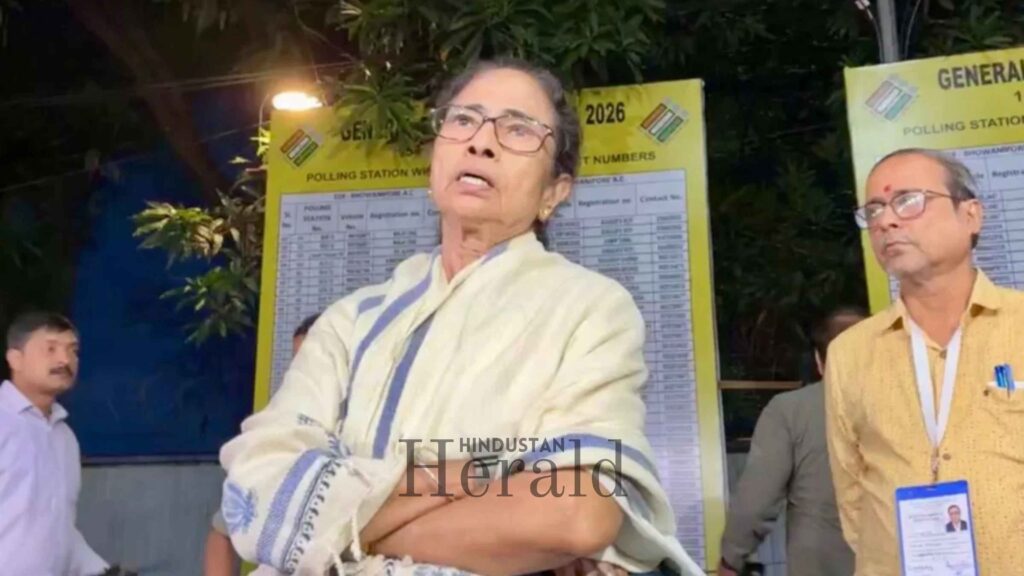
But Assam’s result was clean in a way that West Bengal’s was not. There was no nail-biting finish, no contested seats, no long night of uncertainty. The BJP won, won big, and won early.
Sarma heads into his second term with the kind of political strength that most Chief Ministers never get to experience. A comfortable legislature majority. Full backing from Delhi. Alliance partners who are grateful rather than resentful. And an opposition that will need years, not months, to rebuild.
Still, Assam has real problems that a big election win does not automatically fix. Flooding still destroys lives every monsoon season. Unemployment, especially for young people, remains a serious concern. The state’s economy needs investment and industry. Border issues do not resolve themselves because a party holds 82 seats.
The voters gave Sarma a second chance. A generous one. What he does with it is the story that starts today.
The ground at Khanapara is quiet now. The chairs are being folded up, the banners rolled away. Somewhere across the state, 34 million people are going about their Tuesday.
They voted. He won. Now comes the hard part.
Stay ahead with Hindustan Herald — bringing you trusted news, sharp analysis, and stories that matter across Politics, Business, Technology, Sports, Entertainment, Lifestyle, and more.
Connect with us on Facebook, Instagram, X (Twitter), LinkedIn, YouTube, and join our Telegram community @hindustanherald for real-time updates.

Covers Indian politics, governance, and policy developments with over a decade of experience in political reporting.
- Ananya Sharma

- Ananya Sharma
- Ananya Sharma
- Ananya Sharma




 Sandeep Verma