
 By Herald Desk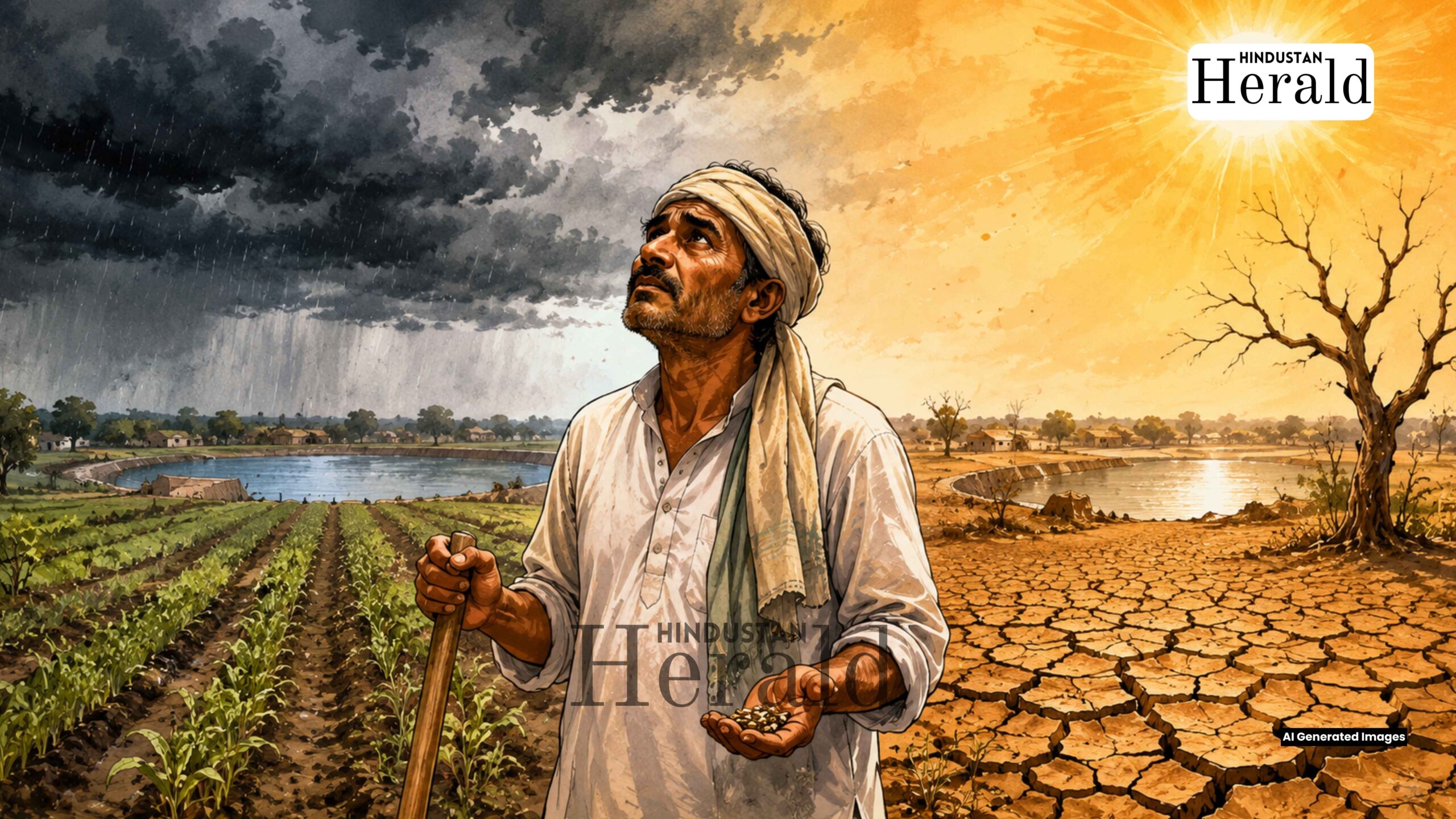
New Delhi, May 29: The rains are coming. Just not enough of them. That, in essence, is what the India Meteorological Department told the country on Friday and while the language was technical, the message was plain. This monsoon season is shaping up to be a lean one, and for a country where rain is not just weather but economic policy, that matters enormously.
The IMD has now pegged southwest monsoon rainfall at 90 per cent of the long period average for the season as a whole. That is down from the 92 per cent it had projected in April, already a below-normal forecast at the time. The direction of revision is what stings. Two months out from the season, the numbers are moving the wrong way.
Not Just a Weather Story
Let’s be clear about what a below-normal monsoon actually means in practice, because the phrase gets thrown around until it stops sounding alarming.
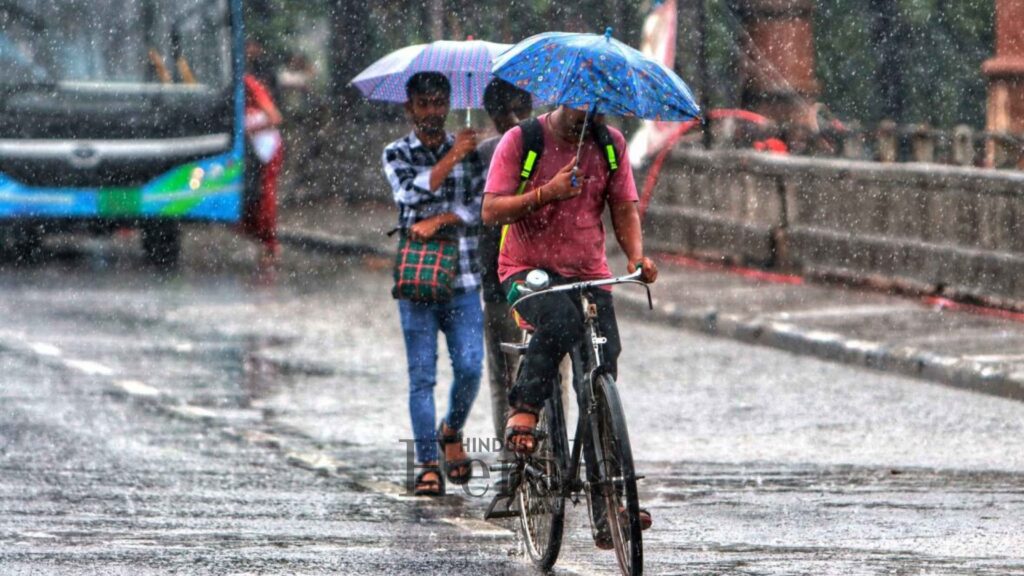
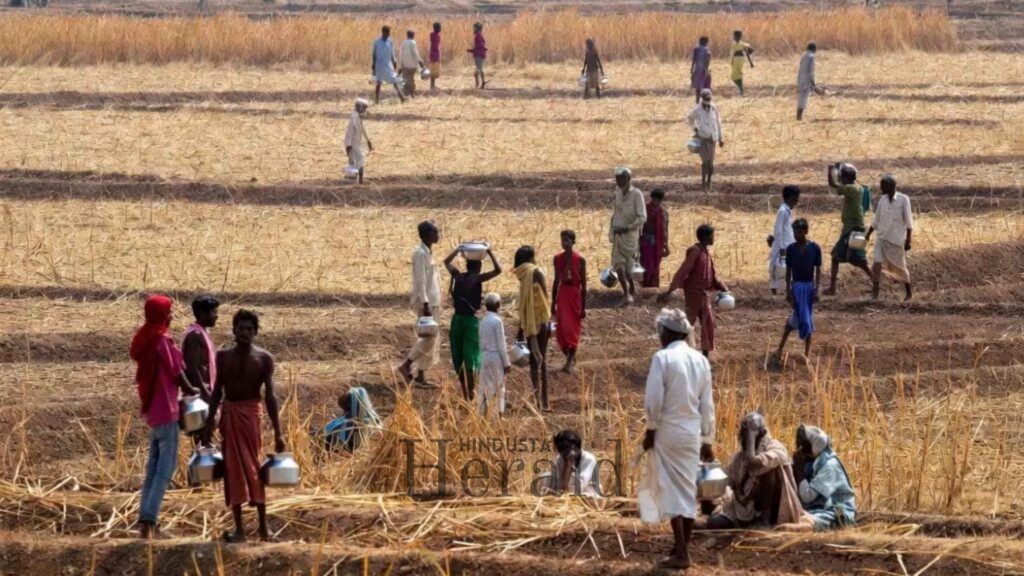
Fifty-one per cent of India’s farmed area gets no irrigation. No canals, no borewells, no drip lines. Just rain. That land accounts for roughly 40 per cent of total agricultural production in the country. And behind it, somewhere in the order of 47 per cent of India’s working population draws their livelihood from farming in some form.
When the rains fall short, that chain tightens fast. Yields drop, incomes shrink, rural spending pulls back, and food prices start climbing for everyone else in the country including the people in cities who think the monsoon is somebody else’s problem.
The long period average the IMD uses as its benchmark is 87 centimetres, calculated over the 50-year period from 1971 to 2020. Ninety per cent of that is roughly 78 centimetres. Nine centimetres of missing rain, spread across a continent-sized country and four months of the growing season. The numbers sound manageable until you think about what they mean field by field, village by village.
El Nino Is Back
The last time India had a genuinely bad monsoon was 2023 an El Nino year, when seasonal rainfall came in at 94 per cent of the LPA. That year stretched farmers across several states. What the IMD is now projecting is, on paper, worse.
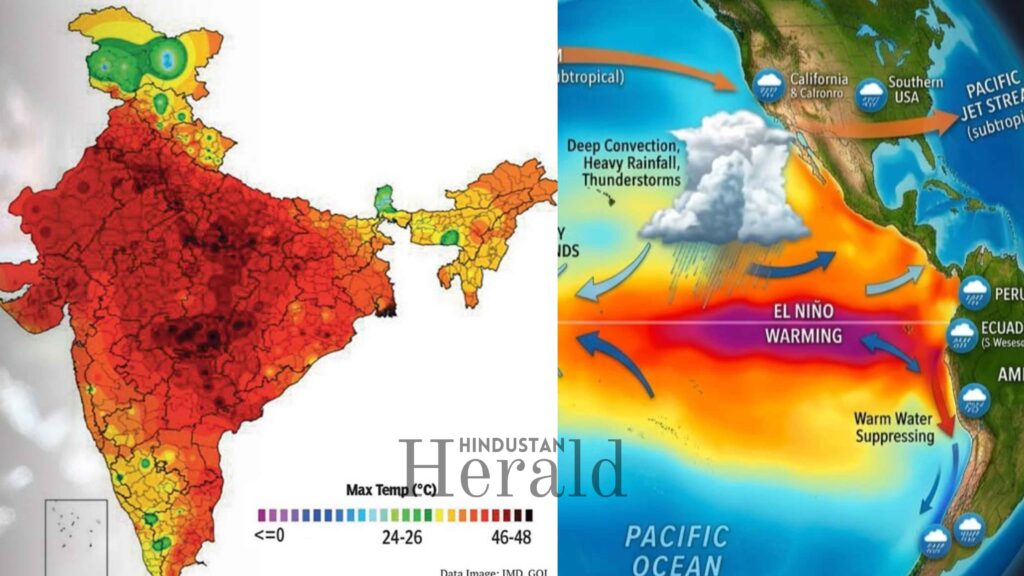
El Nino refers to the periodic warming of Pacific Ocean surface temperatures that disrupts atmospheric circulation patterns and, historically, weakens the southwest monsoon over India. The IMD said on Friday that weak El Nino conditions are expected to develop as early as June, with the phenomenon strengthening through the back half of the season.
The Monsoon Mission Climate Forecast System has specifically flagged July, August and September as the period when El Nino is most likely to dig in. This is not a peripheral concern. Those three months are when the monsoon is supposed to be doing the bulk of its work sustaining standing crops, recharging reservoirs, filling rivers. If El Nino is strengthening precisely during that window, the shortfall will not be evenly distributed. It will hit hardest when it can least be absorbed.
A Map of Concern
The IMD’s regional breakdown does offer some variation. Northeast India is expected to see normal rainfall. Parts of the northwest and south peninsular India may also escape the worst of it, with normal to above-normal rains possible in isolated pockets.
But the zone of concern is large. Central India, much of northwest India, and south peninsular India broadly are all projected to see below-normal rains. That brings the Indo-Gangetic plains squarely into the picture the stretch of states running through Uttar Pradesh, Bihar, Madhya Pradesh, parts of Rajasthan where wheat, rice, pulses and oilseeds are grown at a scale that feeds the rest of the country.
A weak monsoon in that belt is not a regional agricultural story. It is a national food security conversation.
Before the Rains, the Heat
There is another layer to this, and it arrives before the monsoon does.
The IMD’s Friday briefing included a warning about June heatwave conditions expected across a sweeping list of states: Uttar Pradesh, Haryana, Punjab, Bihar, Jharkhand, Odisha, Chhattisgarh, Gujarat and Andhra Pradesh, with isolated extreme heat also forecast over pockets of Maharashtra, Telangana, Himachal Pradesh and Tamil Nadu.
That is a lot of geography. These are also some of the most densely populated and agriculturally busy states in the country. A prolonged heat spell before the monsoon arrives stresses crops, drains groundwater reserves faster, and pushes up electricity and water demand at a moment when supply is already running tight from the previous dry season. Farmers who were hoping to sow early will be watching the sky and worrying.
The Larger Squeeze
What makes this year’s forecast particularly uncomfortable is the backdrop against which it lands.
The conflict in West Asia has kept global energy markets unsettled, and that volatility flows directly into fertiliser prices one of the largest input costs for Indian farmers. Fertiliser supply chains have been strained for the better part of two years now. If a weak monsoon then cuts into yields while input costs stay elevated, farmers face a double hit that no government subsidy fully cushions.
Rural consumption has been a quiet concern for policymakers for some time. A below-normal monsoon adds another layer of pressure to households that were already managing carefully.
What Happens Now
The monsoon typically makes its first landfall over Kerala in the early days of June. How that onset goes whether it is vigorous or stuttering, whether it tracks north quickly or stalls will set the psychological and practical tone for everything that follows.
The IMD will keep updating its forecasts. State governments will start pulling out contingency plans for delayed sowing, alternative crops, and drought relief allocations. The agriculture ministry will be watching reservoir levels. Traders in commodity markets will be watching all of it.
For now, the country waits. Farmers in rain-dependent districts across central and northwestern India are already doing the mental arithmetic calculating what a thin monsoon means for this year’s sowing, this year’s yield, this year’s income.
Friday’s forecast did not bring good news. It brought an honest one. And sometimes, in the middle of May, with the heat pressing down and the sky still empty, that is the most important thing a weather office can offer.
Stay ahead with Hindustan Herald — bringing you trusted news, sharp analysis, and stories that matter across Politics, Business, Technology, Sports, Entertainment, Lifestyle, and more.
Connect with us on Facebook, Instagram, X (Twitter), LinkedIn, YouTube, and join our Telegram community @hindustanherald for real-time updates.

- Herald Desk

- Herald Desk
- Herald Desk
- Herald Desk




 Sandeep Verma
  Ananya Sharma