 By Ayesha Khan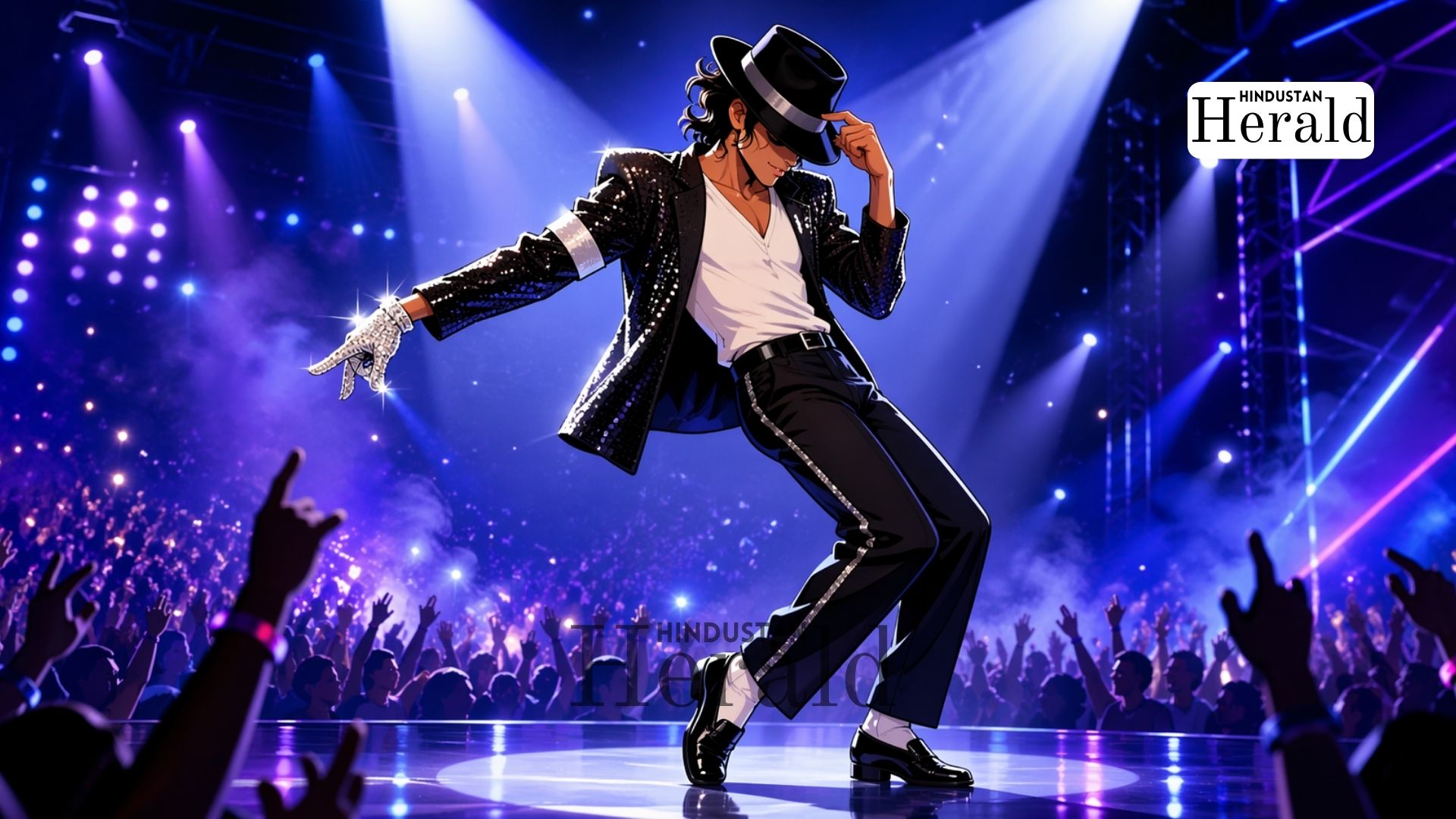
Mumbai, April 23: There is a moment in Michael, the long-awaited biopic of the King of Pop, where Jaafar Jackson slides across the stage in that unmistakable glide, white socks catching the light, one glittering glove raised to the sky, and the audience around you stops breathing. It does not matter that you know the choreography by heart. It does not matter that the man performing it is a nephew, not the legend himself. For those few seconds, the illusion is total. And that illusion, more than anything director Antoine Fuqua or screenwriter John Logan put on paper, is what Michael has going for it.
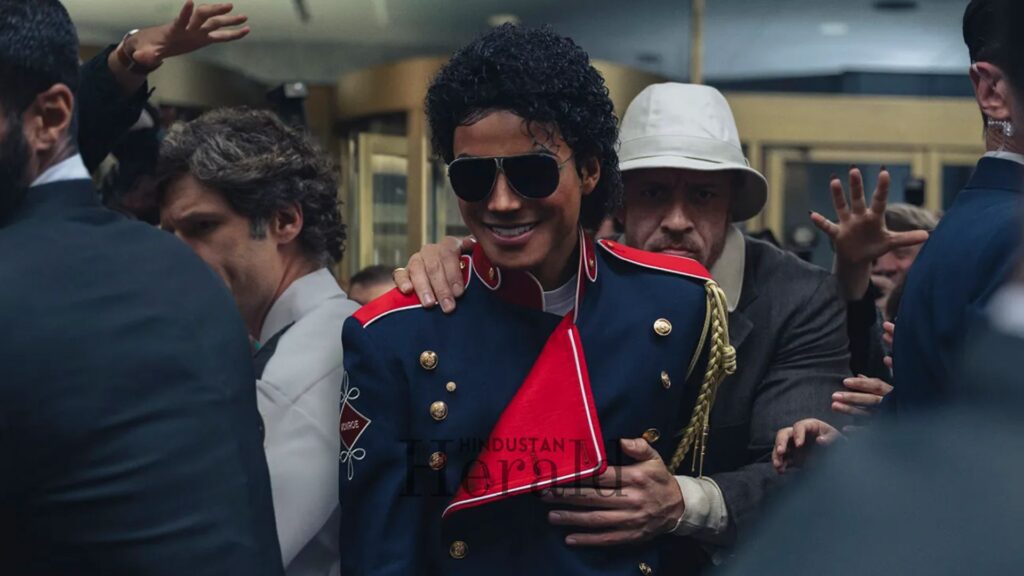
Released globally on April 24 by Lionsgate domestically and Universal Pictures internationally, Michael is one of the most anticipated and most complicated biopics in recent Hollywood memory. The film had a famously troubled production, a budget that reportedly ballooned to nearly $ 200 million, legal complications that forced significant reshoots, and the persistent shadow of controversy that has followed Michael Jackson’s legacy since the early 1990s. That it emerges as a watchable, often thrilling, emotionally engaging film is itself something of a minor miracle. That it falls short of greatness is, in the end, nobody’s great surprise.
What it is, without question, is a showcase for a genuinely extraordinary performance.
A Nephew Steps Into His Uncle’s Shoes
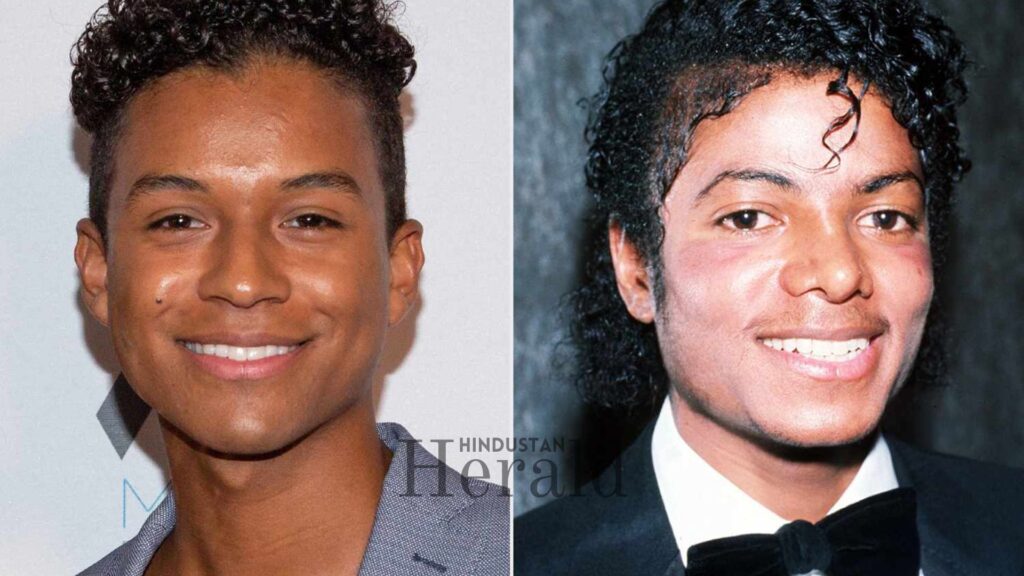
Jaafar Jackson, the 29-year-old son of Jermaine Jackson, had never acted in a film before this one. That fact will strike you as almost impossible to believe for long stretches of the runtime. As noted by Variety’s chief film critic Owen Gleiberman, Jaafar nails not just the physicality of his famous uncle but the psychological texture underneath: the delicacy and the steel, the sweetness and the iron will. He gets the tentative high-pitched register of Michael’s speaking voice right.
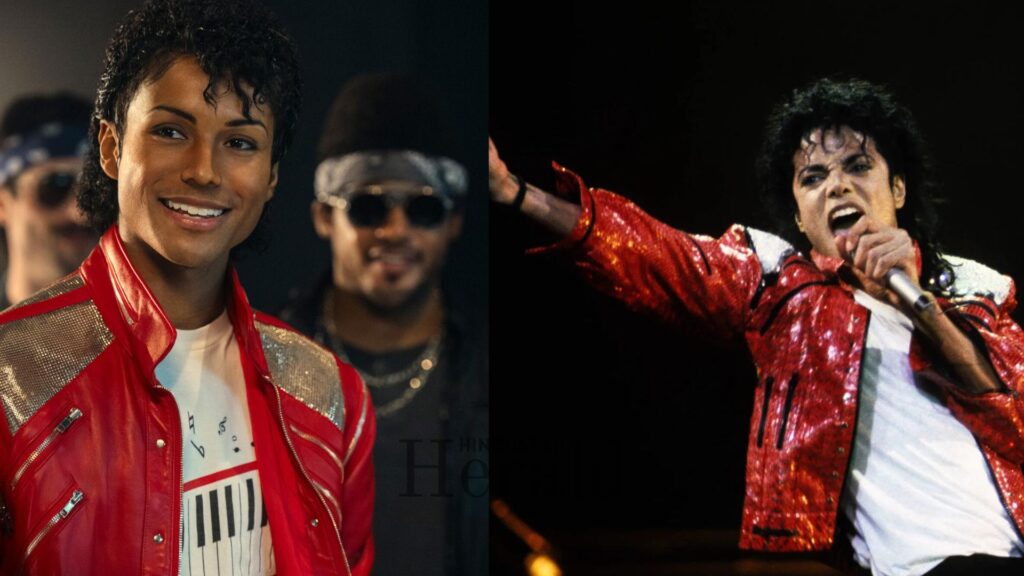
He gets the way Michael’s entire body seemed to become an instrument the moment music entered a room. And during the film’s best sequences, the concert recreations and the music video shoots, he achieves something closer to channelling than imitation.
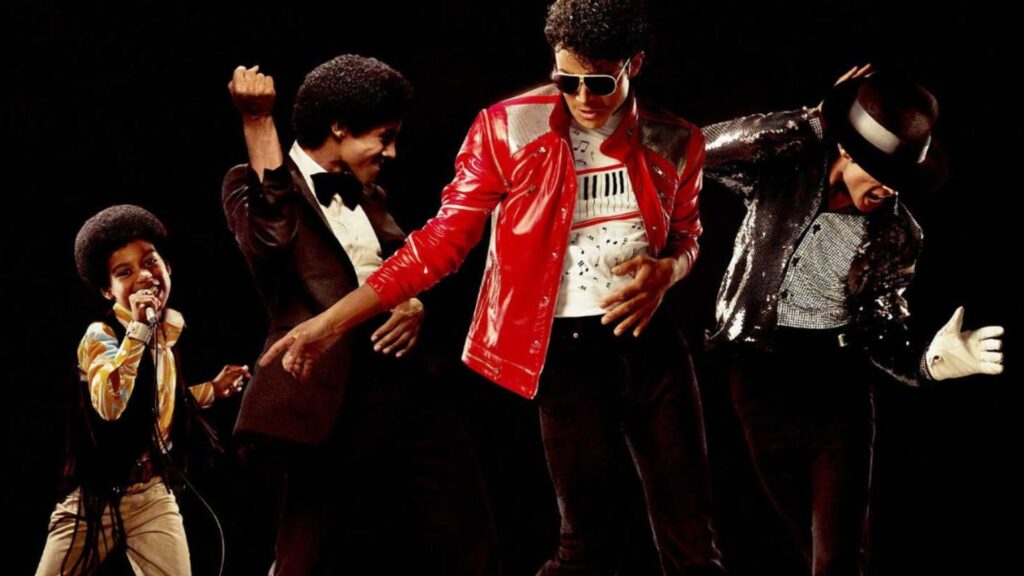
The audition process, Jaafar told American media, lasted two years and was anything but a family favour. He earned this role through preparation that is visible in every frame. The dance sequences, choreographed by Rich and Tone Talauega, are superbly executed: as Deadline’s Pete Hammond observed, you would be hard-pressed to tell the difference between Jaafar and the real deal in these moments.
He is not working alone. Juliano Krue Valdi, barely twelve years old, plays the young Michael Jackson in the film’s first act, and he is a revelation. Having spent years perfecting MJ-inspired dance skills before landing the role, Valdi carries the childhood sequences with a natural ease and a gravity that the script’s more on-the-nose moments do not always deserve. Between Valdi and Jaafar, the film has two exceptional performances anchoring it at opposite ends of its timeline.
Still, none of it would land half as well without Colman Domingo as Joe Jackson. Playing the family patriarch under heavy prosthetics, Domingo delivers a performance that the Hollywood Reporter called a powerhouse turn. Joe emerges here as a figure of genuine menace: a man who believed absolutely in his sons’ potential and was willing to break every one of them to prove it. He is hardest on Michael, whose sensitivity he reads as weakness even as he exploits it for profit.
Domingo finds the contradictions in Joe without softening them, and his magnetic presence hangs over scenes he is not even in. Nia Long, meanwhile, brings quiet warmth to Katherine Jackson, the mother who was the lone point of grace in an often brutal household.
From Gary to Motown to the World
The film begins in 1966 in the Jackson family home in Gary, Indiana, where steelworker Joe is running his sons through rehearsals with the precision of a military drill. Fuqua establishes the domestic dynamics quickly and efficiently. Joe has a dream, and the dream happens to involve turning his children into his meal ticket. The Jackson 5 rise through local gigs to a fateful showcase that brings them to the attention of Motown, and soon the family is transplanted from the lower-middle-class grind of Gary into a Californian mansion in Encino.
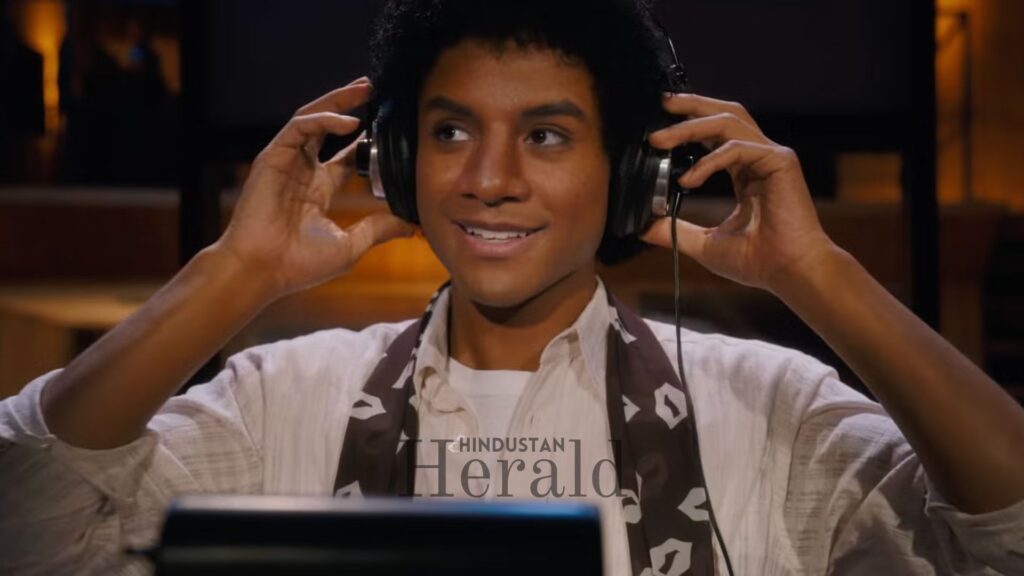
The film covers this rise with energy and sweep. There is undeniable pleasure in watching these moments reconstructed: the Motown years, the early recordings, the breakthrough performances. A standout sequence involves the 1983 Motown 25th anniversary concert, where Michael’s performance of Billie Jean, complete with the first public moonwalk, left the world permanently altered. It is a genuinely electric set piece.
As Michael’s solo career takes off, the film shifts its focus to his creative partnership with producer Quincy Jones, his break from Joe as manager through lawyer John Branca, played effectively by Miles Teller, and the recording of the three albums that would cement his status as the most famous entertainer in history: Off the Wall, Thriller, and Bad. The screenplay traces how each record emerged from Michael’s inner life, his loneliness, his restlessness, his refusal to accept limits.
There is a lovely and telling detail when Michael, watching a Vincent Price horror film on television, finds the germ of Thriller, or when a news report about gang violence in Los Angeles sparks the idea for the Beat It video. These moments suggest a more searching film lurking underneath the one Fuqua made.
The Elephant That Never Left the Room
Here is where Michael runs headlong into its central problem. The filmmakers made a conscious decision to end the story in 1988, with the Bad World Tour concert in London, years before the child sexual abuse allegations that divided public opinion about Jackson first surfaced. The closing title card reads, simply, His story continues, which, as the Hollywood Reporter noted, does an enormous amount of heavy lifting for four words.
The omission was partly forced on them. According to multiple reports, legal restrictions stemming from Jordan Chandler’s 1994 settlement with Jackson contained clauses preventing the depiction of certain individuals, which resulted in significant reshoots and an altered third act. But the creative choice to frame this as a story about Michael’s rise and liberation from Joe, full stop, is one that critics have found hard to defend.
The Telegraph’s Robbie Collin wrote that the film refused to address the elephant in the room, and that no credible biography of Jackson could ignore the accusations that defined his later life. IndieWire’s Kate Erbland argued that by stripping out this dimension, the film lost most of its humanity. RogerEbert.com’s Robert Daniels was blunter still, calling Michael not a movie but a filmed playlist in search of a story, and describing it as an estate-approved exercise in mythmaking.
Michael’s own daughter, Paris Jackson, had reportedly described an early version of the script as sugar-coated and said she had no involvement in the film. The fact that Janet Jackson does not appear anywhere in the film at all, despite being one of the most significant members of the Jackson family, is another conspicuous absence.
Fuqua himself has expressed scepticism about the abuse allegations in interviews, and the film reflects that position. Whether audiences will share it, or whether they will simply enjoy the music and the spectacle and set aside the questions, remains to be seen.
Where It Works and Where It Does Not
To give the film its due: when Michael is operating as pure entertainment, it delivers. The concert recreations are thrilling. The music, gloriously remastered, fills the theatre with a power that two-and-a-half decades of cultural ubiquity have not dulled. The supporting turns from Larenz Tate as Berry Gordy and an amusing Mike Myers cameo as CBS Records president Walter Yetnikoff, who threatened to pull the label’s entire roster unless MTV put Billie Jean into rotation, add texture and even fun.
As it turns out, the biggest structural weakness is not the omissions but the pacing. The film moves at a clip that prevents it from dwelling on anything. Fuqua, writing with Logan, zips through years in minutes, checking events off a list rather than excavating them. The genesis of Michael’s biggest creative breakthroughs is gestured at rather than explored. The film does not go deep on how his signature look or dance style evolved. Everything seems to arrive fully formed, which is dramatically convenient but emotionally thin.
Variety’s Gleiberman, who was among the more charitable critics, called it a surprisingly effective middle-of-the-road biopic: an 1980s television movie version of the story with sharper acting and better photography. That framing feels right. It is not the definitive Michael Jackson film. But it is a solid, crowd-pleasing, emotionally effective entertainment that will play very well to the enormous global audience that loves his music.
For Indian fans of the King of Pop, and they are legion, the appeal will be immediate. Jackson’s music crossed into Indian living rooms in the 1980s and never really left. Thriller and Billie Jean are not just nostalgia here; they are cultural memory. A film that brings those songs and those moves back to the big screen, whatever its narrative limitations, will land.
The Verdict
Michael is two films at once. One of them, the one starring Jaafar Jackson, is electric. The other, the one shaped by estate approval and legal constraints and commercial calculation, is safe and sometimes frustrating. The gap between those two films is where most of the critical disappointment lives.
For now, though, Jaafar Jackson has done something genuinely remarkable for a first-time actor with no prior film experience. He has made you feel, for long stretches of a major Hollywood production, that Michael Jackson is still here. That is nothing. In a career that produced more extraordinary performances than perhaps any other entertainer in pop history, it may even be the most fitting tribute: to make the music, and the man, feel alive again.
Michael releases in cinemas on April 24, 2026.
Stay ahead with Hindustan Herald — bringing you trusted news, sharp analysis, and stories that matter across Politics, Business, Technology, Sports, Entertainment, Lifestyle, and more.
Connect with us on Facebook, Instagram, X (Twitter), LinkedIn, YouTube, and join our Telegram community @hindustanherald for real-time updates.

Covers films, television, streaming, and celebrity culture with a focus on storytelling trends.
- Ayesha Khan

- Ayesha Khan
- Ayesha Khan
- Ayesha Khan