
 By Ananya Sharma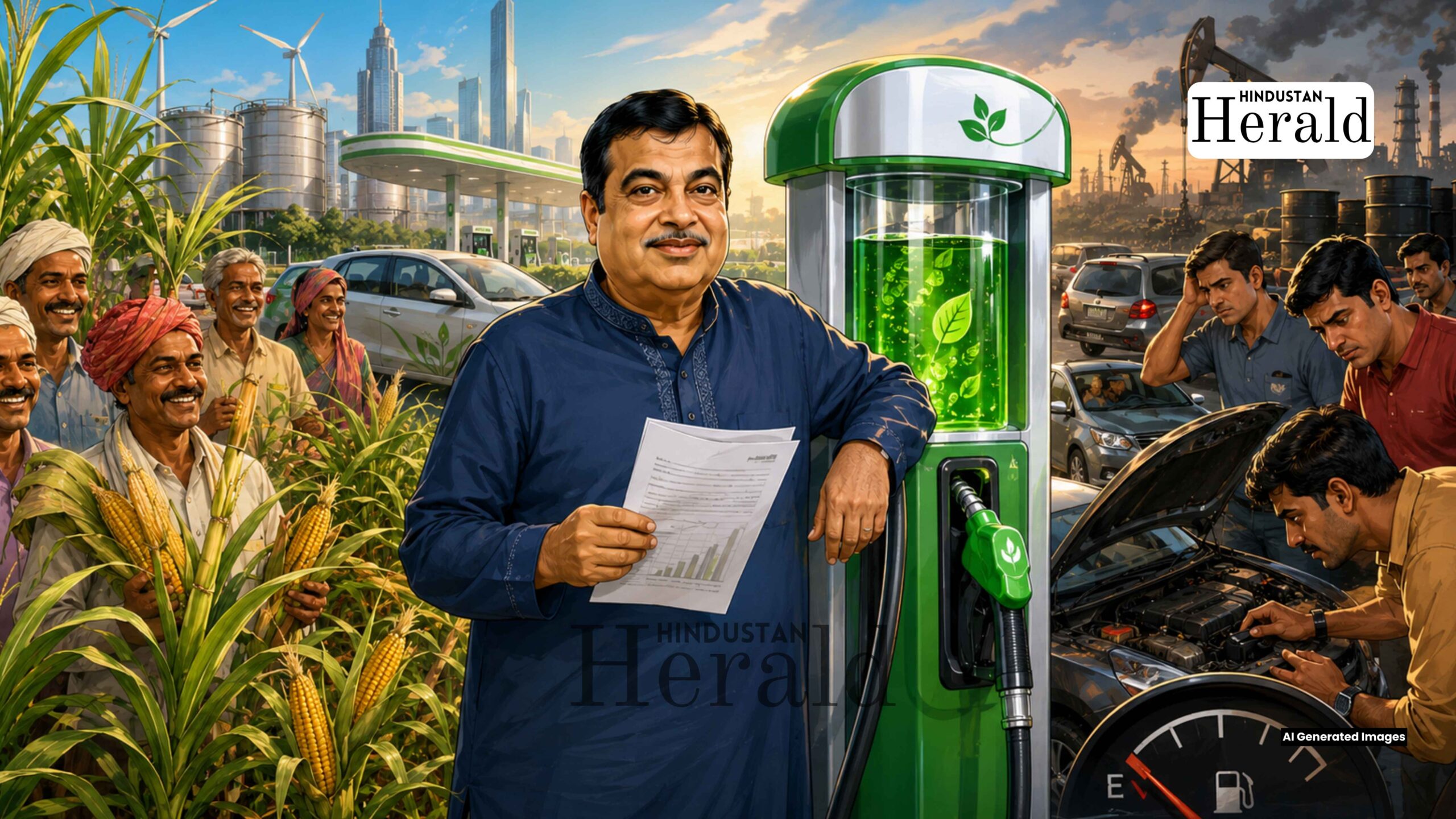
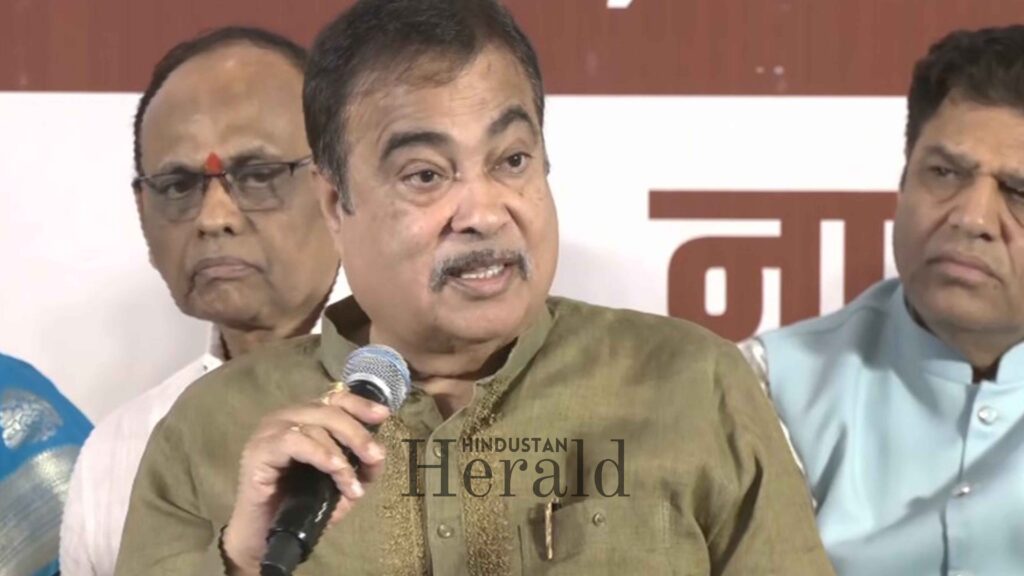
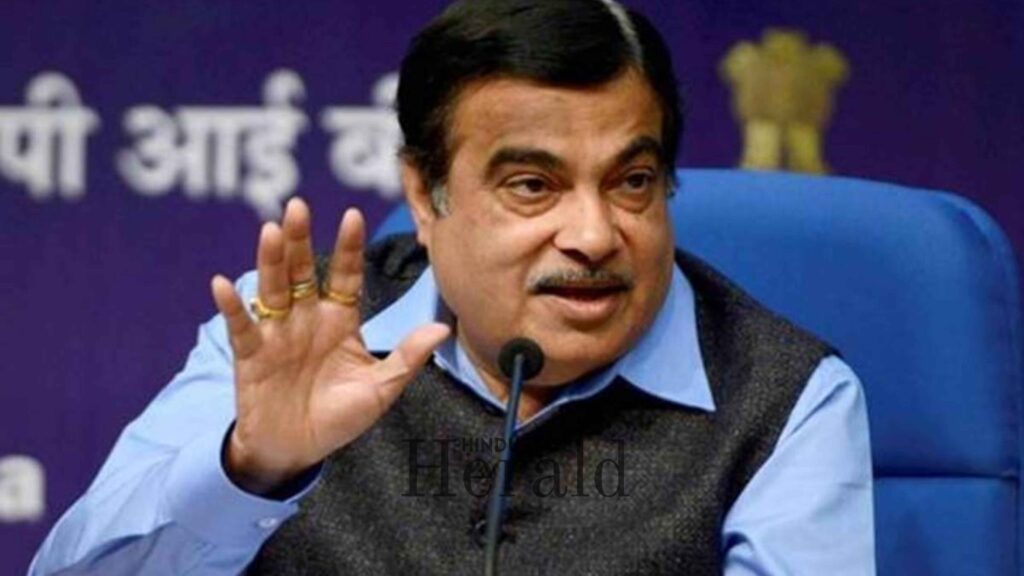
New Delhi, June 14: Nitin Gadkari signed a piece of paper on the night of June 11. By morning, it was everywhere. India, the government announced, had now formally approved E100 and E85 as legal vehicular fuels. Pure ethanol. Or near-pure. On Indian roads. For Indian cars.
The minister did not waste time with ceremony. The regulations went through, the announcement came, and within 48 hours the country had split into two very loud camps: people who think this is the smartest thing India has done for its energy future, and people who are staring at their fuel gauge and wondering what on earth is going on.
Both reactions make sense. That is the honest truth of where this story sits right now.
Rs 22 Lakh Crore Is a Hard Number to Ignore
Gadkari has been saying this for years. India spends somewhere in the range of Rs 22 lakh crore every year importing crude oil and petroleum products. Every time global prices climb, that number hurts more. Every time the rupee slides a little, it hurts again. The country is essentially exporting an enormous sum of money year after year to pay for fuel that it could, in theory, produce at home.
Ethanol changes that equation, at least on paper. India grows sugarcane. It grows maize. Both can be fermented and distilled into ethanol. If Indian vehicles burn that instead of imported petrol, the foreign exchange stays here. The rural economy gets a boost. Emissions come down. That is the pitch, and it is not a bad one.
India has been running a blending programme for over a decade now. E20, a blend of 20 percent ethanol with 80 percent petrol, is the current retail standard being rolled out at pumps. What Gadkari signed last week goes further, giving legal recognition to E85 and E100, opening the door for vehicles that run on almost no petrol at all.
What the Approval Does and Does Not Mean
This part is worth slowing down on, because the coverage has been a little loose.
What got signed is a regulatory framework. A legal category. It means an automaker can now build and sell a vehicle rated for E100 in India without being in a grey zone. It means a fuel company can set up an ethanol pump without the rules working against them.
What it does not mean is that you can pull into any petrol station tomorrow and fill up on pure ethanol. That infrastructure does not exist. The vehicles built to run on these blends are not yet on sale in any serious volume. The supply chain connecting ethanol distilleries to your local fuel pump has not been built.
Vehicle manufacturers are said to be preparing ethanol-compatible platforms, but preparing is a different thing from delivering. These programmes take years. The regulation had to come first. Now the rest has to follow, and that is where things get genuinely uncertain.
The Public Is Not Convinced. Not Even Close.
This is the part of the story that tends to get buried under the ministerial announcements and the policy optimism. It should not be buried. It is arguably the most important part.
In early 2025, a survey went out to roughly 36,000 vehicle owners across India. The question, broadly, was: how do you feel about ethanol blending in your fuel? The answer came back unambiguous and a little uncomfortable for the government.
66 percent of those 36,000 people said they were opposed to the E20 rollout. Not uncertain. Not cautious. Opposed.
Of that majority, 44 percent said they wanted E20 withdrawn from pumps entirely. Gone. Back to regular petrol. Another 22 percent said they at least wanted the option to choose, that they did not want ethanol blends forced on them with no alternative available.
These are not fringe numbers. These are not a noisy minority. Two-thirds of a 36,000-person sample is a significant signal, and it came from actual vehicle owners with actual skin in the game.
Why are they upset? Because they are feeling it in their pockets and in their engines.
Drivers have been reporting, consistently, that E20 is giving them worse mileage than the petrol they were buying before. For anyone who tracks fuel costs carefully, which in India is almost everyone who owns a vehicle, this is not a small irritation. It adds up over every tank, every month, every year.
Some owners of older vehicles, particularly two-wheelers and cars that were not designed with ethanol in mind, say the blended fuel is doing damage. Rubber seals. Fuel lines. Engine components that were built for a pure-petrol diet and are now being asked to handle something chemically different.
And if E20 is already producing this level of frustration, drivers are doing the arithmetic on what E85 and E100 might mean.
The math is not flattering. Ethanol contains less energy per litre than petrol. That is basic chemistry, not a policy failure. The practical consequence is that vehicles running on high-ethanol blends tend to deliver somewhere around 35 percent less mileage per litre than they would on regular petrol. For someone who covers 1,500 kilometres a month, that difference is felt every single time they refuel.
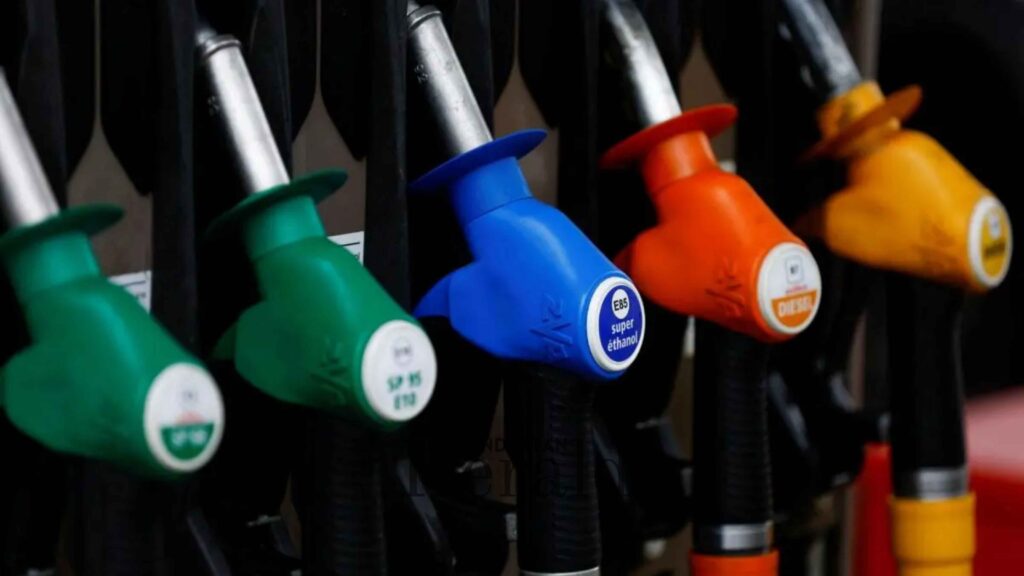
So the public has arrived at a straightforward demand: if E85 or E100 is going to cut mileage by 35 percent, then it needs to be priced 30 to 35 percent lower than petrol. That is the number people are putting out there. Whether fuel pricing policy will actually deliver that is a completely open question right now, and the government has not said much about it.
There is also the question of older vehicles. Millions of two-wheelers, autos, and cars on Indian roads were not built for high-ethanol fuel. Their owners are not going to buy new flex-fuel vehicles simply because a regulation was signed. For that segment of the market, which is enormous, the ethanol push feels less like a transition plan and more like being left behind.
The anger is real. It is grounded. And it is going to be a problem for this programme if it is not addressed directly.
The Food Question That Keeps Coming Back
There is a tension at the heart of the ethanol story that the government tends to downplay, and it involves something more fundamental than mileage: food.
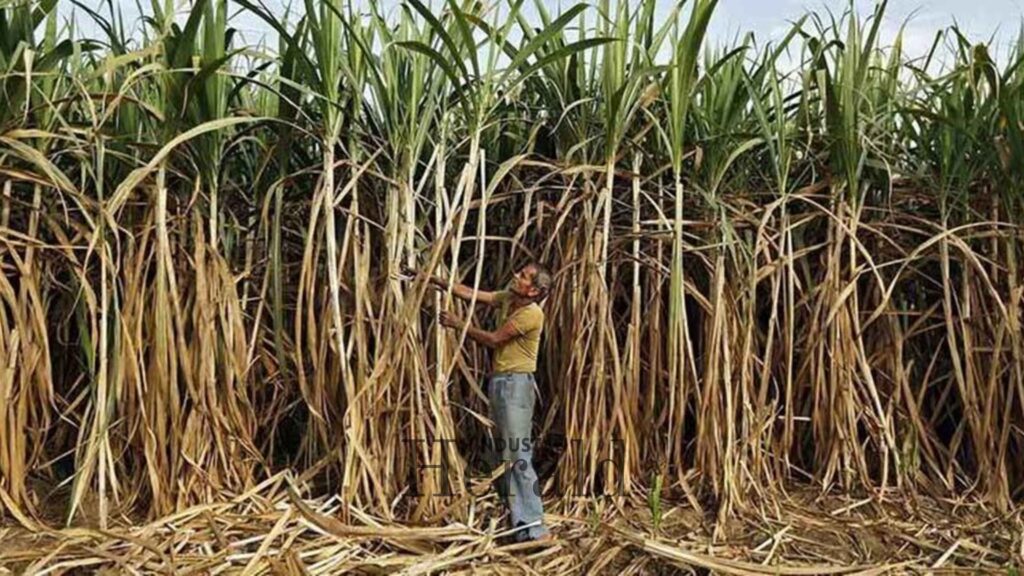
Ethanol in India comes primarily from sugarcane, molasses, and increasingly from grain crops like maize. Scaling up production enough to actually power a meaningful share of India’s vehicle fleet on high-ethanol blends requires a lot more of these raw materials. A lot more land. A lot more crop diversion.
India is not a country where food surplus is guaranteed. Large sections of the population remain food-insecure. When agricultural output is redirected toward fuel rather than food markets, commodity prices can rise. And when commodity prices rise, it is not the middle-class car owner who gets hurt the most. It is the family spending the largest share of its income on dal and cooking oil.
This is not a hypothetical concern. It is a documented pattern from other countries that went through rapid biofuel expansion. The government’s position is that ethanol production draws on surplus crops and non-food feedstocks. Critics say that “surplus” is a category that disappears quickly when a bad monsoon arrives or when global grain prices spike.
Nobody has given a satisfying answer to this yet. It remains hanging over the programme.
What Needs to Happen Next
For any of this to actually reach Indian roads in a meaningful way, three things have to move simultaneously, and none of them are simple.
Automakers have to deliver vehicles. Maruti Suzuki has been working on flex-fuel technology. Toyota has indicated interest in the Indian market for ethanol-compatible powertrains. The regulatory clarity that now exists gives these companies a stronger business case to invest. But investment announcements are not the same as cars in showrooms, and that gap can be years wide.
Infrastructure has to be built. India has roughly 89,000 fuel retail outlets. The number with the capacity to dispense E85 or E100 is, for all practical purposes, zero. Upgrading tanks, installing new dispensers, setting up logistics chains from distilleries to pumps: this is a capital-heavy, time-consuming undertaking, and no specific timeline has been announced yet.
Pricing has to make sense for consumers. This is perhaps the most politically sensitive piece. If E100 is priced at or near petrol prices, and delivers 35 percent less mileage, adoption will not happen voluntarily. The economics have to work for the person filling up the tank, not just the person at the ministry.
Brazil is the standard reference point here. That country runs a large share of its vehicle fleet on E100 and has done so for decades. The engineering is solved. The infrastructure is built. Consumer behaviour has adapted. India can get there. But Brazil did not get there in two years, and it did not get there by ignoring the concerns of its drivers.
Where This Actually Stands
What Gadkari signed is important. Getting the legal framework in place is a real step, and without it nothing else can follow. That much is fair to acknowledge.
But India has a long history of announcing energy transitions with great enthusiasm and then discovering that the distance between policy and pavement is much longer than anyone admitted up front. The ethanol programme has been running for over a decade and is still arguing about E20 at the retail level.
Two-thirds of surveyed vehicle owners are not on board. The infrastructure does not exist. The vehicles are not yet available. The pricing model has not been worked out. The food-versus-fuel debate is unresolved.
The signature happened. The hard negotiation, with industry, with consumers, with the agricultural sector, and with the basic economics of fuel, is only beginning.
Stay ahead with Hindustan Herald — bringing you trusted news, sharp analysis, and stories that matter across Politics, Business, Technology, Sports, Entertainment, Lifestyle, and more.
Connect with us on Facebook, Instagram, X (Twitter), LinkedIn, YouTube, and join our Telegram community @hindustanherald for real-time updates.

Covers Indian politics, governance, and policy developments with over a decade of experience in political reporting.
- Ananya Sharma

- Ananya Sharma
- Ananya Sharma
- Ananya Sharma




 Arun Upadhayay
  Neeraj Kapoor