
 By Ananya Sharma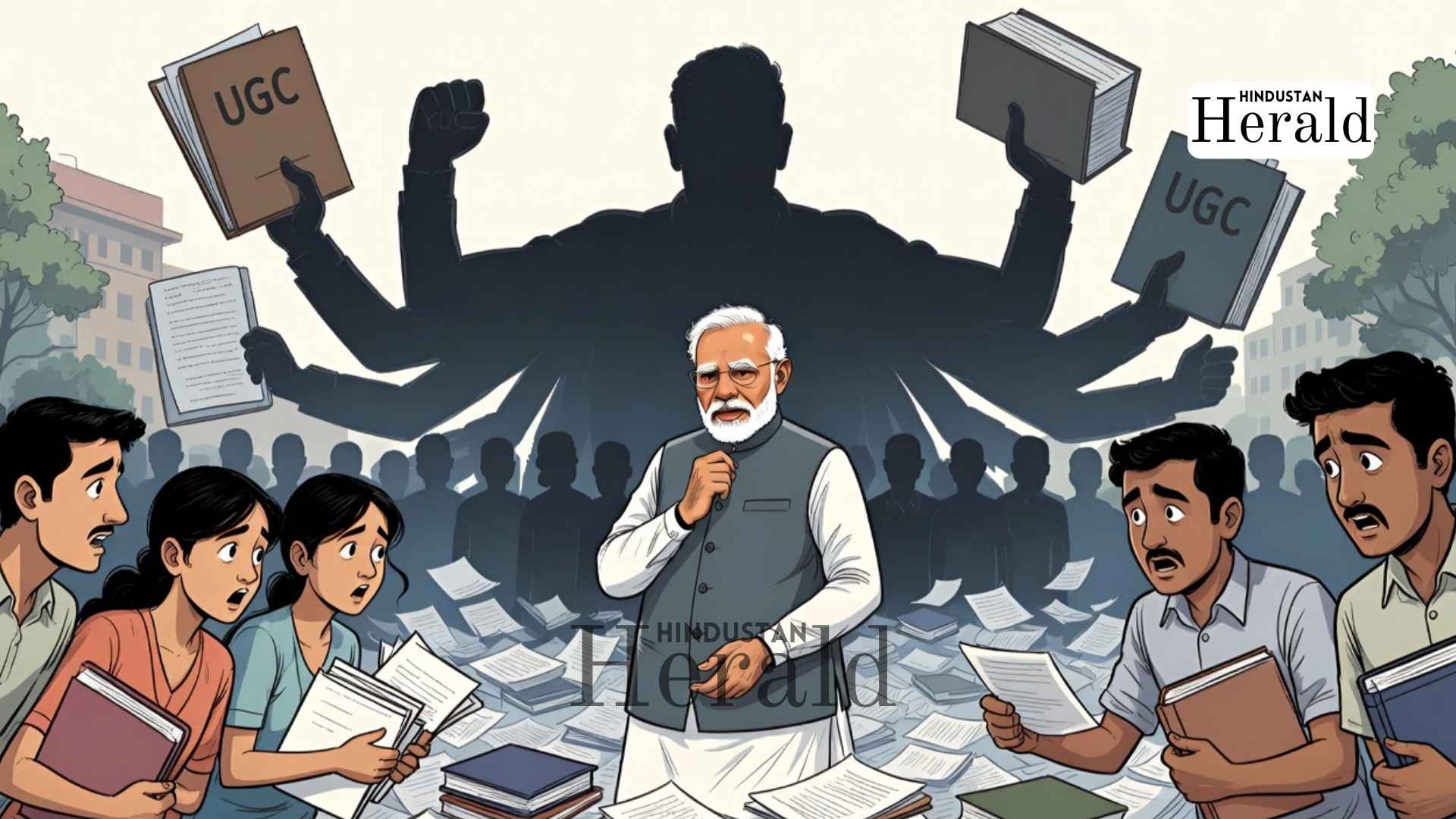
New Delhi, January 26: If you sit in a college canteen today and just listen, you will hear it. Not slogans. Not speeches. Just worry. Low voices. People are stopping mid-sentence. Someone saying, “Better not say this here.” UGC Equity Regulations
Indian campuses are used to debate. Loud debate. Argument, disagreement, even chaos. What they are not used to is this kind of silence.
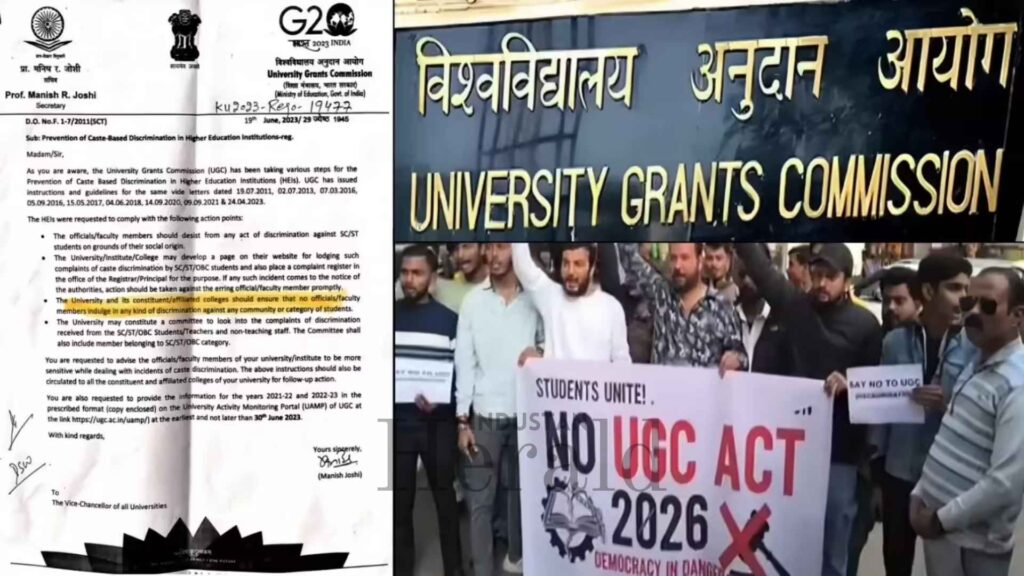
The reason, students and teachers say, is the Promotion of Equity in Higher Education Institutions Regulations, 2026, brought in by the University Grants Commission. The rules were meant to protect students from discrimination. Instead, they have left a large section of campuses feeling tense, guarded, and unsure of where they stand.
This discomfort is not imaginary. It is spreading. Fast.
What These Rules Actually Say
The regulations make it compulsory for every university and college to set up Equal Opportunity Centres and Equity Committees. These bodies will handle complaints related to discrimination faced by SC, ST, OBC, Persons with Disabilities, and women.
On the surface, that sounds reasonable. Few people disagree that discrimination exists or that marginalised students need protection.
But then people read the fine print.
The committees are supposed to be dominated by members from these protected groups. There is no rule saying general category students or faculty must be included.
For many, that feels like being judged in a court where you are not allowed to sit on the bench.
Then comes the definition of discrimination. It does not stop at clear abuse or intentional wrongdoing. It includes implicit behaviour, systemic bias, and actions that cause harm even without intent.
In plain language, you can be accused even if you did not mean anything wrong.
That one line has changed how people behave on campuses.
Why People Are Afraid, Not Angry
This is not just about protests. It is about daily life.
Teachers say they now think twice before scolding a student or questioning an assignment. Some admit they avoid mentoring too closely. Students say they are careful about jokes, debates, and even group work.
No one wants trouble. No one wants their name attached to a complaint.
General category students feel especially exposed. They say the rules talk a lot about filing complaints, but very little about protecting the accused. There is no clear mention of action against false complaints. No clear process explaining how intent will be judged. No clarity on how academic judgment will be separated from discrimination.
This is why many students are openly calling it a campus version of the SC ST Act. The comparison is uncomfortable, but it keeps coming up. The fear is not of accountability. It is to be powerless once accused.
For students who already face high cut-offs, limited seats, and years of pressure, this feels like another weight on their backs.
From WhatsApp Groups To Protest Lines
At first, people complained quietly. In hostels. On WhatsApp. On Instagram stories.
Then it moved outside.
Students protested on campuses. Letters were sent to vice-chancellors. Videos appeared online. The hashtag #RollbackUGCGuidelines started trending.
In many of those videos, students say the same thing. One complaint can ruin everything. One misunderstanding can follow you for life.
Some students say the rules are doing the opposite of what they claim to do. Instead of reducing caste consciousness, they are forcing everyone to think about caste all the time.
According to India Today Northeast, legal petitions are now being prepared. The argument is simple. A system cannot be fair if it does not protect everyone equally.
UGC Is Standing Its Ground
So far, the UGC is not backing down.

Officials say discrimination on campuses is real and deep-rooted. They argue that earlier guidelines from 2012 were weak and ignored. They say stricter rules were necessary.
They also point to the National Education Policy 2020, which talks about equity and inclusion as core goals. The commission notes that OBCs were added to the final version after feedback.
But behind closed doors, university administrators admit they are confused. How do you judge a grading dispute? How do you prove intent? How do you decide what counts as implicit bias?
Nobody seems to have clear answers yet.
What everyone is clear about is the punishment. Universities that do not comply risk losing grants. For most institutions, that threat is enough to force compliance, even if doubts remain.
The Question People Are Whispering
This debate has pushed campuses to ask something uncomfortable.
Can you fix inequality by creating fear?
Most students agree that discrimination must be tackled. No one is arguing for silence or injustice. But many feel these rules have tipped the balance too far, turning protection into power without checks.
Senior academics warn that fear does not create empathy. It creates distance. Teachers withdraw. Students stop speaking. Debate dies quietly.
One professor told The Times of India that you cannot build inclusive campuses by making people constantly afraid of being misunderstood.
Political Quiet, Campus Noise
Students have appealed to Narendra Modi, asking for intervention or at least a review. So far, there has been no direct response.
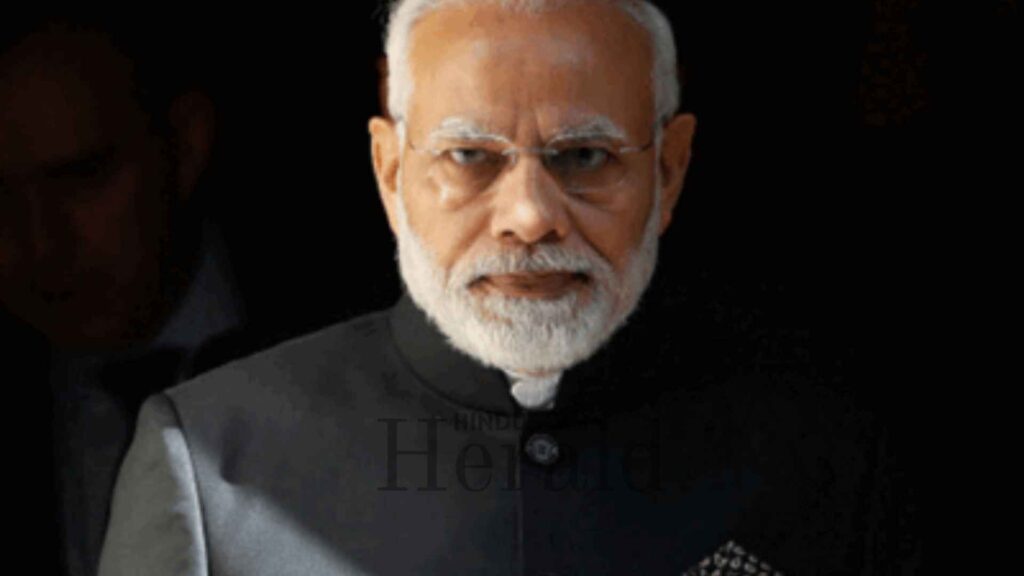
The Ministry of Education has stayed largely silent, saying the matter falls under the UGC’s authority. But with protests growing and court cases likely, that silence is starting to feel heavy.
For now, campuses are uneasy places. Not violent. Not chaotic. Just tense.
A set of rules meant to make universities fairer has, at least for the moment, made people afraid to speak freely. And once that fear settles into classrooms, it does not leave easily.
Stay ahead with Hindustan Herald — bringing you trusted news, sharp analysis, and stories that matter across Politics, Business, Technology, Sports, Entertainment, Lifestyle, and more.
Connect with us on Facebook, Instagram, X (Twitter), LinkedIn, YouTube, and join our Telegram community @hindustanherald for real-time updates.

Covers Indian politics, governance, and policy developments with over a decade of experience in political reporting.
- Ananya Sharma

- Ananya Sharma
- Ananya Sharma
- Ananya Sharma