
 By Ananya Sharma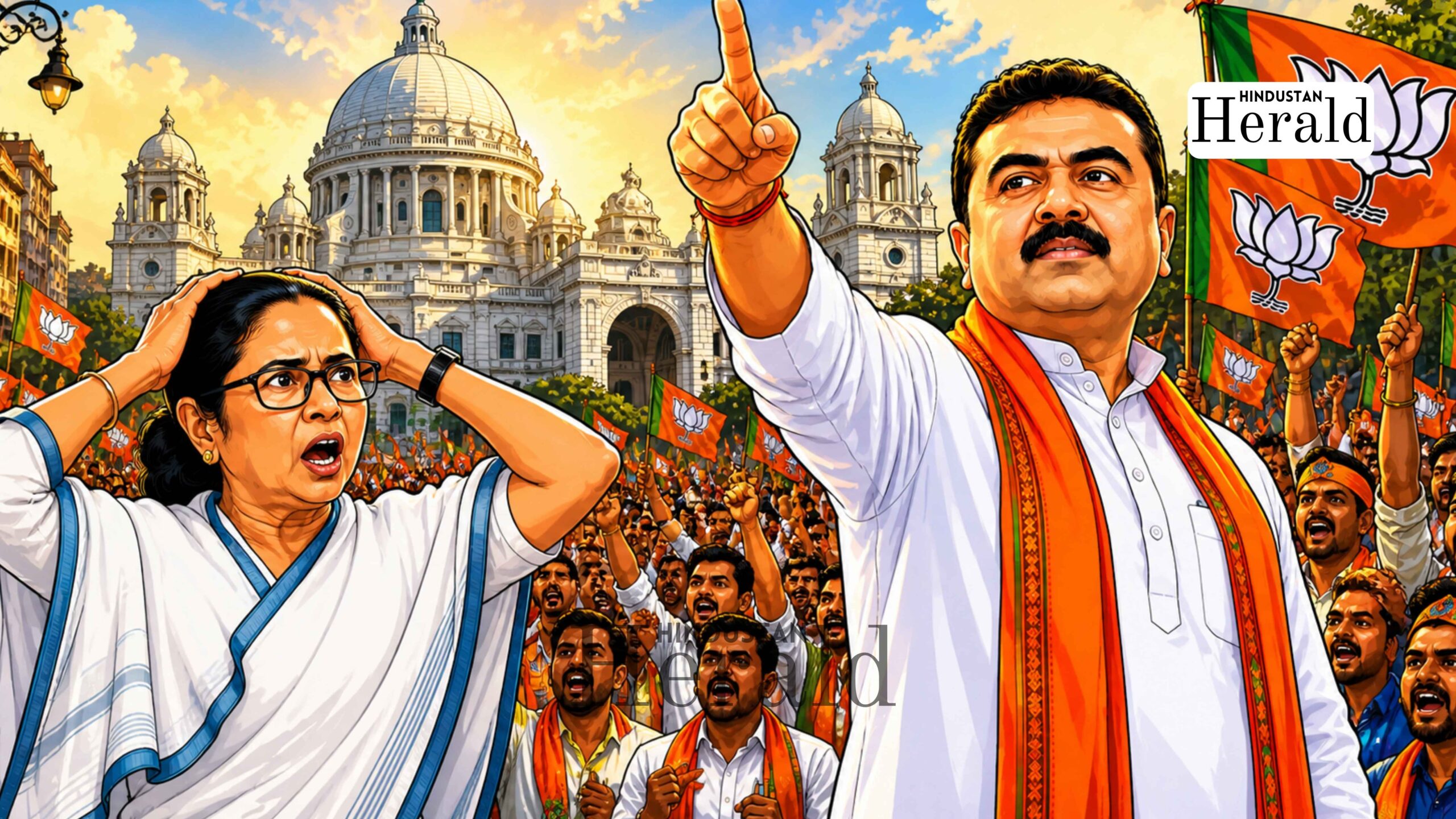
Kolkata, May 4: Nobody really believed it until the numbers started coming in. Sure, the exit polls had been saying something big was coming. Sure, the BJP had been quietly confident in the weeks before counting day. But West Bengal has a habit of making fools out of people who think they have it figured out. This is the state that kept the communists in power for 34 years. This is the state where Mamata Banerjee won from a wheelchair in 2021 and laughed in the BJP’s face. So even on Sunday morning, as the first trends trickled out of the 77 counting centres, a lot of people were still waiting for the twist.
There was no twist.
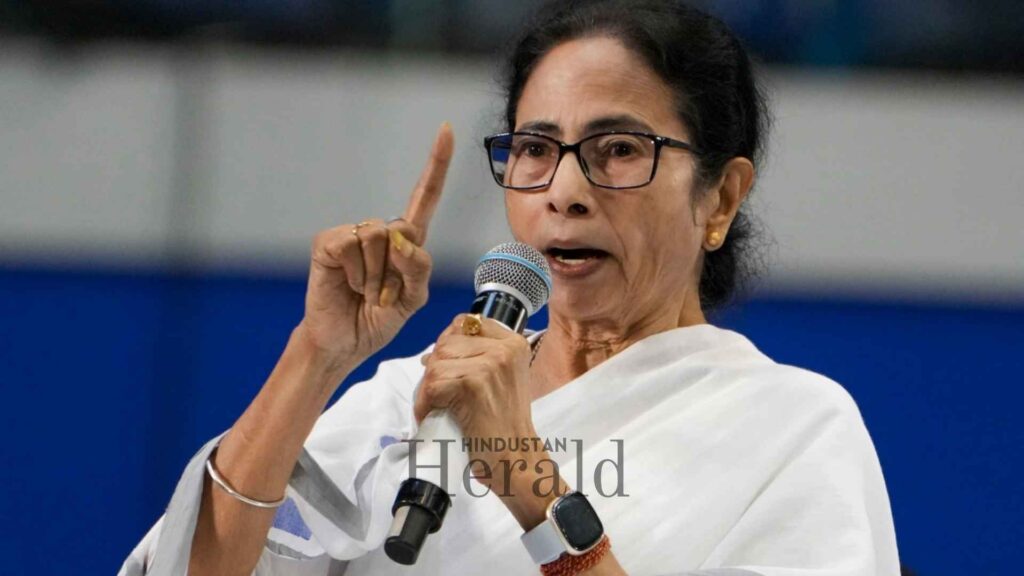
By the time the day was done, the BJP had crossed 200 seats. The TMC was sitting somewhere around 80. And Mamata had lost her own seat in Bhabanipur to the man she once treated like a trusted member of her inner circle.
Fifteen years. Over.
How Did We Even Get Here
To understand Sunday, you have to understand what the last few years actually felt like on the ground in Bengal, not the TV debate version, the real version.
After 2021, when Mamata held on despite everything the BJP threw at her, there was a sense that this state had made its choice and was not changing its mind. The TMC was dominant. The BJP had 77 seats but no real path to power. The Left was basically finished. Congress was irrelevant. It was Mamata’s Bengal.
Then the cracks started showing.
The biggest one was the teacher recruitment scandal. This was not some abstract corruption story about files and files and money changing hands in government offices. This was families. Real families, across districts, whose sons and daughters had spent five, seven, sometimes ten years preparing for government teaching jobs, clearing examinations, waiting, hoping. And then finding out the whole thing was a racket. That the posts had been sold. That the merit list was a joke. That someone with connections and cash had walked into the job their child had spent a decade preparing for.
That kind of anger does not show up in press conferences. It sits quietly in households. And it votes.
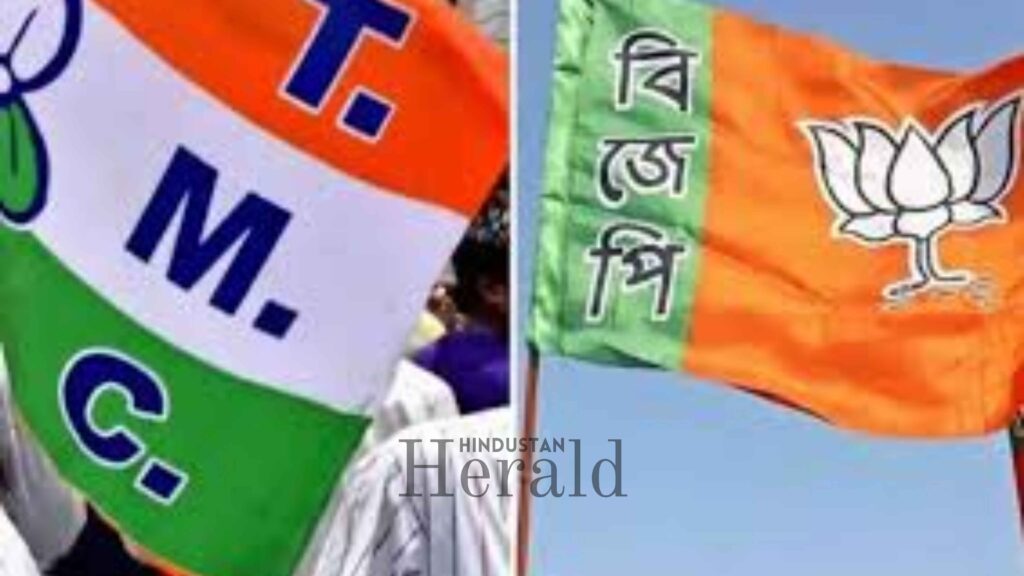
Law and order was the other running complaint. Whether it was local strongmen running entire neighbourhoods under TMC protection, or incidents of communal tension that the state government handled clumsily, or just the everyday sense in many places that justice was not equally available to everyone, the grievances had been building. People talked about it at tea stalls. They talked about it at weddings. They stopped saying it quietly somewhere around this election.
The BJP kept showing up through all of this. Not flashily. Booth by booth, village by village. The party that had been seen as an outsider in Bengal for most of its existence had spent years putting roots down in places nobody was watching closely. On Sunday, those roots held.
Bhabanipur and the Defeat That Felt Personal
There are election results and then there are moments within results that carry a different kind of weight.
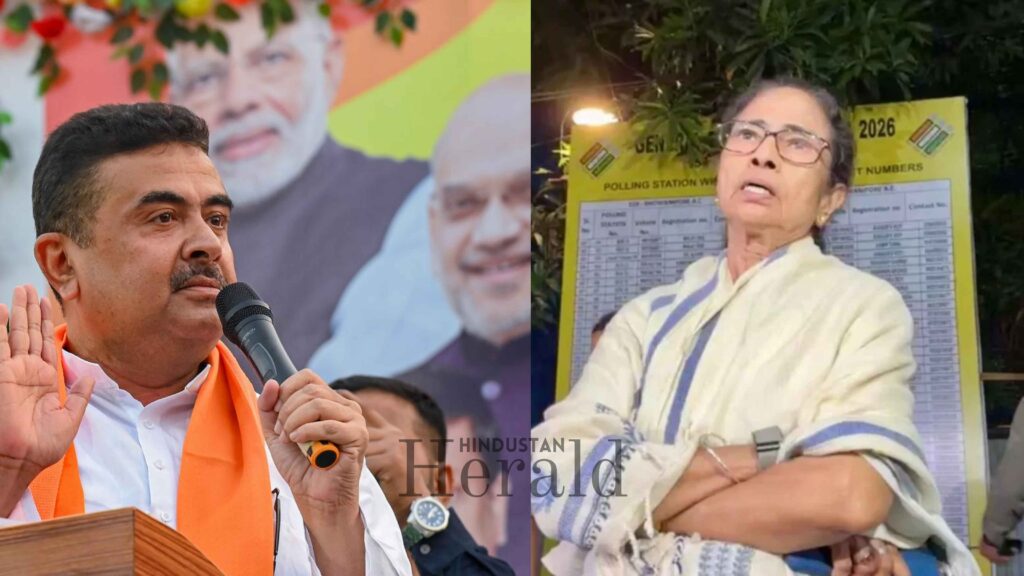
Suvendu Adhikari beating Mamata Banerjee in Bhabanipur by over 15,000 votes is that kind of moment.
Adhikari was not just a BJP opponent. He was Mamata’s person. He managed her campaigns. He understood how her political machine worked because he helped build parts of it. He was the kind of insider that you trust with the difficult conversations, the sensitive operations. For years he was seen as one of her most capable political lieutenants.
He left in 2020. Joined the BJP. And spent the next five years taking her apart piece by piece in the public sphere.
Mamata responded by choosing Bhabanipur, her own seat, as the place she would prove a point. She would stand there, look him in the eye, and win. That was the plan.
She lost by 15,000 votes.
For people who follow Bengal politics closely, that result is almost hard to process even now. This is a woman who has never backed down from anything in her political life. She got hit by a car in 1990 during a political procession and came back. She was beaten up by CPM workers and came back. She fought a 34-year entrenched government and won. Losing in Bhabanipur, to Adhikari, is the kind of thing that ends chapters in a way nothing else quite does.
What Ordinary People Were Actually Saying
Step away from the analysis for a second and just listen to what voters were saying in the weeks and days before the election.
In North 24 Parganas, in villages where the Matua community lives in large numbers, the talk kept coming back to citizenship. These are families who came over from what is now Bangladesh decades ago. Many of them have lived in India their entire lives, paid taxes, sent children to government schools. But their citizenship papers were never fully sorted. The Citizenship Amendment Act promised a path. The BJP promised that a BJP government in Bengal would actually make that path functional. For Matua families, this was not politics. It was their lives.
In Murshidabad and parts of the districts along the border, the conversation was different. Illegal immigration from Bangladesh had become a genuine local concern, not just a talking point. Farmland disputes, wage competition for daily labour, pressure on local resources. The BJP had been hammering on this for years and in many of these areas it had cut through.
In Kolkata’s middle class neighbourhoods, the teacher recruitment scandal was the thing people kept coming back to. Educated families, families who believed in government service as a ladder for their children, felt directly betrayed.
And then there was the quieter, harder to quantify thing. The sense among many Hindu voters that the TMC government had been making political calculations that did not include them. This feeling had been building for years, pushed along by the BJP’s campaign but also rooted in specific incidents and specific local experiences that varied from district to district.
Seema Das, a woman who works as domestic help in Delhi and came all the way back to her village in Bengal just to vote, told reporters that she had voted for Mamata every single time before. This election was different. Her mother-in-law had been telling her for months that Didi only looks after one community. Das had thought about it, and decided to vote BJP. She is one person. But she is also, in that moment, a stand-in for a very large number of people who made a similar calculation quietly in the weeks before polling day.
The Voter List Business That Will Keep Coming Up
There is something that happened before this election that is going to be argued about in courts and newsrooms for a long time.
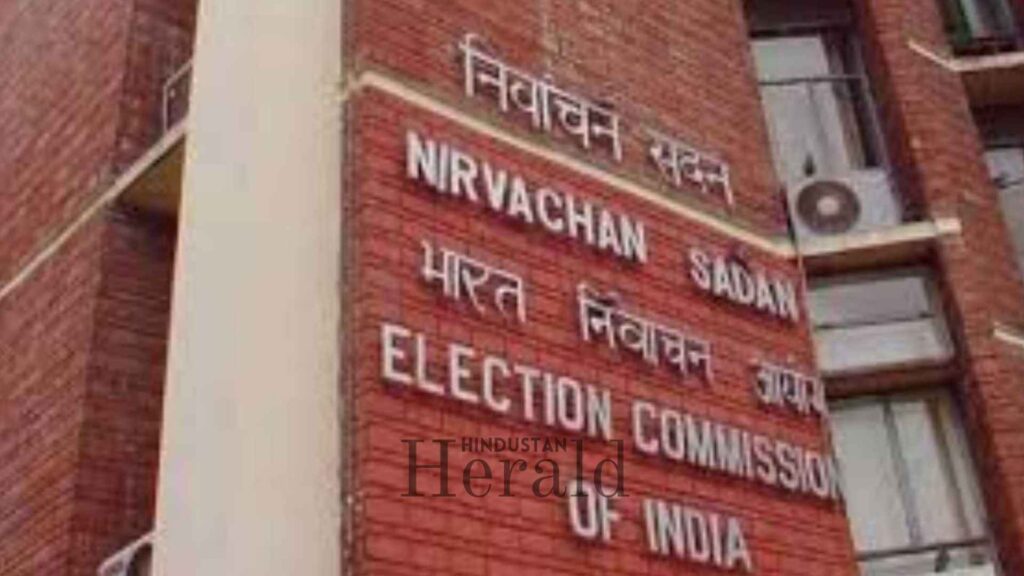
The Election Commission went through Bengal’s voter rolls and removed around nine million names before polling day. Nine million. That is roughly 12 per cent of the entire registered voter base in the state.
The official explanation was that the list needed cleaning. Dead voters, people who had moved away, illegal migrants whose names had no business being on an Indian voter roll. Fair enough, that kind of maintenance happens.
But when observers looked at the breakdown of who got removed, and especially who ended up in the unresolved category, a different picture emerged. Around 65 per cent of voters whose status was still unclear before polling day were Muslim. Dalit Hindu voters, especially from the Matua community in certain districts, were also caught up in the process.
The TMC called it targeted disenfranchisement from day one. The BJP said the TMC was just trying to protect a fake voter base that had been padding their numbers for years. Rahul Gandhi, on results day itself, said flatly that more than 100 seats in Bengal had been stolen, accusing the Election Commission of working hand in glove with the BJP.
The BJP dismissed all of that as the predictable noise of a party that lost and needed an excuse.
The legal challenges are already in motion. Tribunals will eventually rule on some of this. Whether it changes anything about who governs Bengal, almost certainly not. But whether this election gets an asterisk next to it in the history books is a question that genuine democracy watchers will keep asking.
The CM Question and Why Nobody Knows Yet
If you are waiting for a straight answer on who becomes Chief Minister of West Bengal, you will be waiting a few more days at least.
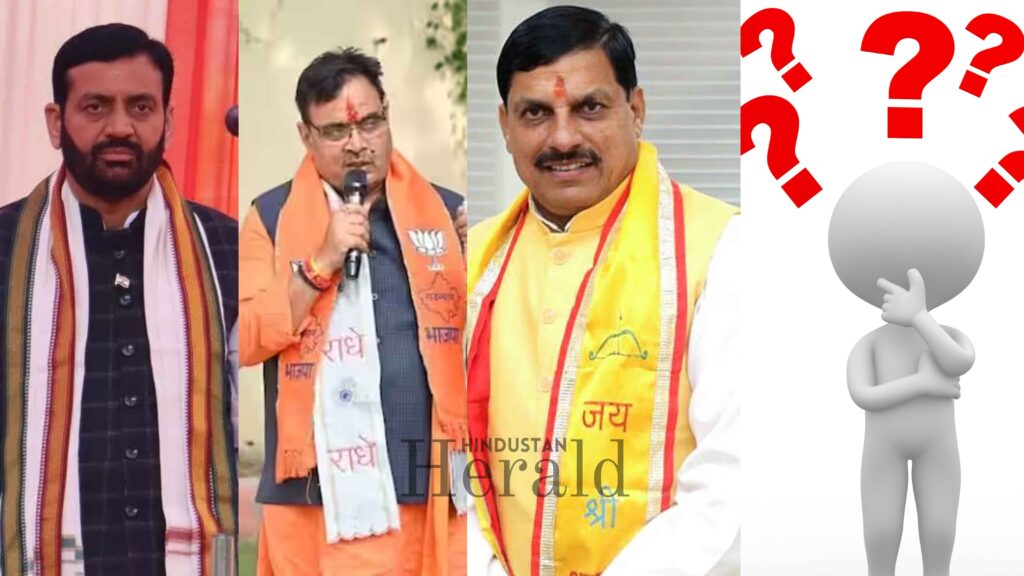
The BJP does not do things the straightforward way when it comes to picking state chief ministers. They kept everyone guessing in Madhya Pradesh and landed on Mohan Yadav. Nobody had that on their bingo card. Same story in Rajasthan with Bhajan Lal Sharma and in Haryana with Nayab Singh Saini. The party has a clear pattern of making a choice that surprises everyone, usually someone with strong organizational loyalty who does not carry too much baggage from internal faction wars.
Bengal will probably be the same.
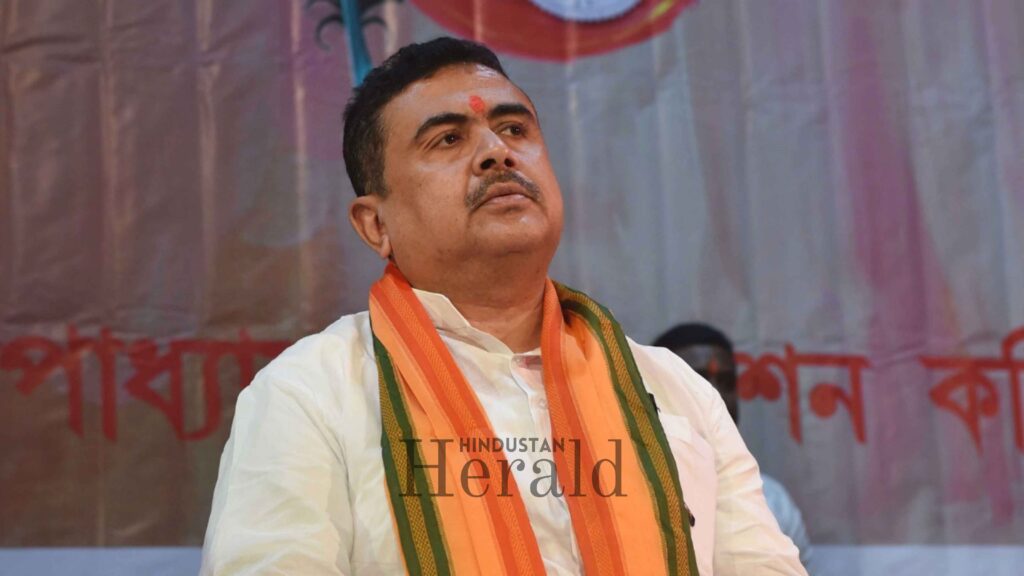
The name everyone is talking about is Suvendu Adhikari. His victory over Mamata gives him a claim that is very hard to argue against. He is the most recognizable BJP face in the state, he knows how power works in Bengal, and he has the kind of political credibility that comes from actually delivering results under pressure.
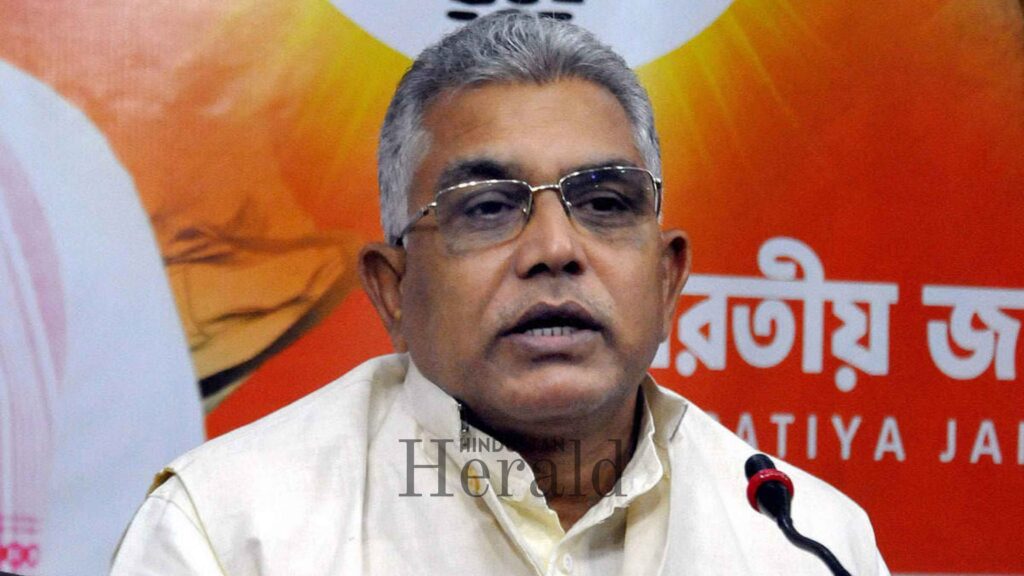
Dilip Ghosh is the other senior name. He built the BJP in Bengal when building it meant getting beaten up at public meetings in certain districts. He knows the party’s roots in this state better than almost anyone. For grassroots workers who remember those years, Ghosh represents something real.
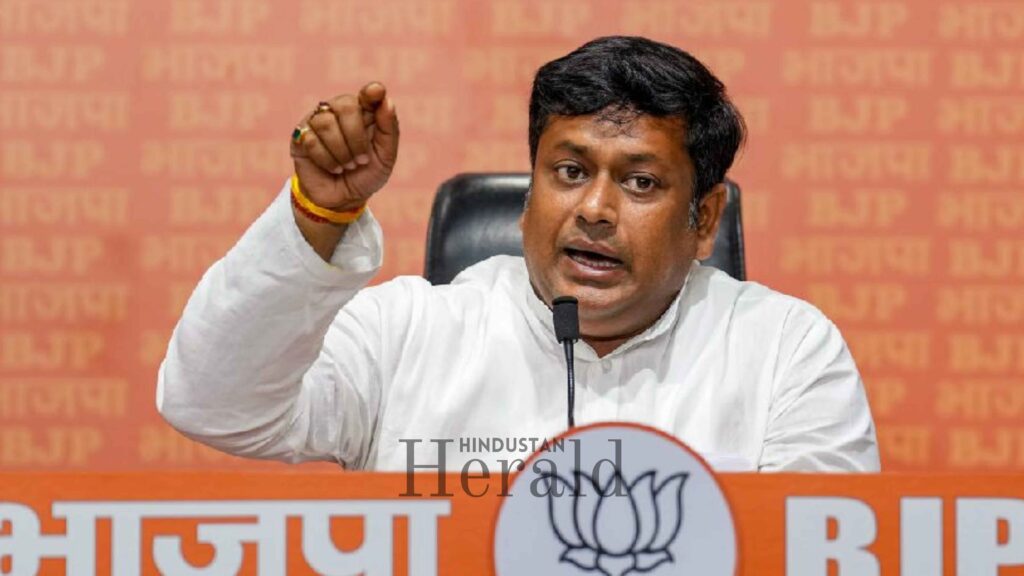
Sukanta Majumdar is the Delhi-aligned option. Younger, smoother, comfortable with the central leadership’s style of governance. If Modi and Amit Shah want to plant someone in Nabanna who will run a tight ship and take direction from the centre, Majumdar fits that picture.
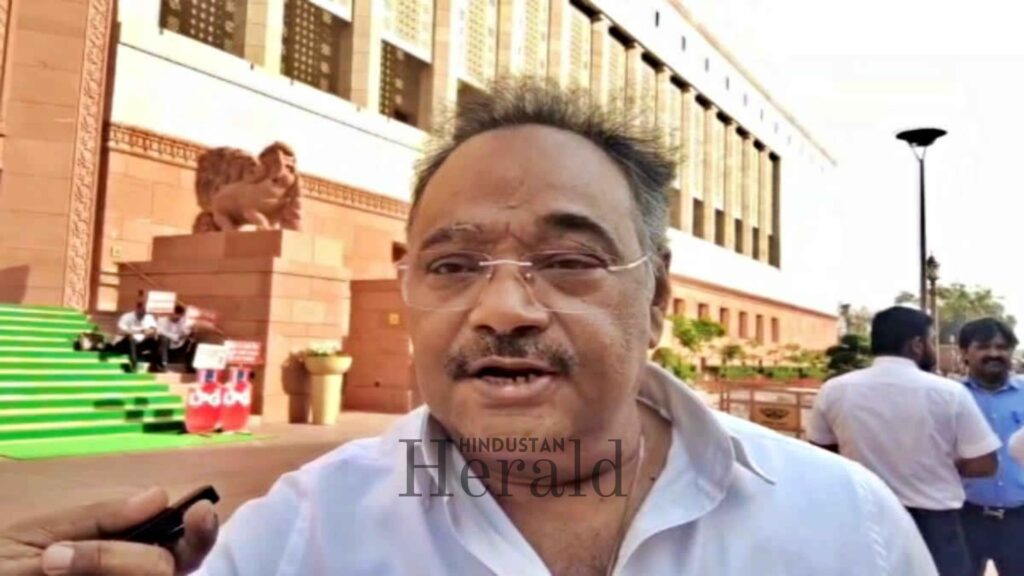
Samik Bhattacharya is the name that keeps coming up as the compromise candidate if the bigger names create too much friction among party factions.
As of Sunday evening, nothing has been announced. The decision sits with Modi and Shah. They will call it in the coming days, and it will probably not be the name most people expect.
What This Day Will Be Remembered For
Bengal does not change easily. That is the thing. This is a state with a deep and proud political identity. It has its own language, its own literary tradition, its own way of seeing the world. Politically, it held the Left for 34 years through sheer organizational discipline before finally tiring of them. It gave Mamata 15 years of genuine loyalty before this.
The BJP winning here is not just a number in a national seat tally. It is a fundamental shift in how this state sees itself politically and how the rest of the country sees it.
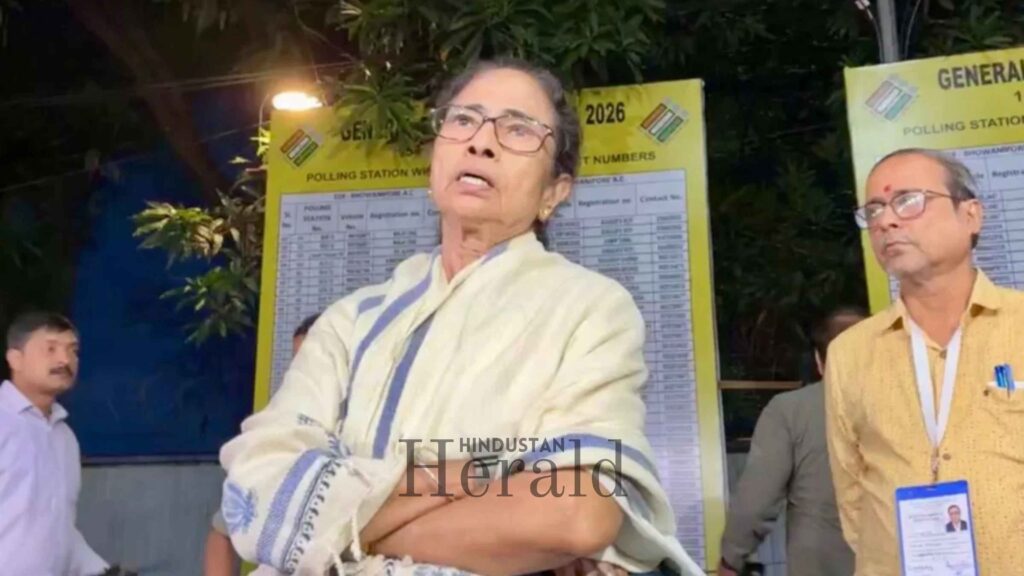
For Mamata Banerjee, this is a day she will carry for the rest of her life. She is not the kind of person who disappears after a loss. She will fight back, somehow, in some form. Whether the TMC survives as a meaningful force without the pull of state power holding its various factions together is a genuine question that nobody can honestly answer right now. Political parties that lose government after 15 years tend to either restructure dramatically or slowly fall apart. The TMC will face that test starting this week.
For the people of Bengal, the practical question is a simple one. Life under a BJP government in Nabanna will feel different from life under Mamata. Different faces at the top. Different priorities. Different relationship with Delhi. Whether that difference is better or worse for the farmer in Birbhum, the daily wage worker in Hooghly, the student in Jalpaiguri, that is not something any journalist or analyst can tell you today.
That answer will come later, from the ground, from the people who actually live with whatever comes next.
For now, the only thing that is certain is that West Bengal just rewrote its own story. And nobody, not the BJP strategists, not the TMC faithful, not the political scientists who have spent careers studying this state, quite saw it coming at this scale.
That alone tells you something about the place.
Stay ahead with Hindustan Herald — bringing you trusted news, sharp analysis, and stories that matter across Politics, Business, Technology, Sports, Entertainment, Lifestyle, and more.
Connect with us on Facebook, Instagram, X (Twitter), LinkedIn, YouTube, and join our Telegram community @hindustanherald for real-time updates.

Covers Indian politics, governance, and policy developments with over a decade of experience in political reporting.
- Ananya Sharma

- Ananya Sharma
- Ananya Sharma
- Ananya Sharma



 Ayesha Khan and Ananya Sharma