 By Ananya Sharma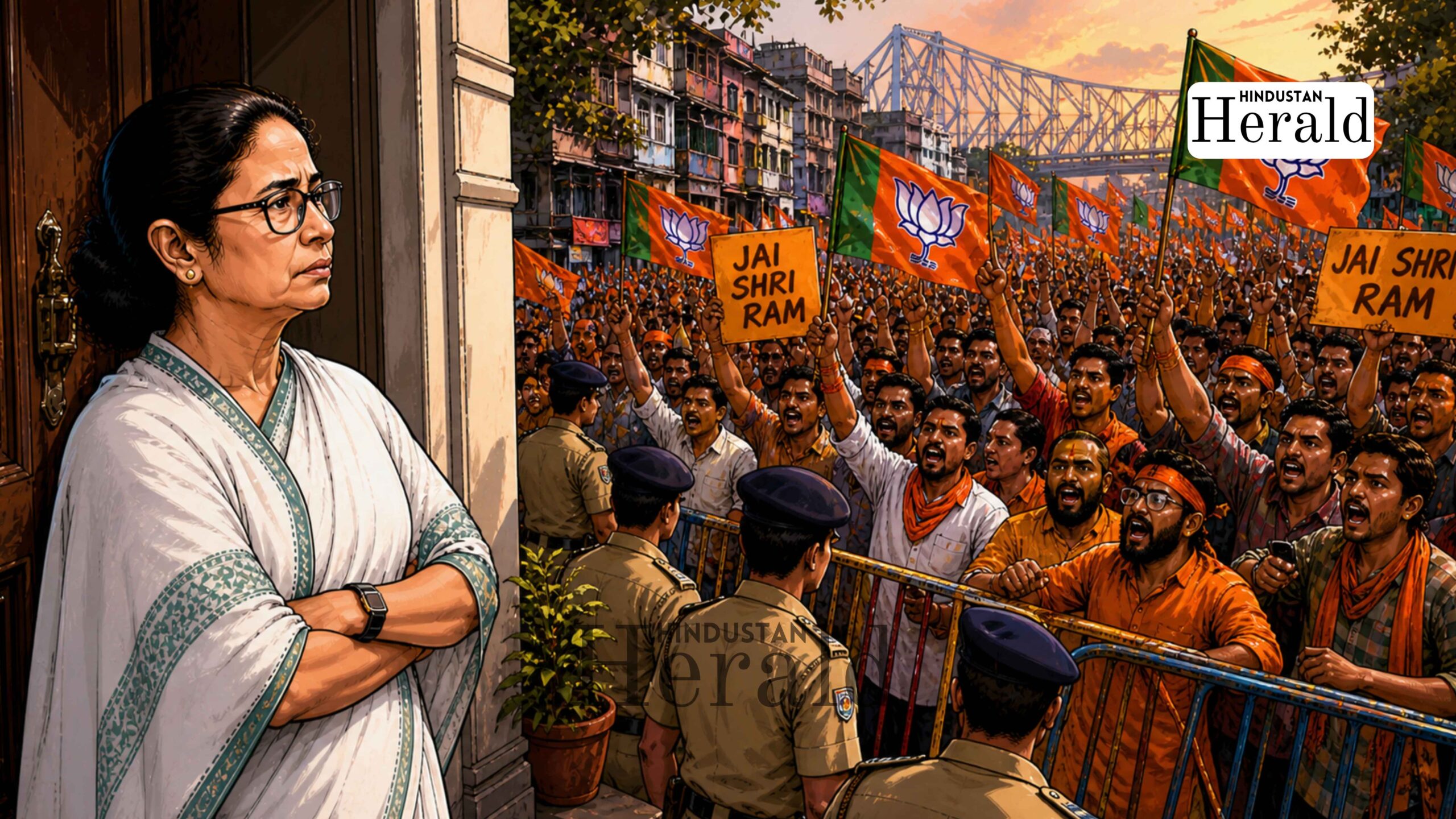
Kolkata, May 4: Nobody really expected the counting day to feel like this. By mid-morning on Monday, the streets outside Mamata Banerjee’s Kalighat home, the same lanes where she has walked, campaigned, and built an entire political empire over three decades, were filled with BJP workers chanting ‘Jai Shri Ram’. Loudly. Repeatedly. And with the kind of confidence that only comes when the numbers are moving in your favour.
It was provocative. It was calculated. And in the context of West Bengal politics, it was about as loaded a moment as you can get.
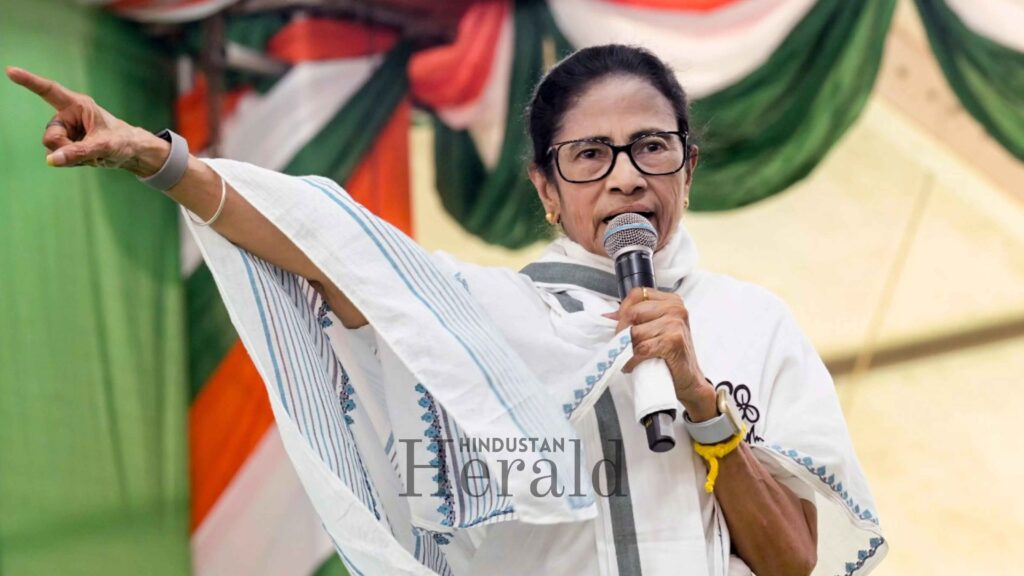
The chant itself has a long and contentious history in this state. Banerjee has objected to it in public more than once, famously refusing to respond to it during political tours, calling it a tool of intimidation rather than faith. The BJP has leaned into that friction for years, using the slogan as both a cultural assertion and a direct provocation aimed at the TMC leadership. On Monday, they brought it straight to her front door.
The Numbers That Made It Possible
You don’t do something like that without reason. And the reason, on Monday morning, was sitting on every television screen across the country.
As counting progressed through the early rounds, the BJP was leading in well over 150 seats. At one point, the tally showed them ahead in 171 constituencies while the Trinamool Congress the party that has governed this state since 2011 was leading in just 83. Those are not comfortable leads. Those are numbers that make careers and end them.
Seats that the TMC has long taken for granted were flipping. Jhargram, Asansol Dakshin, Kharagpur Sadar, Bankura, Durgapur Purba constituencies spread across Junglemahal, the industrial belts, North Bengal all showing BJP leads. Even in Kolkata, where BJP‘s Purnima Chakraborty was reported to be ahead of TMC‘s Shashi Panja, a result that would have been dismissed as fantasy not too long ago.
Suvendu Adhikari, never a man to underplay a moment, was already talking about forming the government with more than 180 seats. Whether that number holds or not, the direction of travel was unmistakable.
Bhabanipur: The Personal Wound
Among all the numbers being watched on Monday, the one that really mattered politically, symbolically, and emotionally was Bhabanipur.
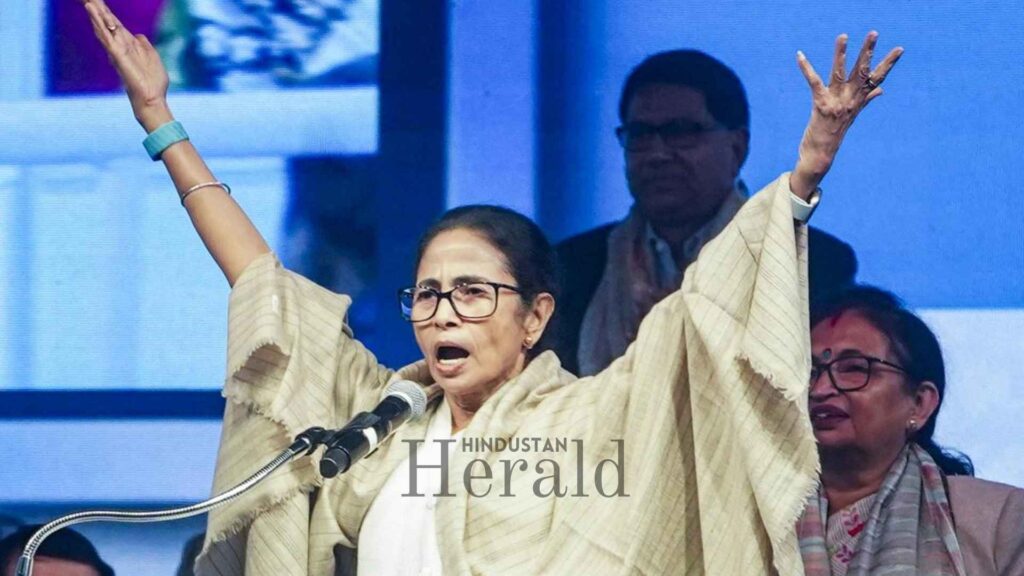
This is Mamata Banerjee‘s own seat. The constituency she retreated to after losing Nandigram to Adhikari in 2021. The place that handed her back her Chief Ministership. It has always been her safest ground. The one place where a defeat would be not just electoral but deeply personal.
And for a stretch of Monday morning, she was trailing there by over 4,800 votes.
Later rounds reportedly narrowed that gap and she moved ahead, but the damage to the TMC’s morale was done. When a Chief Minister is fighting to hold her own seat while her party is bleeding across the state, the atmosphere inside party headquarters tends to get very quiet very quickly.
Banerjee came out fighting, as she always does. She posted on X, urging workers to stay alert at counting centres, claiming power outages were being engineered near strong rooms to allow suspicious movements of vehicles. She named specific locations Serampore in Hooghly, Krishnanagar in Nadia, Ausgram in Burdwan, and a centre in Kolkata itself. She released a video telling supporters the battle was still on and to wait and watch. Her language was combative, her tone defiant.
That said, defiance is easier to sustain when the trends are with you.
A Day That Did Not Start Peacefully
By the time the BJP workers arrived outside Kalighat with their chants, the state had already seen several flashpoints.
Clashes were reported from Cooch Behar as counting got underway. In Asansol, a scuffle broke out near the counting centre at Asansol Engineering College, with reports of property damage. In Barrackpore, rival groups of TMC and BJP supporters had engaged in high-decibel face-offs outside counting venues since early morning. BJP leader Arjun Singh alleged that police conducted midnight raids at the homes of local party leaders in the area an allegation the police had not officially responded to at the time of filing.
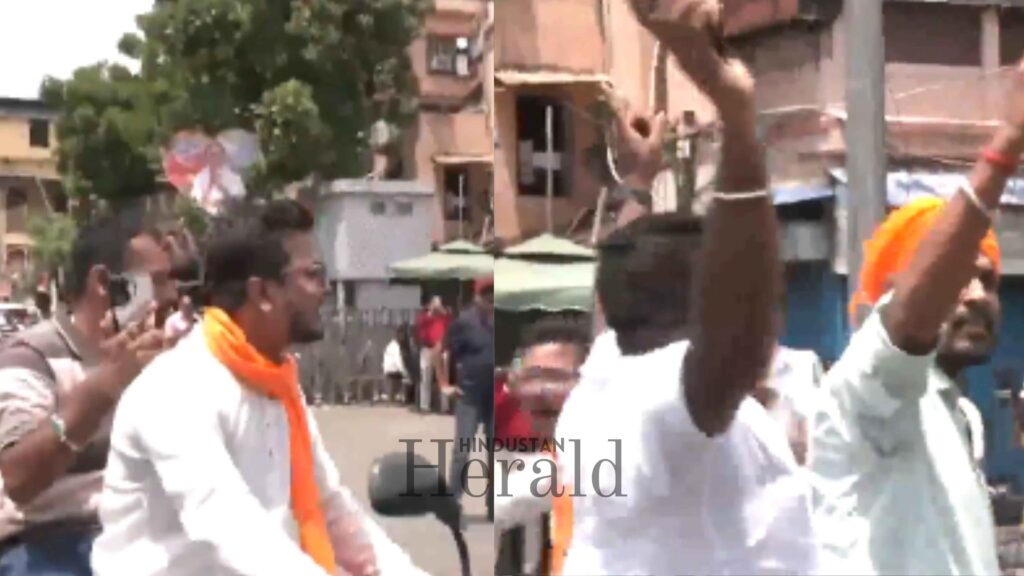
None of this is entirely surprising. West Bengal elections have rarely been quiet affairs, and this one, which saw a remarkable 92.47 per cent voter turnout was always going to carry an intensity that spilt beyond polling booths and counting halls. The stakes were simply too high for it to be otherwise.
The tension had actually begun well before counting day. During the second phase of polling, Kalighat had already seen confrontation when Adhikari visited a booth near Joy Hind Bhavan and was met with TMC workers chanting ‘chor, chor’. BJP workers fired back with ‘Jai Shri Ram’. Police had to intervene. A lathi-charge was reportedly used to disperse the crowd. Adhikari complained to the Election Commission and demanded more central forces. Banerjee accused the BJP of trying to rig the election using central forces and poll officials. Both sides claimed victimhood. Neither backed down.
Monday was simply the continuation of all that, now with actual electoral outcomes to fight over.
What This Election Is Really About
It is worth stepping back for a moment and asking what exactly is happening here, because this is not just a state election result. It is something larger.
West Bengal has been one of the few major states that has consistently resisted the BJP‘s national dominance. In 2019, the party made significant Lok Sabha gains here, winning 18 seats. But in the 2021 assembly elections, Banerjee held firm, winning a clear majority and becoming something of a national symbol for opposition politics, the woman who stopped Modi and Shah‘s machine at the border of Bengal.
That narrative is now under serious challenge. If the trends of Monday morning hold, the BJP will have achieved in 2026 what it could not in 2021, and it will have done so in Mamata Banerjee‘s own backyard, with her own seat in doubt for a stretch of the morning. The scale of the shift, if confirmed, would represent one of the more significant electoral reversals in recent Indian political history.
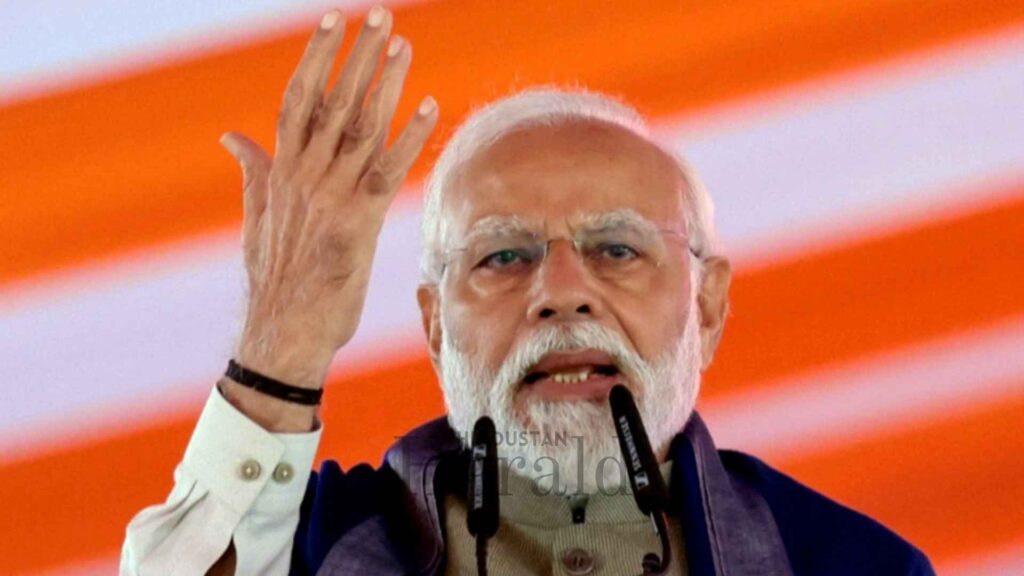
The reasons are not simple and cannot be reduced to any single factor. Anti-incumbency after fifteen years is real. The TMC‘s internal factionalism has been an open secret. Allegations of corruption and political violence have dogged the ruling party for years. The BJP ran an aggressive, nationally resourced campaign with PM Modi making multiple visits to the state. And the 92 per cent turnout was extraordinary by any standard, suggesting a mobilised electorate that had something urgent to say.
Whether that something was a verdict for the BJP or against the TMC or both will be debated for a long time. As it turns out, those two things do not always mean the same thing.
The Image That Stays
Whatever the final count brings, the image of Monday BJP supporters, flushed with early leads, standing outside the Kalighat residence of a sitting Chief Minister and chanting ‘Jai Shri Ram’ into the humid Kolkata morning air is the one that will define this day.
It was not a spontaneous gathering of the faithful. It was a message. Delivered to the most powerful address in Bengal’s political geography, on the day that power itself was up for question.
Mamata Banerjee has survived worse moments than this. She has been written off before and come back. But the ground beneath her has shifted in ways that even her most loyal supporters would struggle to fully explain, and the men and women chanting outside her home on Monday knew it.
For now, the numbers will keep coming in. The leads will firm up or narrow. The final picture will take shape through the day. But the political temperature of West Bengal already running hot through a long and bitter campaign is not going to cool anytime soon.
Stay ahead with Hindustan Herald — bringing you trusted news, sharp analysis, and stories that matter across Politics, Business, Technology, Sports, Entertainment, Lifestyle, and more.
Connect with us on Facebook, Instagram, X (Twitter), LinkedIn, YouTube, and join our Telegram community @hindustanherald for real-time updates.

Covers Indian politics, governance, and policy developments with over a decade of experience in political reporting.
- Ananya Sharma

- Ananya Sharma
- Ananya Sharma
- Ananya Sharma