 By Ananya Sharma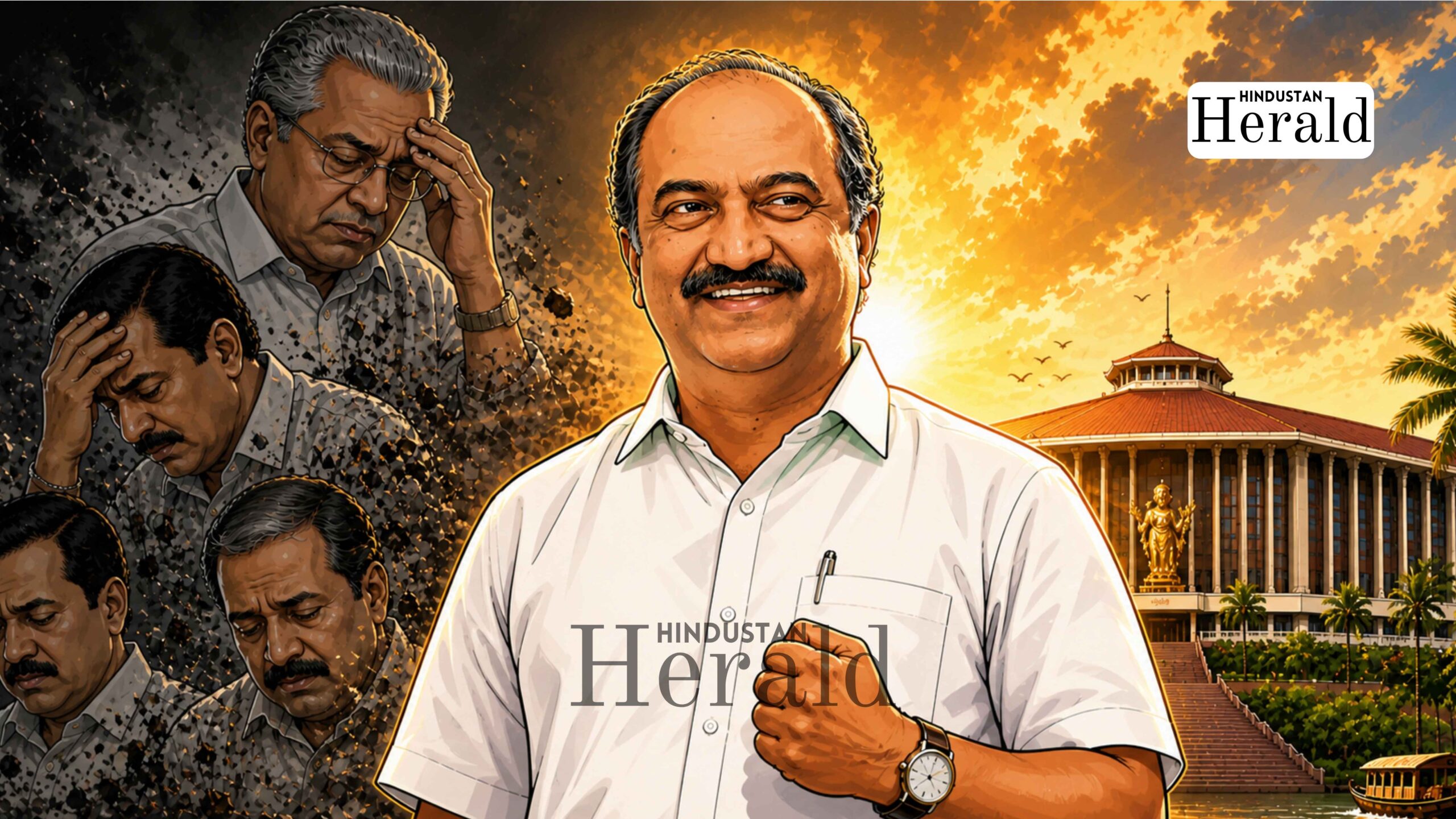
Thiruvananthapuram, May 5: K.N. Balagopal did not win big on Sunday. He barely won at all. The outgoing Finance Minister of Kerala scraped through Kottarakkara by just 1,012 votes a constituency where, five years ago, he had walked home with a majority of ten thousand. In any other year, that kind of shrinkage would be treated as a warning sign, a near-miss worth dissecting at the party headquarters. This year, within the Left Democratic Front, it is being quietly treated as a miracle.
Because almost everyone else lost.
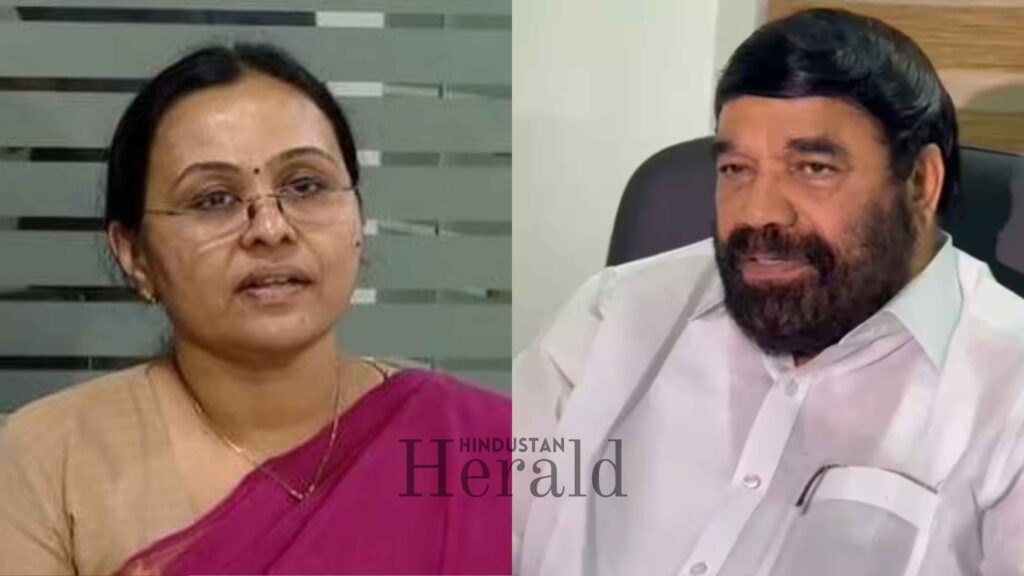
Thirteen of the twenty-one ministers in Chief Minister Pinarayi Vijayan’s cabinet were voted out on May 4. Health Minister Veena George is gone. V.N. Vasavan, gone. R. Bindu, gone. The LDF, which had made history in 2021 by becoming the first government in four decades to return to power in Kerala, has now been handed one of the most comprehensive defeats the state has seen in recent memory. The Congress-led United Democratic Front won 102 of 140 seats. The Left is down to 35.
In that context, Balagopal’s thin survival in Kottarakkara has taken on an outsized significance. Because now, as the LDF figures out how to function as an opposition after a decade in power, his is one of the very few names left standing.
The Kottarakkara Contest Nobody Quite Expected
To understand what happened in Kottarakkara, you have to go back a few years. Aisha Potty is not some outsider who wandered in and nearly upset the Finance Minister. She was CPI(M). A two-time MLA from the same constituency, actually. The party did not field her in 2021, choosing instead to apply its two-term norm and bring in K.N. Balagopal. She stepped aside. Balagopal won comfortably, became Finance Minister, and that, most assumed, was that.
Then in January this year, Potty joined Congress.
The Congress fielded her in their very first candidate list, straight back into Kottarakkara. She walked in carrying five years of frustration, a local support base she had spent decades building, and the quiet sympathy of Left voters who felt she had been wronged. The BJP, for their part, fielded R. Resmi who had come second in 2021 while still with Congress, adding a third credible name to an already charged fight.
Right through counting day, the numbers were tight enough to make LDF workers nervous. K.N. Balagopal was trailing at points during the early rounds. By the end, he had 63,926 votes. Potty had 62,914. Resmi finished with 20,664. The margin that separated a sitting Finance Minister from losing his seat was just over a thousand votes.
That is not a comfortable position for anyone. But in a state where the LDF’s ministerial bench was being wiped out constituency by constituency, K.N. Balagopal, holding on however narrowly, suddenly made him one of the most important survivors in Kerala politics.
What the Broader Result Actually Means
The scale of the UDF victory deserves a moment of honest reckoning, separate from any single constituency story. Kerala had, until now, been running an unusual political experiment. The LDF’s 2021 win broke a 44-year pattern of voters throwing out incumbent governments. For one term, at least, it appeared that the state had moved past that reflex.
The 2026 result suggests it had not. It had simply delayed it.
The UDF’s 102-seat tally is the highest the front has ever achieved, surpassing even the 99 seats it won in 2001, previously its peak. For the CPI(M), which had been confidently projecting continuity right through the campaign, the defeat has been total in a way that pure seat counts do not fully capture.
Some of the damage came from within. Several prominent CPI(M) leaders quit the party just before polling and contested against it. They did not just participate, they won. V. Unnikrishnan and T.K. Govindan, both of whom left citing corruption and nepotism inside the party, secured victories from Kannur, which has long been considered the CPI(M)’s deepest ideological territory. Losing Kannur strongholds to people who walked out of your own party is not a loss you can attribute to national trends or media narratives. It is something more uncomfortable.
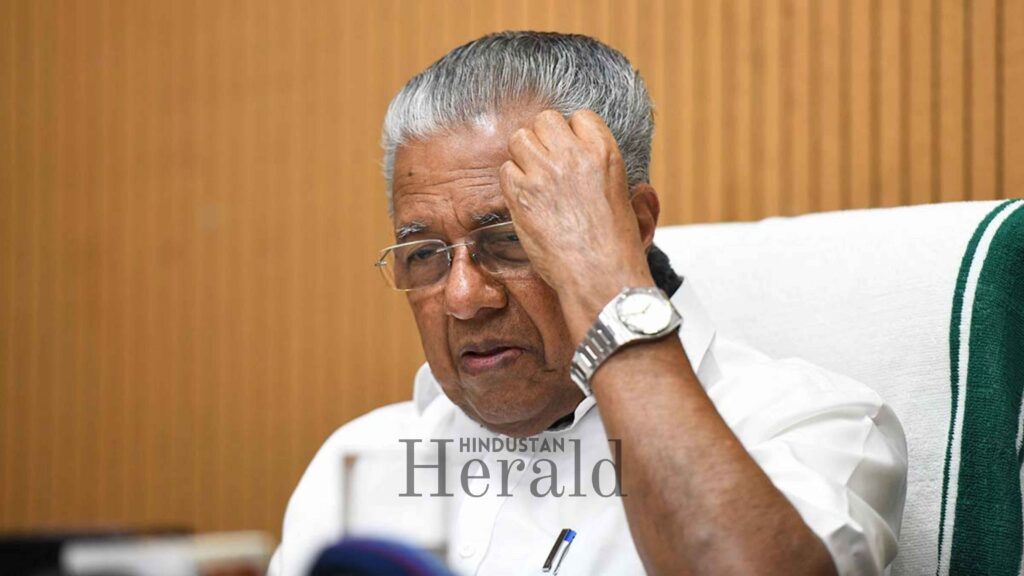
Chief Minister Vijayan retained his Dharmadam seat, winning by a margin of over 19,000 votes. That personal survival was expected. What was not expected, or perhaps not fully admitted to, was the completeness of the rout everywhere else.
Why K.N. Balagopal’s Name Keeps Coming Up
With the new political arithmetic now clear, there is serious discussion within the LDF about who leads the party’s legislative presence going forward. Pinarayi Vijayan, who held power for ten years and now faces the prospect of sitting in opposition, is reportedly unlikely to take up the Leader of the Opposition role. The expectation, as per sources within the party, is that a sitting MLA who carries credibility and communication skills will be needed for that position.
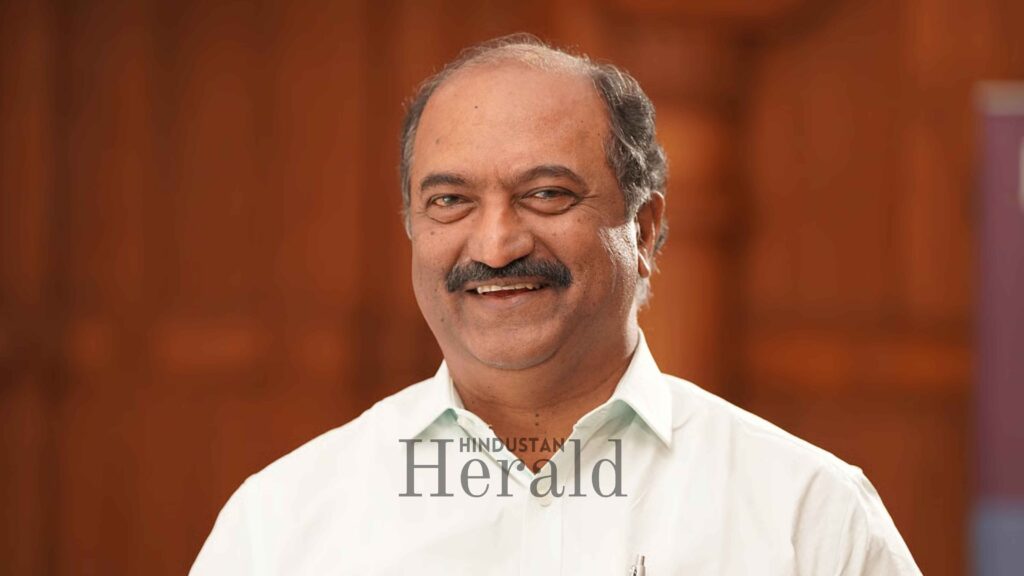
K.N. Balagopal fits that description in ways that the remaining survivors may not.
He is not a charismatic orator in the traditional Kerala political mould. He is something arguably more useful right now a man who understands the machinery of government, who spent five years managing the state’s finances through a pandemic, through fiscal stress, through ambitious welfare commitments that often outpaced available revenue. He knows where the numbers are buried. He knows which promises a new government will struggle to keep, and which it will try to walk back quietly. That kind of institutional knowledge is difficult to manufacture in opposition.
He is also, to his credit, someone who avoided the more theatrical excesses of LDF politics during its time in power. That matters when a party needs to rebuild credibility with voters who felt let down.
Still, leading a 35-seat bloc against a government commanding 102 is a structurally difficult task. The UDF does not need the Left’s cooperation to pass anything. Budget debates, legislative committees, floor votes the arithmetic simply does not give the opposition meaningful leverage in the conventional sense. What it can do is make noise in the right places, hold press conferences that stick, and begin the slow work of positioning the LDF as a credible alternative for 2031.
What Kind of Man Is He, Really
K.N. Balagopal is 62, born in Kalanjoor in Pathanamthitta district. He came up through the Students Federation of India in Kollam, held district and state leadership positions, and eventually served as All India President of both SFI and DYFI. He is qualified in commerce and law, an M.Com., LL.B., LL.M. by training. He served as Political Secretary to V.S. Achuthanandan and later spent six years in the Rajya Sabha before making his electoral debut in Kerala’s assembly in 2021.
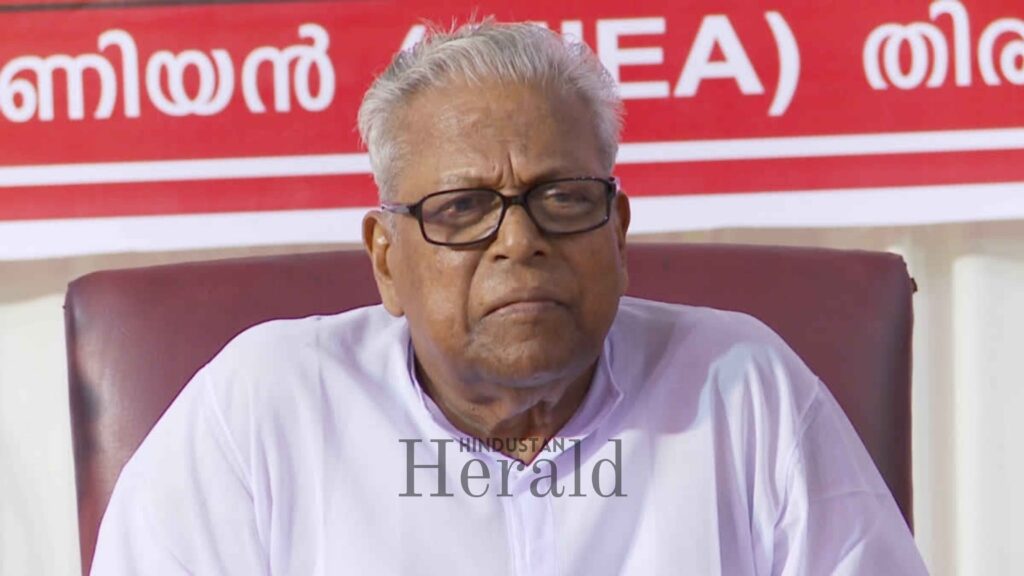
That is a long road. Long enough to understand that politics rewards patience as much as it rewards ambition.
Whether or not he officially gets the opposition leader designation in the coming days, Balagopal has already become the de facto institutional memory of a government that has just left office. For the Left, which now needs to understand why it lost as much as it needs to fight the new government, that is not a small thing.
He survived. By a thousand votes, in a year when survival itself was the achievement. And sometimes, that is enough to change what comes next.
Stay ahead with Hindustan Herald — bringing you trusted news, sharp analysis, and stories that matter across Politics, Business, Technology, Sports, Entertainment, Lifestyle, and more.
Connect with us on Facebook, Instagram, X (Twitter), LinkedIn, YouTube, and join our Telegram community @hindustanherald for real-time updates.

Covers Indian politics, governance, and policy developments with over a decade of experience in political reporting.
- Ananya Sharma

- Ananya Sharma
- Ananya Sharma
- Ananya Sharma