 By Ayesha Khan
New Delhi, March 31: Sahiba Bali has had a good run lately. IPL 2026 is on, she is all over Star Sports, and by most measures she is having the kind of career moment that takes years to build. So the timing of what has unfolded on social media this week is, to put it plainly, terrible.
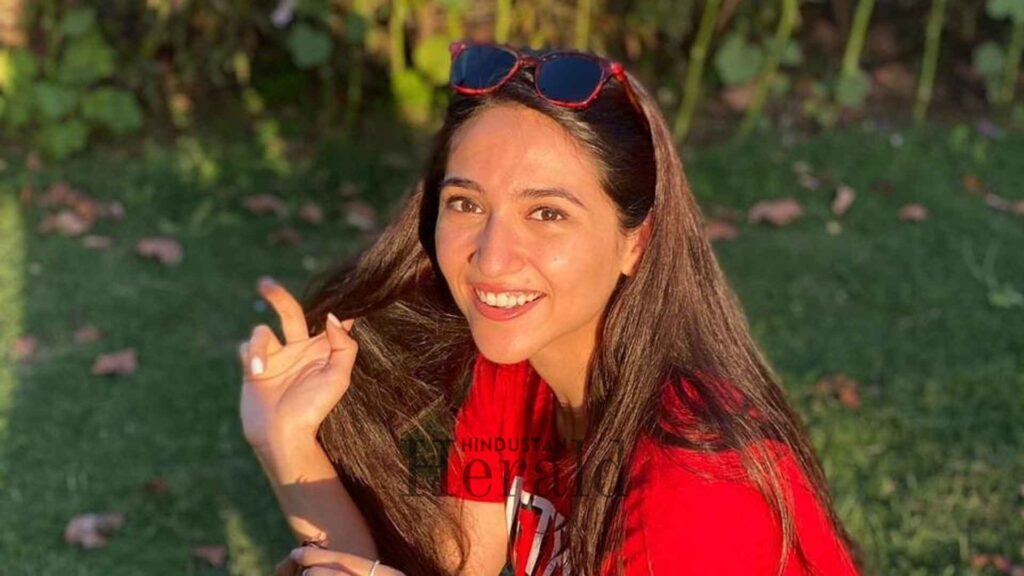
A clip from an interview the exact origin still being traced by users online has been making the rounds on X and Instagram. In it, Bali is heard speaking warmly about Pakistan, describing it in terms that many viewers found jarring. The word “loving” is what stuck. That one word, in the current climate, was enough.
The comments that followed were not mild.
When Warmth Becomes a Flashpoint
People did not just disagree with what she said. They were angry. And the reason they were angry is not hard to understand, even if the pile-on itself deserves some scrutiny. Because what commenters kept coming back to were not abstract foreign policy positions. They were Pahalgam. They were 26/11. They were the Parliament attack of 2001. Real events. Real dead. Real grief that has not gone anywhere in twenty-plus years.
The question being asked loudly, repeatedly, across threads was a simple one: how does someone speak about Pakistan’s warmth without a single word for any of that? No acknowledgment. No qualifier. Nothing.
For a lot of people watching, that silence was the story.
And then, as these things tend to go on Indian social media, an older clip resurfaced. One where Bali had called The Kashmir Files a propaganda film. That comment alone had drawn heat when it first came out. Paired now with the Pakistan remarks, critics were no longer treating either as an isolated opinion. They were reading them together, as a pattern. Whether that reading is fair is a separate matter. But that is what was happening.
She Is Not a Random Voice on This
Here is the thing that makes this more than just a standard celebrity controversy. Sahiba Bali is from Kashmir. Born December 5, 1994, into a Kashmiri family Kashmiri Sikh father, Punjabi Hindu mother. She did not grow up abstractly aware of the Kashmir conflict. She grew up with it as part of her family’s geography, her identity, her story.
That background is exactly why so many people found the remarks harder to brush off. If anyone had standing to speak carefully about what Pakistan represents to Kashmiri families, it was her. And so the perceived failure to do that landed differently than it might have for someone with no connection to the region.

She studied Economics at Hansraj College, went to Oxford for marketing, worked at Zomato as a brand manager before pivoting to acting Laila Majnu, Bard of Blood, Tanaav. Then came the sports media chapter. Star Sports. IPL. The 2025 Champions Trophy. Close to nine lakh followers on Instagram now. By any measure, she has built something real.
Which is also why this week has been what it has been.
This Is Not Her First Difficult Moment
To be fair to Bali, she has not always handled politically sensitive ground carelessly. In May 2025, when India and Pakistan were in the middle of a genuine military standoff following Operation Sindoor, she put up an Instagram Story asking her followers to rely only on government-verified information. She said plainly that she did not want to add to the panic. At the time, that was well-received. People noted it.
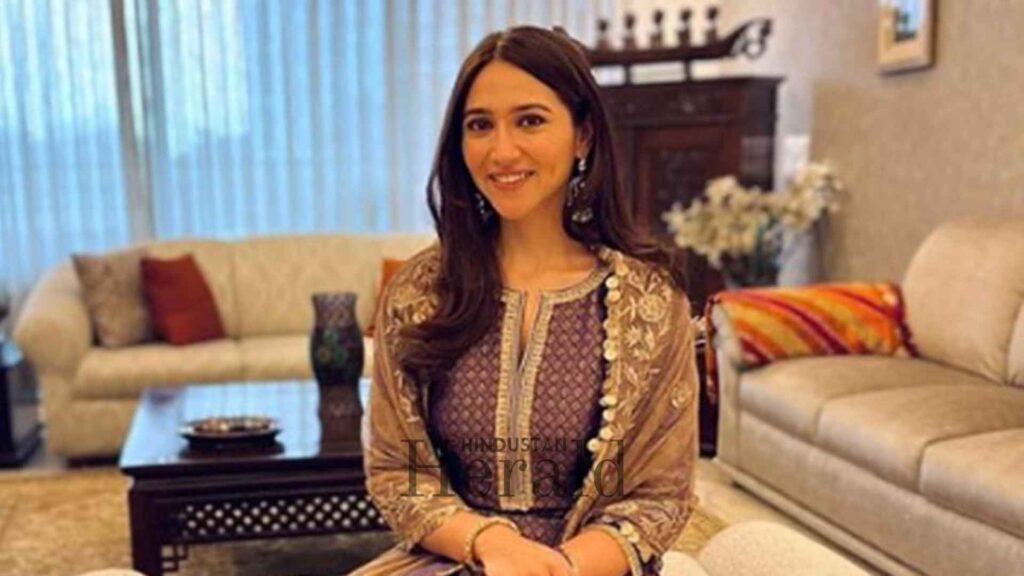
So there is a contradiction sitting at the centre of this controversy. The same person who was praised for responsible communication during a crisis is now being accused of irresponsible communication in a podcast or interview setting. That gap is what her critics are pointing to. That is the charge.
Still, it is worth saying what also needs to be said. Indian social media has a well-documented tendency to turn disagreement into demolition. Not every outrage cycle is organic. Not every pile-on reflects a genuine public consensus. Some of it is coordinated, some of it is performative, and a lot of it disappears within a week without anyone being held accountable for the damage done. Bali has not been given a chance to respond in full and she deserves that chance before any firmer conclusions are drawn.
The Larger Problem Nobody Wants to Name
What this episode really exposes is something that goes well beyond Sahiba Bali. It is about the impossible position that Indian public figures especially those from conflict-affected backgrounds find themselves in the moment they say anything even adjacent to Pakistan.
Warmth is suspect. Nuance gets clipped and reposted without context. A twenty-second excerpt becomes someone’s entire political identity. And the pressure to perform a particular kind of nationalism, loudly and publicly, has never been higher. That pressure is real. It is also, in many cases, deeply dishonest about what it actually wants which is not accountability, but compliance.
None of that makes Bali’s remarks above criticism. The grievance being expressed by people invoking 26/11 and Pahalgam is legitimate. Those attacks happened. Those families lost people. That anger does not expire. And if a public figure with a large platform says something that feels dismissive of that reality even unintentionally they should expect to hear about it.
The question is whether what follows is a conversation or a burning.
Where Things Stand
As of today, Bali has not put out a formal statement addressing the controversy. Hindustan Herald reached out for comment and had not received a response by the time of publication.
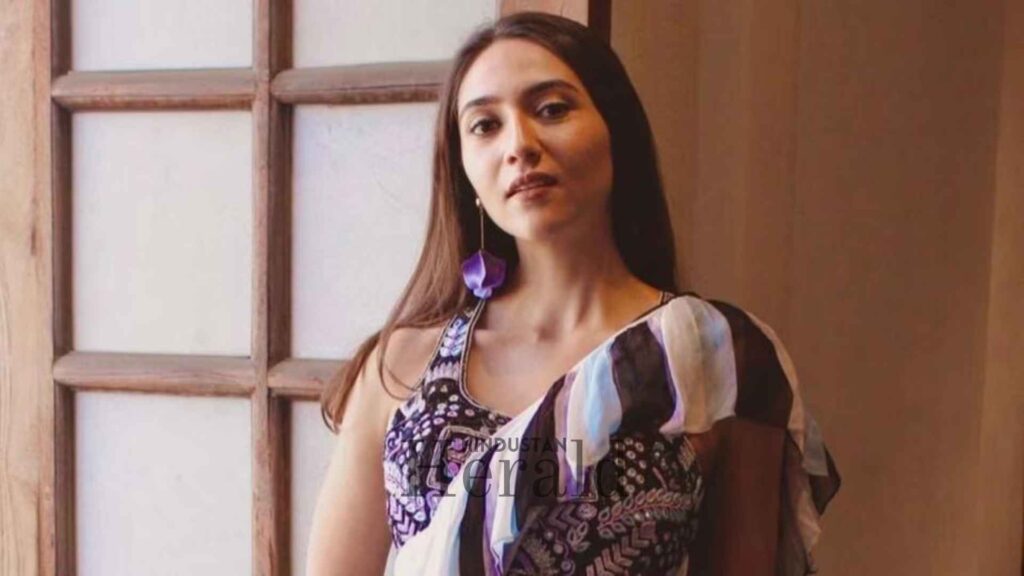
IPL 2026 continues. Her work with Star Sports continues. Whether this week leaves a lasting mark on her career or gets swallowed by the next news cycle is genuinely unclear right now. These things can go either way, and they usually do so faster than anyone expects.
For now, the clips keep circulating. The comments keep coming. And somewhere in all of it is an actual conversation worth having about what we ask of public figures, about memory and grief and national identity, and about what it means to speak carefully when the subject is one that has cost this country so much.
That conversation, unfortunately, rarely gets the space it needs.
Stay ahead with Hindustan Herald — bringing you trusted news, sharp analysis, and stories that matter across Politics, Business, Technology, Sports, Entertainment, Lifestyle, and more.
Connect with us on Facebook, Instagram, X (Twitter), LinkedIn, YouTube, and join our Telegram community @hindustanherald for real-time updates.

Covers films, television, streaming, and celebrity culture with a focus on storytelling trends.
- Ayesha Khan

- Ayesha Khan
- Ayesha Khan
- Ayesha Khan