
 By Ayesha Khan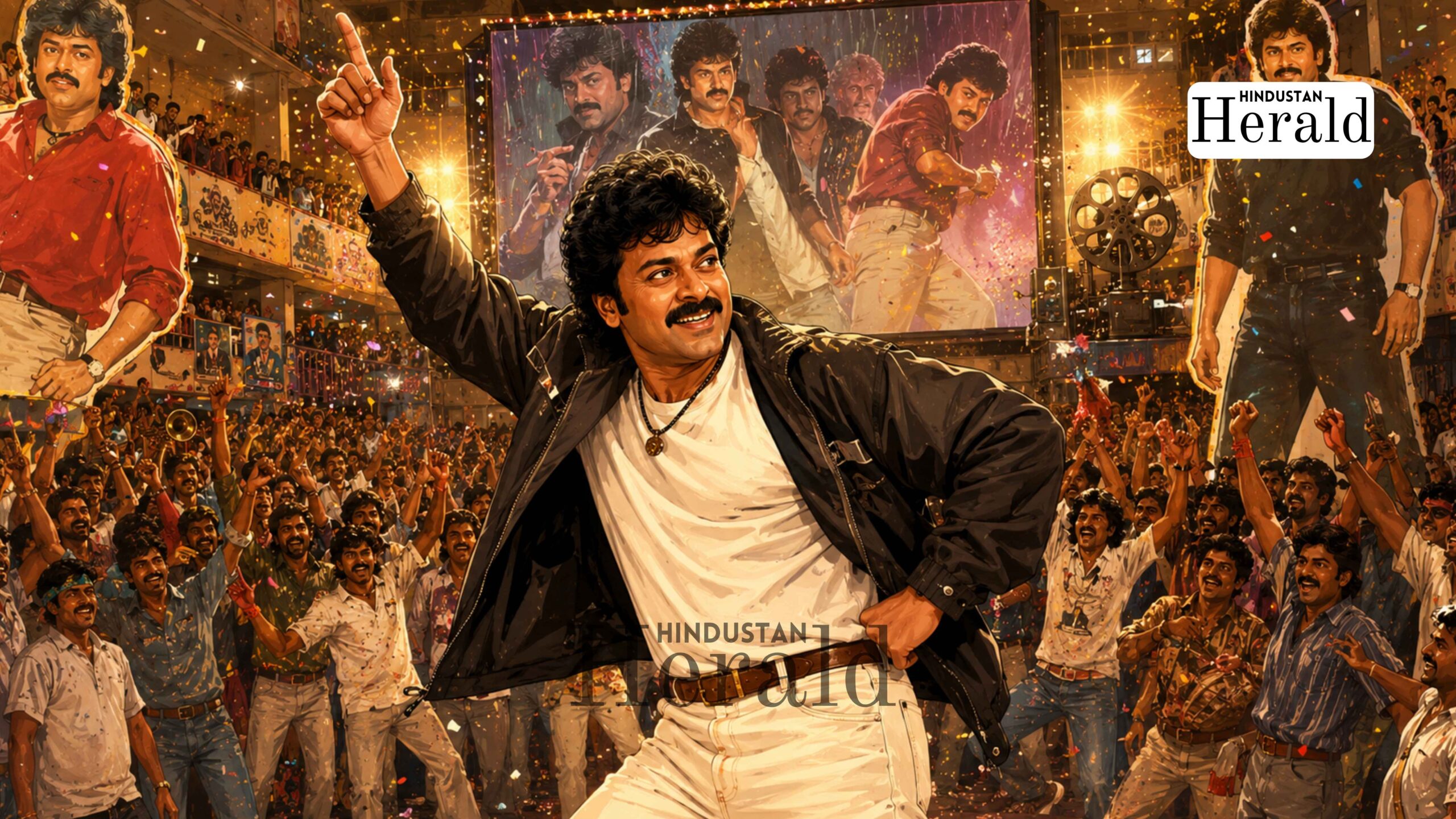
Hyderabad, May 9: Go find someone who watched Gang Leader in a theatre in 1991. Ask them about it. They will not give you a plot summary. They will tell you about the crowd. They will tell you about the noise in the hall when Chiranjeevi came on screen. They will probably smile without realising they are doing it.
That is what 35 years of a film looks like when it actually meant something.
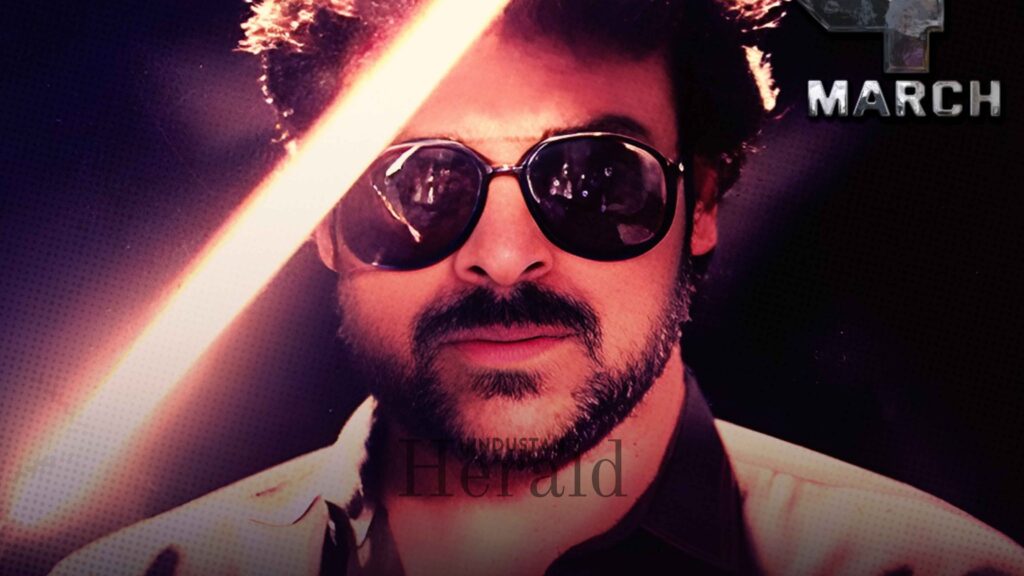
Gang Leader released on May 9, 1991. It was not the first big Chiranjeevi film and it was not the last. But there is something about this one specifically that stuck around in a way that is hard to explain purely through box office numbers or critical reception. It became part of Telugu cultural memory in a way very few films manage. The kind of film people name when they are trying to explain to an outsider what Telugu mass cinema is actually about.
Nobody Thought It Would Come Together
The honest version of how Gang Leader got made involves more doubt than the success story usually lets on.
Director Vijaya Bapineedu sat across from Chiranjeevi and narrated a story. Chiranjeevi said no. Simple as that. These two had worked together before, they knew each other, there was no bad blood. The story just did not land.
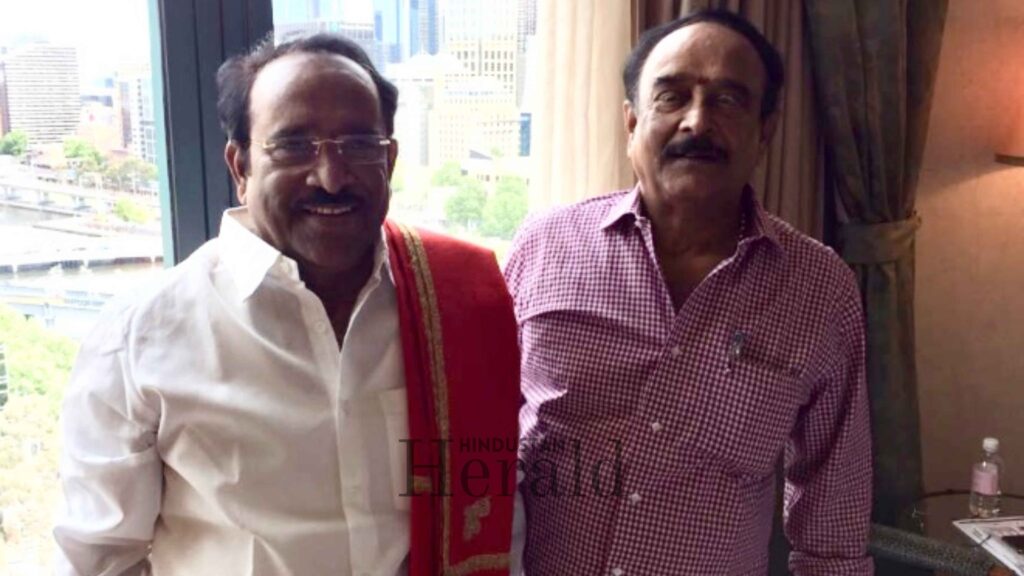
Bapineedu went to the Paruchuri Brothers instead. Writers Paruchuri Gopalakrishna and Paruchuri Venkateswara Rao were arguably the sharpest screenplay minds in Telugu cinema at that point. They went through the material, figured out what was not working, and rebuilt it. When Chiranjeevi heard the new version he said yes, largely because he trusted the Paruchuri Brothers the way you trust someone who has never steered you wrong.
Then Allu Aravind flagged something. There was a scene in the script where all of Chiranjeevi’s friends die at once. Convenient for the plot, maybe, but it felt artificial. He raised the concern, the writers went back, and it got fixed. Better for it.
The title changed late too. Most of the film was being made under the name Are O Samba, pulled from that iconic Sholay dialogue. Then Bapineedu came across the phrase “Gang Leader” in a serial written by G. Satya Murthy and could not get it out of his head. He pushed for the change. Chiranjeevi came around. The film that almost had a Bollywood reference for a name became something entirely its own.
The Story Was Simpler Than People Remember, and That Was the Point
Rajaram is the youngest of three brothers. He is not particularly ambitious. He is not a hero trying to be a hero. He is just a guy, a bit loose, a bit funny, someone the family worries about a little. He ends up going to jail voluntarily, taking the blame for an accident he did not cause, because the money will help his brother study and become someone. It is a small, selfless decision made by someone who does not make a big deal of small, selfless decisions.
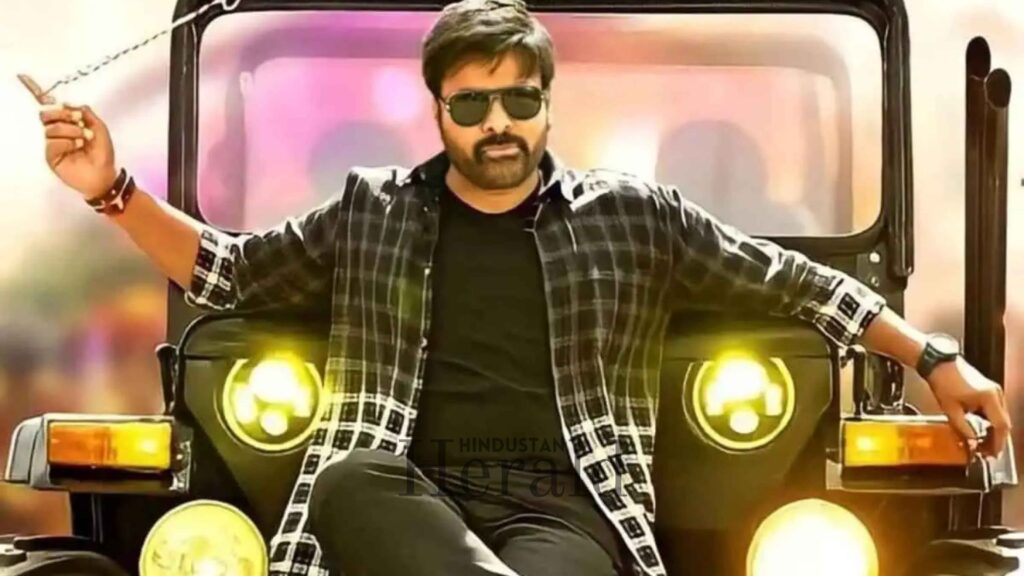
While he is locked away, his eldest brother gets killed. There is evidence. It exists. But the people who have it are the same people connected to the man who ordered the killing. By the time Rajaram gets out, the family is broken. What follows is not a fantasy. It is not a superhero moment. It is a man who has had enough going after people who thought they were untouchable.
What gave Gang Leader more depth than a typical revenge film of that era was its interest in the machinery behind the crime. The film understood that criminals in 1991 India were not just individual bad men. They were people inside systems, protected by those systems, using those systems. A jailor’s complicity. Law enforcement looking the other way. That stuff was real and the film knew it was real and used it honestly.
Vijayashanti brought genuine strength to her role. She was not the kind of actress you could reduce to a supporting function and she never let anyone do that to her. Rao Gopal Rao as the villain was frightening in the quiet way that good villains are. Not over the top. Just mean and certain of himself. Murali Mohan, Sarath Kumar, Kaikala Satyanarayana, all of them doing actual work, not decoration.
Chiranjeevi Was Doing Something Nobody Could Fully Explain
There is a version of writing about Chiranjeevi in 1991 that lists his previous hits and draws a graph. Fine. But it misses the thing that the numbers cannot capture.
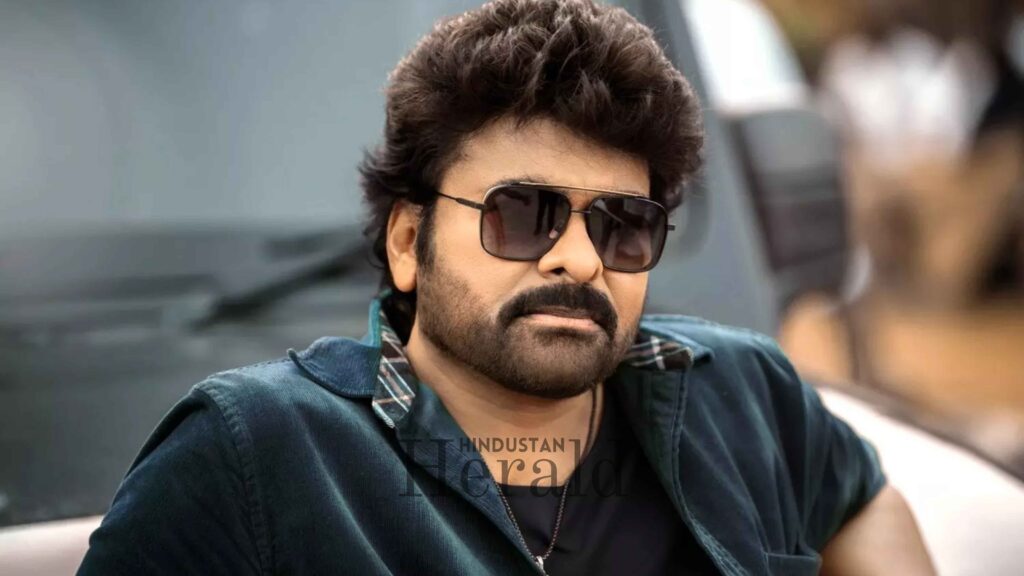
What Chiranjeevi does on screen, specifically in this period of his career, is operate on a frequency that actors simply do not have access to by working harder or being more disciplined. It is instinctive. When he is being funny he is genuinely funny, not performing funny. When he is angry there is something in the eyes that makes you feel it. And when he dances, which he does in Gang Leader with a kind of joyful physical authority, you stop thinking about choreography entirely. It just looks like the man expressing something he cannot keep inside.
The film’s opening credits call him “Macho Megastar.” At any other moment in cinema history that would read as self-congratulatory. In 1991 with Chiranjeevi on that screen it just reads as accurate.
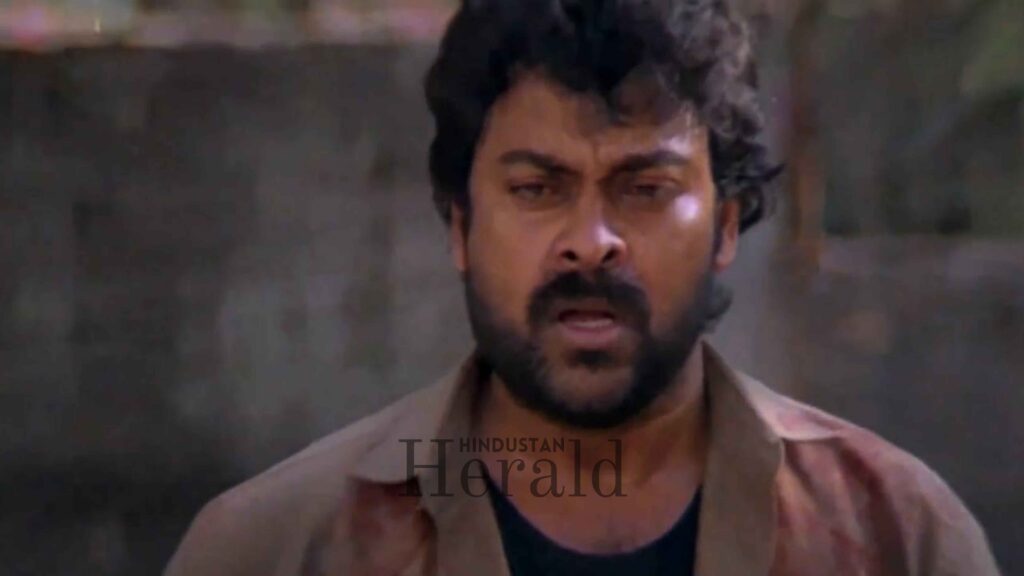
He had been on a run by this point that Telugu cinema had genuinely never seen. Pasivadi Pranam, Yamudiki Mogudu, Attaku Yamudu Ammayiki Mogudu, Jagadeka Veerudu Athiloka Sundari, back to back, each one the biggest Telugu film of its year. Gang Leader landed in the middle of that streak and did not lower the bar by a single inch.
The Music Got Into People Before the Film Even Released
Bappi Lahiri making music for a Telugu film raised eyebrows. By the time the songs started spreading through Andhra Pradesh, nobody was raising eyebrows anymore.
Lyricist Bhuvanachandra nearly did not write “Vaana Vaana Velluvaye.” He was nervous. Rain songs in Telugu cinema had already been done magnificently by people he respected enormously. He did not want to enter that conversation and come up short. The tune Bappi composed at the Suresh Guest House got rejected initially before Bhuvanachandra fought to keep it alive. That fight mattered. The song became one of the most replayed things from that entire era. In 2012, Mani Sharma remixed it for Rachcha. Twenty one years after the original. Songs that get treated that way are not just popular songs. They are songs that burrowed into people.
“Papa Rita” took off immediately. The whole soundtrack moved through households and public spaces the way songs did before the internet, slowly at first and then everywhere at once. People were humming these songs before many of them had even seen the film.
What Happened at the Box Office Was Not Normal
The film sold for Rs 2.2 crore. It collected roughly Rs 12.65 crore. That was the highest any Telugu film had ever grossed at the time. Those are the figures. But the figures do not tell you what it felt like from the inside.
Sudharshan theatre in Hyderabad ran Gang Leader for 162 days. A hundred days in more than fifty theatres across the state. When the hundredth day arrived, the team did not pick one city for the celebration. They picked four. Tirupati. Vijayawada. Eluru. Hyderabad. Simultaneously. And Chiranjeevi, along with crew members, got into a helicopter and flew to all four on the same day.
It had never been done before. Not in Telugu film history. There was something almost absurd about it in the best possible way. The film had become so big that a normal celebration felt insufficient so they invented a new kind of one.
At Sri Krishna Picture Palace in Guntur, Gang Leader joined a list of ten Chiranjeevi films that had each run 100 days at that same theatre. Ten films. One actor. One theatre. That is not a statistic. That is a relationship between a community and a person they had collectively decided to believe in.
The film went to the International Film Festival of India. It was dubbed into Tamil. It worked there too.
The Years That Followed
Gharana Mogudu came in 1992 and broke through into territory nobody had mapped yet. First South Indian film to cross Rs 10 crore in distributor share. National magazines called Chiranjeevi “Bigger than Bachchan.” That sentence still lands strange and wonderful when you read it.
Gang Leader was not the summit. It was the last big climb before the summit. It was the film that showed what was coming.
In March 2023, Gang Leader came back to theatres in 4K. Younger viewers showed up having grown up with the soundtrack already in them, the songs playing at home for years before they had ever seen the full film. That is a particular kind of inheritance. You know the music before you know the story. Then you watch it and the music makes a different kind of sense.
When filmmaker Nani made a 2019 film called Gang Leader, the original’s poster appeared in it as a deliberate reference. You only do that when you are certain your audience will catch it immediately and feel something. The filmmakers were right.
Thirty Five Years Is a Long Time
Most films from 1991 have faded. Not gone, not forgotten entirely, but faded. They belong to an era and you have to put in some effort to reach back to them.
Gang Leader does not feel that way. It does not feel like reaching back. It feels like something that has simply stayed, quietly, without needing to make a fuss about it.
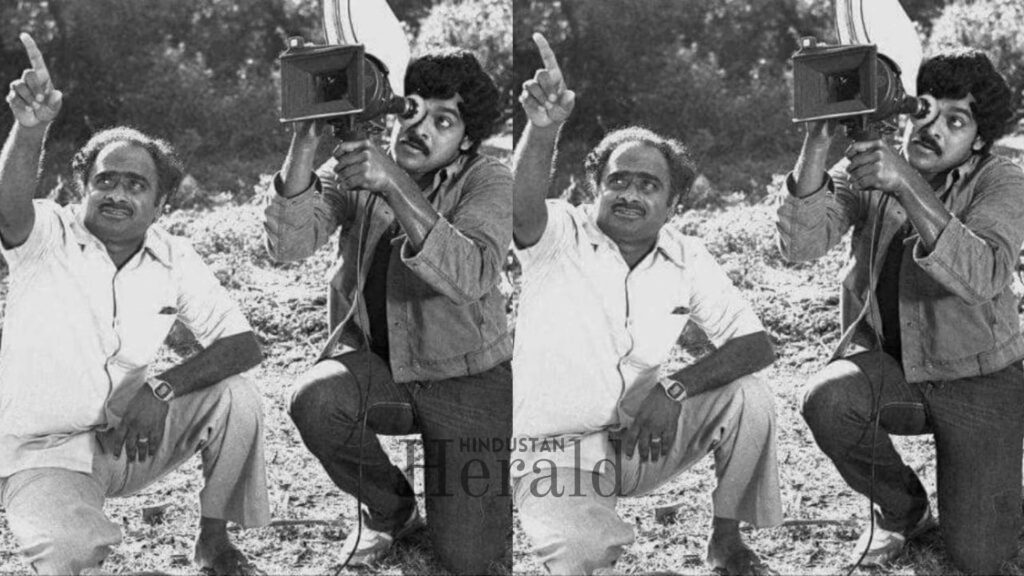
Vijaya Bapineedu made films across decades with different actors and most of them worked. But this one is the one people mention. The Paruchuri Brothers gave the story the kind of grounding that lets a film outlast its release year. Bappi Lahiri was perhaps the most unexpected choice and perhaps the most correct one. Vijayashanti brought a counterweight on screen that sharpened everything around her.
And Chiranjeevi. There is not much left to say about Chiranjeevi in this film that the film does not say better on its own. Watch it and see what a star looks like when they are exactly where they are supposed to be doing exactly what they were built to do.
Thirty five years. The hall is quieter now. The helicopter story is legend. The songs are still playing somewhere right now in someone’s house in Andhra Pradesh or Telangana, probably on a phone with one earbud hanging loose, probably being half-listened to by someone too young to know where it came from.
That is how films stay alive. Not in articles. In people.
Gang Leader is still very much alive.
Stay ahead with Hindustan Herald — bringing you trusted news, sharp analysis, and stories that matter across Politics, Business, Technology, Sports, Entertainment, Lifestyle, and more.
Connect with us on Facebook, Instagram, X (Twitter), LinkedIn, YouTube, and join our Telegram community @hindustanherald for real-time updates.

Covers films, television, streaming, and celebrity culture with a focus on storytelling trends.
- Ayesha Khan

- Ayesha Khan
- Ayesha Khan
- Ayesha Khan




 Arun Upadhayay