
 By Ananya Sharma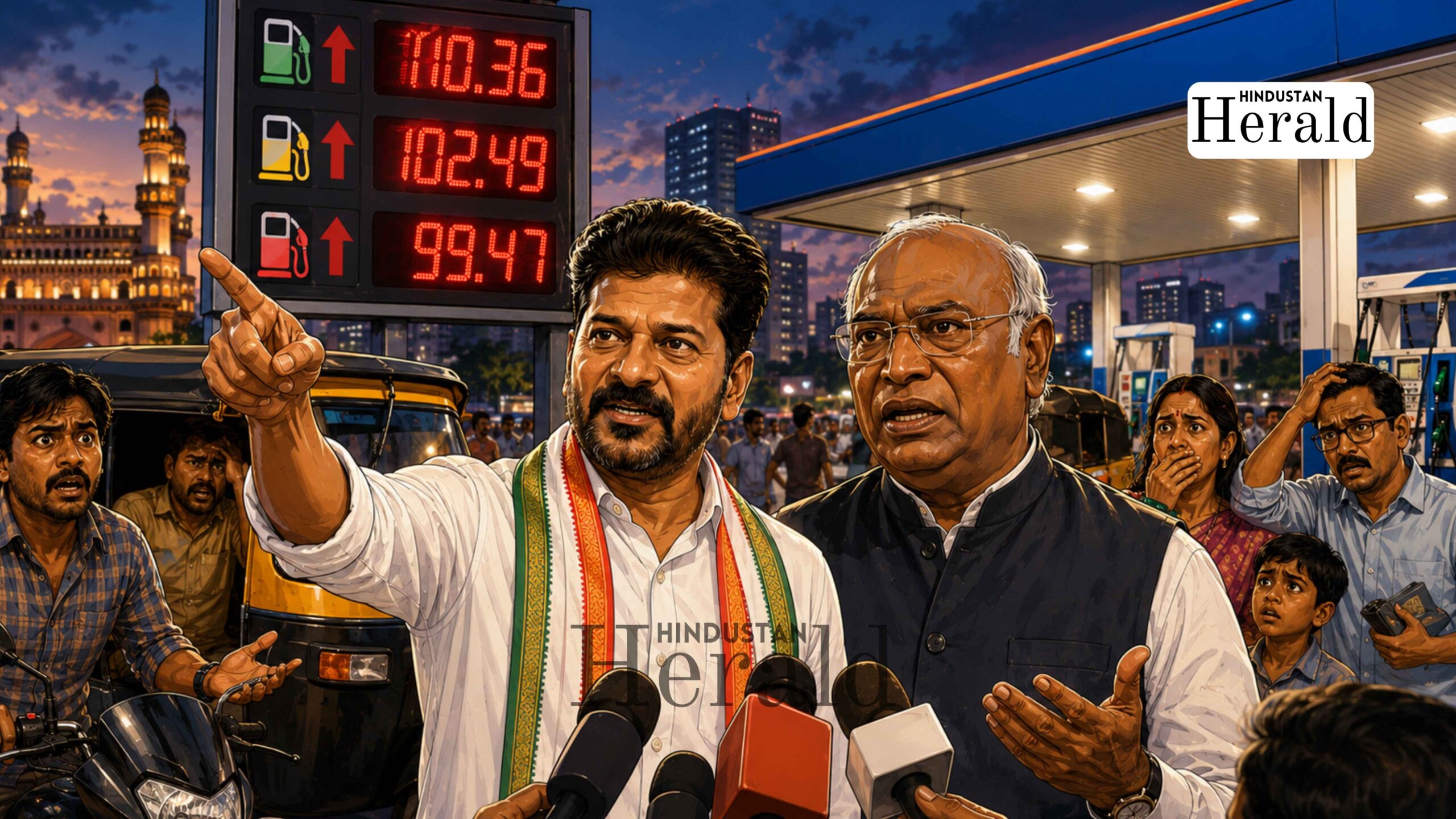
Hyderabad, May 16: Nobody was particularly surprised. That is the honest truth about Friday’s fuel price hike. When petrol and diesel prices went up by Rs 3 per litre the first such revision in nearly four years the shock was less about the numbers and more about the timing. Assembly elections in four states had just wrapped up. Chief ministers hadn’t even been sworn in yet. And then, almost on cue, the pumps got more expensive.
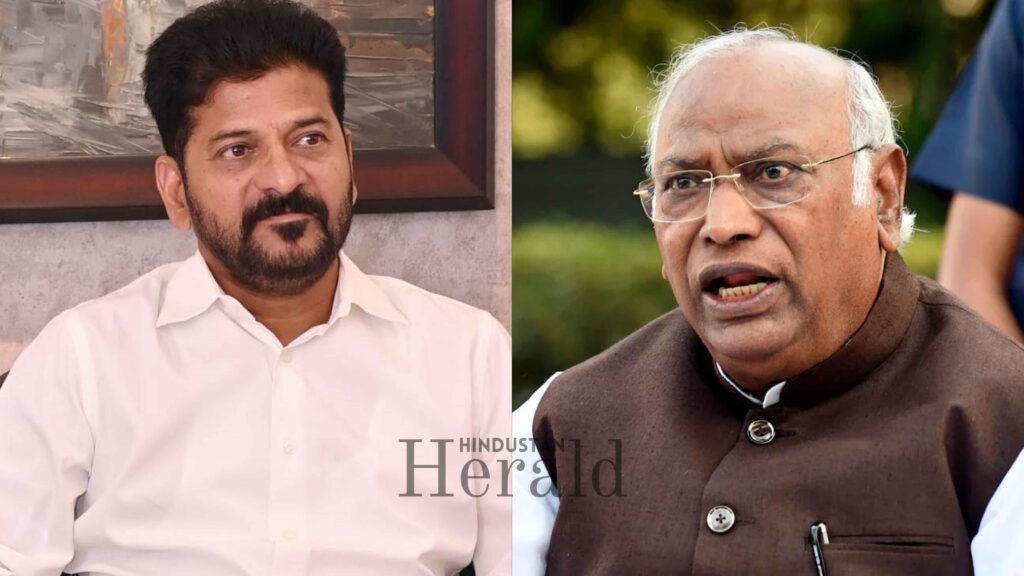
Telangana Chief Minister A Revanth Reddy and the larger Congress machinery came out swinging. Congress president Mallikarjun Kharge called it a “Modi-government-made crisis” the kind of phrase that gets designed for headlines but also happens to carry genuine political weight in this case. His argument was not just that the hike was painful. It was that the pain was, at least in part, self-inflicted. “Leadership crisis, lack of vision, and rampant incompetence” those were his words. Harsh, yes. But the Congress is betting that a lot of ordinary Indians filling up their tanks on Friday morning would not entirely disagree.
The Numbers First, Because They Matter
In Delhi, petrol climbed from Rs 94.77 to Rs 97.77 per litre, while diesel went from Rs 89.67 to Rs 90.67. Those are Delhi figures. In Telangana, where the state government levies one of the steepest VAT rates on fuel in the country, the base was already higher. Three rupees on top of that hits differently.
The government’s explanation for why the hike happened is not entirely without merit. India’s crude oil basket was averaging around USD 69 per barrel back in February, before the West Asia conflict broke out. By the time OMCs revised prices, that figure had shot up to around USD 113-114 per barrel. That is not a rounding error that is a near-doubling of input costs in a matter of weeks. State-run oil marketing companies had been bleeding for 76 days, absorbing losses of nearly Rs 1,000 crore every single day, selling fuel below what it actually cost them to procure.
So the hike was not invented. The losses were real. The question and it is a fair one is why the revision waited until the votes were counted.
The Election Timing Problem
Congress, SP, and TMC all made the same accusation: the government deliberately sat on the price hike until polling in Assam, Kerala, Tamil Nadu, and West Bengal was done. It is the kind of charge that is very easy to make and very difficult to disprove, because fuel pricing decisions in India have a long history of correlating neatly with electoral calendars.
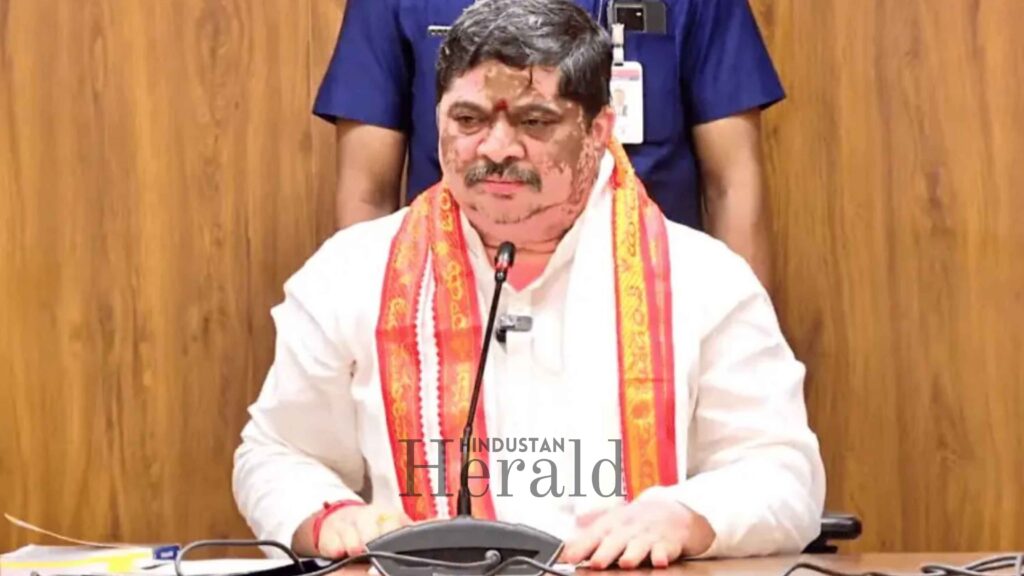
Telangana Transport Minister Ponnam Prabhakar did not mince words. “As soon as the elections were over, even before the chief ministers could take their oaths, they hiked petrol prices, once again doing injustice to the people of the country, especially the people of Telangana,” he said.
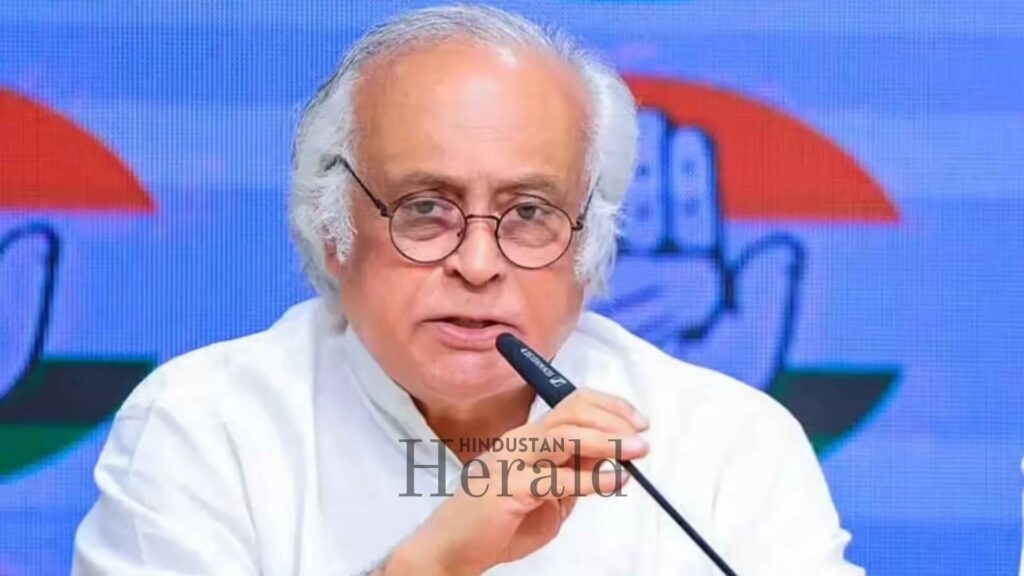
Congress general secretary Jairam Ramesh made essentially the same point, just with a bit more architecture around it. He pointed out that now that international oil prices were climbing due to the conflict in West Asia and assembly elections were over, the Modi government had increased petrol and diesel prices having already quietly hiked commercial LPG prices earlier.
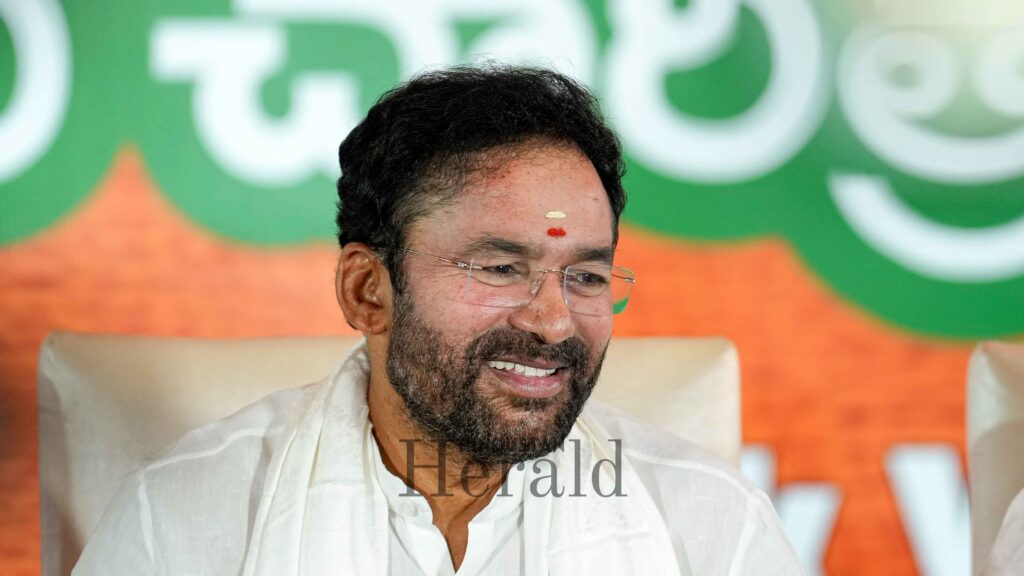
Union Minister G Kishan Reddy pushed back. He said the hike was taken under unavoidable circumstances, that no domestic issue was responsible for it, and that countries around the world had seen far steeper increases some up to 90 per cent while India had managed to keep the revision to roughly three per cent despite Brent crude crossing 100 USD per barrel. He also accused the opposition of trying to spread misinformation and incite the public.
That is the government’s best defence, and it has some factual basis. But “other countries have it worse” is cold comfort at a fuel station in Hyderabad or Warangal.
Kharge’s Harder Question
What gave Kharge’s statement its edge was not the name-calling. It was the underlying question that the Congress has been trying to land for years and finally has some political traction with. He asked: when international crude oil prices were low, why did the Modi government provide no relief to the general public, choosing instead to accumulate enormous revenue from central taxes on fuel over the past decade? So if the windfall years produced no dividend for the consumer, why should the lean years produce only burden?
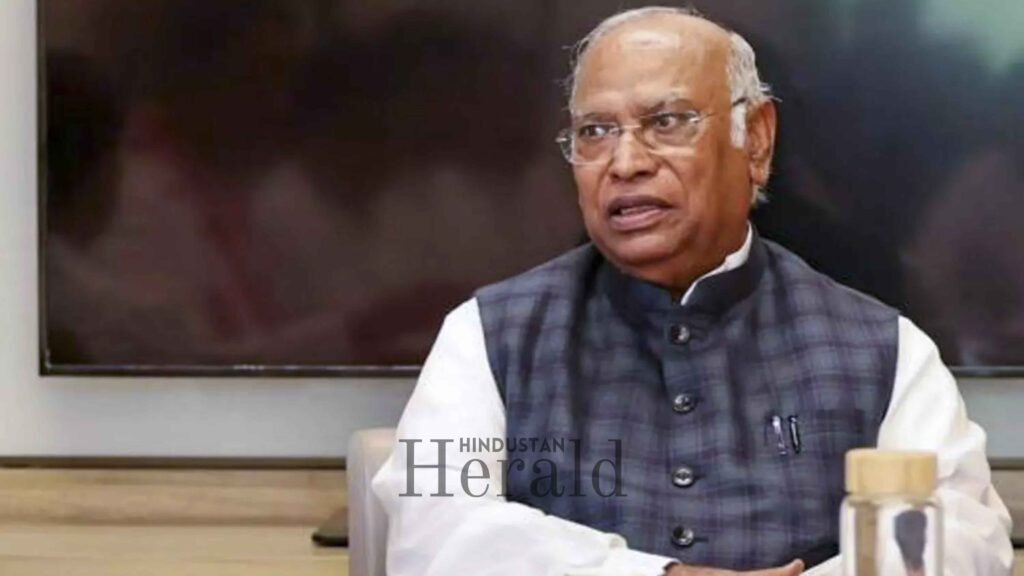
Congress leaders warned that rising fuel costs would have a cascading effect hitting transportation, logistics, and eventually the prices of essential commodities. They said the hike would likely push inflation projections higher and could weaken India’s growth estimates in the months ahead. Economists, separately, have flagged similar concerns. Kharge specifically noted that when diesel prices rise, inflation ripples outward across the entire economy from industries to household budgets to farmers. The farmer angle matters a lot in states like Telangana, where diesel powers irrigation pumps and agricultural machinery.
Revanth Reddy’s Uncomfortable Corner
Here is where things get politically complicated for the Telangana Chief Minister specifically.
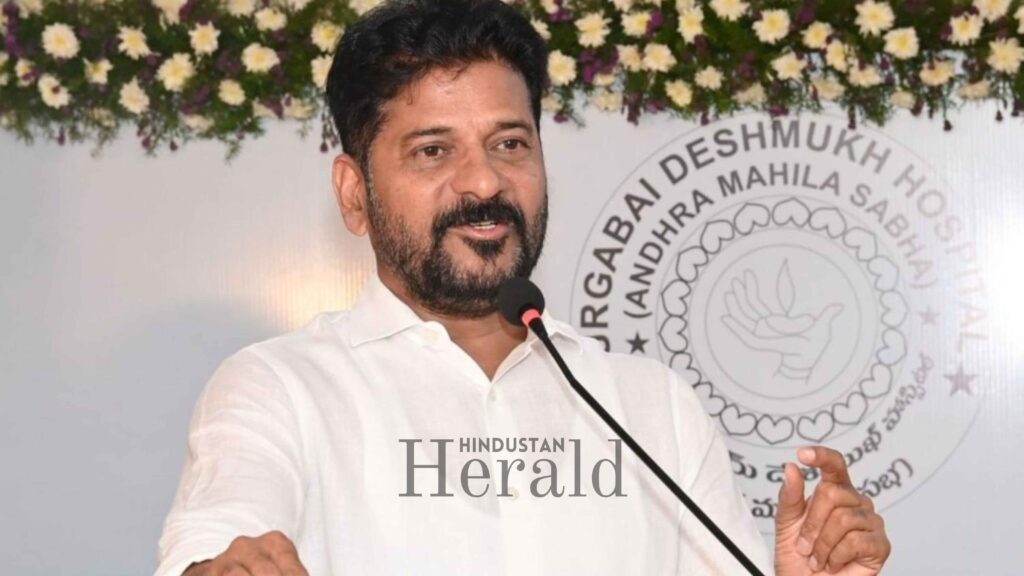
Revanth Reddy has been vocal he and his party colleagues have attacked the Centre with full force over this hike. That is consistent with his position and his party line. But there is a video problem.
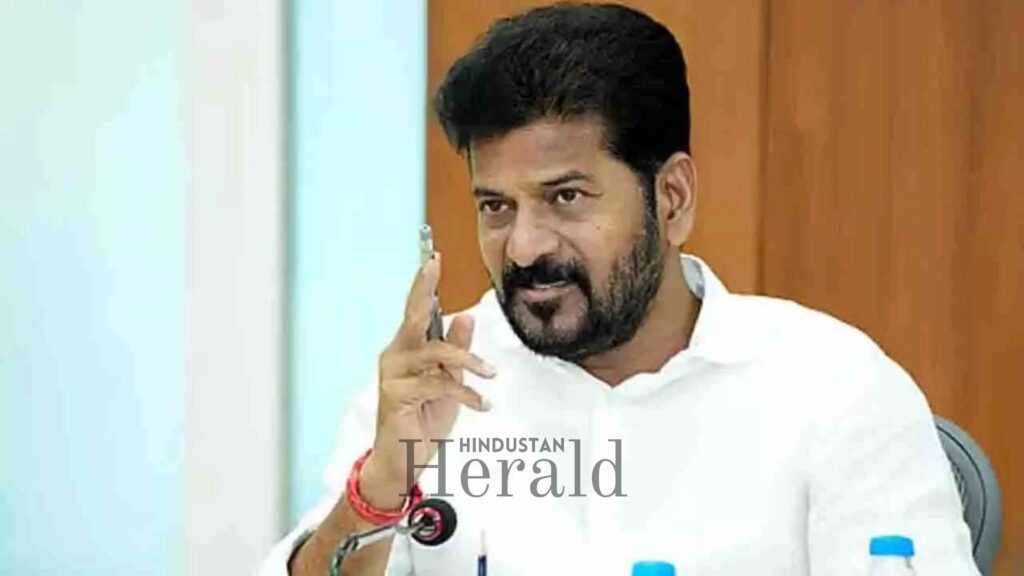
Back in July 2021, when Revanth Reddy was still the freshly appointed TPCC president, he addressed a protest rally in Nirmal and delivered the kind of speech that opposition politicians give when they are not yet in power. He claimed that while the actual cost of petrol was Rs 40 per litre, the remaining Rs 65 was taxes Rs 33 collected by the Modi government and Rs 32 by then Chief Minister KCR’s administration. He demanded accountability from both.
Most significantly, he asked: “If the Central government increased prices, why cannot the Telangana government reduce the price by Rs 30 per litre and offer petrol at Rs 70 per litre?”
That question has now returned to its sender.
Telangana imposes nearly 35 per cent VAT on petrol and about 27 per cent on diesel. That makes fuel prices in the state among the highest in the country. And with the central hike now adding Rs 3 more on top of an already steep base, people on social media are doing what people on social media do digging up old clips, posting them with pointed captions, and asking the Chief Minister why he is not doing what he once demanded others do.
Several users on X have reminded Revanth Reddy of his 2021 promise to reduce prices, with one asking whether senior Congress leadership would push the Telangana government to cut VAT the way it is pushing the Centre now. It is a reasonable question, and it does not have a comfortable answer.
The Congress finds itself in the position of attacking the Centre’s tax take on fuel while quietly maintaining one of the steepest state-level fuel tax structures in the country. Both things are politically coherent in their own silos. Together, they are a contradiction.
Where This Goes
Petroleum Minister Hardeep Singh Puri had already acknowledged that oil companies were facing heavy daily losses while selling fuel below market-linked rates, which suggests this Rs 3 hike may not be the last word. If global crude remains elevated and there is little sign of the West Asia situation resolving quickly another revision is not out of the question.
For ordinary people, the political fight happening above their heads is largely beside the point. A truck driver recalculating margins, a school teacher filling up a scooter, a vegetable vendor watching transportation costs creep upward they do not particularly care which party is more hypocritical. They care that everything is about to cost a little more.
Rs 3 a litre sounds modest in the language of policy. At scale, across a country of 1.4 billion people and millions of commercial vehicles, it is anything but.
The government says it held back as long as it could. The opposition says it held back only as long as it had to. And the public as usual is left holding the bill.
Stay ahead with Hindustan Herald — bringing you trusted news, sharp analysis, and stories that matter across Politics, Business, Technology, Sports, Entertainment, Lifestyle, and more.
Connect with us on Facebook, Instagram, X (Twitter), LinkedIn, YouTube, and join our Telegram community @hindustanherald for real-time updates.

Covers Indian politics, governance, and policy developments with over a decade of experience in political reporting.
- Ananya Sharma

- Ananya Sharma
- Ananya Sharma
- Ananya Sharma
 Sandeep Verma