
 By Ayesha Khan and Ananya Sharma
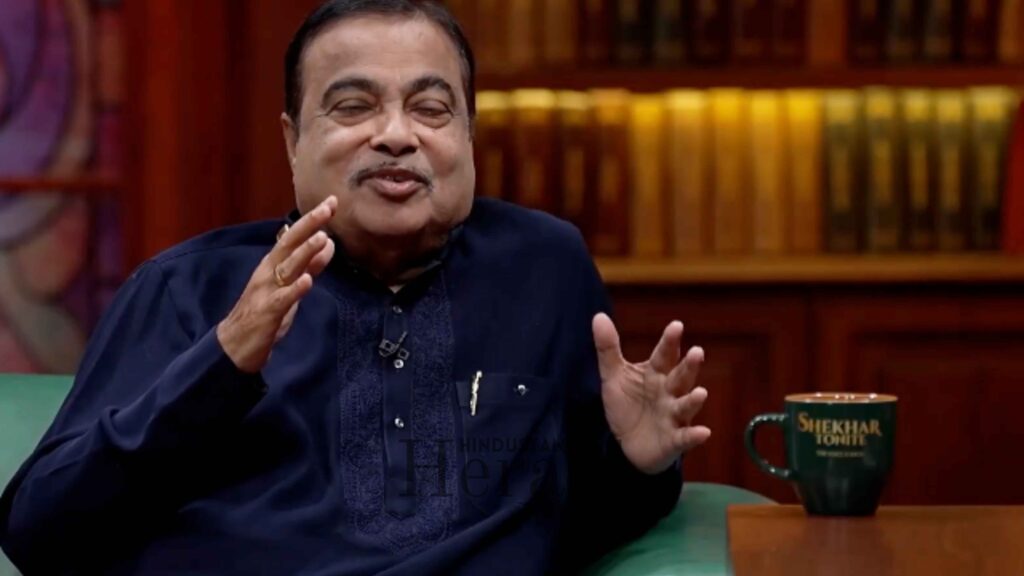
New Delhi, May 16: There is something almost poetic about the timing of it all. On the same day that oil companies quietly raised petrol prices by Rs 3 per litre across the country, actor Shekhar Suman sat across from Nitin Gadkari on a YouTube talk show and, in the middle of what was supposed to be a breezy premiere episode, got the Union Road Transport Minister to say something that the government had spent the better part of a year refusing to say clearly: yes, E20 ethanol-blended petrol does reduce your mileage.
The clip went everywhere.
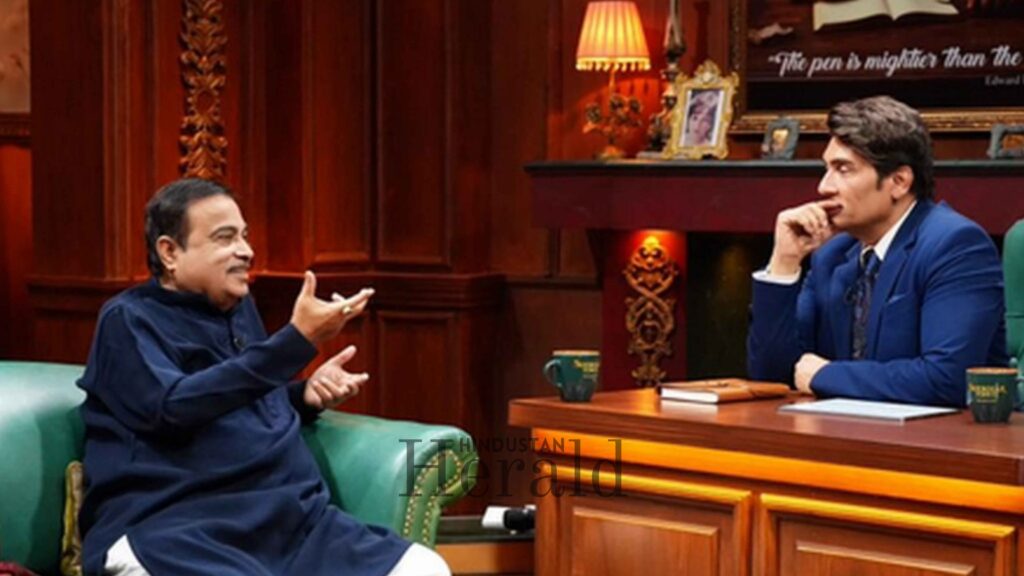
Shekhar Tonite, Suman’s much-anticipated comeback after fourteen years away from the talk show format, had its premiere on May 15. Created by Adhyayan Suman and produced by Dharmesh Sangani, the show streams on YouTube and had promised audiences the kind of frank, sharp conversation that Suman built his reputation on. The opening episode covered a lot of ground. Language politics, the Emergency, Gadkari’s fondness for talking about himself in surprisingly candid terms. But the moment that cut through all of it was when the minister, in an almost offhand way, acknowledged that using E20 petrol results in a 3 to 6 per cent reduction in mileage, even as he held firm that the fuel causes no engine damage.
For the lakhs of Indian drivers who have been saying exactly this for months, to mostly official silence or outright dismissal, it landed like a small explosion.
The Minister Who Called It All a Conspiracy
A little context matters here. This is not the first time Gadkari has been asked about the mileage problem. Not by a long way. At the Business Today India@100 Summit not long ago, he challenged critics to show him a single instance of a car damaged by E20, pointing out that neither ARAI nor SIAM had flagged any confirmed case. That was already a careful framing. Engine damage and mileage loss are two separate things, and conflating them allowed the government to win the technical argument while the practical complaint went unanswered.
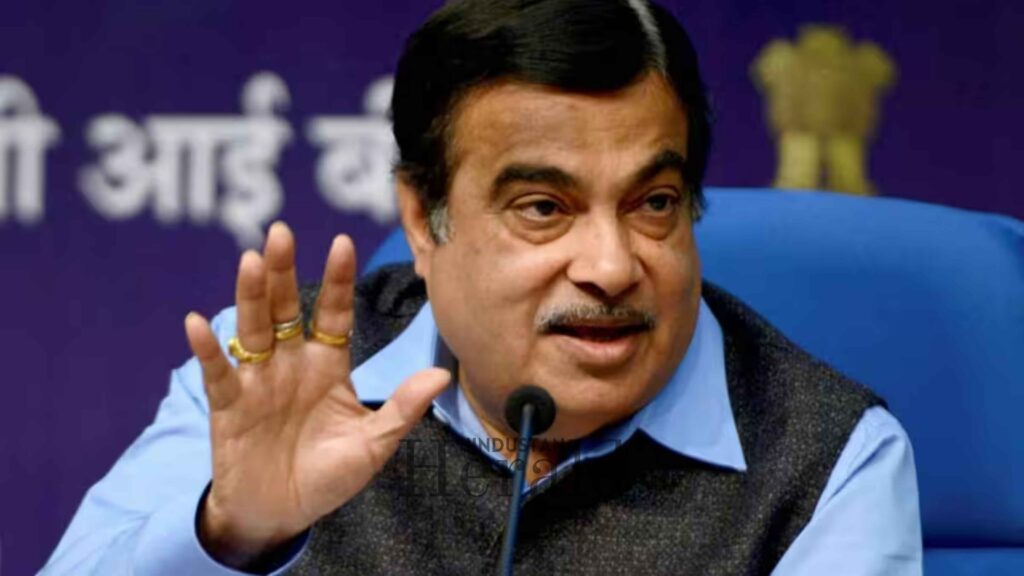
Then in September 2025, it got sharper. Gadkari declared that what was playing out on social media was a paid political campaign against him. He said it had been proven false, that ARAI and the Supreme Court had given clarity, and that the petrol lobby was very rich and very motivated to keep people dependent on imported crude.
There was some truth buried in that, to be fair. The ethanol blending programme does have powerful enemies with deep pockets. But the dismissal of every consumer complaint as manufactured outrage was always going to be unsustainable. The survey numbers were too large, the complaints too consistent, the mechanics across too many cities saying the same things.
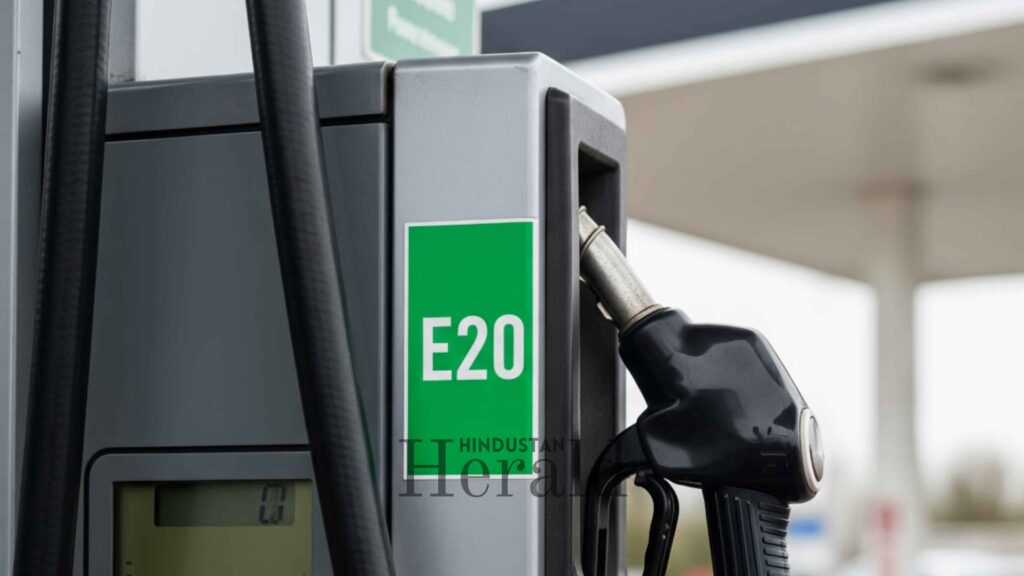
On Shekhar Tonite, the posture cracked a little. Not a full reversal. Gadkari is too experienced a political operator for that. But the acknowledgment of a real mileage drop, said casually in the middle of a celebrity chat show, went further than anything he had said in a formal press setting. And because Suman’s show is designed to feel like conversation rather than interrogation, the comment landed without the usual defensive scaffolding around it.
That is why it spread so fast.
May 15 Was Already a Bad Day at the Pump
Even without the viral clip, May 15 was a rough one for anyone who owns a petrol vehicle in this country. Oil companies announced a fresh hike of around Rs 3 per litre for both petrol and diesel in major cities. In Delhi, petrol moved from Rs 94.77 to Rs 97.77 per litre. Diesel went from Rs 87.67 to Rs 90.67. In Kolkata, petrol crossed Rs 108 per litre.
The hike is directly tied to the continuing crisis around the Strait of Hormuz and the wider Iran conflict, which has hammered global crude markets. Oil Secretary Neeraj Mittal was quick to say there is no shortage, no rationing, no cause for panic. Supply is steady. But pricing is a different matter, and ICRA estimated that even after the Rs 3 increase, oil marketing companies are still losing around Rs 500 crore daily on auto fuels and domestic LPG, and will likely need to revisit prices again if crude stays elevated.
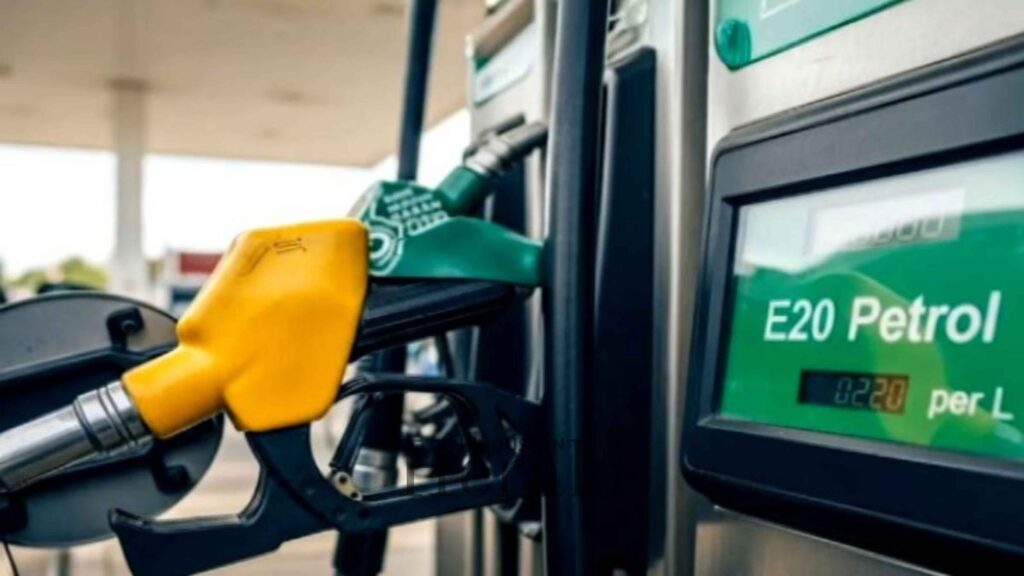
Read that again: Rs 500 crore a day in losses, and this is after the hike.
So the consumer is being asked to absorb the beginning of what could be a longer series of price increases, while simultaneously filling up with a fuel that gives them measurably fewer kilometres per litre than what they were buying two years ago. The frustration is not irrational. It is arithmetic.
What Drivers Are Actually Experiencing
This is where the ground reality deserves more attention than it typically gets in policy debates. A LocalCircles survey tracking petrol vehicle owners with vehicles purchased in 2022 or earlier found that 8 in 10 reported a drop in fuel efficiency in 2025. The proportion had risen sharply from 67 per cent in August to 80 per cent by October, a trajectory that does not suggest a manufactured problem.
Beyond mileage, 52 per cent of the same group reported unusual wear and tear or repair needs. Mechanics across cities have documented a 40 per cent rise in fuel-related problems since mandatory E20 began. The specific issues coming up repeatedly include fuel injector failures, misfiring in two-wheelers, and premature rusting in tanks.
For older vehicles that were originally calibrated for pure petrol or E10, the efficiency hit can go as high as 6 to 7 per cent for four-wheelers and 3 to 4 per cent for two-wheelers. A Delhi automobile engineer named Surender Pal Singh, who spent years as the principal of a vehicle driving institute, reportedly tracked the mileage drop on his own car for months before eventually switching to premium fuel at a cost of roughly Rs 7 extra per litre. He noticed the improvement immediately. His experience is not unusual.
Online complaints have described rough idling, engines struggling to start on cold mornings, clogged filters. Alarm sharpened when an Indian insurer announced that engine damage resulting from using the wrong fuel grade would not be covered under standard policies, which raised uncomfortable questions about whether E20 counted as the wrong fuel for certain older vehicles.
The government’s answer to most of this has been: your vehicle will be fine, the regulators have confirmed it, trust the process. What it has not done is give older vehicle owners a meaningful alternative at the pump.
The Programme Itself Is Not Without Merit
Here is the part that tends to get lost when social media is doing the arguing. The ethanol blending programme is not some arbitrary imposition. It has real strategic logic, and in several respects it has worked.
India’s ethanol blending programme has delivered foreign exchange savings of over Rs 1.08 lakh crore and reduced carbon emissions by 557 lakh metric tonnes. Ethanol production capacity has grown to 1,685 crore litres annually, with over 50 million sugarcane farmers benefiting from the programme. By early 2026, more than Rs 1.18 lakh crore had flowed to farmers through ethanol procurement alone.
Those are not small numbers. And the strategic vulnerability they are meant to address is very real. After the Iran crisis escalated, India found itself with roughly 33 days of crude oil stocks and 25 days of transport fuel stocks. A country that imports nearly 90 per cent of its crude requirements cannot afford to be indifferent to what a prolonged West Asian conflict does to its energy security. Gadkari’s larger argument about reducing dependence on imported fossil fuels is sound. The execution is where things have gotten complicated.
The Problem Nobody Fixed
The tragedy of all this is that it was entirely predictable, and in fact was predicted. Niti Aayog, in its 2021 roadmap report on ethanol blending, recommended that E20 petrol should be priced lower than standard petrol to compensate consumers for the reduced calorific value of the blended fuel. It even suggested tax breaks on ethanol as a fuel. None of these recommendations has been implemented.
In most cities today, E20 is sold at exactly the same price as the E10 blend it replaced. The consumer receives less energy per litre, pays the same amount, and is told to be grateful for the improvement in national energy security. That is a difficult sell, particularly to someone who drives a 2019 two-wheeler and cannot afford to upgrade to an E20-optimised vehicle.
Brazil, often held up as the global benchmark for ethanol transition, took a very different path. It built public support over decades with tax breaks, subsidies, and a gradual rollout that gave consumers time and choice. By 2003, Brazilian cars could run on any petrol-ethanol combination. The India programme moved much faster, without the financial cushions that made Brazilian acceptance politically possible.
When LocalCircles asked consumers directly, over half said they would be willing to support E20 if it were optional and priced at least 20 per cent lower than regular petrol. That is not opposition to the idea. That is people asking for a fair deal. The distinction matters.
Where This Goes From Here
The government is apparently in discussions about rolling out E21 by 2027 and may cap blending at E25 for now, with the next phase described as more calibrated given concerns around engine compatibility, mileage efficiency, and infrastructure readiness. Petroleum Minister Hardeep Singh Puri has spoken about scaling gradually toward E25, E27, and E30, with BIS standards and fiscal incentives shaping the path.
The direction of travel is not in question. Higher blends are coming. What is in question is whether the government will course-correct on the consumer side before it pushes further. Because the political math of asking people to accept bigger mileage losses on top of rising pump prices, without any compensatory pricing, is not going to improve.
The Shekhar Tonite clip will keep circulating. Placed next to Gadkari’s September 2025 comments about paid campaigns, the contrast does not reflect well, regardless of how technically defensible the E20 programme is at the policy level. In politics, perception is its own kind of fact.
For now, the average driver filling up at a Delhi petrol station on May 16 is paying Rs 97.77 for a litre of fuel that gets them fewer kilometres than the Rs 94.77 litre they bought last week. The minister has acknowledged as much on television. What comes next is the question no talk show has answered yet.
Stay ahead with Hindustan Herald — bringing you trusted news, sharp analysis, and stories that matter across Politics, Business, Technology, Sports, Entertainment, Lifestyle, and more.
Connect with us on Facebook, Instagram, X (Twitter), LinkedIn, YouTube, and join our Telegram community @hindustanherald for real-time updates.

Covers films, television, streaming, and celebrity culture with a focus on storytelling trends.
- Ayesha Khan

- Ayesha Khan
- Ayesha Khan
- Ayesha Khan





Covers Indian politics, governance, and policy developments with over a decade of experience in political reporting.
- Ananya Sharma
- Ananya Sharma
- Ananya Sharma
- Ananya Sharma




 Ananya Sharma